






The best designer wallet for everyday use balances scratch-resistant leather, practical card capacity, and a shape that comfortably fits your pocket or daily bag. For minimalist pocket carry, a textured calfskin bifold or leather cardholder excels. However, structured zip-around or compact continental styles suit those carrying cash, coins, and extra cards.
When selecting an everyday designer wallet, you need a balance between aesthetic appeal and structural endurance. A luxury wallet experiences friction every day—sliding into pockets, brushing against keys inside tote bags, and enduring thousands of open-and-close cycles. Finding the right model comes down to matching specific leather grains, hardware quality, and internal layouts to your actual daily routine.
What makes a designer wallet practical for daily carry?
A wallet meant for daily use must withstand abrasion, moisture, and mechanical stress. It should not lose its shape or tear at the seams. While fashion houses design wallets across hundreds of silhouettes, only specific materials and construction methods hold up to non-stop wear.
Leather types and material resistance
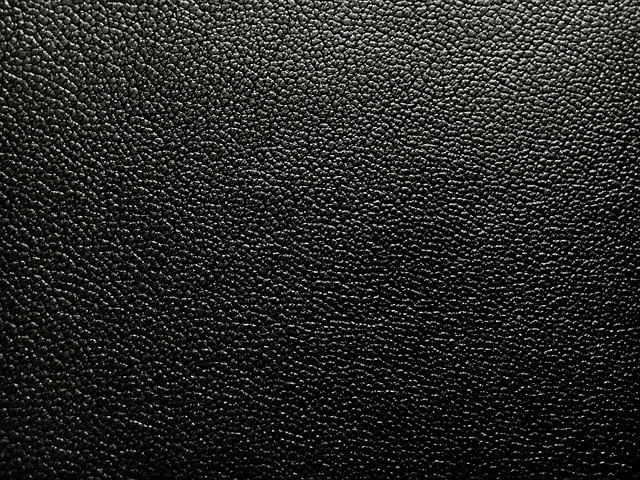
The structural integrity of a daily wallet depends primarily on its exterior material. Different leathers age in distinct ways when exposed to skin oils, pocket friction, and ambient moisture:
- Full-grain calfskin: Retains the natural outer layer of the hide, providing maximum tensile strength. It develops a subtle patina over time and absorbs minor surface scuffs well.
- Saffiano leather: Made by heat-stamping a diagonal cross-hatch pattern onto leather and finishing it with a protective wax coating. Originally patented by Prada, this finish is virtually scratch-proof and highly water-resistant.
- Epi leather: A textured leather introduced by Louis Vuitton, created through vegetable tanning and deep dye impregnation. Its distinct wave pattern resists scuffs and maintains rigidity over decades.
- Coated canvas: Constructed from heavy cotton canvas treated with a protective PVC coating. Found extensively in Louis Vuitton Monogram and Gucci GG supreme lines, it is lightweight, waterproof, and extremely tear-resistant. However, flex points along main folds can crack after many years of heavy bending.
- Intrecciato Nappa leather: Bottega Veneta’s signature hand-woven lambskin. While soft and tactile, the exposed edges of individual woven strips are vulnerable to catching. They can wear thin if carried loose alongside metal keys or coins.
- Epsom and Chevre leathers: Rigid, pressed calfskin (Epsom) and goatskin (Chevre) used by Hermès. Both offer high scratch resistance, light weight, and excellent color retention without sagging.
Construction, stitching, and hardware quality
Beyond the raw hide, structural craftsmanship determines how long a piece lasts under pressure:
- Stitching density: Look for tightly spaced, angled saddle stitching. Hand-sewn saddle stitching uses two needles on a single thread; if one loop breaks, the remaining thread remains locked in place. Machine lockstitching can unravel along an entire seam if a single thread snaps.
- Edge painting (glazing): The raw edges of cut leather pieces are sealed with multiple coats of flexible edge paint. High-end houses sand and burnish edges between coats to prevent peeling or splitting.
- Hardware and zippers: Daily wallets require heavy-duty metal zippers, such as those from YKK Excella, Raccagni, or Lampo. Smooth teeth prevent interior fabric snagging and guard against broken pulls.
- Internal lining: Full leather interior linings outperform fabric or polyester linings. Fabric linings can fray, tear, or collect grime around coin compartments, whereas leather linings can be wiped clean and hold card slot structures intact.
Which designer wallet style suits your daily routine?
Matching your wallet design to how you carry your items prevents unnecessary bulk and reduces premature wear.
Compact bifold wallets
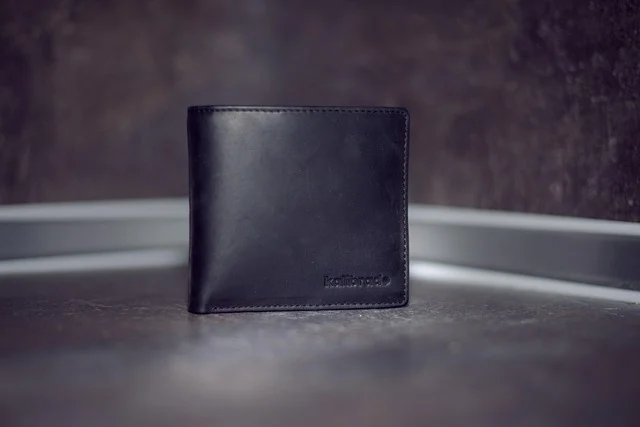
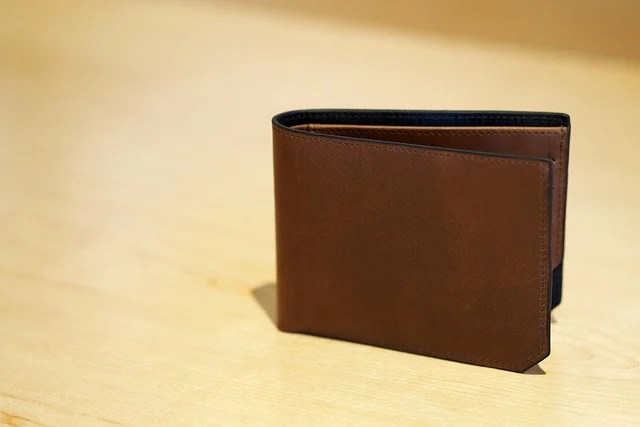
Bifold wallets fold once in the center, providing immediate access to cards and cash. They generally feature 6 to 8 dedicated card slots, two hidden slip pockets, and a rear bill compartment.
- Carrying style: Front pants pocket, rear pants pocket, jacket breast pocket, or small cross-body bag.
- Ideal capacity: 6–8 plastic cards, 5–10 flat banknotes.
- Practical advantage: Keeps bills unfolded while maintaining a slim physical profile.
- Trade-off: Overfilling the slip pockets causes the central spine to bulge, preventing the wallet from laying flat.
Slim cardholders and flap card cases
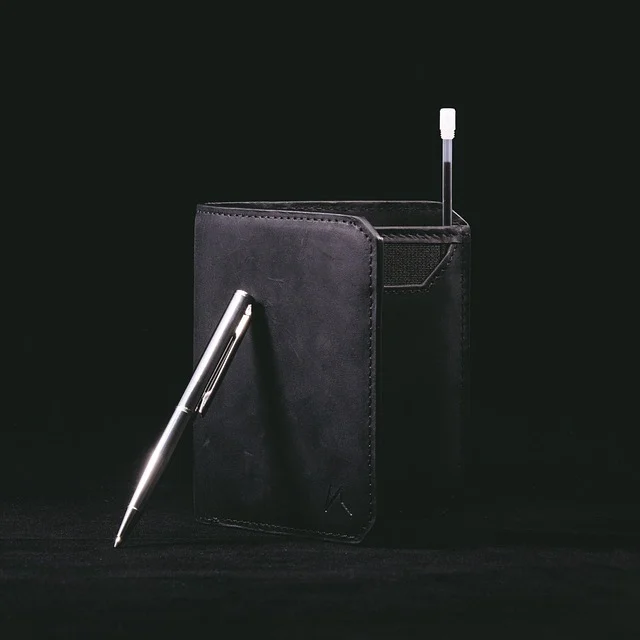
Cardholders strip away bill compartments and coin pockets to focus on essential card carry. Standard designs feature 2 to 4 external card slots on each side and a central pocket for folded cash or receipts.
- Carrying style: Shirt pockets, tight denim pockets, micro handbags, or gym pouches.
- Ideal capacity: 3–5 core cards, 1–2 folded bills.
- Practical advantage: Virtually undetectable in clothing pockets; eliminates pocket bulk and spinal misalignment caused by sitting on thick wallets.
- Trade-off: Cash must be folded into thirds or quarters; coins cannot be carried safely.
Zip-around wallets
Zip-around models feature a heavy perimeter zipper that fully encloses the interior contents. Available in both compact coin-purse sizes and full-size continental dimensions, they keep contents secure.
- Carrying style: Backpacks, tote bags, satchels, or coat pockets.
- Ideal capacity: 8–12 cards, coins, folded bills, and small keys.
- Practical advantage: Prevents loose items, receipts, or cards from slipping out inside a bag.
- Trade-off: Requires unzipping to access any item, adding an extra step to transactions.
Continental long wallets
Continental wallets measure approximately 7.5 inches long, allowing banknotes to lie completely flat without folding. They feature extensive interior organization, including 12 or more card slots, zippered central coin dividers, and full-length gusseted cash pockets.
- Carrying style: Medium to large handbags, totes, briefcases, or carried in hand like a clutch.
- Ideal capacity: 12–16 cards, multi-currency cash, physical receipts, coins, and checkbooks or slim smartphones.
- Practical advantage: Maximum storage organization with zero creasing of paper bills.
- Trade-off: Too large for standard clothing pockets; adds noticeable weight to smaller shoulder bags.
Trifold and compact flap wallets
Trifold wallets feature three sections that fold over each other, secured by a snap button or metal clasp. They offer the storage capacity of a larger wallet within a smaller footprint, making them ideal for small structured handbags.
- Carrying style: Handbags, cross-body bags, or wide jacket pockets.
- Ideal capacity: 6–10 cards, full-length bills, and a dedicated snap coin pocket.
- Practical advantage: High storage capacity in a short length footprint.
- Trade-off: Folds cash into three distinct creases and creates substantial thickness when fully loaded.
Comparing top designer wallets for daily carry
The table below compares popular luxury and high-function designer wallets across practical everyday criteria:
| Model / Line | Primary Material | Card Capacity | Best Carrying Location | Main Everyday Advantage | Key Trade-Off |
|---|---|---|---|---|---|
| Prada Saffiano Bifold | Saffiano Calfskin | 6–8 cards | Front/Back Pocket | Extreme scratch and water resistance | Stiff feel initially |
| Louis Vuitton Zippy Wallet | Monogram Coated Canvas | 12 cards | Handbag / Tote | Indestructible exterior shell | Bulky perimeter zipper |
| Bottega Veneta Intrecciato Card Case | Woven Calfskin / Nappa | 4–6 cards | Front Pocket / Small Bag | Understated logo-free design | Woven edges show wear over time |
| Saint Laurent Monogram Flap Wallet | Grained Leather (Pebbled) | 6–10 cards | Crossbody / Handbag | Durable pebbled finish resists marks | Metal YSL logo can scratch soft surfaces |
| Hermès Calvi Card Holder | Epsom or Chevre Leather | 8–12 cards (dual pockets) | Jacket / Front Pocket | Zero hardware; smooth folded leather | No separation between individual cards |
| Bellroy Slim Sleeve | Environmentally Certified Leather | 4–8 cards | Front Denim Pocket | Pull-tab quick access feature | Lacks traditional luxury brand prestige |
How do top luxury brands perform for everyday durability?
When evaluating high-end luxury houses, branding and styling are secondary to structural endurance. Here is how major designer brands hold up under repeated daily use.
Prada
Prada’s signature Saffiano leather is the best designer wallet for everyday use due to its resilience. The wax finish resists water droplets, preventing water stains from rain or accidental spills. The stiff structural nature of Saffiano leather keeps bifold wallets and card cases from growing limp over time. Also, if you frequently carry your wallet in pockets alongside house keys or coins, Prada Saffiano resists deep gouges and retains its structured shape for years.
Louis Vuitton
Louis Vuitton’s coated canvas lines offer outstanding resistance, making them the best designer wallets for everyday use. The dark brown treated lining on Damier Ebene is particularly forgiving against dirt. However, on models that fold repeatedly—such as the Multiple Wallet or Brazza Wallet—the resin edge paint along the central crease can crack after several years of heavy flex. Choosing models with minimal folding, like the Zippy Coin Purse or Pocket Organizer, maximizes longevity.
Bottega Veneta
Bottega Veneta offers the best designer wallet for everyday use, featuring a soft leather feel and no heavy logos. Modern Intrecciato designs utilize slightly thicker calfskin strips alongside traditional lambskin, improving structural longevity. Because there is no exterior metal plaque or canvas coating, the leather ages by softening and conforming to your hand. However, friction inside tight denim can rub the burnished edges of the woven leather strips, requiring occasional leather conditioning to prevent dry fraying.
Hermès
Hermès crafts the best designer wallet for everyday use with traditional handcrafting techniques and refined hides. The Calvi card holder and Bastia coin purse use single pieces of folded leather closed with snap buttons, eliminating interior linings that could tear. Epsom leather options maintain rigid structural lines and resist fingernail scratches, while Chevre (goatskin) offers subtle flexibility with natural grain strength. Hermès also offers official reconditioning and stitching repairs through its boutique spa services, extending a wallet’s lifespan across decades.
Saint Laurent and Gucci
Saint Laurent uses grained calfskin for the best designer wallet for everyday use, especially in its card cases. This thick pebbled leather hides micro-scuffs exceptionally well. The primary wear point on YSL wallets is the metallic hardware emblem, which can develop fine hairline scratches over time if rubbed against keys. Gucci’s GG Supreme coated canvas offers similar durability to Louis Vuitton canvas, while their GG Marmont matelassé quilted calfskin is softer and requires gentler handling to avoid compressing the padded quilting.
Functional and niche alternatives
For those seeking the best designer wallet for everyday use, brands like Bellroy and Smythson offer thin profiles. Smythson uses cross-grained Panama leather that stays thin while resisting creasing. Bellroy uses engineered leather patterns with pull-tab mechanisms that eliminate unnecessary leather layers, minimizing pocket outline bulk.
How to choose the right wallet capacity and layout for your habits
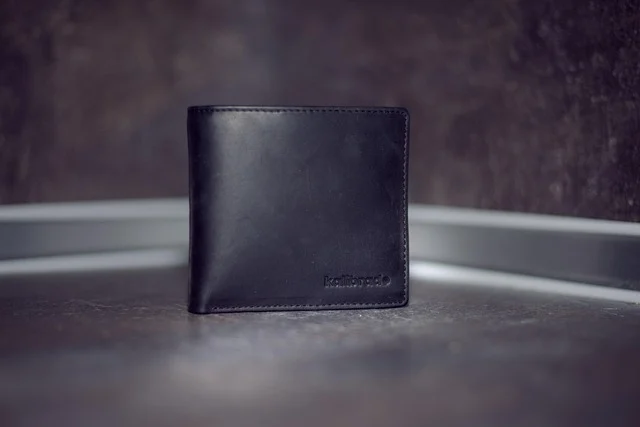
Buying a wallet that is too small forces you to jam multiple cards into a single slot, stretching the leather permanently. Buying a wallet that is too large encourages hoarding old paper receipts, ticket stubs, and unused loyalty cards.
Auditing your daily carry essentials
Before selecting a silhouette, list what you must carry on a typical day:
- Primary payment cards: Credit card, debit card (2 cards total).
- Identification: Driver’s license, work ID badge (1–2 cards).
- Access & transit: Transit pass, RFID keycard (1–2 cards).
- Physical cash & coins: Emergency currency notes, loose coin change.
If your total required card count is 5 or fewer, a dedicated cardholder or slim flap case provides maximum comfort. However, if your total card count ranges between 6 and 10, a standard bifold or compact trifold wallet is required.
Matching wallet size to global currency dimensions
If you travel frequently or live in a region that relies on paper currency, check interior bill compartment dimensions:
- US Dollar (USD): Measures 156 mm x 66 mm. Fits comfortably in almost all international bifold and continental wallets.
- Euro (EUR): Varies by denomination up to 153 mm x 82 mm for high bills. Shallow Japanese or American-designed bifolds can leave 100 or 200 Euro notes protruding above the top leather edge.
- British Pound (GBP): Measures up to 146 mm x 77 mm. Requires a bill compartment depth of at least 80 mm to sit completely flush.
- Japanese Yen (JPY): Measures 160 mm x 76 mm. Requires a wide horizontal bill slot to avoid double folding.
RFID blocking versus transit tapping
Many modern designer wallets incorporate metallic foil inner linings that block RFID signals (13.56 MHz frequency). This prevents skimmers from reading contactless credit card data through your clothing.
However, an RFID-blocking wallet prevents transit card signals from transmitting through your closed wallet. So, choose a standard leather option without metallic shield layers, or select the best designer wallet for an everyday use card slot.
How mistakes ruin the best designer wallet for everyday use
Even the highest quality luxury wallet can deteriorate prematurely if subjected to structural abuse or incorrect maintenance.
Overstuffing card slots
Leather is an organic material that stretches under strain, but it does not shrink back to its original shape. Forcing extra cards into a slot on the best designer wallet for everyday use stretches it permanently. When you later remove the extra cards, the single remaining card will slide out loosely, risking loss.
Carrying in back pockets during long sitting periods
Sitting on your wallet inside a back pocket exerts hundreds of pounds of localized body pressure onto its seams. Over time, this warps the flat leather shape, distorts metal hardware snaps, and strains your lower back alignment. Move even the best designer wallet for everyday use to a front pocket or jacket when sitting.
Exposing leather to keys, liquid hand sanitizers, and direct heat
- Key friction: Stashing a smooth leather wallet inside a bag pocket alongside metal keys causes deep gouges that cannot be buffed out.
- Hand sanitizers: Alcohol-based hand sanitizers dissolve the top lacquer coats and edge painting on luxury leather goods, causing dull spots or color stripping.
- Heat sources: Placing a wet wallet near a radiator or drying it with a hairdryer bakes the natural oils out of the hide, causing irreversible cracking.
Choosing delicate fashion finishes for heavy daily use
Delicate finishes like unlacquered suede, metallic foil coatings, satin fabrics, and smooth untreated lambskin look striking on an evening runway but wear down rapidly when used for daily errands. For an everyday wallet, select textured calfskin, Saffiano leather, cross-grain leather, or coated canvas.
How to care for and maintain your designer wallet
Proper maintenance takes less than five minutes a month and can double or triple the operational lifespan of a leather wallet.
Regular surface cleaning routine
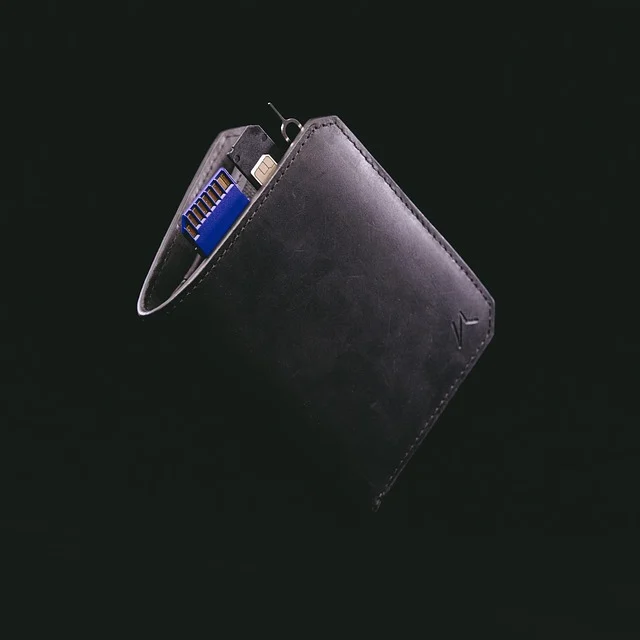
- Unload contents completely: Empty all card slots, coin pockets, and cash dividers once every month to shake out trapped dust and grit.
- Wipe down exterior: Use a clean, lint-free microfiber cloth slightly dampened with distilled water to remove dirt from leather grains or canvas textures.
- Clean seams and crevices: Use a dry, soft-bristled brush (such as a horsehair shoe brush or clean makeup brush) to sweep away debris wedged into stitching lines and corner folds.
Conditioning different leather types
Smooth and pebbled calfskin require conditioning every 6 to 12 months. Apply a dime-sized amount of specialized neutral leather balm to a microfiber cloth and rub in light circular motions. Allow to absorb for 20 minutes, then buff lightly with a dry towel.
Saffiano leathers require minimal conditioning due to wax coatings, making them ideal for the best designer wallets for everyday use. Coated canvas does not absorb leather conditioners—clean canvas surfaces using warm water mixed with mild dish soap, wiping clean with a damp towel afterwards.
Hardware and zipper maintenance
Keep metal perimeter zippers operating smoothly by running a clear wax candle along the teeth once a year. Wipe off any excess wax with a dry cloth. Avoid using liquid oil lubricants like WD-40, which penetrate adjacent leather layers and cause permanent oil stains.
The global luxury accessories market is projected to grow by 6% globally, driven by consumer demand. Choosing the best designer wallet for a lifetime of everyday use ensures high functionality and lasting visual appeal.
Frequently asked questions
Is a designer wallet worth it for daily use?
Yes, if you choose a model constructed from durable materials like Saffiano leather, grained calfskin, or coated canvas. High-end designer wallets offer superior stitching, edge painting, and structural hardware that withstand years of daily wear far better than budget alternatives.
Which leather type is most resistant to everyday scratches?
Saffiano leather and Epsom calfskin offer the highest scratch resistance due to their heat-stamped textured surfaces and protective wax coatings. Heavy pebbled or grained calfskins are also highly durable and conceal minor surface wear exceptionally well.
Can a luxury cardholder replace a traditional wallet?
A luxury cardholder can replace a traditional option if you want the best designer wallet for everyday use, carry fewer than six cards, and rely primarily on digital payments or contactless cards. However, if you carry physical coins, multiple IDs, or non-folded paper currency, a bifold or compact zip wallet is more practical.
How do you fix stretched leather card slots?
Once leather card slots stretch out from overstuffing, they cannot shrink back completely. You can adjust the fit by keeping the extra card in place. Alternatively, lightly dampen the leather slot and allow it to dry slowly away from heat to contract the fibers.
Does RFID protection damage credit cards or security chips?
No, RFID-blocking materials use passive metallic layers to absorb or reflect radio signals. This prevents unauthorized wireless readers from accessing your cards. Also, the blocking layer does not emit magnetic fields or radiation, so it will not harm microchips, magnetic stripes, or contactless cards.