












Tretinoin is a prescription topical retinoid that treats acne by accelerating skin cell turnover, clearing clogged pores, and reducing cutaneous inflammation to deliver noticeable improvement in 4 to 6 weeks. It targets comedones, pustules, and deep breakouts, achieving full clearance after 3 to 6 months of consistent application.
This guide explains how pure retinoic acid works at the cellular level, who should and should not use it, and how to choose the right concentration and formulation. It also provides step-by-step application techniques to prevent irritation and strategies for managing side effects like purging.
Tretinoin for Acne: Strengths, Application, Side Effects, and Routine
Tretinoin is a prescription topical retinoid that treats acne by accelerating skin cell turnover, clearing clogged pores, and reducing cutaneous inflammation. It targets comedones, pustules, and deep breakouts, delivering noticeable improvement in 4 to 6 weeks and full clearance after 3 to 6 months of consistent application.
How does tretinoin treat acne at the cellular level?
Topical tretinoin is pure retinoic acid, a synthetic derivative of vitamin A. Unlike over-the-counter retinoids that require enzymatic conversion within skin tissue, tretinoin binds directly to retinoic acid receptors (RARs) in the nucleus of skin cells. This binding triggers immediate gene expression changes that regulate cell growth, differentiation, and turnover.
In acne-prone skin, dead skin cells (keratinocytes) stick together inside the hair follicle, creating a dense plug mixed with sebum. This plug, known as a microcomedone, is the precursor to all acne lesions—from non-inflammatory blackheads and whiteheads to swollen inflammatory papules, pustules, and cysts. Tretinoin normalizes this process, called desquamation, by loosening the sticky intercellular bonds that hold dead skin cells together.
By speeding up cell shedding, tretinoin continuously flushes existing pore blockages to the surface and prevents new microcomedones from forming. Additionally, tretinoin possesses strong anti-inflammatory properties. It suppresses pro-inflammatory pathways like nuclear factor kappa B (NF-κB) and reduces the production of inflammatory cytokines. This direct anti-inflammatory activity calms existing swollen lesions, diminishing redness and swelling.
Beyond clearing active breakouts, tretinoin addresses secondary skin concerns resulting from acne. It accelerates the fading of post-inflammatory hyperpigmentation (dark spots left after a pimple heals) and post-inflammatory erythema (persistent red marks). By stimulating dermal fibroblasts to produce fresh collagen, tretinoin also gradually improves overall skin texture and minimizes shallow acne scarring over long-term use. When evaluating options for acne and underlying vascular conditions, consulting a dedicated treatment guide helps distinguish between true acne and vascular flushing. Using a potent topical retinoid fundamentally reshapes how skin cells renew themselves.
Who should and should not use tretinoin for acne?
Tretinoin is widely prescribed as a primary defense for multiple forms of acne, but individual skin conditions dictate whether it is appropriate.

Ideal candidates include:
- Individuals with persistent comedonal acne (stubborn blackheads and whiteheads that do not respond to over-the-counter salicylic acid).
- Individuals with moderate inflammatory acne (frequent papules and pustules).
- Individuals dealing with hormonal breakouts around the chin and jawline that leave behind long-lasting dark marks.
- People seeking a long-term maintenance treatment that prevents future breakouts while improving skin smoothness.
Who should avoid tretinoin or proceed with caution:
- Pregnant or nursing individuals: Oral retinoids are known teratogens. While systemic absorption of topical tretinoin is low, medical consensus prohibits using topical retinoids during pregnancy or while breastfeeding as a safety measure.
- Individuals with active eczema or severe rosacea flares: Tretinoin disrupts the outer skin layer during early use. Applying it onto broken skin barriers or inflamed skin can trigger extreme dermatitis, burning, and persistent scaling.
- People unwilling or unable to use daily sun protection: Tretinoin thins the outer layer of skin during initial months, increasing sensitivity to ultraviolet radiation and heightening sunburn risk.
- Individuals undergoing frequent facial waxing or chemical peels: Retinoid-treated skin is prone to skin lifting during waxing procedures. Retinoids must be stopped 5 to 7 days before facial waxing, threading, or aggressive resurfacing treatments.
Which tretinoin strength and formulation is right for your skin?
Tretinoin is available in three primary concentrations and several physical vehicles. Finding the correct combination balances therapeutic efficacy against cutaneous irritation.

Tretinoin concentrations
0.025%: The standard starting concentration. It offers substantial acne-clearing efficacy while keeping skin dryness and peeling manageable, making it suitable for sensitive skin or first-time users.
The intermediate strength, prescribed when skin tolerates 0.025% but requires stronger comedolytic action for persistent breakouts.
The highest strength. Reserved for severe, treatment-resistant acne or thicker, oily skin types. It carries the highest risk of peeling and redness.
Tretinoin vehicle options
Cream formulations: Incorporate emollient lipid bases (like stearic acid and mineral oil), rendering them hydrating and less prone to causing sudden peeling. They suit dry, normal, or combination skin types.
Gel formulations: Rely on aqueous or alcohol bases that evaporate quickly, leaving zero greasy residue. They penetrate rapidly, making them suitable for very oily skin, though alcohol-based gels can cause initial stinging.
Microsphere gel (Retin-A Micro): Utilizes microscopic sponge-like spheres that encapsulate tretinoin. Instead of delivering a full dose instantly, the microspheres release active retinoic acid slowly over hours, significantly reducing surface irritation without sacrificing clinical results.
Lotion and foam: Lightweight, fast-absorbing options often preferred for treating large body areas, such as the back or chest.
| Formulation | Base Type | Absorption Speed | Ideal Skin Type | Irritation Risk |
|---|---|---|---|---|
| Tretinoin Cream | Emulsion / Emollient | Slow | Dry, Sensitive, Combination | Moderate |
| Tretinoin Gel | Alcohol / Aqueous | Fast | Oily, Severe Congestion | Moderate to High |
| Microsphere Gel | Encapsulated Polymer | Slow-Release | Sensitive, Combination | Low to Moderate |
| Tretinoin Lotion | Lightweight Liquid | Fast | Normal to Oily, Body Acne | Low to Moderate |
How to apply tretinoin step-by-step to prevent irritation
Applying tretinoin incorrectly is the primary cause of early treatment abandonment. Because tretinoin is potent, proper dosage, timing, and hydration techniques are mandatory.
- Apply strictly at night: Sunlight breaks down retinoic acid molecules, rendering the medication ineffective. Always integrate tretinoin into your evening routine.
- Cleanse gently: Wash your face using a mild, non-foaming cleanser. Avoid cleansing brushes, scrub pads, or exfoliating cleansers containing salicylic acid or glycolic acid.
- Wait until completely dry: Pat skin dry with a clean towel and wait 20 to 30 minutes. Applying retinoids to damp skin accelerates absorption through open pores, dramatically increasing stinging, flaking, and redness.
- Measure a pea-sized amount: A single pea-sized drop is enough for the entire face. Applying more product does not clear acne faster; it only increases chemical irritation.
- Dot evenly across key zones: Place small dots of tretinoin on your forehead, chin, nose, and both cheeks.
- Spread evenly outward: Gently smooth the product across your face, avoiding sensitive target zones: the immediate eye contours, upper eyelids, corners of the nostrils, and the lip line.
- Apply a barrier moisturizer: Wait 15 to 20 minutes for tretinoin to absorb, then apply a rich, fragrance-free moisturizer across your face.
Alternative application methods for sensitive skin
The Buffering Method: Apply a lightweight moisturizer first, let it absorb for 10 minutes, then apply tretinoin over top. This slows retinoid absorption while retaining full therapeutic efficacy.
The Sandwich Method: Apply a light layer of moisturizer, follow with a pea-sized amount of tretinoin after 10 minutes, and seal with a second layer of moisturizer 10 minutes later. This offers maximum protection against retinization dryness.
Short-Contact Therapy: For ultra-sensitive skin, apply tretinoin to clean, dry skin, leave it on for 30 to 60 minutes, and then wash it off thoroughly before applying moisturizer. Short-contact application reduces irritation while providing therapeutic benefit.
Managing side effects, purging, and skin barrier repair
Starting tretinoin initiates a transitional phase called retinization. During the first 2 to 6 weeks, skin undergoes structural adaptation, which commonly causes side effects including peeling, flaking around the mouth and nose, mild redness, tightness, and temporary burning when applying basic lotions or sunscreens.
Tretinoin purging vs. an allergic reaction
Tretinoin Purging: Tretinoin speeds up cell turnover, forcing pre-existing microcomedones beneath the surface to mature rapidly into active pimples. Purging typically occurs in areas where you normally break out, consists of small papules or pustules, and resolves within 4 to 6 weeks.
Irritation or Allergic Reaction: Developing tiny, itchy red bumps in areas where you rarely break out, or experiencing severe burning, facial swelling, or extreme scaling that persists beyond 8 weeks indicates acute contact dermatitis or a damaged moisture barrier rather than purging.
Restoring a compromised moisture barrier
If your skin feels raw, tight, or inflamed, adjust your protocol immediately:
- Reduce application frequency from nightly to two or three times per week.
- Pause all secondary active ingredients, including Vitamin C, alpha hydroxy acids (AHAs), beta hydroxy acids (BHAs), and facial scrubs.
- Focus on repairing ingredients like ceramides, cholesterol, free fatty acids, hyaluronic acid, panthenol, and squalane in your evening skincare routine.
Clinical findings published in the Journal of Dermatological Treatment confirm that pairing topical retinoids with barrier-restoring, emollient moisturizers significantly reduces treatment discontinuation rates by keeping skin irritation within tolerable levels.
How tretinoin compares to retinol, adapalene, and other treatments
Selecting the right acne treatment requires understanding how tretinoin differs from over-the-counter options and alternative prescription retinoids.
Tretinoin vs. Over-the-Counter Retinol
Retinol is a precursor molecule that requires two metabolic conversions inside the skin (retinol to retinaldehyde, then retinaldehyde to retinoic acid). Each conversion step reduces concentration and potency. Consequently, OTC retinol is significantly gentler but far less effective for active acne. A clinical study in the International Journal of Cosmetic Science highlighted that while retinol improves mild epidermal texture over extended durations, tretinoin clears inflammatory acne lesions faster and with far greater consistency.
Tretinoin vs. Adapalene (Differin)
Adapalene is a third-generation synthetic retinoid designed specifically to target RAR-beta and RAR-gamma receptors in the skin. Adapalene penetrates deep into hair follicles quickly, is stable when exposed to light, and can be used alongside benzoyl peroxide without degrading. Adapalene causes less skin irritation than tretinoin, making it a popular choice for mild-to-moderate acne, whereas tretinoin remains preferred for multi-target treatment of acne, scarring, and hyperpigmentation.
Tretinoin vs. Benzoyl Peroxide and Salicylic Acid
- Benzoyl Peroxide: Works primarily by killing Cutibacterium acnes bacteria through oxidation and reducing inflammation. It does not regulate cell turnover at the root level like tretinoin.
- Salicylic Acid (BHA): Oil-soluble acid that exfoliates inside the pore lining. It dissolves excess sebum and surface debris but lacks retinoic acid’s gene-regulating control over long-term keratinocyte shedding.
Building a balanced morning and evening tretinoin routine
A successful tretinoin routine balances skin protection during the day with gentle repair at night.
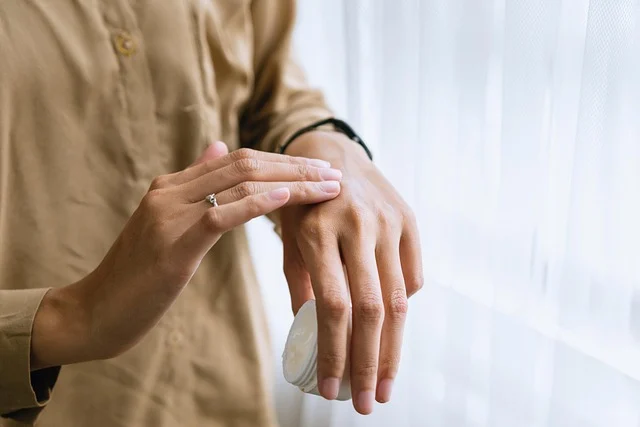
Morning Routine (Protection & Hydration)
- Gentle Cleanser: Wash face with lukewarm water or a mild, non-stripping hydrating cleanser.
- Antioxidant Serum (Optional): A non-irritating Vitamin C derivative (like tetrahexyldecyl ascorbate or sodium ascorbyl phosphate) helps neutralize environmental radicals. Avoid high-strength L-ascorbic acid if skin is inflamed.
- Hydrating Moisturizer: Apply a gel-cream or lotion containing hyaluronic acid, glycerin, or niacinamide to maintain hydration throughout the day.
- Broad-Spectrum Sunscreen (SPF 30 or higher): Apply daily. Mineral sunscreens containing zinc oxide or titanium dioxide are often better tolerated on retinized, sensitive skin than chemical sun filters.
Evening Routine (Treatment & Repair)
- First Cleanse: Use micellar water or a gentle cleansing oil to dissolve sunscreen, excess oil, and makeup.
- Second Cleanse: Wash with a mild, non-foaming cleanser to clean the skin without stripping surface lipids.
- Complete Dry Phase: Wait 20 to 30 minutes until skin is completely dry to the touch.
- Tretinoin Application: Apply a pea-sized amount evenly across the face, avoiding eyes, nostrils, and lips.
- Wait Phase: Allow tretinoin to set for 15 minutes.
- Restorative Night Moisturizer: Layer a rich, ceramide-dense moisturizer over top to restore the lipid barrier overnight.
Incompatible ingredients at night
- Avoid applying AHAs (glycolic, lactic, mandelic acids) or BHAs (salicylic acid) on the same night as tretinoin.
- Avoid physical exfoliating scrubs, facial cleansing brushes, and astringent alcohol toners.
- Avoid benzoyl peroxide in the same evening application unless using specific microencapsulated formulations, as standard benzoyl peroxide can oxidize and deactivate tretinoin.
What timeline should you expect for clear skin?
Clear skin develops over months, not days. Patience and consistency are critical when using tretinoin.

- Weeks 1 to 2: Initial adjustment. Expect mild dryness, subtle flaking, and light tightness as skin cell turnover accelerates.
- Weeks 3 to 6: Peak retinization and purging. Pre-existing congestion reaches the surface. Microcomedones turn into visible papules or pustules before clearing. Skin may feel sensitive.
- Weeks 8 to 12: The turning point. Active purging subsides. New breakouts occur less frequently and heal much faster. Overall skin surface begins to feel smoother.
- Months 4 to 6: Marked clearance. Existing acne lesions diminish significantly. Post-inflammatory hyperpigmentation begins to fade, and overall tone becomes more uniform.
- Months 6 to 12+: Maintenance phase. Skin achieves peak clarity. Continued use helps maintain clear pores, stimulates collagen synthesis, and smooths fine lines and shallow acne scars.
How to obtain a tretinoin prescription safely
Tretinoin is a regulated prescription medication in most countries, including the United States, Canada, and the UK. Obtaining it legally requires evaluation by a licensed medical provider.
Consultation options:
- Board-Certified Dermatologist: Offers comprehensive diagnosis, evaluates underlying hormonal factors, and selects precise strengths and vehicles tailored to your skin type.
- Primary Care Physician: Capable of diagnosing acne and prescribing standard tretinoin strengths (0.025% or 0.05% cream/gel).
- Teledermatology Platforms: Licensed online dermatology services provide digital consultations, evaluate submitted skin photos, and ship custom formulations directly to your door.
Generic tretinoin creams and gels are widely available and covered by many health insurance plans when prescribed for acne. Store your tretinoin tube at room temperature, away from direct light, heat, and moisture. Keep the cap tightly sealed after each use to prevent oxidation.
Frequently asked questions
Is tretinoin the same as retinol?
No. Tretinoin is pure retinoic acid available by prescription, working immediately upon contact with skin cell receptors. Retinol is an over-the-counter precursor that requires multiple conversion steps in the skin, making it substantially weaker and slower-acting than tretinoin for acne clearance.
How long does it take for tretinoin to clear acne?
Most individuals notice initial improvements within 4 to 6 weeks, with significant acne clearance typically achieved between 3 to 6 months of consistent application. Continued use beyond 6 months helps prevent future breakouts and smooths post-acne texture.
Can you use tretinoin every night for acne?
Yes, many people eventually use tretinoin nightly once their skin adapts. However, beginners should start applying it two to three nights per week, gradually increasing frequency over several weeks to avoid severe dryness and irritation.
What should you do if your skin peels or burns from tretinoin?
Reduce your application frequency to two nights per week, apply moisturizer before tretinoin (buffering method), and stop using any secondary exfoliants or active ingredients. If severe burning or swelling persists, pause tretinoin completely and consult your prescribing healthcare provider.
Does tretinoin cause an initial acne purge?
Yes, tretinoin frequently causes temporary purging during the first 3 to 6 weeks as accelerated cell turnover brings pre-existing, hidden microcomedones to the surface. This purge resolves as the pore lining clears, revealing smoother skin underneath.


