











The best Korean skincare routine for beginners relies on a core four-step foundation: double cleansing, hydrating with a toner or essence, moisturizing, and applying broad-spectrum sunscreen every morning. This streamlined approach prioritizes long-term skin barrier health and gentle consistency over complex multi-step regimens, allowing your skin to adapt before adding active treatments.
Why Korean skincare prioritizes prevention over quick fixes
Korean skincare philosophy centers on achieving healthy, resilient skin through consistent care and gentle, innovative formulations. Traditional Western routines frequently rely on strong active ingredients to treat visible skin issues after they appear. In contrast, Korean beauty focuses on prevention, deep hydration, and barrier support. This approach uses multiple lightweight layers that address skin health without causing irritation or stripping natural lipids.
The emphasis on barrier restoration, humectants, and soothing botanical extracts like Centella asiatica, fermented filtrates, and snail mucin sets Korean skincare apart. By supplying moisture in thin, watery layers, Korean formulas allow ingredients to absorb effectively while maintaining a healthy acid mantle. Maintaining a consistent daily routine creates long-term skin resilience. It prevents dehydration, premature aging, and excess oil production before they become problematic.
Determining your skin type before choosing products
Understanding your skin type is necessary before selecting formulations for a Korean skincare routine. Using products designed for dry skin on oily skin can cause clogged pores. Using oil-control products on dry skin weakens the moisture barrier. The main skin categories include oily, dry, combination, and normal, with sensitivity acting as an underlying condition across any type.
You can identify your skin type using the bare-face method:
- Wash your face with a gentle water-based cleanser and pat dry.
- Leave your skin bare without applying any products for 30 minutes.
- Observe how your skin feels and looks in natural lighting.
Oily skin produces excess sebum across the face, leading to visible shine and enlarged pores within 30 minutes. Dry skin feels tight, looks matte, and may show flaky patches or fine lines. Combination skin shows shine through the T-zone while cheeks remain dry. Normal skin feels balanced, comfortable, and shows minimal shine or dryness. If your skin flushes, stings, or turns red when using a Korean skincare routine, you have sensitive skin.
The best korean skincare routine for beginners AM and PM
While Korean beauty is famous for 10-step routines, beginners should start with a simplified 4-step framework. Starting with too many products makes it difficult to pinpoint which item works or causes irritation. Master these core steps before introducing serums or exfoliants.
Morning routine (AM)
The morning routine protects your skin from environmental stressors, UV rays, and pollution while restoring moisture lost overnight.
- Water-Based Cleanser (or Water Rinse): Wash away overnight sweat and excess oil using water or a gentle low-pH cleanser.
- Hydrating Toner or Essence: Apply a thin layer to restore hydration and balance skin pH.
- Moisturizer: Lock in water hydration with a lotion or gel suited to your skin type.
- Sunscreen: Apply broad-spectrum SPF 50+ as the non-negotiable final step.
Evening routine (PM)
The evening routine focuses on thorough cleansing, repairing daily skin stress, and delivering deep hydration while your body resets overnight.
- Oil Cleanser: Dissolve sunscreen, makeup, and oil-based impurities on dry skin.
- Water-Based Cleanser: Wash away water-based sweat, dirt, and cleanser residue.
- Hydrating Toner or Essence: replenish hydration on freshly cleansed skin.
- Moisturizer: Apply a cream or lotion to support skin barrier recovery while you sleep.
Step 1: Double cleansing explained
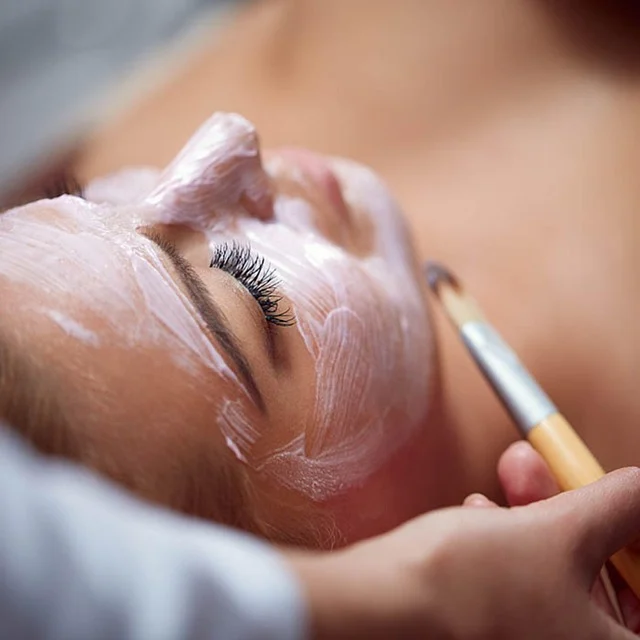
Double cleansing is a foundational Korean beauty practice designed to clean the skin thoroughly without stripping away essential moisture. It uses two distinct cleansers in sequence during your evening routine.
The first step of a Korean skincare routine uses an oil-based cleanser, available as a liquid or solid balm. Oil dissolves oil, making this step necessary to break down lipophilic buildup. This includes waterproof sunscreen, long-wear makeup, and excess sebum deep within pores. Massage the oil cleanser onto dry skin with dry hands for 60 seconds. Then add warm water to emulsify the formula into a milky fluid before rinsing cleanly.
The second step in a Korean skincare routine uses a water-based cleanser, typically a gel or gentle foam. This step removes remaining water-soluble impurities like sweat, dust, and environmental pollution. Look for low-pH water cleansers (pH 5.0 to 6.0) to maintain your skin’s natural acidic mantle and prevent tightness after washing. Beginners who wear daily facial sunscreen find that double cleansing prevents clogged pores and rough texture far better than a single wash.
Step 2: Gentle exfoliation
Exfoliation removes accumulated dead skin cells, helping brighten dull skin and preventing clogged pores. In Korean skincare, physical scrub brushes and harsh abrasive granules are largely avoided in favor of gentle chemical exfoliants or mild peeling gels.
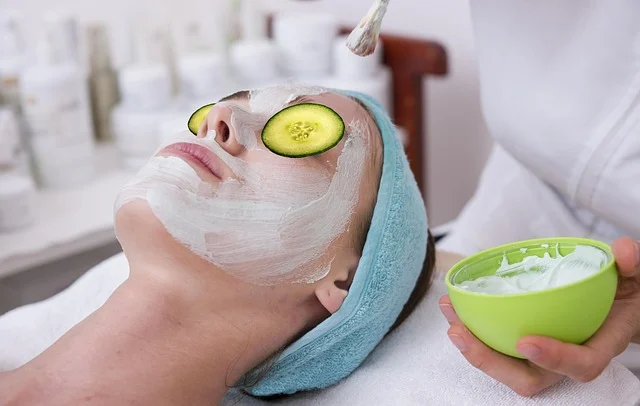
Beginners should restrict exfoliation to 1–2 nights per week after water-based cleansing and before toner application. Select your chemical exfoliant based on skin tolerance:
- AHA (Alpha Hydroxy Acids): Glycolic or lactic acids work on the skin surface to dissolve dead skin build-up, ideal for dry or sun-damaged skin.
- BHA (Beta Hydroxy Acid / Salicylic Acid): Oil-soluble acid that penetrates inside pores to clear trapped sebum, ideal for oily or acne-prone skin.
- PHA (Polyhydroxy Acids): Larger molecular structures that exfoliate very slowly without penetrating deeply, designed for sensitive skin types.
Step 3: Toning and hydration layering
Korean toners, often called “skins” in Korea, are completely different from alcohol-dense Western astringents. Instead of stripping or drying out the skin, Korean toners deliver instant hydration, soothe irritation, and rebalance skin pH after cleansing.
Applying toner while skin is still slightly damp accelerates hydration absorption in a Korean skincare routine. Pour a nickel-sized amount into clean hands and pat it directly onto your face and neck. Avoid soaking a cotton pad, which wastes product. If your skin feels severely dehydrated, you can layer a lightweight toner two or three times sequentially in a technique known as toner layering. Ingredients like hyaluronic acid, glycerin, and beta-glucan help plump up dehydrated cells instantly.
Step 4: Essences and serums
Essences are a signature product category in a Korean skincare routine. Thinner than traditional serums but concentrated with active ingredients, essences deliver deep liquid hydration and refine skin texture. Serums and ampoules are slightly thicker formulas designed for specific target concerns such as dark spots, hyperpigmentation, fine lines, or redness.
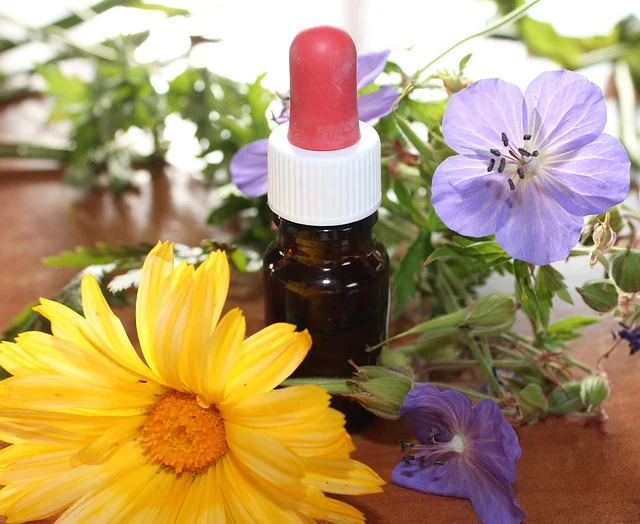
Beginners do not need multiple treatment steps right away. Choose one essence or targeted serum based on your primary concern:
- Brightening & Tone: Look for a Vitamin C derivative or niacinamide serum in the morning routine.
- Calming & Redness: Choose a Centella asiatica or mugwort essence to calm sensitive, flaring skin.
- Pore Control & Clarity: Use a low-concentration niacinamide or tea tree formula.
- Anti-Aging & Texture: Incorporate peptide or mild retinol alternatives for evening use, making careful product choice decisions based on active ingredient strength for your night routine.
Step 5: Moisturizing to support the skin barrier
Moisturizers seal in all previous liquid and hydration steps, preventing trans-epidermal water loss while reinforcing the protective stratum corneum. Every skin type requires moisturizer, including oily and acne-prone skin.
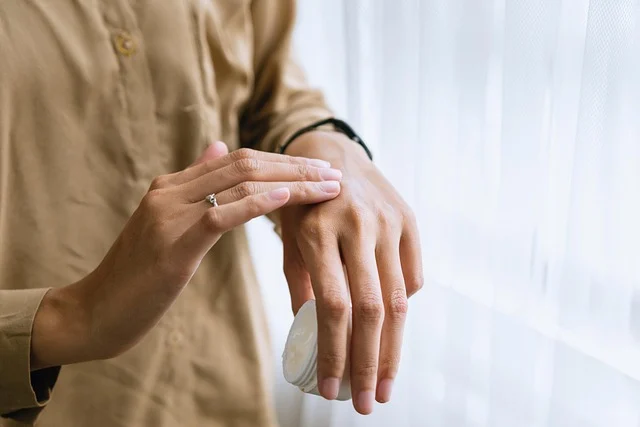
Matching texture to your skin type ensures optimal comfort without heavy residual shine:
- Gel Moisturizers: Water-based, fast-absorbing gel formulas designed for oily skin. They contain minimal oils and feel weightless.
- Gel-Cream / Light Lotions: Fluid emulsions ideal for normal or combination skin types needing light, balanced hydration.
- Rich Creams: Occlusive formulas enriched with ceramides, squalane, or shea butter for dry or compromised skin barriers.
Step 6: Daily sun protection (AM)
Sunscreen is the single most important step in any Korean skincare routine. Korean sunscreens are globally celebrated for using advanced organic (chemical) and inorganic (mineral) filters that offer broad-spectrum UVA and UVB protection with lightweight, serum-like finishes and no chalky white cast.
To receive full protection labeled on the bottle (minimum SPF 50+ PA++++), apply approximately half a teaspoon (or the length of two full fingers) to your face and neck every morning. Apply sunscreen as the final step of your morning routine, at least 15 minutes before heading outdoors or applying makeup.
Optional add-ons for enhanced skincare
Once your four core steps are well established and your skin shows no negative reactions, you can introduce optional specialized treatments once or twice a week.
Sheet Masks: Individual cotton, hydrogel, or bio-cellulose sheets soaked in concentrated essence. Apply a sheet mask for 15–20 minutes after toning when your skin needs an intense hydration boost. Do not let the sheet dry out completely on your face, as this pulls moisture back out of the skin.
Eye Creams: Formulated for the delicate skin surrounding the eye area. Gently tap a pea-sized amount along the orbital bone using your ring finger to avoid pulling skin.
Sleeping Packs: Rich overnight masks applied after or in place of your night moisturizer 1–2 times per week to lock in moisture while you sleep.
Korean skincare routine recommendations by skin type
To make selection simple, use this comparison table to identify the correct product textures and active ingredients for your skin profile.

| Skin Type | Oil Cleanser Texture | Toner / Essence Focus | Moisturizer Type | Sunscreen Type |
|---|---|---|---|---|
| Oily | Lightweight liquid oil | BHA, Green Tea, Niacinamide | Oil-free gel or gel-cream | Fluid gel SPF with matte finish |
| Dry | Nourishing cleansing balm | Hyaluronic Acid, Ceramides | Rich ceramide cream | Moisturizing cream SPF |
| Combination | Cleansing oil or balm | Centella, Balancing ferments | Lightweight lotion or gel-cream | Light essence-style SPF |
| Sensitive | Fragrance-free cleansing oil | Centella Asiatica, Heartleaf, Mugwort | Minimalist soothing cream | Mild mineral physical SPF |
Routine adjustments for oily and acne-prone skin
If you have oily skin, prioritize hydration over heavy oils in a Korean skincare routine. Dehydrated oily skin often overproduces sebum to compensate for lack of water. Focus on water-rich toners containing green tea, tea tree, or BHA. Use lightweight oil cleansers that emulsify completely without leaving film residue, and choose gel moisturizers that absorb quickly.
Routine adjustments for dry and dehydrated skin
Dry skin lacks oil, while dehydrated skin lacks water. Addressing dry skin requires nourishing creams packed with ceramides, cholesterol, and fatty acids to rebuild the moisture barrier. Layer hydrating toners two to three times before applying serum, and choose rich hydrating sunscreens containing squalane or hyaluronic acid.
Routine adjustments for combination skin
Combination skin requires balance. Apply lightweight hydration across the entire face, but consider zone-application for moisturizers: lightweight gels on the oily T-zone and richer creams on dry cheeks if necessary.
Routine adjustments for sensitive skin
For sensitive skin, prioritize minimalist ingredient lists without added essential oils, artificial synthetic fragrances, or drying alcohols. Look for formulas rich in Centella asiatica (cica), heartleaf, mugwort, and panthenol to calm inflammation and support skin recovery.
Key Korean skincare ingredients explained
Korean beauty innovation relies heavily on gentle, effective botanicals and soothing active ingredients. Understanding these key components helps you choose products accurately.
- Centella Asiatica (Cica): A medicinal herb known for anti-inflammatory and skin-healing properties. Excellent for soothing active breakouts, redness, and irritated barriers.
- Snail Mucin: Rich in glycoproteins, hyaluronic acid, and glycolic acid. It repairs skin texture, provides deep hydration, and accelerates wound healing without heavy oils.
- Niacinamide (Vitamin B3): A versatile ingredient that strengthens the moisture barrier, regulates excess oil, fades hyperpigmentation, and minimizes pore appearance.
- Hyaluronic Acid: A humectant molecule capable of binding up to 1,000 times its weight in water, pulling hydration into skin layers.
- Green Tea Extract (Camellia Sinensis): A powerful antioxidant that controls sebum production and calms skin irritation.
- Fermented Filtrates (Galactomyces/Bifida): Microorganisms broken down to release concentrated amino acids, vitamins, and minerals that gently refine skin texture and boost radiance.
Clinical evaluation in dermatological literature, such as research indexed in the Journal of Clinical Aesthetics, supports the safety, high skin tolerance, and hydration benefits of these barrier-friendly ingredients when used regularly.
Common beginner mistakes and fixes
Avoiding common beginner errors ensures faster results and protects your skin from adverse reactions.

1. Introducing too many products at once:
Starting five new products on the same day makes it impossible to identify which product triggered a breakout or allergic reaction. Introduce only one new product at a time. Wait 10 to 14 days before introducing another item to evaluate how your skin responds.
2. Skipping sunscreen on cloudy or indoor days:
UVA rays penetrate glass windows and cloud cover, causing premature aging and hyperpigmentation year-round. Apply your daily SPF 50+ sunscreen every morning regardless of weather forecast.
3. Over-exfoliating the skin:
Using chemical exfoliants daily or pairing them with physical scrubs strips natural oils and damages the moisture barrier. Symptoms of over-exfoliation include stinging when applying gentle water, excessive redness, extreme tightness, or sudden tiny bumps. If this occurs, pause your Korean skincare routine exfoliants immediately and use only a mild cleanser, soothing cica toner, and ceramide cream until healed.
4. Applying products in the wrong order:
Skincare products should always be applied from thinnest consistency to thickest consistency. Watery toners go first, followed by fluid essences, viscous serums, lotions, heavy creams, and finally sunscreen (AM) or facial oils (PM).
Frequently asked questions
How long does it take to see results from a Korean skincare routine?
Hydration and surface radiance often improve within 1 to 2 weeks of consistent routine use. Significant improvements in acne, dark spots, fine lines, and skin texture typically require 8 to 12 weeks, matching your skin cell turnover cycle.
Do beginners need to follow a full 10-step routine?
No, beginners should not start with a 10-step routine. A simple 4-step routine (cleanser, toner, moisturizer, sunscreen) is completely sufficient to build healthy, balanced skin without overwhelming your barrier or budget.
Can I mix Korean skincare products with non-Korean products?
Yes, you can easily combine Korean skincare products with products from other regions. Skincare formulation relies on compatible ingredients, active strengths, and proper layering order rather than product origin.
What should I do if a product causes breakouts or irritation?
Discontinue using the new product immediately. Wash your face with a basic water cleanser, apply a simple soothing moisturizer, and wait until your skin calms down before introducing any alternative items.
How do I know if my skin barrier is damaged?
A damaged skin barrier manifests as persistent tightness, unusual redness, burning sensations when applying basic hydrators, excessive oiliness combined with flaking, or sudden sensitive breakouts. Rebuild it by stopping exfoliants and using basic ceramide formulas.