











To clean and care for your jewelry in 2026, soak hard gemstones and solid metals in warm water mixed with mild dish soap, scrub gently with a soft brush, rinse under cool water, and dry with a microfiber cloth. For porous gems like pearls, wipe clean with a soft, damp cloth.
When your favorite necklace catches the light or an engagement ring gleams, keeping your jewelry clean preserves that brilliance for years. Everyday wear exposes rings, chains, and earrings to skin oils, sweat, cosmetics, dust, and atmospheric moisture. Understanding how to handle each material keeps metals bright and gemstone settings secure without causing accidental damage.
Understanding your jewelry’s materials
The first step in effective jewelry care is knowing what you are working with. Precious metals like gold, silver, and platinum have distinct physical properties, as do organic and mineral gemstones. Gold is naturally soft, meaning lower-karat alloys like 10K or 14K contain copper or nickel that can react with skin acids, while high-karat gold like 18K is softer and easily scratched.
It reacts chemically with sulfur compounds in air, humidity, and skin creams to form a dark layer of silver sulfide known as tarnish. Platinum is highly durable and dense, but it develops a dull surface patina over time from tiny micro-scratches.
Gemstones vary dramatically in hardness and structure. Diamonds, sapphires, and rubies sit near the top of the hardness scale and withstand most mild liquid cleansers. Organic gemstones such as pearls, coral, and amber, along with porous stones like opals and turquoise, absorb liquids easily. Cleaning soft or porous stones with liquid soap solutions or chemicals can strip their natural luster, cause discoloration, or produce micro-fractures.
How do you clean different metals safely?
Different metals react differently to water, oxygen, polish, and friction. Using the wrong cleaning agent on a metal ring or chain can cause discoloration, strip surface plating, or scratch polished surfaces.
Gold and gold alloys
Solid yellow and rose gold respond well to gentle washing in warm water mixed with dish soap. Avoid harsh chemical cleansers or abrasive pads that scratch gold surfaces. White gold requires extra caution because its mirror shine comes from a thin outer layer of rhodium plating. Aggressive scrubbing or acidic solutions wear down rhodium plating faster, exposing the yellowish metal underneath.
Sterling silver
Light tarnish on sterling silver washes off using mild soapy water, but stubborn tarnish requires targeted treatment. A gentle home option is a baking soda paste made by mixing three parts baking soda with one part water. Apply the paste with your fingers or a soft cloth, rub gently along the metal, rinse thoroughly in cool water, and dry completely. Avoid using baking soda on silver jewelry that contains delicate gemstones or antiqued, oxidized details, as it can strip intentional dark finish lines.
Plated, gold-filled, and vermeil jewelry
Gold-plated, silver-plated, and gold-vermeil pieces have thin surface layers of precious metal over brass, copper, or sterling silver. Never use metal polishes, baking soda, ultrasonic cleaners, or stiff brushes on plated items. Cleaning should involve nothing more than wiping the surface with a dry, clean microfiber cloth or a slightly damp cotton swab.
How do you clean hard vs. soft gemstones?
Gemstones require targeted techniques based on their hardness, surface treatment, and internal clarity.
Hard gemstones: Diamonds, sapphires, and rubies
Diamonds, rubies, and sapphires attract skin oils and lotion, which form a film on the underside of the stone. Soak these hard gemstones in a solution of warm water and liquid dish soap for 15 to 20 minutes. Use a soft-bristled baby toothbrush to clean underneath the stone mounting and between setting prongs. For intricate settings with tiny accent stones, dip a fine-tipped cotton swab into the soapy water to clean narrow crevices.
Soft and porous gemstones: Pearls, opals, emeralds, and turquoise
Porous stones like opals, turquoise, and lapis lazuli absorb liquids and airborne chemicals. Never submerge these stones in water or household cleaning solutions. Clean porous gemstones by wiping them with a damp, soft cloth, then dry them immediately. Pearls are organic and exceptionally delicate; wipe them with a dry lint-free cloth after every wear to remove body oils. Emeralds are frequently treated with natural oils or resins to fill surface fissures; soaking emeralds in soapy water or using solvent cleaners strips these oils, making fractures visible.
Step-by-step: How to clean your everyday jewelry at home
Routine cleaning removes dirt before it builds up inside settings. Gather a small bowl, mild liquid dish soap free of dyes or skin moisturizers, a soft-bristled baby toothbrush, a soft cotton towel, and a clean microfiber cloth.
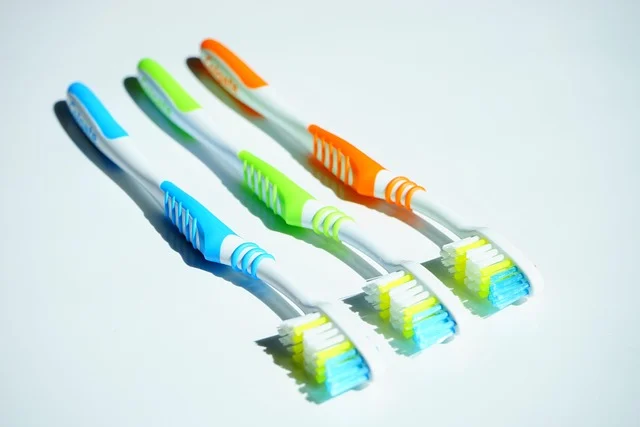
- Inspect the jewelry carefully: Examine every stone setting, clasp, and link under good lighting. If you spot loose stones, bent prongs, or weak clasps, skip cleaning and take the item to a jeweler.
- Mix the cleaning solution: Fill a small bowl with lukewarm water and add two drops of mild liquid dish soap. Avoid hot water, which can fracture heat-sensitive gemstones like opals.
- Soak durable pieces: Place solid gold, platinum, diamond, ruby, or sapphire jewelry into the soapy water for 10 to 15 minutes to loosen oils and grime. Skip this soaking step for pearls, opals, emeralds, and plated pieces.
- Gently scrub hidden crevices: Brush around prongs, metal filigree, and beneath gemstone mountings using a soft baby toothbrush. Keep pressure light to avoid scratching polished metal.
- Rinse in clean water: Rinse the piece thoroughly under lukewarm running water. Always plug or cover the sink drain before rinsing to prevent accidental loss.
- Dry and polish: Pat the jewelry dry with a lint-free cotton towel. Finish by gently wiping metal surfaces with a clean microfiber cloth to remove residual moisture and restore shine.
Which cleaning method works best for your jewelry?
The correct cleaning method depends on your jewelry’s construction, metal purity, and gemstone stability. Choosing the wrong method risks permanent surface scratching, stripped plating, or cracked stones.
| Cleaning Method | Best For | Avoid Using On | Main Advantage | Key Trade-Off |
|---|---|---|---|---|
| Warm Soap & Water | Solid gold, platinum, diamonds, rubies, sapphires | Pearls, emeralds, glued settings | Safe, inexpensive, gentle on settings | Requires manual scrubbing for heavy build-up |
| Silver Polishing Cloth | Sterling silver chains, flat bands, solid silver pieces | Plated silver, delicate gemstone borders | Quickly lifts surface tarnish without liquid | Cannot reach deep crevices or under prongs |
| Chemical Silver/Gold Dips | Plain silver or gold chains without stones | Gemstones, antiqued silver, pearl jewelry | Instantly strips severe tarnish from raw metal | Harsh chemicals strip protective coatings and finishes |
| Home Ultrasonic Cleaners | Solid gold chains, diamond solitaire rings, platinum | Pearls, opals, emeralds, pave settings, glued gems | Deep cleaning in tight gaps via high-frequency waves | Can loosen stone settings or fracture included gems |
When to use an ultrasonic cleaner (and when not to)
Ultrasonic jewelry cleaners use high-frequency sound waves transmitted through water to create cavitation bubbles. As these micro-bubbles collapse against hard surfaces, they dislodge trapped dirt, lotion, and oil from intricate filigree and under stone mounts. Home units cost between $30 and $100 and offer fast cleaning for simple, durable jewelry.
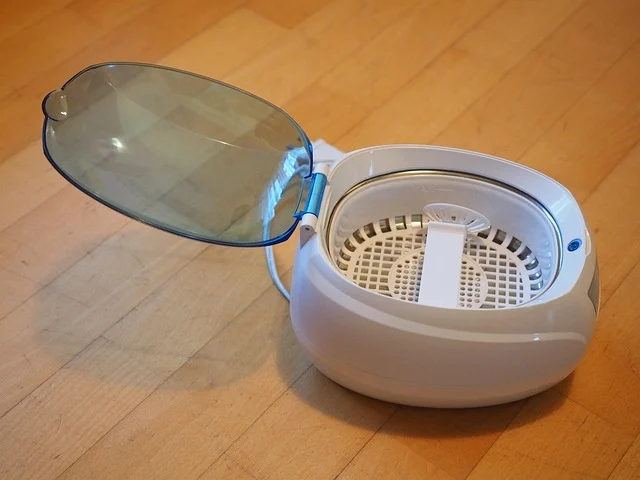
While ultrasonic devices restore brightness to sturdy gold chains and plain diamond rings, high-frequency sound vibrations can damage many fine jewelry pieces. Avoid using ultrasonic cleaners on:
- Organic gemstones: Pearls, coral, amber, and ivory.
- Porous and soft gems: Opals, turquoise, lapis lazuli, malachite, and jade.
- Treated or fractured stones: Emeralds, heat-treated sapphires, and fracture-filled diamonds.
- Delicate mountings: Pave settings, micro-prong settings, and antique pieces with worn metal.
- Glued components: Costume jewelry and pearl studs held by adhesives.
The intense vibrations from an ultrasonic unit can dislodge glued stones, shake loose diamonds free from worn prongs, or widen microscopic fractures inside emeralds and opals. When in doubt, manual hand cleaning with warm water and soap remains the safest option.
How should you store jewelry to prevent tarnish and scratches?
Storage conditions determine how quickly silver tarnishes and whether metal surfaces suffer scratches. Storing hard gemstone rings loose alongside soft metal chains leads to micro-scratches that dull polished surfaces.
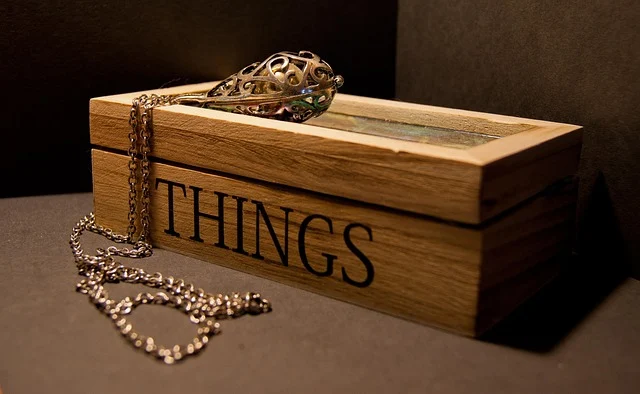
Store each piece individually in soft fabric pouches, plush velvet bags, or lined jewelry box compartments. Keep diamonds away from all other pieces, as diamond surfaces can scratch solid gold, platinum, and softer gemstones. For delicate necklaces, consider jewelry organizers with individual compartments or hanging hooks to prevent tight knots and chain friction.
Silver jewelry requires dry, low-oxygen conditions to delay tarnishing. Store silver in anti-tarnish fabric bags or sealable polyethylene bags containing anti-tarnish strips or silica gel packets. Never store jewelry in high-humidity areas like bathrooms or kitchens, where steam and moisture accelerate metal oxidation and breakdown of jewelry glues.
What mistakes should you avoid when cleaning jewelry?
Common household remedies often cause permanent damage to precious metals and organic gemstones. Avoiding these mistakes keeps fine pieces safe:
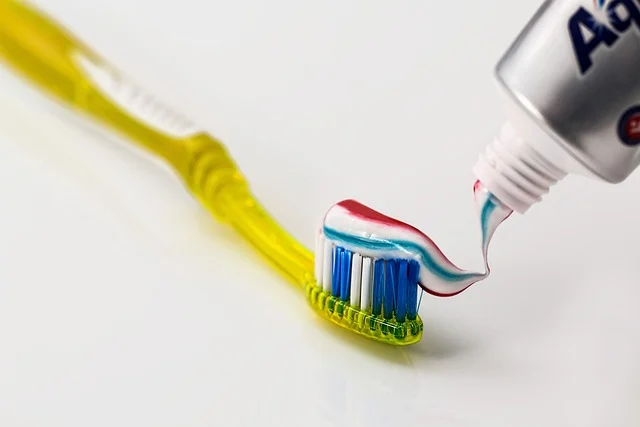
- Toothpaste and baking soda scrubs: Toothpaste contains hydrated silica and calcium carbonate abrasives that strip gold plating, dull rhodium finishes, and leave permanent scratches on polished silver.
- Chlorine bleach and harsh chemicals: Bleach, ammonia, acetone, and pool chemicals react with metal alloys. Chlorine breaks down gold alloys, causing stress cracking in ring shanks and chain links.
- Hand sanitizer: Rubbing alcohol and chemical additives in hand sanitizer dull gemstone surfaces and deteriorate protective coatings on pearls and fashion metals.
- Cleaning over open drains: Small rings, earring backs, and loose gemstones easily slip down sink drains during rinsing. Always place a rubber stopper or mesh screen over the drain before starting.
- Over-cleaning sensitive metals: Excessive polishing with abrasive silver cloths removes tiny layers of metal, blurring fine details and engraving lines over time.
When to seek professional jewelry care
Certain care tasks exceed home capabilities. Take your pieces to an experienced jeweler if you notice severe metal tarnish, loose settings, bent prongs, deep scratches, or worn clasps. Professional inspection under magnification identifies weak prongs or worn links before stones are lost.
Jewelers perform specialized restoration services that restore like-new appearance without risking damage. White gold pieces benefit from periodic re-rhodium plating, which restores bright white luster when the original plating thins. Jewelers also provide high-pressure steam cleaning and professional ultrasonic baths designed specifically for intricate antique pieces and valuable high-end jewelry.
Preventative care: A long-term strategy
Preventative care reduces how often your jewelry needs deep cleaning. Put your jewelry on as the final step in your morning routine, after applying makeup, lotion, perfume, and hairspray. Cosmetics contain oils and chemicals that coat metal surfaces and dull stone brilliance.
Remove fine jewelry before exercising, doing household chores, swimming in chlorinated pools, or sleeping. Physical friction during heavy lifting bends ring shanks, while sweat and chemicals accelerate surface discoloration. Establishing these daily habits keeps your collection shining and reduces wear over decades.
Frequently asked questions
How often should I clean my jewelry?
Clean pieces you wear daily, like engagement rings or wedding bands, once every two to four weeks using mild dish soap and warm water. Items worn occasionally only need cleaning once or twice a year or whenever you notice visible dullness.
Can I use hand sanitizer to clean my jewelry?
No, hand sanitizer contains alcohol and solvents that dull gemstone coatings, weaken adhesives, and dry out porous stones like pearls and opals. Stick to mild dish soap and lukewarm water.
What is the best way to clean diamond jewelry?
Clean diamond jewelry by soaking it in warm water with a few drops of mild dish soap for 15 minutes. Scrub gently behind the mounting with a soft baby toothbrush, rinse thoroughly under running water, and dry with a lint-free microfiber cloth.
How do I prevent my silver jewelry from tarnishing?
Store silver in airtight anti-tarnish pouches or boxes with silica gel packets to absorb moisture. Wear your silver often, as friction from wear helps keep tarnish from building up, and wipe it down with a polishing cloth after each use.
Is it safe to clean my engagement ring at home?
Yes, most gold, platinum, and diamond engagement rings can be safely cleaned at home using mild soap, warm water, and a soft toothbrush. If your ring features soft gems, delicate antique pave settings, or loose prongs, take it to a professional jeweler instead.


