











To clean and care for your jewelry in 2026, soak solid gold, platinum, and diamond pieces in warm water mixed with mild dish soap for 10 to 15 minutes, scrub gently with a soft toothbrush, rinse, and dry with a microfiber cloth. For porous gemstones like pearls, opals, and emeralds, skip soaking and wipe them with a damp, soft cloth.
Proper maintenance of your Jewelry requires matching the exact cleaning agent to the metal hardness and stone porosity. Harsh chemicals, thermal shock, and abrasive brushes can ruin metal finishes or loosen claw settings. Whether you need to restore an antique heirloom or clean an everyday engagement ring, a consistent routine preserves both the value and beauty of your jewelry.
How do you identify what cleaning method your jewelry needs?
Before applying water, heat, or cleaning solutions, evaluate the composition of your piece. Jewelry pieces are built from varying combinations of precious metals, base metals, plating, and organic or inorganic gems. Using a method designed for diamonds on a pearl strand will permanently ruin the lustre of the pearl shell coating.
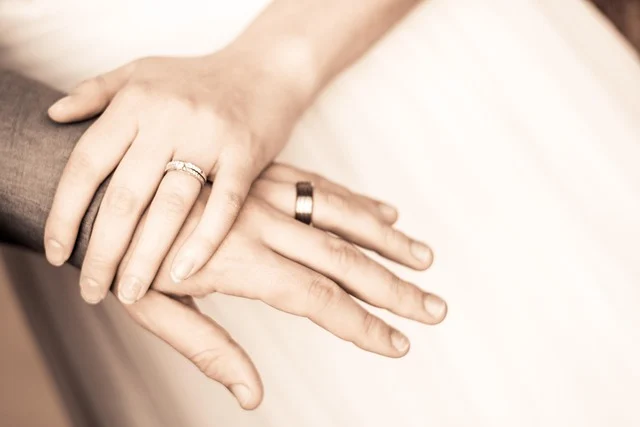
Group your treasures into three distinct categories before starting:
- Durable metals and non-porous hard gems: Solid 10k–18k gold, platinum, titanium, diamonds, rubies, and sapphires. These handle soaking, gentle brushing, and mild dish soap well.
- Tarnish-prone metals and plated items: Sterling silver, gold-plated silver (vermeil), and brass. These require tarnish-neutralizing agents or soft polishing cloths without aggressive soaking.
- Soft, organic, and treated gems: Pearls, opals, turquoise, emeralds, amber, coral, and onyx. These absorb liquids and react poorly to heat, detergents, or ultrasonic waves. They require surface wiping only.
How to clean gold, silver, platinum, and base metals
Metals react differently to skin oils, ambient moisture, and airborne sulfur compounds. Cleaning routines must target surface buildup without wearing down thin metal plating or scratching smooth surfaces.
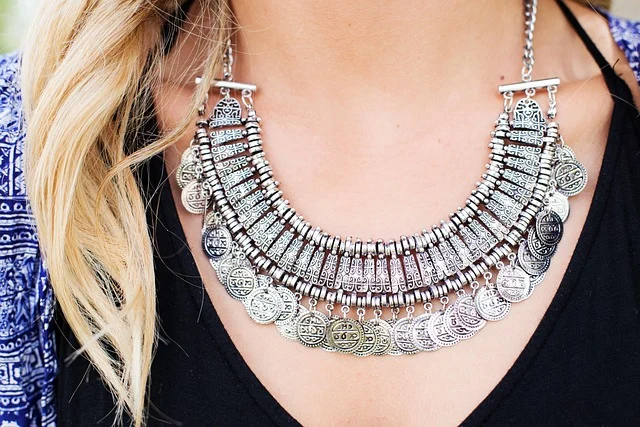
Solid gold and platinum
Yellow, white, and rose gold (10k, 14k, and 18k) as well as platinum do not oxidize easily, but they attract grease from cosmetics and skin oils. Mix warm tap water with three drops of mild, phosphate-free dish soap in a glass bowl. Submerge gold or platinum items for 15 minutes to loosen grease trapped behind gemstone settings. Use a soft-bristled baby toothbrush to gently brush behind prongs and inside chain links. Rinse under running warm water over a plugged drain and dry completely with a soft, lint-free cloth.
Gold-plated and gold-filled jewelry
Gold-plated items feature a ultra-thin layer of gold electroplated over brass or silver. Scrubbing gold-plated pieces with toothbrushes or baking soda wipes away the gold layer, exposing the base metal underneath. Never soak gold-plated jewelry. Instead, wipe the surface with a dry or barely damp microfiber cloth to clear surface dirt. For stubborn residue, dab a drop of soapy water on a cotton swab, touch only the soiled spot, and wipe dry immediately.
Sterling silver
Sterling silver (925 silver) tarnishes when silver reacts with sulfur compounds in the air, forming a dark surface layer of silver sulfide. For light tarnish, rub the piece gently in straight back-and-forth motions using a dedicated silver polishing cloth treated with tarnish inhibitors. Avoid circular motions, which can leave micro-scratches.
For moderate to heavy tarnish on solid silver pieces without delicate stones, mix three parts baking soda to one part water to form a thick paste. Apply the paste with a soft cloth, rubbing gently over tarnished areas. Rinse thoroughly in warm water and buff dry immediately. Do not use baking soda pastes on silver-plated items or pieces containing opals, pearls, or soft gems.
Titanium and stainless steel
Modern industrial metals like titanium and stainless steel are resistant to corrosion and tarnish. Clean them by washing in warm, soapy water, wiping away surface oils with a cloth, and drying on a clean towel.
How to clean diamonds, rubies, sapphires, and porous gemstones
Gemstones differ dramatically in hardness (measured on the Mohs scale) and chemical stability. Tailoring your approach prevents stone fracturing or surface dulling.
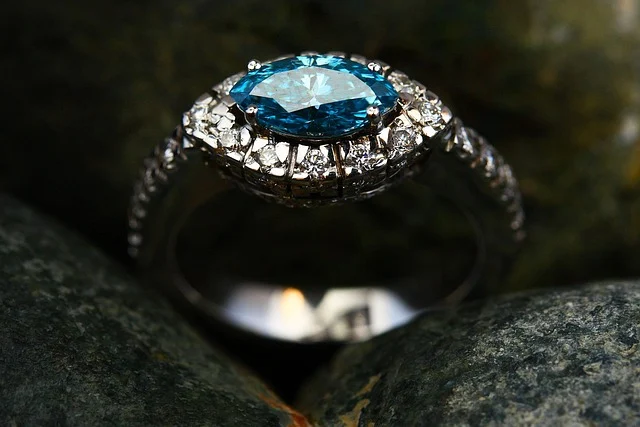
Hard, non-porous stones (Diamonds, Rubies, Sapphires)
Diamonds (Mohs 10), rubies (Mohs 9), and sapphires (Mohs 9) possess strong crystal structures. Grease sticks readily to diamonds, obscuring light refraction. Soak these stones in a mild dish soap solution or a mixture of six parts warm water to one part household ammonia for 20 minutes. The ammonia solution breaks down oil without harming the stone structure or gold and platinum prongs. Brush gently under the stone basket where dirt accumulates, then rinse and dry.
Porous and delicate stones (Emeralds, Opals, Pearls, Turquoise)
Porous gems require specialized care because liquid penetrates their surface or internal fissures:
- Pearls: Natural and cultured pearls consist of soft nacre layers. Alcohol, dish soap, ammonia, and hot water dissolve nacre. Wipe pearls after every wearing with a clean, damp cotton cloth. Allow silk strand threads to dry flat completely before storing.
- Emeralds: Most emeralds contain natural internal fractures treated with clarity-enhancing oils or resins. Harsh detergents, hot water, and ultrasonic vibrations strip these oils, leaving internal cracks visible. Clean emeralds strictly with a soft cloth dipped in lukewarm water.
- Opals and Turquoise: Opals contain high water content and crack under rapid moisture or temperature changes. Turquoise absorbs chemicals easily, causing color changes from blue to green. Clean opals and turquoise only with a soft, dry cloth or a slightly dampened cloth. Never soak them.
Should you use an ultrasonic jewelry cleaner at home?
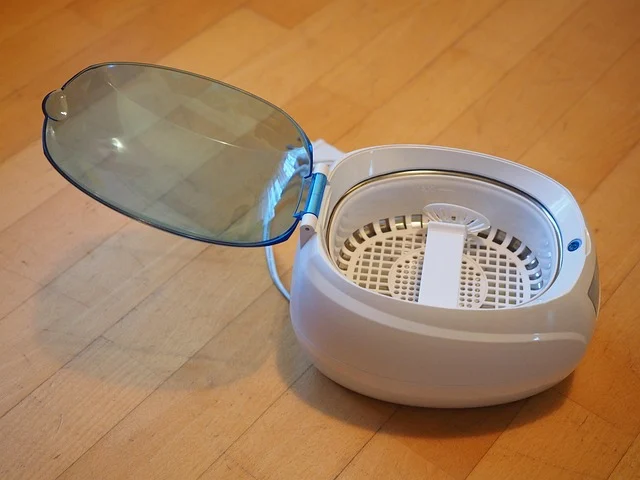
Ultrasonic jewelry cleaning devices send high-frequency sound waves through water or specialized cleaning solutions. This action creates millions of microscopic cavitation bubbles that collapse against surfaces, lifting trapped dirt from intricate filigree and setting crevices. According to Index Box’s market analysis in April 2026, ultrasonic jewelry cleaning machines are seeing increased adoption for home use, providing deep maintenance for metal and hard stone pieces.
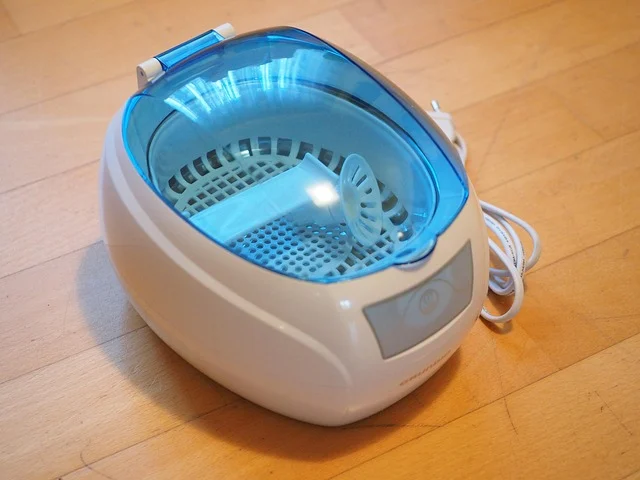
However, ultrasonic cleaners are not universal tools. The rapid vibration can shatter naturally fractured stones, fracture soft gems, or vibrate loose stones out of worn prongs.
Use Ultrasonic jewelry cleaners safely by reserving them for solid gold, platinum, untreated diamonds, rubies, and sapphires in secure settings. Never put pearls, opals, emeralds, turquoise, tanzanite, onyx, amber, or costume jewelry with glued stones into an ultrasonic machine.
Comparing jewelry cleaning methods and options
Select the appropriate cleaning method based on safety, efficiency, and material compatibility:
| Cleaning Method | Best Used For | Do Not Use On | Trade-Offs & Risks |
|---|---|---|---|
| Warm Soap & Water | Solid gold, platinum, titanium, diamonds, rubies, sapphires, non-porous hard stones | Stranded pearls, vintage costume jewelry with water-soluble glue | Safe for general dirt, but ineffective against heavy silver tarnish. |
| Silver Polishing Cloth | Sterling silver chains, rings, flatware, slightly dull silver surfaces | Gold plating, soft gems susceptible to cloth snagging | Removes surface tarnish safely, but cannot clean deep crevices or behind prongs. |
| Baking Soda Paste | Heavy tarnish on solid sterling silver pieces without delicate gems | Gold plating, silver plating, pearls, opals, emeralds, soft metals | Effective tarnish remover, but mildly abrasive if scrubbed with excessive pressure. |
| Diluted Ammonia Solution | Greasy diamonds, solid gold rings, rubies, sapphires in platinum settings | Pearls, emeralds, opals, turquoise, silver, rose gold alloys | Restores diamond brilliance quickly, but damages porous gems and soft metal finishes. |
| Ultrasonic Cleaner | Intricate solid metal designs, plain bands, secure diamond and ruby rings | Emeralds, opals, pearls, turquoise, tanzanite, loose settings, glued stones | Provides hands-free deep cleaning, but vibrations can dislodge loose stones or fracture fragile gems. |
Step-by-step cleaning procedures for everyday jewelry
Cleaning diamond and stone rings
- Fill a small bowl with warm water and 2 to 3 drops of mild dish soap.
- Soak the ring for 15 minutes to soften build-up beneath stone mountings.
- Gently brush behind the center basket and under side prongs using an extra-soft toothbrush.
- Rinse the ring in a bowl of clean water or under a faucet with a plugged drain.
- Pat dry with a microfiber cloth and let air dry completely on a towel before wearing.
Cleaning silver and gold chains or necklaces
- Unclasp the chain and lay it flat on a micro-fiber cleaning pad.
- For silver, gently rub link sections with a silver polishing cloth in line with the chain direction to avoid stretching links.
- For solid gold necklaces, dip the chain into warm soapy water for 5 minutes, run your fingers along the links to lift dirt, rinse, and dry flat.
- Inspect clasps and spring rings to ensure moisture is fully wiped clear from internal springs.
How to store jewelry to prevent tarnish and damage
Preventative storage protects metals and gemstones from mechanical abrasion, humidity, and oxidation:
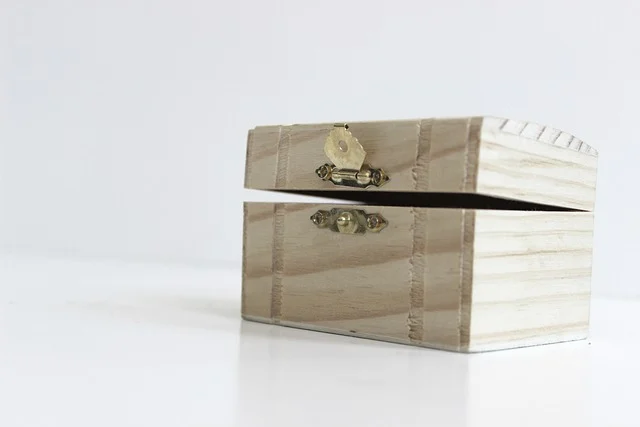
- Keep pieces separate: Metals can scratch softer metals, and diamonds easily scratch sapphires, gold, and pearls. Store items in individual soft fabric pouches, or use a velvet-lined jewelry box with separate slots.
- Control relative humidity: Moisture accelerates silver tarnish and damages organic gems. Store jewelry in dry environments away from bathrooms. Include silica gel packets in storage boxes to absorb ambient moisture.
- Use anti-tarnish strips: Place anti-tarnish paper tabs in drawers or boxes holding sterling silver to neutralize atmospheric sulfur.
- Protect organic items: Wrap delicate items like silk-strung pearls or carved opals in soft cotton or a fine silk scarf before placing them in drawers to shield them from friction and light.
When should you seek professional jewelry cleaning?
While home routines maintain surface shine, professional jewelers provide specialized tools like high-pressure steam cleaners and polishing wheels, combined with structural inspections. Forbes highlighted affordable engagement ring styles in April 2026, demonstrating how proper structural maintenance protects both sentimental and financial investments over decades.
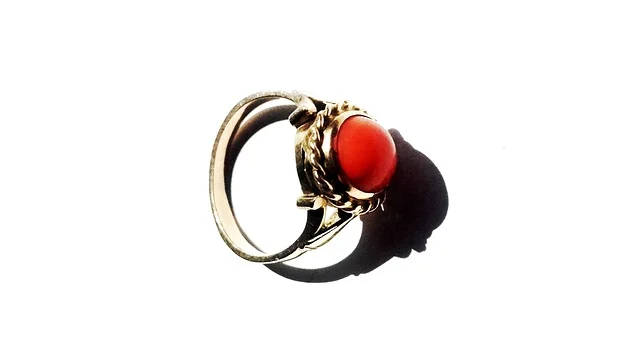
Schedule a professional evaluation annually or under these circumstances:
- You hear a clicking sound or feel movement when pressing gently on a stone, indicating a loose prong.
- An antique or vintage piece features delicate hand-engraving, micro-pave settings, or unknown gem treatments.
- A silver or gold piece exhibits deep scratches or heavy oxidation that soft cloths cannot clean.
- White gold displays yellow undertones, signaling that the original rhodium plating has worn off and requires professional re-plating.
Pros and cons of professional jewelry care
Pros:
- Jewelers check claw tension and structural integrity under high magnification before cleaning.
- High-pressure steam removes trapped polishing compounds and grime from areas inaccessible to brushes.
- Professional polishing eliminates deep surface scratches on solid platinum and gold.
Cons:
- Requires taking items to a store and leaving valuable pieces temporarily.
- Service fees apply for rhodium re-plating, prong re-tipping, or heavy polishing out of warranty.
- Excessive machine polishing wears away tiny amounts of gold or silver over time.
Common jewelry cleaning mistakes to avoid
- Using toothpaste on metals: Toothpaste contains hydrated silica or calcium carbonate abrasives that leave micro-scratches on polished gold, silver, and platinum surfaces.
- Wearing jewelry while swimming: Swimming pool chlorine reacts chemically with gold alloys (especially 10k and 14k), causing stress corrosion cracking in solder joints and prongs. Ocean salt water damages metal polishes and can weaken stringing cords.
- Applying hand sanitizer over rings: Alcohol and astringents in hand sanitizers dull gem facets, cause haze on metal finishes, and loosen adhesives holding gemstone settings over time.
- Exposing porous gems to thermal shock: Rinsing gems under burning hot water or boiling pieces can cause structural internal thermal shock fractures in emeralds, opals, and tanzanites.
- Applying hairspray and perfume over jewelry: Cosmetics leave chemical films that dim light return. Put jewelry on after perfume and cosmetics have fully dried, and remove it before evening skincare routines.
Frequently asked questions
How often should I clean my jewelry?
Clean regularly worn items like diamond engagement rings or plain metal bands every two to four weeks using warm soapy water. Polish silver items as soon as slight dullness appears, and wipe pearls or porous gems with a soft damp cloth after every wear.
Can I use hand sanitizer to clean my jewelry?
No. Hand sanitizer contains harsh alcohol and chemical additives that strip protective finishes, dull gemstone surfaces, and degrade adhesives in costume or multi-stone jewelry. Remove rings before applying sanitizer and let your hands dry completely before putting rings back on.
What is the safest way to clean a tarnished silver necklace?
The safest method is gently rubbing the chain with a dedicated silver polishing cloth treated with anti-tarnish agents. For heavy tarnish on solid silver chains without gems, apply a soft paste made from three parts baking soda to one part water, rinse thoroughly in warm water, and dry completely with a lint-free cloth.
Are ultrasonic cleaners safe for all jewelry?
No. Ultrasonic cleaners are safe only for non-porous, durable items like solid gold, platinum, and un-fractured diamonds, rubies, and sapphires. Never use ultrasonic cleaners on pearls, opals, emeralds, turquoise, tanzanite, or items with loose stones or glued settings.
How should I store my jewelry to prevent scratches?
Store each piece individually in fabric-lined compartments, velvet pouches, or wrapped in soft cloths so items cannot rub against one another. Keep sterling silver in sealed pouches with anti-tarnish strips to block moisture and sulfur exposure.
Is it safe to wear jewelry while swimming or showering?
No. Pool chlorine degrades gold metal alloys and solder joints, salt water dulls polishes, and soap scum creates thick films over gemstones in the shower. Always remove all fine and fashion jewelry prior to entering pools, hot tubs, ocean water, or showers.


