












Gold vs. Silver Necklaces: Which Metal Reigns Supreme? Gold reigns for long-term value, daily durability, and skin sensitivity. Silver wins for modern versatility, bold styling, and budget accessibility. Neither metal is universally superior—gold suits low-maintenance heirloom pieces, while silver excels for affordable, statement-making chains you update frequently.
How to match gold or silver to your skin tone and wardrobe
Choosing between gold and silver often starts with your skin’s natural undertone. While anyone can wear either metal, understanding which shade complements your complexion helps your necklace stand out rather than wash you out.

To determine your skin undertone, look at the veins on the inside of your wrist in natural daylight:
- Warm undertones: Your veins appear greenish, and your skin likely tans easily. Warm yellow gold and rose gold flatter your complexion by echoing your skin’s natural olive or golden tones.
- Cool undertones: Your veins appear distinctly blue or purple, and your skin burns easily in the sun. Silver, white gold, and platinum provide a stark, flattering contrast against cool skin.
- Neutral undertones: Your veins show a mix of blue and green, and skin tones fall between warm and cool. You can comfortably wear both gold and silver without either metal clashing against your complexion.
Your wardrobe colors also influence which metal looks best. Warm earth tones, dark greens, rich browns, and deep reds harmonize naturally with yellow gold chains. Cool blues, crisp whites, blacks, and jewel tones pair effortlessly with the clean silver shine of sterling silver. If you like mixing metals, you can pair a slim gold chain alongside a silver pendant necklace, though keeping one metal dominant usually grounds the look. If you are building a full accessory set, see What is Fashion Jewelry? Your Guide to Trendy Accessories for styling guidelines.
The durability, purities, and care of gold necklaces
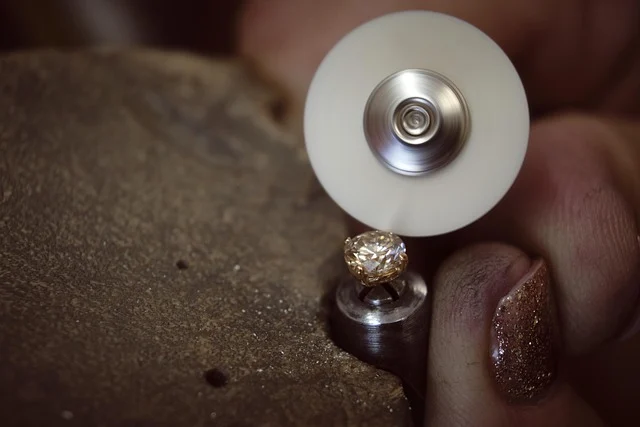
Gold has been prized for millennia because of its intrinsic value, rich color, and resistance to corrosion. However, pure gold (24 karat) is far too soft for daily neckwear and bends or scratches under minimal pressure. Jewelers alloy gold with other metals like copper, silver, zinc, and nickel to increase structural strength.
Understanding gold karats and metal strength
The karat rating tells you how much pure gold is contained in the alloy out of 24 parts:
- 24k gold: 99.9% pure gold. Highly soft, easily deformed, and rarely used for functional necklace chains.
- 18k gold: 75% pure gold. Rich, warm yellow hue with good scratch resistance, suitable for fine jewelry and luxury pendants.
- 14k gold: 58.5% pure gold. The standard for balance between durability, warmth, and scratch resistance. A 14k gold chain withstands daily friction from clothing and movement exceptionally well.
- 10k gold: 41.7% pure gold. Extremely durable and resistant to denting, though slightly paler in color due to higher base metal content.
Gold color variations: Yellow, white, and rose
Yellow gold remains the traditional classic option. White gold is created by blending gold with white metals such as nickel or palladium, then finished with a thin rhodium plating for extra reflective shine. Over time, rhodium plating wears off on contact points and requires re-plating every few years. Rose gold gains its pink tint from copper alloys, making it slightly harder than yellow gold and resistant to bending.
Value retention and maintenance
Gold is consistently more expensive per ounce than silver, reflecting its scarcity and historical status as a financial store of value. While market prices shift over time, gold necklaces retain substantial intrinsic metal value over decades. Beyond financial value, gold requires minimal maintenance. It does not tarnish when exposed to oxygen or humidity, so maintaining solid gold jewelry requires only an occasional wash in warm water with mild dish soap to remove oil buildup around set gemstones.
The charm, alloys, and maintenance of silver necklaces
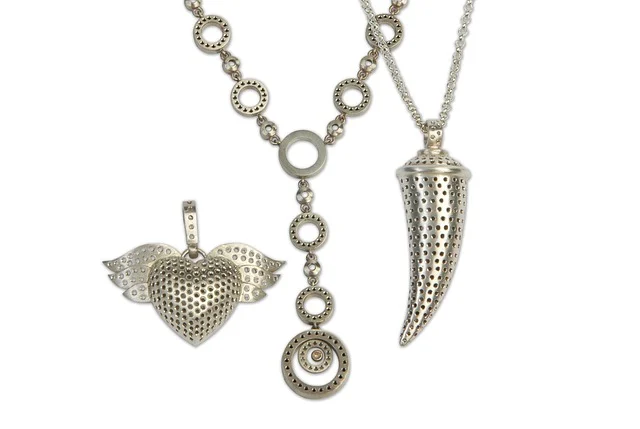
Silver offers an accessible entry point into fine and fashion jewelry. Its high reflectivity gives chains and pendants a bright shine that stands out against dark clothing, making it popular for detailed carved pendants, filigree work, and chunky chain collars.
Types of silver used in necklaces
Jewelers rely on specific alloys to build durable silver neckwear:
- Sterling silver (925): Composed of 92.5% pure silver and 7.5% copper. This standard alloy offers the strength needed for chain links, pendants, and spring rings while keeping silver’s bright luster.
- Argentium silver: A modern sterling alloy that replaces part of the copper with germanium. It is highly tarnish-resistant and slightly harder than standard 925 silver.
- Fine silver (999): Used primarily for fine wire work or accents that do not experience mechanical stress.
Managing tarnish and daily oxidation
Silver’s main practical drawback is tarnishing. Tarnishing occurs when silver reacts with sulfur dioxide and moisture in the air, forming a thin, dark layer of silver sulfide on the metal surface. Perfumes, body lotions, ocean salt, and household cleaning chemicals accelerate this reaction.
To keep silver looking bright, store chains in airtight bags or anti-tarnish pouches when not in use. Regular cleaning with a dedicated silver polishing cloth removes early oxidation instantly. For heavy tarnish in detailed carved pendants, mild silver cleaning dips or a paste of baking soda and water restore the original gleam. Wearing your silver necklace frequently actually helps delay tarnish, as friction against clean skin and clothing buffs away microscopic tarnish layers before they darken.
Gold vs. Silver Necklaces: Which Metal Reigns Supreme?
When choosing between a gold and silver necklace, evaluate how each metal performs across key practical factors like cost, long-term durability, metal sensitivity, and maintenance demands.
| Feature | Gold Necklaces | Silver Necklaces |
|---|---|---|
| Price Point | Higher initial cost; holds strong intrinsic scrap and market value over time. | Affordable initial cost; allows easy trend testing and large statement pieces. |
| Durability | High (especially 14k and 10k); highly resistant to scratches, denting, and bending. | Moderate; softer surface prone to micro-scratches and link stretching under tension. |
| Tarnish Resistance | Exceptional; solid gold does not oxidise or blacken when exposed to air or water. | Requires routine care; oxidises into black tarnish when exposed to air, humidity, or sulfur. |
| Hypoallergenic Properties | Excellent in high karats (14k–18k); lower risk of skin irritation unless nickel is present. | Good for most, but copper content in 925 sterling can trigger skin sensitivities. |
| Aesthetic Options | Warm yellow, cool white (rhodium plated), and blushing rose tones. | Crisp, cool white reflection with high surface luster. |
| Maintenance Level | Very low; occasional mild soapy water bath restores shine. | Moderate to high; requires periodic polishing cloths or chemical cleansers. |
Durability for everyday wear
If you plan to wear your necklace non-stop—including during sleep, showers, and workouts—gold is noticeably superior. A 14k gold curb or cable chain resists accidental tugs and won’t discolour when exposed to water or sweat. Silver links deform more easily under sudden stress, and daily exposure to sweat and water accelerates black oxidation, requiring frequent polishing.
Skin sensitivity and metal allergies
Contact dermatitis from jewelry usually stems from nickel or copper allergies rather than pure gold or silver. High-karat yellow gold (14k and 18k) rarely causes skin reactions. However, lower-quality white gold can contain nickel, which may irritate sensitive skin if the outer rhodium layer wears thin. Sterling silver uses copper as its primary alloying agent; while less reactive than nickel, copper can turn skin green when mixed with acidic sweat. If you have severe metal allergies, solid 18k yellow gold or platinum are the safest options.
Common mistakes to avoid when buying gold or silver necklaces
Buying a necklace without checking metal construction details can lead to unexpected repairs or discoloration. Avoid these common pitfalls before purchasing:
- Confusing solid gold with plated metals: Gold plated, gold vermeil, and gold filled items are base metals or sterling silver coated with a thin film of gold. Plating wears off over months of wear, exposing base metals beneath. Always verify if a piece is solid gold or bonded/plated.
- Ignoring hallmark stamps: Authentic precious metal jewelry carries official quality stamps. When shopping, look for hallmarks indicating the karat such as 14K, 585 (14k), 18K, or 750 (18k) for gold, and 925 or “STERLING” for silver.
- Choosing weak clasps for heavy pendants: A delicate spring ring clasp works fine for lightweight chains, but heavier coin pendants or stone-set lockets require sturdy lobster claw clasps to prevent clasp failure and accidental loss.
- Neglecting chain construction type: Thin snake chains and herringbone chains look sleek but kink easily under twisting and cannot be easily repaired. For daily wear in either gold or silver, cable, curb, wheat, or box chains offer superior structural longevity.
Sources: World Gold Council, Welcome to The Silver Institute Homepage
Frequently asked questions
Are gold necklaces more valuable than silver necklaces?
Yes, gold is significantly more valuable per ounce than silver due to its relative scarcity, industrial demand, and historical role as a financial asset. A solid gold necklace retains high intrinsic scrap value over time, whereas silver’s value lies primarily in design and craftsmanship rather than pure metal weight.
Which metal is better for sensitive skin: gold or silver?
High-karat gold (14k or 18k yellow gold) is generally better for sensitive skin because it contains fewer reactive base metals.
Do gold necklaces tarnish?
Solid 14k, 18k, and 24k gold do not tarnish or oxidise when exposed to air, water, or moisture. Lower-karat gold like 10k can show slight discoloration over long periods due to high base metal alloys, but solid gold chains remain free of dark tarnish.
Does silver jewelry tarnish easily?
Sterling silver tarnishes naturally over time when exposed to sulfur, humidity, body oils, and air pollution. This creates a dark oxidation film, but it can easily be removed using a specialized silver polishing cloth or cleaning solution.
Which metal is more durable for everyday wear?
Gold, particularly in 14k purity, is harder and more scratch-resistant than sterling silver, making it better equipped for daily wear without bending or tarnishing. Sterling silver is softer and more prone to scratching, requiring regular care to retain its luster.


