








To layer necklaces without tangling, space your chain lengths apart by two inches. Combine different chain weights and textures, then fasten them using a dedicated necklace detangler clasp. Stacking identical ultra-thin chains at the same length guarantees twists. Separating your drop distances and balancing light pieces with heavier pendants keeps each strand resting cleanly.
When you stack chains of the same length and thickness, friction forces the strands to wrap around one another. Solving this issue requires structural separation, smart material selection, and deliberate styling decisions.
What is the trick for layering necklaces?
The key trick for layering necklaces without tangling is maintaining structural spacing between chains. Anchor your longest piece with heavy pendants or substantial links.

Chains tangle primarily because light metal links move freely across skin and fabric. When two chains float across the same collarbone area, their links lock together under normal body movement. To counteract this, apply three foundational principles to every stack:
- Stagger your chain lengths: Keep a minimum of 2 inches (5 cm) of distance between each necklace. For example, standard neck sizes work well with a 16-inch choker paired with an 18-inch mid-length chain and a 20-inch or 24-inch drop pendant.
- Vary chain weights: A delicate wire-thin box chain will inevitably wrap around another thin chain. Pair a light trace chain with a heavier curb, Figaro, or rope chain to create tension contrast that prevents twisting.
- Mix structural textures: Smooth serpentine or snake chains glide off round link chains rather than catching on them. Combining flat herringbone styles with textured link chains stops hardware interaction.
How to layer 2 or 3 necklaces without tangling
To layer two or three necklaces successfully, follow a strict step-by-step length assembly method. This builds your stack from the neck down.
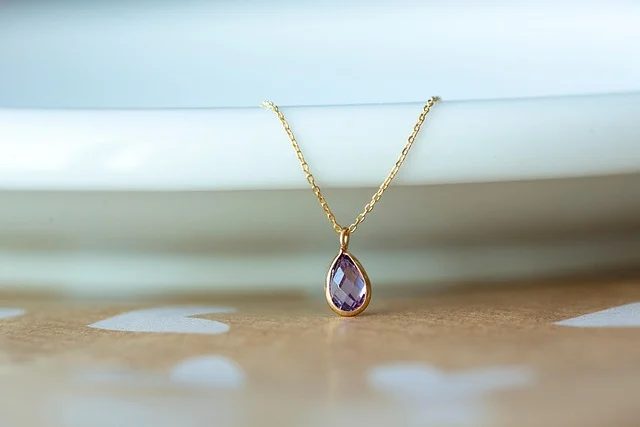
Here is how to set up a bulletproof three-chain stack:
- Select your base chain: Put on your shortest piece first, typically a 14-inch to 16-inch high-resting chain or solid choker. Ensure it sits flat against your neck.
- Add a focal mid-length chain: Attach your second necklace at an 18-inch length. Choose a piece with a distinct visual texture, like a box weave, so it maintains independent structural movement.
- Anchor the bottom layer: First, fasten your longest necklace (20 to 24 inches). Choose a heavier chain or add a solid pendant to create downward pull that holds it steady.
When you finish, check your mirror to confirm that clear skin or fabric separates every clasp and pendant. If any two pieces sit closer than an inch, add a chain extender to the longer piece.
Use a necklace detangler clasp multi-strand separator
A multi-strand necklace detangler clasp is a metal barrel attachment. It locks your necklaces at fixed intervals behind your neck, preventing rotating clasps.
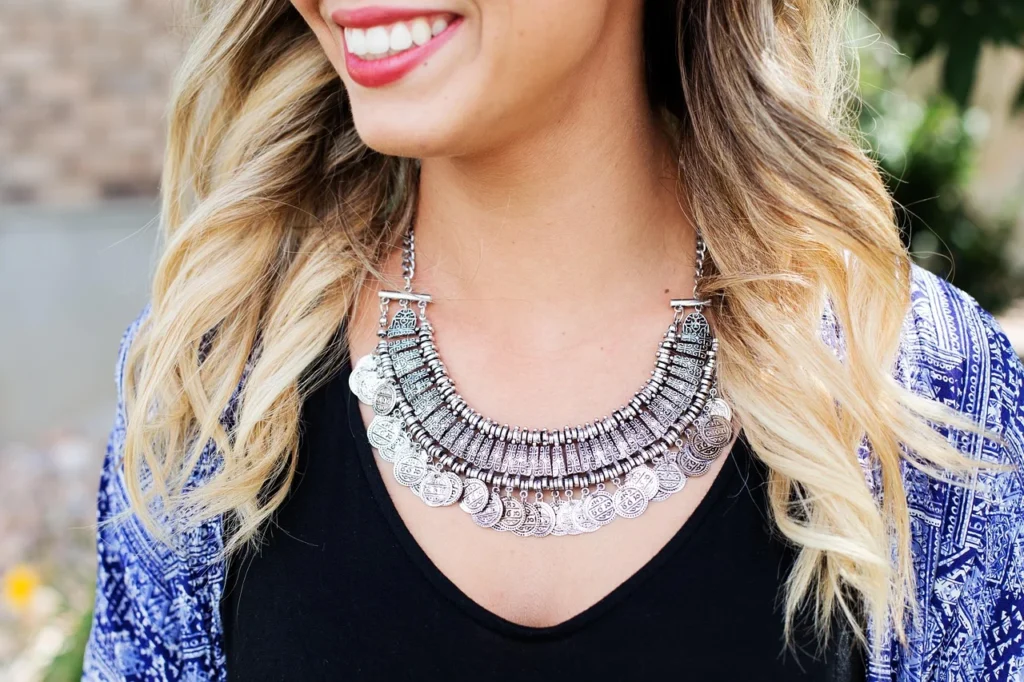
When wearing multiple unattached chains, individual clasps fall to the lowest point of gravity along your neck. They slide forward and tangle behind your collar. A detangler clasp locks the ends of multiple necklaces into fixed parallel slots. This mechanism attaches behind your neck using a single magnetic or slide-lock closure.
| Attachment Method | Setup Effort | Tangle Prevention Level | Best Suited For |
|---|---|---|---|
| Multi-Strand Detangler Clasp | Low (One-time hookup) | Maximum | Daily wear of 3+ delicate chains |
| 2-Inch Chain Extenders | Low | Moderate | Adjusting fixed-length vintage chains |
| Single Hook-and-Eye Loop | Medium | High | Layering 2 heavy streetwear chains |
Match the metal type of your separator directly to your chains. Combine sterling silver hardware with silver strands, or gold-plated hardware with gold pieces to keep it discreet.
How to layer necklaces without tangling gold or silver fine chains
To layer fine gold or silver delicate chains without tangling, introduce structural contrast. Avoid high-friction chain types like unanchored snake or thin herringbone chains.

Fine gold and silver pieces present unique styling challenges because high-karat gold and sterling silver are flexible and prone to micro-friction. Ultra-thin cable chains act almost like thread, binding together at the slightest shift in movement. If you prefer fine jewelry stacks, keep these rules in mind:
- Avoid stacking flat snake chains together: Flat snake chains kink easily when forced into contact with round links. If you wear a snake chain, keep it as your shortest, highest-resting layer.
- Use solid weights over hollow chains: Hollow gold links lack the gravitational pull needed to stay seated on your chest. However, solid-link gold or silver chains hang straight and resist drifting.
- Incorporate solid pendants: Slipping a heavy coin, signet, or stone pendant onto your lowest chain pulls the strand taut. As a result, this creates clean separation from your lighter upper layers.
How to keep necklaces from tangling when storing or traveling
To keep necklaces from tangling while traveling or storing them in your collection, isolate each strand using drinking straws, micro-fiber pouches, or button snaps.
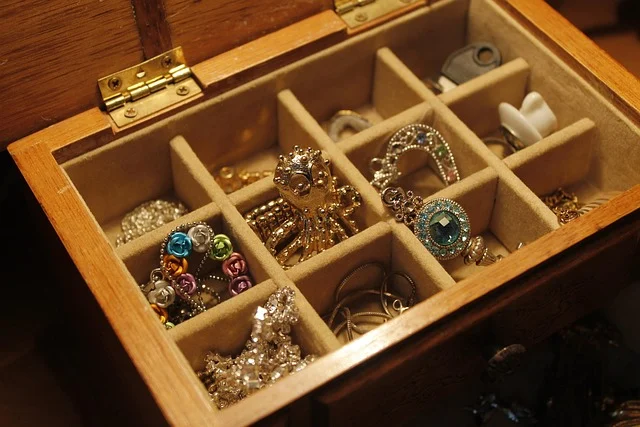
Preventing tangles while wearing your jewelry is only half the battle. Improper storage in a drawer or travel bag frequently causes stubborn knots. Use these protective methods:
- The Straw Method: Unclasp your necklace, thread one open end through a clean drinking straw, and fasten the clasp outside the straw. This holds the wire or link chain in a straight line so it cannot not.
- Microfiber Jewelry Rolls: Store individual chains in dedicated hanging pockets or snap loops. So, never toss multiple loose chains into a single pouch or compartment.
- Hanging Organizers: At home, mount your chains on individual hooks or a vertical jewelry tree. Because gravity maintains vertical separation, links stay out of contact.
If you encounter an existing knot, lay the necklace flat on a hard surface, apply a drop of mineral oil or baby oil directly onto the tangle, and use two sewing needles to gently pry the links apart. Never pull hard on a knot, as tension will permanently damage fine gold or silver links.
Who should avoid traditional multi-chain layering advice?
Standard necklace layering guidelines do not suit people wearing thick streetwear ropes, heavy cuban links, or active high-movement athletes.
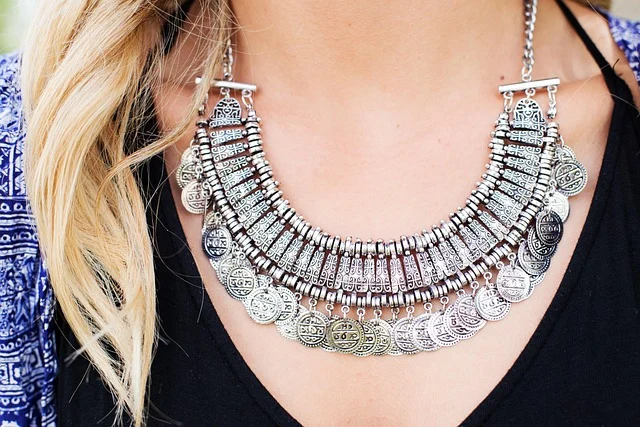
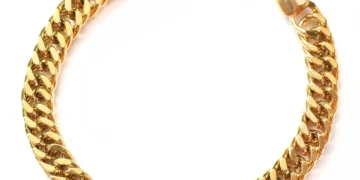
If you wear heavy 8mm to 12mm stainless steel or solid silver Cuban link chains—styles common in streetwear aesthetic stacks—you do not need delicate 2-inch drop spacing or detangler clasps. Heavy chains feature high individual mass; gravity keeps them seated properly without smaller separator hardware. In contrast, layering fine delicate chains is ill-suited for high-intensity physical activities or contact sports, where rapid movement and sweat cause fine chains to bind regardless of spacing.
Frequently asked questions
How to stop necklaces tangling when layering?
Stop necklaces from tangling by maintaining at least two inches of space between lengths, pairing different chain textures together, and connecting all strands to a multi-strand necklace clasp separator behind your neck.
Is layering necklaces in style in 2026?
Yes, layering necklaces remains a core styling practice in modern fashion, featuring mixes of mixed metals, varying gauge sizes, and heavy pendant focal points.
What is the rule for layering necklaces?
The standard rule for layering necklaces is to stagger strand lengths by 2-inch increments (such as 16, 18, and 20 inches) while combining different chain weights so no two identical strands touch.