
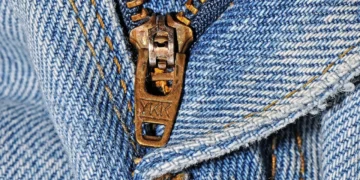
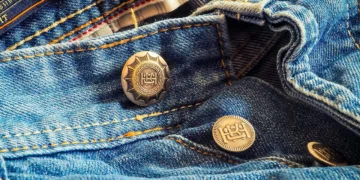



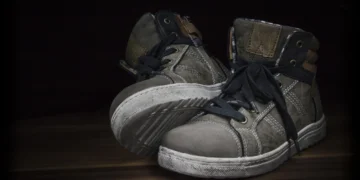



To stop denim from bleeding color, wash your new jeans inside out in cold water before wearing them to reduce friction and preserve the dark wash. Adding laundry color-catcher sheets during the wash cycle captures free-floating indigo molecules, while soaking high-bleed raw or dark denim in a cold bath with one cup of distilled white vinegar for thirty minutes before the first wash helps lock in unfixed surface dye.
Denim bleeding, also known as dye transfer or crocking, occurs because raw and deep indigo dyes sit on the outer surface of cotton yarns and do not fully bind during production. Heat, moisture, and friction cause this excess surface pigment to rub off onto lighter garments, white sneakers, belts, and upholstery.
The rest of the article explains why dark denim bleeds, step-by-step methods to stop bleeding in the wash or using vinegar, targeted techniques to protect light shoes, and when to avoid dye-setting methods if you want high-contrast raw denim fades.
Why does raw and dark denim bleed color?
Raw and dark indigo denim bleeds because indigo is a vat dye. It sits primarily on the outer surface of cotton yarns rather than fully penetrating the core. During initial manufacturing and dyeing processes, excess dye remains unattached to the fiber weave, ready to release through friction, humidity, or washing.
According to denim care documentation from Levi’s Customer Service, dye transfer occurs when excess dye rubs onto other fabrics. This happens with dark-wash, black, or raw denim. Crock test results in textile manufacturing distinguish between dry crocking—where dry denim rubs off onto skin or leather—and wet crocking, where sweat or water accelerates the color bleed. Knowing how to stop denim from bleeding helps you treat the garment appropriately without ruining its character.
Dye crocking affects high-friction contact points first: sneaker collars, leather belts, light cloth upholstery, and white socks. If you wear unwashed 14-ounce raw denim over light suede sneakers, friction generated while walking instantly transfers loose indigo particles directly into the porous suede fibers. Learning how to stop denim from bleeding requires removing surface dye before wear or establishing physical barriers.
How to stop denim from bleeding in the wash
You can stop denim from bleeding in the wash by removing excess surface dye under controlled cold-water conditions. Doing this also minimizes mechanical abrasion. Following a strict initial washing routine stabilizes loose indigo before it stains other garments in your laundry cycle.

-
- Turn your jeans completely inside out so the outer indigo fibers face inward, shielding them from machine drum friction.
- Fill your washing machine or soak tub with cold water. Keep temperatures under thirty degrees Celsius to keep cotton fibers tight.
- Pour in one half-cup of liquid dark-fabric laundry detergent formulated without bleaching agents, brighteners, or aggressive enzymes.
- Toss one to two laundry color-catcher sheets into the water. They actively trap loose indigo molecules before they reabsorb into light panels.
- Run a short, gentle wash cycle with minimal spin speed, ensuring the machine does not scrub fabric surfaces harshly.
- Hang the denim by the waistband to air-dry in a shaded, well-ventilated space. Keep it out of direct sun rays to avoid sun bleaching.
When this process works, the runoff water turns clear during the final rinse. The inner lining of your jeans remains crisp without uneven blue streaks. Avoid tumble dryers completely. High heat bakes loose dye onto metal zippers, pocket bags, and contrasting stitching while accelerating shrinkage.
Does vinegar stop jeans from bleeding?
Vinegar helps reduce denim bleeding by lowering the pH of the water bath. This tightens cotton fibers and helps lock loose acid-sensitive dyes into the weave. While vinegar does not permanently chemical-weld indigo to cotton, an initial cold vinegar soak flushes out unfixed surface pigment safely.
To soak your jeans, mix one cup of standard distilled white vinegar into four gallons of cold water in a clean tub or bucket. Submerge your inside-out jeans completely, weighting them down with a heavy glass bowl if they float. Let them soak undisturbed for thirty minutes. Rinse thoroughly in cold water to remove residual acidic smells, then hang to dry. Executing a vinegar soak right out of the box is the single most cost-effective prep step for dark denim collectors.
Do not expect vinegar to solve severe dye overload on low-grade heavy dyes. It acts as a mild setting agent and flusher for residual dye baths, not an industrial dye fixative. Combining a white vinegar pre-soak with subsequent cold wash cycles produces the most reliable color retention over time.
How to stop jeans from bleeding onto shoes and light sneakers
To stop jeans from bleeding onto shoes, prevent direct friction between the raw bottom hem and shoe uppers. Setting the dye chemically reduces crocking, but structural wear tweaks provide absolute shoe protection.
Try these targeted techniques to guard your footwear against indigo crocking:
-
-
- Single or double cuffing: Fold the bottom hem outward by one to two inches. The lighter, undyed interior fabric contacts your sneaker collar instead of dark outer yarns.
- Apply dark masking tape inside the hem: Stick a strip of dark fabric or painter’s tape along the inner hem. This catches indigo rub before it transfers to tongue collars.
- Spray sneakers with hydrophobic protector: Treat leather and suede sneakers with a stain repellent spray. Doing so seals porous materials against dry dye rub.
- Avoid stacking raw denim on light suede: Reserve heavy indigo stacks for dark leather boots or black sneakers where dye transfer remains invisible.
-
If indigo dye does transfer onto white leather sneakers, clean the area immediately using an eraser pencil. You can also use a mild leather cleaner applied with a microfiber cloth. Learn how to stop denim from bleeding on suede using a dedicated suede brush and rubber eraser. These tools lift dry indigo particles out of the nap without spreading the stain deeper.
When to avoid setting indigo dye: Raw denim breaking in and fading
You should avoid chemical dye fixatives and frequent vinegar baths if you are wearing raw selvedge denim specifically to develop high-contrast fades and personalized wear marks. Setting the dye firmly prevents the natural fading progression that raw denim enthusiasts aim for.

Raw denim breaks in by shedding surface indigo progressively at flex zones such as knees, lap creases (whiskers), and behind the knees (honeycombs). If you lock every dye molecule into place with heavy fixative baths to stop denim from bleeding, your jeans stay a flat, uniform dark indigo indefinitely, losing the dynamic contrast that defines worn-in raw selvedge. We recommend skipping dye fixatives entirely if high-contrast fading is your primary styling goal.
For raw denim wearers who want authentic fades without ruining expensive footwear, focus strictly on physical isolation—such as precise cuffingpin rollingng, or wearing dark footwear during the first fifty days of wear—rather than soaking the jeans in chemical setting agents.
Frequently asked questions
Is there a way to stop jeans from bleeding?
Yes, washing jeans inside out in cold water reduces color bleed. Soaking them in a white vinegar solution before first wear and using laundry color-catcher sheets also help significantly. Physical steps like cuffing your hems also prevent dye from rubbing off onto shoes.
How many washes until jeans stop bleeding?
Most dark denim jeans stop bleeding after two to three cold wash cycles. These initial washes remove the bulk of loose surface indigo dye. Heavy raw selvedge denim may take up to five or six washes to completely eliminate dye transfer during friction.
Does salt stop jeans from bleeding?
Adding half a cup of plain salt to a cold water soak helps set certain dye types by neutralizing ionic charges on fabric fibers, but it is generally less effective for modern synthetic-blend or heavily saturated raw indigo denim than distilled white vinegar or cold water rinses.