




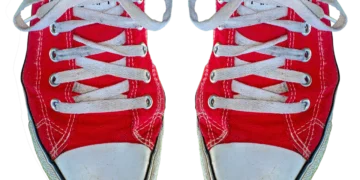


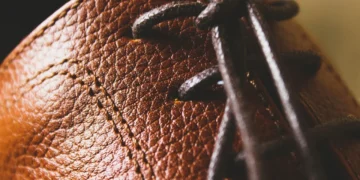





To clean sneakers safely, remove the laces and insoles, dry-brush away loose surface dirt, and scrub the uppers using a soft brush dipped in warm water mixed with mild soap. Wipe off remaining lather with a clean microfiber cloth, stuff the interior with paper towels, and allow the shoes to air-dry at room temperature away from direct heat.
Cleaning sneakers correctly keeps your shoes looking fresh and prevents premature material damage. Distinct shoe materials—including delicate suede, porous mesh, smooth leather, and engineered knits—require tailored tools, specific cleaning solutions, and distinct drying times to protect structural integrity.
This guide covers essential cleaning tools, a step-by-step cleaning sequence, material-specific care instructions, machine washing guidelines, and common mistakes to avoid.
How to Clean Sneakers: Step-by-Step Instructions for Every Material
To clean sneakers safely, remove the laces and insoles, dry-brush away loose surface dirt, and scrub the upper using a soft brush dipped in warm water mixed with mild soap. Wipe off remaining lather with a clean microfiber cloth, stuff the interior with paper towels, and let the shoes air-dry at room temperature away from direct heat.
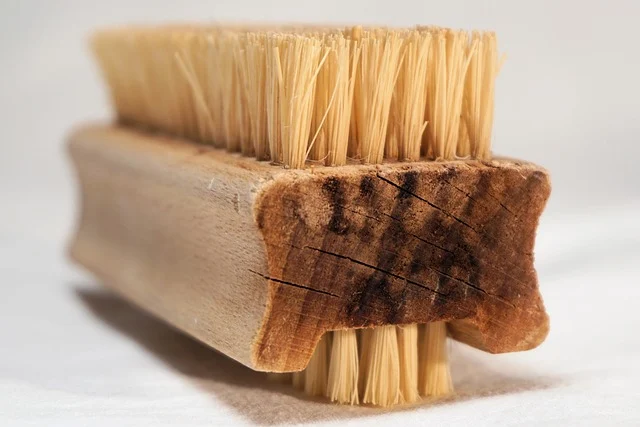
Learning how to clean sneakers correctly keeps your shoes looking fresh and prevents premature material damage. Distinct shoe materials—ranging from delicate suede and porous mesh to smooth leather and engineered knits—require tailored tools, specific cleaning solutions, and distinct drying times to protect structural integrity.
What supplies do you need to clean sneakers?
Having the correct tools before starting prevents unnecessary material friction and ensures an efficient cleaning process. You can accomplish a thorough clean using basic household items or specialized sneaker cleaning kits.

| Cleaning Tool / Solution | Best For | Key Advantage | Trade-off or Limitation |
|---|---|---|---|
| Mild Dish Soap or Liquid Detergent | Canvas, mesh, and durable smooth leather | Inexpensive and readily available in most households | Can leave soapy residue if not thoroughly wiped away |
| Specialized Sneaker Cleaner | All materials including suede, nubuck, and premium leather | Formulated to lift dirt without harsh chemicals or heavy lather | Higher cost ($20 to $50 for full cleaning kits) |
| Soft Horsehair or Soft Nylon Brush | Delicate uppers, knit fabrics, and suede surface dust | Gently cleans surfaces without scratching or fraying fibers | May require extra scrubbing effort on heavy, dried mud |
| Stiff Bristle Brush | Durable rubber outsoles and deep tread grooves | Easily dislodges dried mud and gravel from sole crevices | Will scratch smooth leather and tear delicate mesh or knit |
| Melamine Foam Sponge (Magic Eraser) | Smooth white rubber midsoles and toe caps | Quickly removes stubborn scuff marks and surface grime | Acts as a mild abrasive that can wear down textured finishes |
| Microfiber Cloths | Wiping away foam, soap, and excess moisture | Lint-free and highly absorbent for fast moisture pickup | Requires frequent rinsing during heavy cleaning sessions |
In addition to brushes and cleaners, prepare a bowl of warm water, unprinted paper towels or plain newsprint for stuffing, and an old towel to protect your workspace.
How to clean sneakers step by step
Following a deliberate sequence keeps dirt from transferring back onto clean sections of the shoe. Work from the outside components inward, saving the detailed upper work for after loose debris is removed.
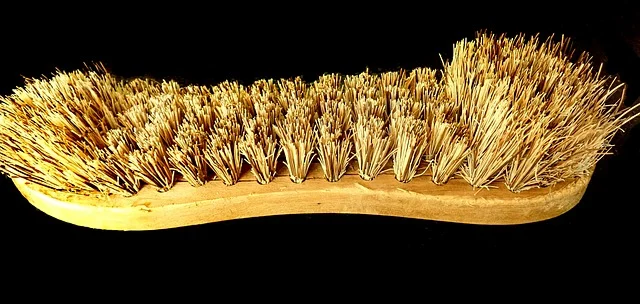
- Prep your workspace and gather supplies: Cover a flat surface with an old towel. Set out your warm water, soft and stiff brushes, mild soap or specialized cleaner, and microfiber towels.
- Remove laces and insoles: Take out the shoelaces and insoles to access hidden dirt around the tongue and eyestays. Cleaning these components separately prevents dirt transfer and allows deeper deodorization.
- Brush off dry surface dirt: Use a dry, soft-bristled brush to remove dust, loose mud, and dry debris from the entire shoe. Pay close attention to seams, lace eyelets, and sole crevices. Skipping this step creates a muddy paste once liquid cleaning solution is applied.
- Prepare your cleaning solution: Mix a few drops of mild dish soap or dedicated sneaker cleaner into warm water. Stir until lightly sudsy. Avoid excess detergent, as leftover soap attracts fresh dirt once dried.
- Clean the uppers gently: Dip your soft brush into the cleaning solution and shake off excess water. Scrub the upper material using light, circular motions. Work on one panel at a time, moving from the tongue to the toe box and heel.
- Scrub midsoles and outsoles: Switch to a medium or stiff brush for the rubber outsoles. Dip into the solution and scrub away ground-in dirt. For stubborn scuffs on white rubber midsoles, use a damp melamine foam sponge with light pressure.
- Wipe away residual soap: Dampen a clean microfiber cloth with clear water and wipe down the entire shoe. Rinse the cloth frequently to ensure all detergent foam is removed from the surface.
- Stuff and air-dry: Crumple unprinted paper towels or white paper napkin sheets inside each shoe to retain shape and pull moisture from the interior lining. Place the sneakers in a well-ventilated room out of direct sunlight or heat sources. Allow 24 to 48 hours for complete drying.
How do you clean different sneaker materials?
Applying the wrong method to a specific material can cause permanent damage, fabric stretching, or color bleeding. Always tailor your cleaning technique to the primary material of your sneaker.
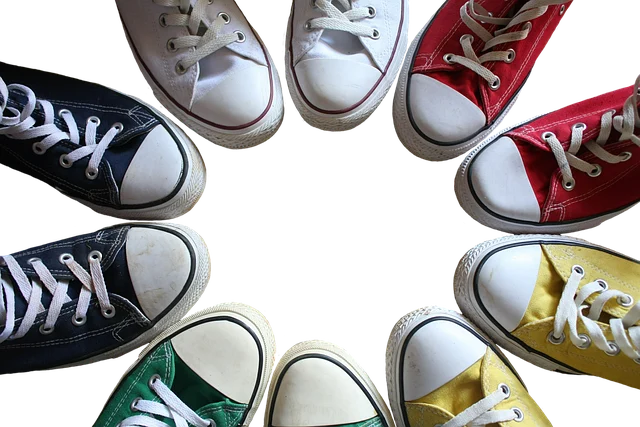
Leather Sneakers
Smooth leather is relatively easy to care for because it resists moisture better than textiles. Wipe away surface dust with a damp microfiber cloth. For deeper dirt, apply a small amount of mild soapy water or dedicated leather cleaner using a soft brush. Work in gentle circles, then wipe clean immediately with a dry cloth to prevent soaking. Once completely dry, apply a specialized leather conditioner to keep the hide supple and prevent cracking along crease lines.
Suede and Nubuck Sneakers
Suede and nubuck feature open-nap textures that react poorly to liquid cleaning. Never submerge suede or saturate it with soapy water. Use a dedicated suede brush dry to lift surface dust and restore flattened nap. For localized spots or scuffs, rub gently with a suede eraser. According to FootGearLab.com (2026), using water on suede can create water stains that are difficult to remove. If liquid spills on suede, dab it immediately with a dry cloth without rubbing, let it air-dry completely, and gently brush the nap back into place.
Canvas and Mesh Sneakers
Canvas and open mesh trap dirt deep within their fibers. Prepare a paste of baking soda and water or use a mild detergent solution. Scrub gently with a soft brush or old toothbrush to work the cleaner into the weave. Take extra care with mesh uppers, as aggressive scrubbing can snag or tear the netting. Blot the fabric with a clean cloth to pull up dissolved dirt and soap before drying.
Knit Sneakers
Engineered knits, such as Nike Flyknit or Adidas Primeknit, behave similarly to woven garments. They stretch easily and trap debris within the knit structure. Hand-wash knit uppers gently using cold water and mild detergent. Use a soft cloth or extra-soft brush, avoiding rough bristles that can pull threads. Never wring, twist, or squeeze knit footwear, as this permanently warps the shape of the upper.
Is it safe to wash sneakers in the washing machine?
While placing shoes in a washing machine offers quick convenience, it carries notable risks to construction and materials. Machine agitation and water immersion can compromise structural glue bonds, cause colors to bleed, and alter shoe shape.

Machine washing should strictly be reserved for canvas or basic synthetic athletic shoes that do not contain leather, suede, or intricate glue details. According to Tom’s Guide (2026), only about 40% of people feel confident machine washing their sneakers. If you choose to machine wash suitable pairs, observe these rules:
- Remove laces and insoles to clean separately by hand.
- Place sneakers in a mesh laundry bag or sealed pillowcase to reduce tumbling impact.
- Add several bath towels to the drum to balance the wash load and prevent violent rattling.
- Select a cold water cycle with the lowest spin speed setting available.
- Use a small amount of standard liquid detergent; avoid fabric softeners, which break down shoe adhesives and leave slick residues.
- Never use the dryer cycle after washing. Air-dry only.
Do not attempt to machine wash leather, suede, nubuck, knit, or luxury designer sneakers. Hand cleaning gives you control over moisture levels and pressure, protecting valuable footwear from avoidable harm.
What common mistakes ruin sneakers during cleaning?
Knowing what to avoid is just as critical as knowing the correct steps. Mistakes made during cleaning or drying often cause irreparable wear or discoloration.
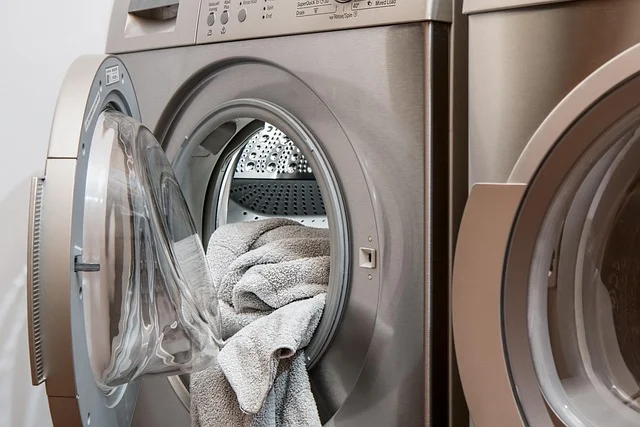
One prevalent error is tossing sneakers directly into the washing machine without precautions. Many modern sneakers, especially those with delicate materials or intricate construction, suffer severe damage from aggressive tumbling and excessive water. According to sneaker care experts, this can lead to soul separation, material breakdown, and color bleeding.
Other frequent cleaning mistakes include:
- Applying concentrated bleach: While bleach might seem like an obvious remedy for stained white canvas, it frequently turns synthetic components yellow and breaks down cotton stitching over time.
- Using overly abrasive brushes: Wire brushes or hard plastic bristles scratch leather coatings, pull mesh fibers, and permanently damage suede nap.
- Exposing shoes to direct heat during drying: Placing shoes on radiators, using high-heat blow dryers, or leaving them in direct midday sunlight warps rubber midsoles, cracks leather, and shrinks knit panels.
- Ignoring insoles and laces: Leaving dirty laces on a freshly cleaned upper makes the entire shoe appear unwashed, while uncleaned insoles retain sweat and bacterial growth.
How do you treat stubborn stains, scuffs, and deep odors?
Standard soap solutions do not always lift organic marks, grease, or heavy odors. Targeted treatments solve these specific problems without damaging surrounding materials.
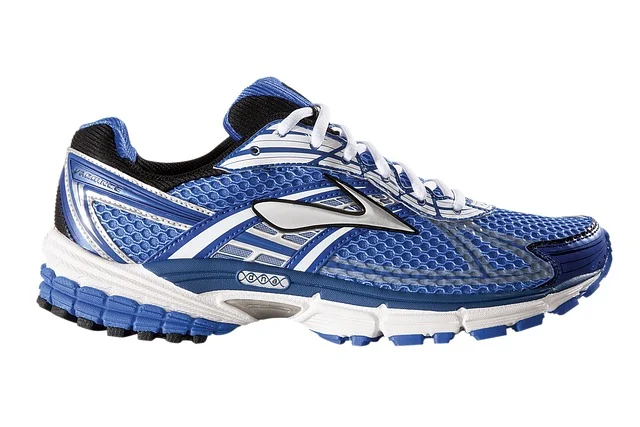
Scuffs on Rubber Midsoles
Scuff marks on rubber soles respond well to targeted spot treatments. Dip a melamine foam sponge in clean water, squeeze out excess liquid, and rub the mark gently. Alternatively, apply a small dab of white non-gel toothpaste to an old toothbrush, scrub the scuff in light circles, and wipe clean with a wet cloth.
Oil and Grease Stains
When grease drops onto suede, canvas, or leather, avoid rubbing liquid into the stain. Sprinkle a generous layer of cornstarch or talcum powder directly over the spot. Let the powder sit undisturbed for 4 to 6 hours to absorb the oil from the fibers. Gently brush away the powder with a dry soft brush, then clean the area normally.
Targeting Deep Interior Odor
Sneaker odor stems from bacteria feeding on trapped sweat and skin cells. Addressing odor requires treating both the removable insole and the inner footbed lining:
- Baking soda treatment: Sprinkle two tablespoons of plain baking soda inside each shoe and onto removed insoles. Leave overnight to neutralize odors, then shake or vacuum out the powder in the morning.
- Antibacterial spray: Lightly mist the interior footbed with a diluted spray of isopropyl alcohol and water (50/50 mix) to eliminate odor-causing bacteria. Allow the shoes to dry completely before wearing.
- Cedar shoe trees: Insert natural unvarnished cedar shoe trees after every wear to absorb residual foot moisture and impart a natural wood fragrance.
Long-Term Care and Restoration
Restoring aged or heavily worn sneakers involves more than cleaning dirt. Replacing frayed shoelaces, treating yellowed rubber outsoles with specialized de-oxidation creams, and repainting scratched leather panels with specialized leather paint restores appearance. Websites like Complex.com (2026) offer advice on techniques like waterproofing and preventing creases, which contribute to a shoe’s longevity and appearance.
How to dry and maintain your sneakers for long-term freshness
Drying is the final crucial step in sneaker care. Mistakes made while drying can ruin a shoe that was otherwise cleaned perfectly.
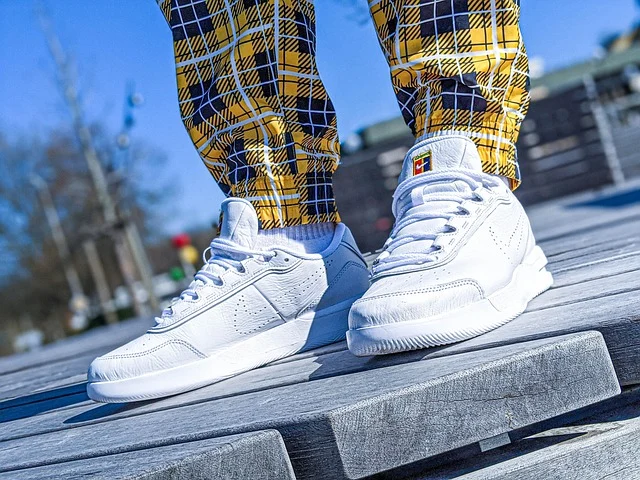
Always air-dry sneakers at room temperature in an area with good airflow. Replace damp paper towel stuffing every few hours during the initial drying period to speed up moisture extraction. Never put sneakers back on or pack them away into boxes while any internal dampness remains, as moisture encourages mold growth.
To extend the interval between deep cleanings, practice preventive maintenance:
- Apply protective sprays: Coat new or freshly cleaned sneakers with a stain- and water-repellent spray. Sprays create an invisible barrier that prevents mud and liquids from setting deep into fibers. Reapply every few weeks depending on usage.
- Rotate your shoes: Avoid wearing the same pair on consecutive days. Giving shoes 24 to 48 hours to air out between wears prevents humidity buildup inside the lining, reducing wear and scent retention.
- Wipe down after wear: A 30-second wipe with a damp microfiber cloth after walking through dirt or rainy weather prevents grime from drying onto the surface. For broad wardrobe care advice, see Beyond the Hype: Decoding Clothing Trends for Real Style.
Frequently asked questions
Can I use baby wipes to clean sneakers?
Baby wipes work for quick surface touch-ups on smooth rubber or leather, but they lack the lifting power needed for ground-in dirt. They can also leave conditioning residues on canvas or suede that attract dirt over time.
How often should I clean my sneakers?
Wipe down everyday pairs every two weeks, and perform a deep clean every two to three months depending on wear conditions. Athletic sneakers used for intense workouts or outdoor running should be spot-cleaned after every heavy use to manage odor and sweat buildup.
Will cleaning my sneakers in the washing machine ruin them?
Machine washing poses a real risk of sole separation, glue degradation, and fabric warping, especially on leather, suede, and knit shoes. Reserve machine washing strictly for basic canvas or synthetic shoes placed inside a laundry bag on a gentle, cold cycle.
How do I get rid of the smell in my sneakers?
Ensure the shoes dry out completely between wears, and sprinkle baking soda inside overnight to absorb dampness and odors. You can also mist the interior with an antibacterial spray or store shoes with cedar shoe trees.
What is the best way to clean white rubber soles?
Scrub white rubber soles with a mild soap solution using a stiff brush, or use a damp melamine foam sponge for scuff marks. A paste of baking soda and water applied with an old toothbrush also lifts tough discoloration from textured rubber edges.
Can I use toothpaste to clean sneakers?
White, non-gel toothpaste can act as a mild abrasive to remove scuffs from white rubber midsoles and toe caps. Apply a small amount with an old toothbrush, scrub the spot, and wipe clean thoroughly with a damp cloth.


