











Finding the best sneakers for walking requires choosing footwear that balances shock-absorbing cushioning with structured support, rather than relying solely on soft foam. While plush shoes feel comfortable initially, excessive softness without proper arch support and torsional rigidity can cause foot instability, arch collapse, and muscle strain over time.
True walking comfort relies on proper foot alignment, a firm heel counter, and an appropriate heel-to-toe drop. Whether you are walking on hard concrete surfaces, commuting, preparing for European travel, or spending extended hours on your feet, understanding how shoe construction interacts with human biomechanics prevents foot fatigue and long-term joint strain.
Is sneakers good for walking?
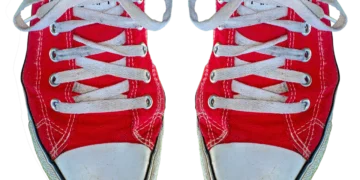
Yes, sneakers are good for walking, provided they possess structural stability and are designed specifically for linear, heel-to-toe biomechanics. However, not all sneakers are suitable for sustained walking. Casual lifestyle sneakers—such as flat-soled canvas shoes or ultralight flexible knit low-tops—often lack the arch support, midfoot stiffness, and shock absorption necessary for distance or daily wear.
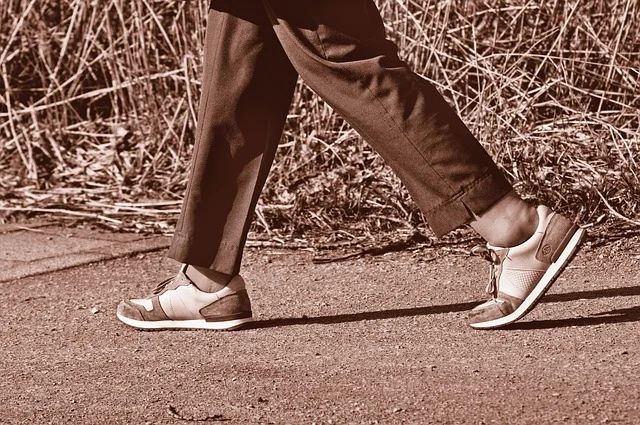
During a typical walk, each step places an impact force equivalent to roughly 1.5 times your body weight onto the foot. Over a 10,000-step walk, this translates to hundreds of tons of cumulative impact force. Flat or purely fashion-oriented sneakers force the intrinsic foot muscles, plantar fascia, and Achilles tendon to absorb this shock without structural assistance. In contrast, dedicated walking sneakers or structured athletic sneakers utilize dual-density ethylene-vinyl acetate (EVA) or polyurethane (PU) midsoles to damp force while holding the heel in neutral alignment.
What’s the best sneakers for walking? Essential features to look for
Determining what is best sneaker for walking requires looking past soft step-in feel and evaluating five essential mechanical components:

- Firm Heel Counter: The cup surrounding the back of your heel should be rigid enough to prevent excessive rearfoot swaying (calcaneal motion). If you can easily collapse the back of the shoe flat with your thumb, it lacks adequate stability.
- Torsional Rigidity: Grasp the front and back of the sneaker and attempt to twist it like a wet towel. A supportive walking shoe resists midfoot twisting, bending easily only at the ball of the foot where your toes flex naturally.
- Moderate Heel-to-Toe Drop: Walking involves a pronounced heel-strike to forefoot-roll pattern. A drop between 8mm and 12mm promotes a smooth gait transition while reducing strain on the Achilles tendon and calves.
- Balanced Midsole Density: Extremely squishy foams let the heel tilt inward (overpronation) or outward (supination). A firmer, high-rebound foam base preserves stable alignment.
- Full Rubber Outsole: Durable rubber outsoles protect the softer midsole foam from rapid abrasion on pavement while providing wet and dry traction.
Comparing sneaker types for walking performance
| Feature | Flat / Fashion Sneaker | Plush Unstructured Sneaker | Structured Walking Sneaker |
|---|---|---|---|
| Midsole Material | Thin rubber or low-density foam | Ultra-soft, low-density EVA | Dual-density EVA or Polyurethane |
| Midfoot Shank | None | None | Integrated TPU or hard polymer shank |
| Heel Stability | Minimal to none | Soft fabric back | Molded thermoplastic heel cup |
| Flex Location | Bends across entire sole | Bends across arch area | Flexes exclusively at toe joints |
| Impact Protection | Poor | Initial softness; sags quickly | Consistent, long-distance shock absorption |
Best sneakers for walking all day and standing
Choosing the best sneakers for walking all day requires balancing motion support with static standing comfort. Standing in one place causes blood pooling and continuous pressure on the heel pad and forefoot, whereas walking creates dynamic friction and impact forces.
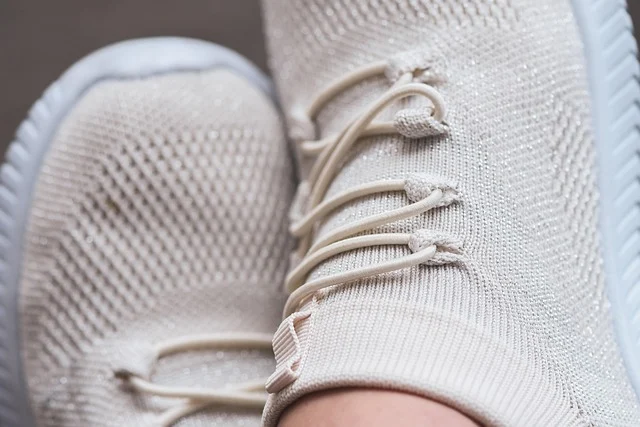
Best sneakers for walking and standing all day
For routines combining prolonged standing with constant movement, choose sneakers featuring a wide base of support (flared midsoles) and firm, responsive cushioning. Broad outsoles distribute body weight over a larger surface area, minimizing localized pressure under the heel bone and metatarsal heads. Uppers made of breathable, accommodating mesh adjust to natural foot swelling, which can expand foot volume by up to half a size over an eight-hour shift.
Best sneakers for walking on concrete all day
Concrete is an unyielding surface that returns ground force directly into your feet and joints without shock absorption. The best sneakers for walking on concrete feature dense polyurethane (PU) or firm EVA midsoles that do not compress flat over continuous hours of use. While polyurethane is slightly heavier than ultra-light foam, its closed-cell structure resists collapse on hard pavement. A thick rubber outsole is equally vital to keep abrasive concrete from tearing through soft foam bottoms.
Best sneakers for walking long distances
Walking long distances (5+ miles or over 10,000 steps at a stretch) demands efficient energy transfer and friction management. Over extended mileage, minor fitting flaws lead directly to hot spots, blisters, or arch fatigue.
- Rocker Bottom / Toe Spring: Sneakers engineered with a slight upward curve at the toe (rocker geometry) assist forward propulsion, reducing the work required from the big toe joint with every step.
- Moisture-Wicking Upper Materials: Engineered mesh lining pulls sweat away from the skin, maintaining a dry interior microclimate that prevents skin breakdown and friction blisters.
- Secure Midfoot Lacing: Midfoot overlays or ghillie lacing systems anchor the instep, preventing the foot from sliding forward on downhill walks.
Best sneakers for walking in Europe and travel
Walking around Europe during travel presents multi-surface challenges: slick stone pavement, ancient cobblestone roads, stairs, and itineraries that frequently exceed 15,000 to 20,000 daily steps.
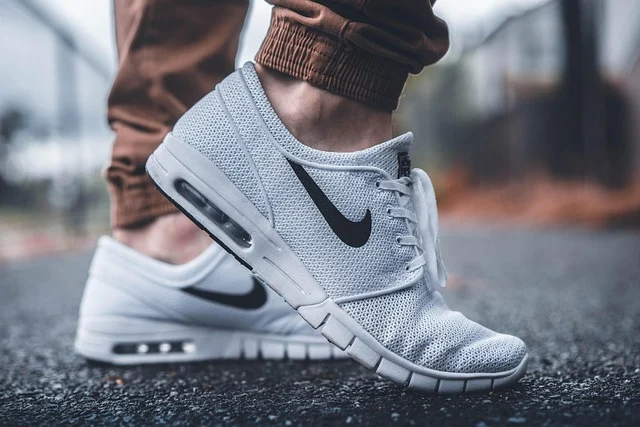
Cobblestones create unpredictable, angled landing surfaces. High-stack max-cushioned shoes increase the risk of ankle rolls on uneven terrain. Select walking sneakers with a low-to-medium stack height (20mm–28mm), a broad heel platform, and multi-directional rubber tread patterns. Leather or water-resistant synthetic uppers are advantageous for European trips, offering weather resistance against rain while cleaning up easily after dusty sightseeing days.
Best sneakers for walking women vs. best sneakers for walking men
While fundamental biomechanics apply universally, biological differences influence optimal sneaker shape and structural design.

Best sneakers for walking women
On average, women have a wider Q-angle (the angle between the hip and the kneecap) due to a broader pelvis. This structural alignment often increases inward foot rolling (pronation). Women’s sneakers optimized for walking feature contoured medial support pillars, arch reinforcement, and gender-specific lasts that feature a narrower heel cup combined with a wider forefoot to prevent heel slippage without pinching the toes.
Best sneakers for walking men
Men typically carry higher average body mass, generating higher peak ground impact forces. The best sneakers for walking men utilize higher-density foam compounds to prevent deep bottoming-out of the cushioning. Men’s lasts feature wider midfoot platforms, higher instep volume, and broader heel bases to match larger skeletal dimensions.
Are running shoes bad for walking?
Running shoes can be used for walking, but they are not ideal. Their design prioritizes impact absorption for running’s higher forces and often includes a greater heel-to-toe drop, which can be less comfortable for walking.
Running impact forces equal 2 to 3 times body weight, landing predominantly on the midfoot or forefoot. Walking involves an elongated heel strike followed by a full roll through the arch and push-off from the toes. Running shoes built with aggressive heel cutouts, super-soft bouncy foams, or stiff propulsion plates can destabilize a walker’s heel contact phase, leading to ankle strain or shin soreness during long, slow walks.
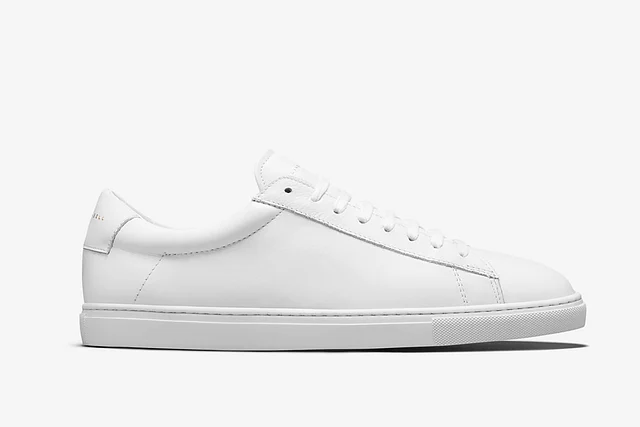
Common walking shoe problems and how to fix them
Discomfort often stems from incorrect fit or improper lacing rather than defect. Here are common issues and practical fixes:
- Toes Hitting the Front / Black Toenails: Caused by insufficient clearance at the front of the shoe. Fix: Size up by half a size. Ensure there is roughly a full thumb’s width (0.5 inches) of space between your longest toe and the end of the shoe when standing.
- Heel Slipping and Friction Blisters: Caused by a loose heel pocket or stiff outsole that doesn’t flex with the foot. Fix: Use the extra top eyelet to create a runner’s loop (heel lock lace), tying the ankle securely against the heel counter.
- Arch Soreness or Plantar Strain: Occurs when walking in flat shoes or overly soft midsoles that lack support. Fix: Transition to sneakers with structured arch support or insert rigid orthotic footbeds.
- Uneven Outsole Wear: Accelerated wear on the outer edge indicates supination, while excessive inner wear indicates overpronation. Fix: Replace footwear once outsole tread flattens to avoid misaligning ankle and knee joints.
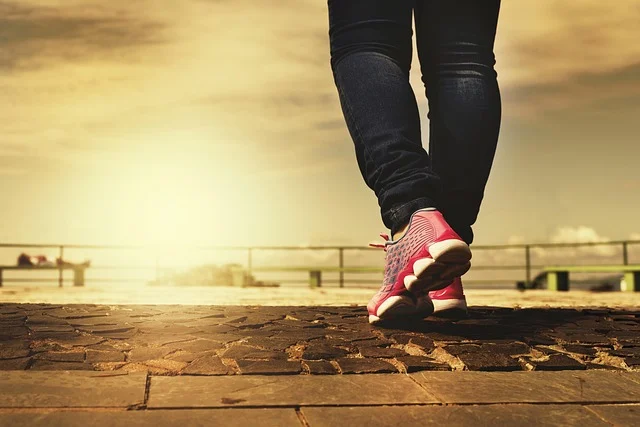
Who this advice does not suit
While structured walking sneakers benefit most individuals, standard footwear guidelines do not fit every situation:
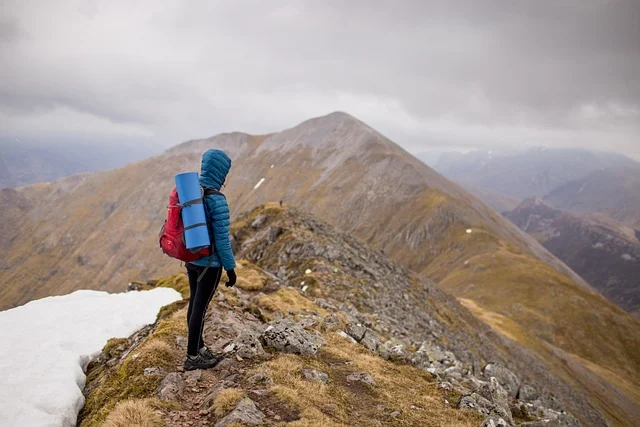
- Individuals with Diabetic Neuropathy: Walkers with severe sensory loss require specialized, smooth extra-depth medical footwear prescribed by a podiatrist to prevent unperceived tissue friction and sores.
- Wearers of Custom Rigid AFO Braces: Ankle-foot orthoses require extra-wide, removable-insole specialty shoes engineered to fit hard plastic braces.
- Adapted Barefoot / Minimalist Walkers: Walkers who have spent years building intrinsic foot strength in zero-drop footwear will find rigid midsoles and motion control shanks restrictive to their established gait.
Source: Vogue
Related Articles
- The Evolution of Sneaker Culture: From Courts to Collectibles in 2026
- Taylor Swift’s Sexy Style Evolution: Iconic Looks of 2026
- Men’s Jeans Baggy: The 2026 Style Guide to Comfort & Fit
Sources: The Walking Company
Frequently asked questions
How often should I replace my walking shoes?
Generally, walking shoes should be replaced every 300–500 miles, or when you notice significant wear on the outsole or a loss of cushioning and support. This typically translates to every 6–12 months for regular walkers.
Can walking shoes help with plantar fasciitis?
Yes, supportive walking shoes with good arch support and cushioning can significantly alleviate symptoms of plantar fasciitis by providing stability and reducing strain on the plantar fascia ligament.
What is the best walking shoe brand in 2026?
Several brands consistently produce excellent walking shoes, including Brooks, Hoka, New Balance, and ASICS. The ‘best’ brand depends on your individual foot type, gait, and walking preferences.
Should walking shoes be tight or loose?
Walking shoes should be snug but not tight. There should be about a thumb’s width of space at the end of the shoe, and your heel should feel secure without slipping. Your toes should have room to wiggle.
Can I wear sneakers with no arch support for walking?
While possible for short, casual walks, sneakers lacking arch support are not recommended for regular or long-distance walking, as they can lead to foot fatigue, pain, and potential biomechanical issues.


