








The most effective female hair loss treatment that works depends on the root cause, but topical 5% minoxidil and oral spironolactone offer the highest clinical success for genetic thinning. Combining topical minoxidil with anti-androgen therapy or low-level laser therapy yields faster, denser regrowth than single treatments alone.
Finding a female hair loss treatment that genuinely works requires cutting through marketing claims and addressing the specific physiological trigger causing your hair to thin. Women experience hair loss differently than men, and using the wrong intervention often leads to frustration and wasted time. The primary objective is to stop active follicle miniaturization, restore normal growth cycles, and optimize scalp health for lasting density.
When searching for effective female hair loss treatments, you must evaluate clinical evidence, required daily commitment, potential side effects, and overall financial costs. While cosmetic procedures like a specialized treatment can temporarily improve the physical appearance of existing hair strands, stopping progressive thinning requires targeted medical or therapeutic interventions.
Why is accurate diagnosis essential before treating hair loss?
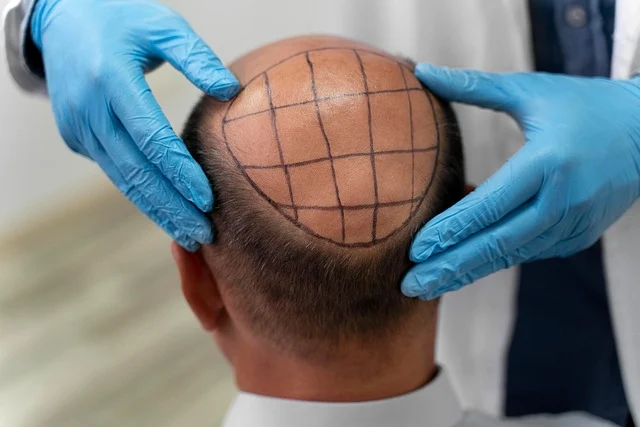
Female hair loss presents in several distinct forms, and applying a treatment intended for one condition will not resolve another. Female pattern hair loss (FPHL), or androgenetic alopecia, typically causes diffuse thinning across the crown and a widening of the central part line, while preserving the frontal hairline. This occurs when hair follicles are genetically sensitive to circulating androgenic hormones, causing the growth (anagen) phase to shorten and hair strands to progressively shrink in diameter.
Other common causes of thinning require vastly different approaches:
- Telogen Effluvium: Rapid, widespread shedding that occurs two to four months after a major physical or emotional stressor, severe illness, rapid weight loss, or childbirth. This condition pushes a high percentage of actively growing follicles into the resting (telogen) phase simultaneously.
- Alopecia Areata: An autoimmune condition where the body’s immune system attacks hair follicles, producing sudden, smooth, round patches of complete hair loss.
- Traction Alopecia: Mechanical damage caused by persistent pulling from tight ponytails, braids, buns, or hair extensions, which damages the follicle root over time.
- Cicatricial (Scarring) Alopecia: Inflammatory conditions that permanently destroy hair follicles and replace them with scar tissue, requiring prompt medical intervention to halt permanent loss.
Before starting any therapy, schedule an evaluation with a board-certified dermatologist or trichologist. A comprehensive evaluation includes scalp trichoscopy (magnified visual examination of follicles), a hair pull test, and blood tests to check serum ferritin (iron stores), total and free testosterone, DHEA-S, thyroid-stimulating hormone (TSH), Vitamin D, zinc, and Vitamin B12. Uncovering underlying systemic issues is necessary before choosing a targeted female hair loss treatment that works.
Which prescription and over-the-counter medications deliver proven results?
Pharmacological treatments represent the primary medical strategy for androgenetic thinning. These medications work by expanding blood vessels to deliver nutrients to hair roots or by blocking hormone interactions that cause follicles to shrink.
Topical Minoxidil
Topical minoxidil remains the most extensively researched over-the-counter option for female pattern thinning. It acts as a potassium channel opener and vasodilator, extending the anagen phase of the hair follicle and widening miniaturized roots so they produce thicker hair shafts.
According to research published in the Journal of the American Academy of Dermatology, the 5% topical minoxidil foam applied once daily demonstrates superior efficacy and lower rates of scalp irritation compared to the 2% liquid formulation. Many women prefer the 5% foam because it lacks propylene glycol, the primary ingredient responsible for scalp itching and contact dermatitis in liquid formulations.
- Expected Outcome: Noticeable stabilization of shedding and moderate regrowth in 60% to 80% of consistent users after three to six months.
- Application Method: Apply directly to a clean, dry scalp in thinning areas once daily for 5% foam or twice daily for 2% liquid. Massage gently into the skin and allow it to dry completely before applying styling products or going to bed.
- Known Drawbacks: Requires ongoing continuous use; stopping the medication causes newly grown hair to shed within three to four months. Temporary shedding often increases during the first two to eight weeks of use as resting follicles clear out to start new growth cycles. Misapplication to the face or neck can trigger localized unwanted facial hair growth (hypertrichosis).
Spironolactone
Spironolactone is an oral prescription aldosterone receptor antagonist and anti-androgen. While initially developed to manage high blood pressure and fluid retention, it serves as a common off-label systemic treatment for female pattern hair loss, particularly in women with hormonal imbalances, polycystic ovary syndrome (PCOS), or signs of excess androgen activity like persistent adult acne. For women managing co-occurring skin conditions alongside hair thinning, balancing systemic androgen levels often supports overall treatment goals Best Skin Care for Women Over 50.
It works by competing with dihydrotestosterone (DHT) for androgen receptors at the hair follicle level and slowing the adrenal production of androgenic hormones. A clinical study in the International Journal of Trichology showed that oral spironolactone at dosages between 50 mg and 200 mg daily effectively halted hair loss progression and stimulated variable degrees of visible regrowth when used consistently over 12 months.
- Expected Outcome: Halts progressive genetic thinning and improves scalp coverage, especially when paired with topical minoxidil.
- Application Method: Taken orally as a tablet once or twice daily according to prescription guidelines (typically starting at 50 mg daily and adjusting upward to 100 mg–200 mg based on response and tolerance).
- Known Drawbacks: Requires a doctor’s prescription and regular blood monitoring of serum potassium and kidney function. Common side effects include increased urination, mild fatigue, low blood pressure, breast tenderness, and irregular menstrual cycles. Spironolactone is strictly contraindicated during pregnancy due to the risk of feminizing a male fetus.
Finasteride and Dutasteride
Finasteride and dutasteride are potent oral 5-alpha reductase inhibitors that reduce the conversion of testosterone into dihydrotestosterone (DHT). Although primarily prescribed for male baldness, dermatologists sometimes prescribe low-dose oral finasteride (1.25 mg to 2.5 mg daily) or dutasteride (0.5 mg daily) off-label for post-menopausal women or pre-menopausal women using guaranteed forms of contraception.
Because these drugs interfere with hormone conversion, they are strictly prohibited for anyone who is pregnant or planning to become pregnant due to severe developmental risks. However, for older women who have not achieved adequate density through minoxidil and spironolactone, 5-alpha reductase inhibitors provide an additional avenue to slow genetic miniaturization.
Low-Dose Oral Minoxidil
For women who experience persistent contact dermatitis from topical minoxidil or struggle with the texture changes it causes in hair, off-label low-dose oral minoxidil (0.25 mg to 1.25 mg taken daily) has grown in clinical use. Oral administration ensures systemic uptake, eliminating daily scalp application issues. Potential side effects include mild fluid retention, lightheadedness, and hypertrichosis on the arms, face, or legs, requiring clear medical evaluation before starting therapy.
How to find a female hair loss treatment that works
Comparing primary treatments helps set realistic expectations regarding timelines, medical involvement, and daily routines.
| Treatment Option | Primary Mechanism | Best Candidate | Timeline for Results | Key Limitations |
|---|---|---|---|---|
| 5% Minoxidil Foam | Increases vascular flow; extends anagen growth phase | Mild to moderate female pattern hair loss | 3 to 6 months | Requires lifelong daily application; initial temporary shedding phase |
| Oral Spironolactone | Blocks androgen receptors; reduces systemic DHT impact | Women with hormonal hair loss, PCOS, or androgen sensitivity | 6 to 12 months | Prescription required; potential potassium shifts and low blood pressure |
| Platelet-Rich Plasma (PRP) | Delivers concentrated autologous growth factors to follicles | Early-stage pattern hair loss; stagnant regrowth | 3 to 6 months (after 3–4 sessions) | High out-of-pocket cost; requires repeated maintenance injections |
| Low-Level Laser Therapy (LLLT) | Stimulates cellular respiration (ATP) via red light wavelengths | Diffusely thinning hair; patients seeking non-drug options | 4 to 6 months | Requires consistent 15–20 minute sessions 3 times per week |
| Hair Transplant Surgery | Transplants androgen-resistant follicles to donor gaps | Localized permanent loss with dense donor regions | 12 to 18 months | Invasive and costly; unsuitable for diffuse unpatterned alopecia |
What advanced medical and clinical procedures promote hair regrowth?
When daily topical or oral medications are insufficient, in-office dermatological procedures offer non-surgical and surgical options to re-energize dormant hair roots.
Platelet-Rich Plasma (PRP) Therapy
Platelet-Rich Plasma therapy utilizes growth factors isolated directly from your own blood to stimulate inactive hair follicles. During a procedure, a clinician draws a small blood sample, processes it in a centrifuge to separate platelet-rich plasma from red and white blood cells, and injects this concentrated fluid across thinning areas of the scalp.
Platelets store essential growth factors—including Vascular Endothelial Growth Factor (VEGF) and Platelet-Derived Growth Factor (PDGF)—that reduce local tissue inflammation, promote new micro-blood vessel formation, and encourage telogen-phase follicles to return to the active growth phase. A meta-analysis published in the Journal of Cosmetic Dermatology confirmed that PRP injections produce measurable increases in mean hair density and hair shaft thickness for women with androgenetic alopecia.
- Protocol: Initial treatment requires three to four sessions spaced four weeks apart, followed by single maintenance sessions every 6 to 12 months.
- Cost and Trade-offs: Financial outlay ranges from $300 to $1,000 per session depending on provider expertise and equipment. Because PRP uses your own blood, adverse allergic reactions are non-existent, though temporary scalp tenderness, mild swelling, and bruising at injection sites can occur.
Low-Level Laser Therapy (LLLT)
Low-Level Laser Therapy uses monochromatic red light energy (typically within the wavelength range of 630 nm to 670 nm) to penetrate the scalp tissue. Cytochrome c oxidase inside cellular mitochondria absorbs these light photons, boosting adenosine triphosphate (ATP) production and cellular respiration within hair follicle cells.
The American Academy of Dermatology recognizes home-use laser caps, helmets, and combs emitting red light as safe therapies for female pattern hair loss. Regular use promotes localized metabolic activity, keeping follicles in the anagen phase longer and increasing overall hair strand diameter.

- Application Guidelines: Use an cleared red-light helmet or cap for 15 to 25 minutes every other day. Consistency is crucial; skipping sessions diminishes overall cellular stimulation.
- Best Candidates: Women experiencing early-to-moderate generalized thinning across the vertex who desire an adjunct treatment without systemic chemical drug side effects.
Hair Transplant Surgery
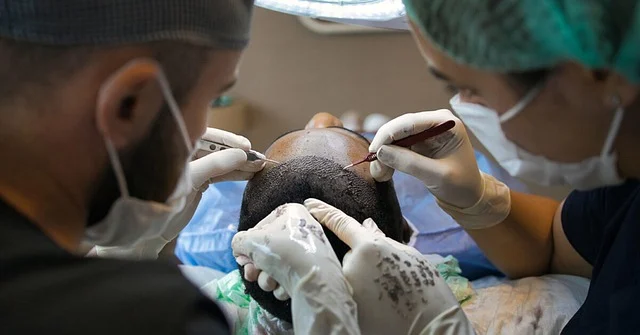
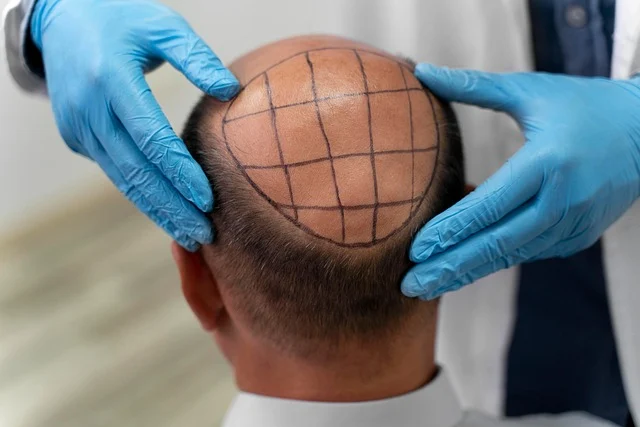
For advanced or localized hair thinning that does not respond to non-invasive options, surgical hair transplantation is a permanent option. Techniques such as Follicular Unit Extraction (FUE) and Follicular Unit Transplantation (FUT) involve extracting individual, healthy hair grafts from androgen-resistant donor zones (typically the lower back of the head) and meticulous micro-grafting into sparse regions along the scalp or part line.
While historically performed mostly on men, reports from the American Society of Hair Restoration Surgery (ASHRS) show a steady increase in female hair transplantation procedures. Women with clear, localized areas of thinning and preserved donor density make ideal candidates. Understanding procedural requirements and healing timelines is critical before choosing a surgical Transplant intervention.
- Requirements: Candidates must possess a stable, dense donor region at the back and sides of the scalp. Women with Diffuse Unpatterned Alopecia (DUPA)—where hair thins uniformly across the entire scalp, including donor sites—are poor candidates for transplant surgery.
- Recovery Timeline: Grafted hairs fall out within two to four weeks post-surgery due to temporary shock. New growth begins at three to four months, with final density and cosmetic appearance fully establishing between 12 and 18 months.
Which emerging therapies show potential for future hair restoration?
Therapeutic hair restoration research continues to advance beyond conventional medical approaches. Emerging options focus on cellular messaging and regenerative biologics:
- Exosomes: These extra-cellular vesicles are harvested from human stem cells and contain concentrated signaling proteins, messenger RNA, and microRNA. When injected directly into the scalp, exosomes send biochemical signals that reduce chronic tissue inflammation and signal dormant follicle stem cells to re-enter anagen growth.
- Stem Cell Therapy: Experimental procedures extract autologous micro-grafts from small scalp biopsies, process the tissue to isolate dermal papilla stem cells, and re-inject them to promote hair follicle regeneration.
- Topical Growth Factors and Peptides: Specialized serum formulations containing copper tripeptide-1, biomorphic peptides, and synthetic growth factor complexes are applied to support cellular turn-over and reinforce follicle anchoring.
- Botanical Herbal Formulations: A report featured on ScienceDaily detailed scientific evaluations of active botanical compounds extracted from traditional Chinese medicine. Specific herbal derivatives demonstrated the ability to down-regulate local micro-inflammation and modulate enzymatic pathways linked to hair cycle degradation.
How do dietary, lifestyle, and scalp factors impact treatment success?
Topical and prescription treatments work best when supported by ideal systemic health and low levels of scalp inflammation.
Correcting Nutritional Deficiencies
Hair follicles are among the most metabolically active tissues in the human body, requiring a steady supply of micronutrients to maintain cell division. Addressing identified Nutritional deficiencies resolves hair shedding caused by nutritional telogen effluvium.
The National Health Service (NHS) emphasizes that iron deficiency anemia is one of the most widespread triggers for unexplained hair loss in women of childbearing age. Hair follicle cells require iron to function efficiently; serum ferritin levels should ideally remain above 50 to 70 ng/mL to maintain optimal hair growth cycles, even if standard laboratory ranges consider lower levels “normal.”
- Key Nutrients for Follicle Health: Ferritin (iron stores), Vitamin D3 (helps initiate the anagen growth cycle), Zinc (supports tissue repair and oil gland function around follicles), Biotin (Vitamin B7), and essential fatty acids.
- Action Step: Request a complete micronutrient blood panel from your doctor. Supplement strictly based on lab results rather than taking indiscriminate high-dose vitamins, as excessive intake of Vitamin A or Vitamin E can trigger additional shedding.
Optimizing Scalp Micro-Environment
A healthy scalp environment is fundamental for optimal follicle performance. Chronic scalp inflammation caused by seborrheic dermatitis, fungal overgrowth, or product buildup damages delicate follicle tissue and accelerates hair loss.
Ketoconazole acts as an anti-fungal agent that suppresses Malassezia yeast and exerts mild localized anti-androgenic effects on the scalp, making it a valuable addition to any female hair loss strategy.
Managing Stress and Preventing Traction Damage
Elevated cortisol levels disrupt hair growth by driving collagen breakdown around hair follicles and pushing growing hairs into early resting phases. Incorporating stress-reduction techniques—such as regular aerobic exercise, yoga, targeted mindfulness, and adequate sleep hygiene—helps moderate cortisol spikes and reduces stress-induced telogen shedding.
Additionally, review your everyday styling choices. Avoid high-tension hairstyles like tight high ponytails, slicked-back buns, extensions, or heavy weaves that apply persistent physical strain to roots. Switch to wide-tooth combs, soft scrunchies, and friction-reducing silk pillowcases to prevent breakage along fragile part lines.
What is the step-by-step process for treating female hair loss?
Following a structured plan prevents wasted spend and helps track what actually works for your scalp:
- Obtain Professional Evaluation: Schedule a consultation with a dermatologist or specialized trichologist. Obtain trichoscopy findings and complete blood work to isolate metabolic, genetic, or hormonal causes.
- Start Core Evidence-Based Treatments: Initiate a primary foundational treatment recommended for your specific diagnosis—such as 5% topical minoxidil foam applied daily for pattern thinning, or prescription spironolactone if androgenic excess is present.
- Address Nutritional and Scalp Factors: Correct identified nutritional deficiencies with target-specific oral supplements. Incorporate a 1% or 2% ketoconazole shampoo twice weekly to reduce scalp inflammation.
- Document Baseline Progress: Take high-resolution, clear photos of your scalp (part line, crown, sides, and frontal hairline) under consistent, bright lighting. Repeat these photos every three months to evaluate subtle changes that daily visual checks miss.
- Re-Evaluate at Six Months: Assess progress with your doctor after six months of strict treatment adherence. If hair density has stabilized or improved, continue the routine. If response is minimal, consider adding adjunctive therapies like Low-Level Laser Therapy (LLLT) or Platelet-Rich Plasma (PRP) sessions.
What common mistakes cause female hair loss treatments to fail?
Avoiding critical errors saves time and helps preserve remaining hair density.
1. Stopping Treatment During the Initial Shed Phase: Treatments like minoxidil often trigger increased shedding during the first two to eight weeks of use. This occurs because miniaturized follicles push out old, weak hair shafts to make room for healthier, thicker growth. Quitting prematurely during this window aborts potential regrowth before new strands emerge.
2. Relying on Cosmetic Shampoos for Genetic Hair Loss: Everyday volumetric shampoos and thickeners coat the hair shaft to create temporary volume, but they do not alter internal hormones or revive shrinking follicles. Expecting over-the-counter hair care products alone to stop genetic hair loss delays starting treatments that actually address the root cause.

3. Inconsistent Daily Application: Minoxidil and prescription medications require steady blood and tissue concentrations. Skipping applications breaks the stimulation cycle, causing progress to stagnate and hair shedding to resume.
4. Ignoring Underlying Systemic Conditions: Treating hair loss topically without addressing underlying conditions like hypothyroidism, polycystic ovary syndrome (PCOS), or severe iron deficiency limits progress. Systemic imbalances must be corrected for scalp therapies to reach full effectiveness.
5. Taking Unverified High-Dose Hair Supplements: Taking high-dose biotin or multivitamin blends without proven blood deficiencies provides no extra hair growth benefits and can interfere with routine laboratory blood tests, including thyroid function panels.
Who should NOT use these hair loss treatments?
Certain therapies carry medical risks or contraindications for specific individuals:

- Pregnant, Nursing, or Conceiving Women: Anti-androgen medications (spironolactone, finasteride, dutasteride) carry strict contraindications due to the high risk of severe birth defects. Topical and oral minoxidil should also be avoided during pregnancy and breastfeeding unless explicitly cleared by an obstetrician.
- Individuals with Low Blood Pressure or Cardiac Conditions: Oral minoxidil and systemic spironolactone alter systemic blood pressure and fluid balance. Women with low blood pressure, severe kidney dysfunction, or heart arrhythmias require careful medical evaluation before consideration.
- Patients with Diffuse Unpatterned Alopecia (DUPA): Surgical hair transplantation is contraindicated for women with generalized diffuse thinning across the entire scalp, as transplanted donor hairs carry the same genetic instability as recipient sites.
Frequently asked questions
Can female pattern hair loss be completely reversed?
Female pattern hair loss cannot be permanently cured, but early intervention with 5% minoxidil and prescription anti-androgens can halt progressive thinning and restore visible hair density. Maintaining these improvements requires ongoing consistent treatment to prevent miniaturization from resuming.
How long does it take to see visible results from hair loss treatments?
Most evidence-based therapies require three to six months of daily, consistent use before noticeable stabilization or early regrowth appears. Maximum density outcomes typically manifest between 12 and 18 months of ongoing therapy.
Is platelet-rich plasma (PRP) therapy effective for all types of hair loss?
PRP therapy works best for early-to-moderate female pattern hair loss and non-scarring alopecia by stimulating partially miniaturized, active follicles. It is ineffective for long-standing complete baldness or areas where hair follicles have been permanently replaced by scar tissue.
What happens if you stop applying topical minoxidil?
Stopping minoxidil causes any hair grown or maintained by the treatment to shed within three to four months. Your scalp will gradually return to the baseline level of hair density it would have reached had treatment never been started.
What serum ferritin level is required to support female hair growth?
While standard laboratory reference ranges define normal serum ferritin starting as low as 15 ng/mL, clinical trichology guidelines recommend maintaining ferritin levels above 50 to 70 ng/mL to properly support the high metabolic demands of hair follicle division.


