













Choosing gowns for women requires matching the dress code of your event with a silhouette and fabric that complement your body shape and personal taste. Whether you need a formal evening gown, a structured ball gown, or a sleek column dress, prioritizing fit, material drape, and proper alterations ensures a comfortable, sophisticated look.
How do event dress codes determine your gown choice?
Understanding event dress codes prevents either underdressing or choosing a style that hinders movement. Formal invitations specify codes ranging from White Tie to Black Tie Optional, each carrying distinct expectations for hem length, fabric luxury, and styling details.

- White Tie: The most formal category. Women wear full-length formal ball gowns or structured evening dresses, traditionally paired with floor-length hemline clearance, formal hair styling, and fine jewelry.
- Black Tie: Requires floor-length evening gowns. Sleek sheath dresses, sweeping A-line gowns, and ornate mermaid styles in rich fabrics like satin, velvet, or heavy silk crepe fit this requirement.
- Black Tie Optional or Formal: Offers slightly more flexibility. Floor-length gowns remain the standard choice, but elegant, high-end ankle-length or asymmetrical formal gowns are also acceptable.
- Cocktail or Semi-Formal: Does not require full gowns; midi-length or tea-length dresses are preferred over sweeping floor-length skirts.
When selecting gowns for women attending gala events or black-tie celebrations, pay close attention to hem length. A dress hem should hover roughly one-quarter to one-half inch above the floor while wearing your chosen event shoes to avoid tripping or catching fabric under heel taps.
Which gown silhouette suits your body shape?
Silhouettes define the outline and volume of a dress. Matching your natural frame to the correct pattern geometry enhances comfort and movement throughout a long event.

A-Line Gowns
An A-line gown fits snugly through the bust and natural waist before widening smoothly down to the hem, forming the shape of a capital letter A. This cut balances broad shoulders, draws attention to the narrowest point of the waist, and accommodates lower-body proportions comfortably.
Ball Gowns
Ball gowns feature a fitted bodice through the torso paired with a wide, dramatic skirt supported by built-in crinoline or layered petticoats. They suit black-tie galas and formal ceremonies. While ball gowns add regal presence, keep in mind that multi-layered skirts add weight and take up considerable space when seated.
Mermaid and Trumpet Gowns
Mermaid and trumpet gowns follow the contours of the bust, waist, and hips closely. Trumpet gowns flare out around mid-thigh, allowing reasonable leg movement. Mermaid gowns remain fitted down to the knee before expanding outward. These cuts highlight curves but restrict long strides, making staircases and dancing more challenging.
Sheath and Column Gowns
Sheath and column gowns drop straight down from the neckline or shoulders to the floor with minimal outward flare. Crafted from materials like crepe, silk jersey, or heavy satin, they create an elongated profile. They work exceptionally well for athletic, slender, or petite figures, though a subtle slit is often needed to allow comfortable walking.
Empire Waist Gowns
Empire gowns feature a fitted bust with a raised waistline sitting directly beneath the bust. The remaining skirt flows loosely over the stomach and hips down to the hem. This design elongates short frames and provides comfortable movement around the midsection.
| Silhouette | Best For | Formality Level | Movement & Comfort |
|---|---|---|---|
| A-Line | Pear, hourglass, rectangle, and inverted triangle shapes | Formal to Black Tie | High mobility; easy for sitting and dancing |
| Ball Gown | Hourglass, pear, and petite frames seeking structure | White Tie and formal Galas | Moderate mobility; skirt volume requires seating space |
| Mermaid / Trumpet | Hourglass and curvier figures wanting defined lines | Black Tie and evening galas | Restricted stride; requires short steps and care on stairs |
| Sheath / Column | Athletic, slim, and tall body shapes | Black Tie Optional to Formal | High mobility when tailored with a slit |
| Empire Waist | Petite frames, bust-focused fits, and relaxed comfort | Formal to semi-formal galas | High mobility; unstructured through waist and hips |
How do fabric choices impact drape, weight, and formality?
A gown’s fabric determines how it holds structure, hangs on the body, and reflects light. Heavyweight fabrics offer tailored shaping, while lightweight textiles produce fluid movement.

Rich velvets and heavy silk satins bring depth and warmth to late-autumn and winter events. They hold deep jewel tones vivid and obscure minor undergarment lines. Lightweight chiffon and georgette provide airy, romantic movement ideal for spring and summer evening occasions, though they require smooth lining layers to prevent cling.
Structured weaves such as silk mikado and crisp crepe hold geometric folds without requiring bulky under-layers. Intricate lace overlays and embroidered tulle offer visual dimension while disguising minor tailoring seams. According to fashion forecasting group WGSN’s 2026 outlook, sustainable materials like Tencel, certified organic cotton blends, and recycled polyesters are increasingly integrated into couture formalwear, offering eco-conscious structure that matches traditional silk weaves.
Looking Beyond standard synthetic polyesters, modern eco-fabrics retain color vibrance without degrading over repeated dry cleans. Buyers seeking high-end evening options in 2026 benefit from choosing fabrics with natural drape so the gown contours gently rather than pulling across stress points.
What are the key styling and color trends for gowns?
While classic black, navy, and deep burgundy remain timeless choices for evening wear, vibrant jewel tones offer striking alternatives. Emerald green, rich fuchsia, and fiery orange stand out at formal gatherings, especially when rendered in high-gloss satins or plush velvets.
Design details focus heavily on sleeve construction and structural embellishment. Puffed shoulders, sheer bishop sleeves, and off-the-shoulder folds create focal points near the face, drawing eyes upward. Intricate glass beadwork, metallic thread embroidery, and subtle sequin placements add multidimensional texture without adding excessive weight to the gown’s frame.

Where should you shop for women’s formal gowns?
Finding the right dress involves exploring physical boutiques, luxury department stores, and dedicated online stockists. Department stores like Nordstrom and Dillard’s stock curated ranges across multiple price points and provide in-store alteration consults. Specialized online formalwear destinations including Jovani, Simply Dresses, and Net-a-Porter offer expansive size catalogs and exclusive designer cuts.

For shoppers seeking high design value under strict spending limits, off-price retailers such as Nordstrom Rack offer past-season designer dresses at substantial discounts. Rental services such as Rent the Runway allow access to high-end designer pieces for single-use occasions, avoiding the long-term storage and higher purchase price of direct ownership.
Prioritizing circular fashion through pre-owned or rental platforms drastically reduces textile waste. Reports from The Ellen MacArthur Foundation emphasize rental models and resale systems as fundamental drivers toward sustainable garment consumption in special occasion fashion.
How do you plan your gown timeline, alterations, and total budget?
Shopping for a formal gown requires planning weeks or months ahead of your target date. Ordering off-the-rack or online can take anywhere from a few days to several weeks, while special-order sizes or custom gowns often require three to six months for production and delivery.
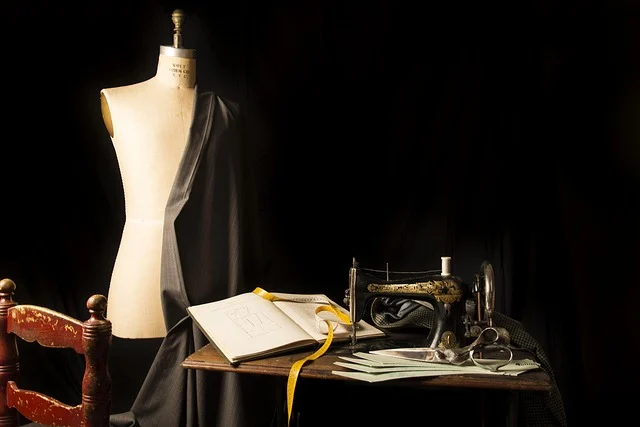
Allowing four to six weeks specifically for professional alterations is crucial. Off-the-rack gowns are cut to standardized proportional patterns; almost every gown requires minor fitting adjustments to look tailored to your body. Follow this step-by-step alteration checklist once your gown arrives:
- First Fitting: Bring the exact underwear, shapewear, and shoes you plan to wear on the event day. The seamstress will pin the shoulders, bust seams, waist, and hem to match your specific footwear height.
- Hem Adjustment: Ensure the skirt hem hangs evenly all around without dragging or pooling on the floor.
- Bustle Installation: If your gown features a sweeping train, have your tailor add bustle buttons or ribbons so you can pin up the train during dinner and dancing.
- Final Fitting: Try on the altered gown three to seven days before the event to verify fit, test mobility, and ensure zipper and hook closures operate smoothly.
When creating your budget, remember to factor in tailoring fees, which typically add $50 to $200 or more depending on dress complexity and lace or bead embellishment. The National Retail Federation’s 2026 report on special occasion spending highlights that consumers frequently underestimate total outfit costs by ignoring alteration services, formal footwear, and undergarment accessories.
How to select undergarments, shoes, and accessories
Undergarments form the foundation of any well-fitted gown. Backless or low-plunge necklines require specialized strapless plunge bras, adhesive cups, or low-back bodysuits. Choose smooth, flat-seamed base layers that eliminate visible underwear lines and prevent outer fabric cling. (For additional details on bra fitting for special occasion wear, see Beyond the Hype: Strategic ‘Iaketa’ Choices Style).
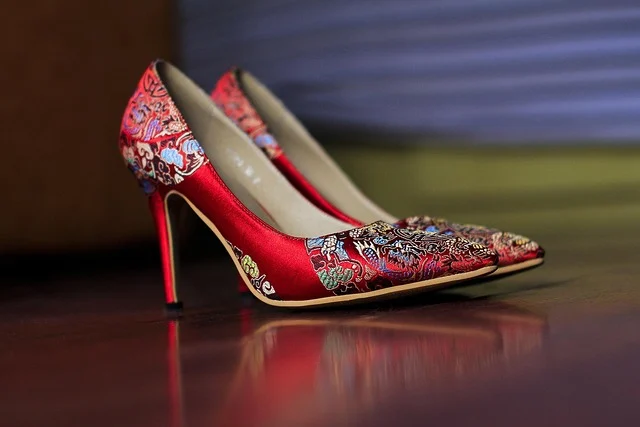
Footwear choices must balance style with physical stamina. Strappy metallic heels, pointed-toe pumps, or embellished dress flats all work provided the heel height remains constant between your alteration fittings and the event itself. Always wear new formal shoes around your home with thin socks for a few hours prior to the event to stretch key pressure points and prevent blisters.
Select accessories based on your gown’s neckline and ornamentation. Deep V-necks pair nicely with pendant drop necklaces, while halter or high-neck gowns look best accompanied by chandelier earrings and a structured wrist cuff. Carry a compact clutch purse with enough capacity for essential items without adding bulk to your arm position.
How should you care for and store high-end gowns?
Protecting formalwear requires gentle handling before and after your event. Always inspect care tags before taking any action. Gowns made from silk, velvet, beaded tulle, or satin generally require specialized professional dry cleaning experienced with delicate garments.
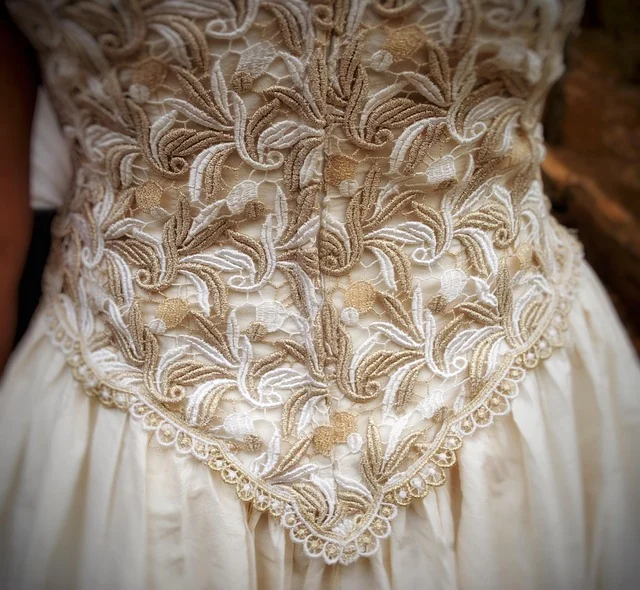
Store gowns inside breathable fabric garment bags in a cool, dry closet away from direct sunlight. Avoid clear plastic garment bags, which trap ambient humidity and cause fabric yellowing or mildew growth. Hang lighter gowns on padded satin hangers; heavy, heavily beaded, or bias-cut gowns should be folded gently inside acid-free tissue paper and stored flat in garment boxes to prevent stretching at the shoulder seams.
To eliminate shipping or packing creases, use a hand steamer held four to six inches away from the wrong side of the fabric. Never press a hot dry iron directly onto satin, velvet, or synthetic tulle, as direct contact can melt fibers or leave permanent shine marks.
Frequently asked questions
What are the most popular gown colors for 2026?
Vibrant jewel tones like emerald green, rich fuchsia, and fiery orange lead color trends alongside classic black, midnight navy, and metallic tones. High-sheen satins and rich velvets accentuate these saturated shades for formal evening events.
How much should I expect to spend on a formal gown?
Formal gown prices generally range from $100 for simpler off-the-rack designs to $500 or more for designer dresses. A typical budget for a well-constructed evening gown usually falls between $150 and $400, not including alteration costs.
What is the difference between an evening gown and a formal dress?
An evening gown is specifically a floor-length formal garment designed for black-tie galas, White Tie events, and formal receptions. Formal dresses represent a broader category that includes floor-length gowns as well as high-end cocktail, midi, or tea-length dresses suitable for dressy events.
How do I choose the right gown silhouette for my body type?
Select a cut that balances your proportions: A-line skirts flatter almost all body types, mermaid cuts accentuate hourglass shapes, ball gowns create waist definition with dramatic skirt volume, and sheath dresses complement straight or athletic frames. Prioritize fit, physical comfort, and freedom of movement.
What sleeve styles are trending for women’s gowns?
Dramatic sleeves remain a primary design feature for formal gowns. Trending styles include voluminous puffed shoulders, sheer bishop sleeves, elegant off-the-shoulder bands, and fitted long sleeves featuring glass beadwork or lace embroidery.


