













Burberry is a British heritage luxury fashion house founded in 1856. It is best known for inventing weatherproof gabardine fabric, its signature trench coat, and the iconic beige House Check pattern. Today, under Chief Creative Officer Daniel Lee, the brand designs high-end outerwear, ready-to-wear tailoring, leather goods, and accessories that blend classic British craftsmanship with contemporary fashion.
Founded by Thomas Burberry in Basingstoke, Hampshire, the fashion house built its initial reputation on functional outerwear designed to withstand severe weather conditions. Also, investing in Burberry pieces offers enduring style and value, making them versatile anchors in a modern luxury wardrobe.
How Thomas Burberry invented gabardine and shaped outerwear
In 1879, Thomas Burberry invented gabardine, a revolutionary breathable, weatherproof fabric that altered the production of cold-weather clothing. Before gabardine, rainwear relied on heavy rubberized cotton or oil-treated canvas that was sticky, heavy, and trapped body heat. Burberry developed a technique where cotton yarn was individually waterproofed before being woven into a tight, diagonal twill structure.
The resulting fabric blocked rain and wind while allowing air to circulate from within, providing superior comfort during active movement. Burberry patented gabardine in 1888, establishing the brand as an essential outfitter for polar expeditions, aviation milestones, and military forces.
Polar explorers Norwegian Roald Amundsen and British officer Sir Ernest Shackleton wore custom gabardine suits and tents during their historic Antarctic journeys. Amundsen became the first person to reach the South Pole in 1911 while equipped in Burberry gear, praising the material for its wind resistance and lightness. Aviation pioneers also chose gabardine outerwear for unheated open-cockpit flights, cementing the house’s global reputation for high-performance weather protection.
What are the key elements of a Burberry trench coat?
The iconic Burberry trench coat evolved directly from the Tielocken coat, which Thomas Burberry patented in 1901. During World War I, the British War Office commissioned Burberry to adapt the silhouette for military officers fighting in damp, muddy battlefield trenches. Every structural detail served a distinct practical purpose:
- Epaulettes: Shoulder straps originally added to attach military rank insignia, hold gloves, or keep binocular straps in place.
- Gun flap (Storm flap): A double-layered panel across the chest that prevented water from seeping through the button closures when an officer aimed a rifle.
- D-Rings: Metal belt rings intended to secure map cases, canteens, and military utility pouches.
- Storm shield: A loose back panel positioned over the shoulders that allowed rainwater to run smoothly off the coat without soaking into the lower back.
- Cuff straps: Adjustable buckled wrist closures designed to seal out driving wind and rain.
- Undercollar throat latch: A detachable leather-buckled strap beneath the collar secured the lapels tightly around the throat during heavy downpours.
Modern production preserves these historical elements. Craftsmen fashion trench coats from long-staple cotton gabardine stitched across multiple assembly operations in Castleford, Yorkshire.
Which Burberry trench coat fit suits your body type and style?
Burberry produces its signature trench coat in four core fits, each offering distinct proportions, sleeve designs, and silhouettes. Understanding these distinctions helps select the right coat based on body shape and layering preferences.

The Kensington
The Kensington is Burberry’s standard classic fit. It features set-in sleeves that square off the shoulders and a gently tapered silhouette through the waist. It provides enough room to wear comfortably over light sweaters or suit jackets while maintaining a tailored profile.
The Waterloo
The Waterloo is a long, relaxed fit designed for classic draping and easy movement. It incorporates raglan sleeves, which extend in one piece from the collar down to the cuff, eliminating rigid shoulder seams. Next, the coat falls longer down the calf, making it suited for heavy layering over blazers or chunky knitwear.
The Chelsea
The Chelsea is the slim fit in the lineup. It features narrow set-in shoulders, a high armhole, and a sharply tapered waist that accentuates an hourglass or slim frame. However, it is tailored to wear close to the body with thin base layers.
The Camden
The Camden is a car coat silhouette featuring a single-breasted front with a clean placket that conceals the buttons. Built with raglan sleeves and a straight cut, it provides a minimalist aesthetic suited for modern daily wear.
| Fit Name | Silhouette | Sleeve Type | Best For |
|---|---|---|---|
| Kensington | Classic tailored fit | Set-in sleeves | Everyday versatility & smart-casual layering |
| Waterloo | Relaxed long fit | Raglan sleeves | Heavy outerwear layering & suits |
| Chelsea | Slim contour fit | Set-in sleeves | Streamlined modern styling over light clothing |
| Camden | Single-breasted car coat | Raglan sleeves | Minimalist outerwear & casual layering |
How did the Burberry check become a fashion icon?
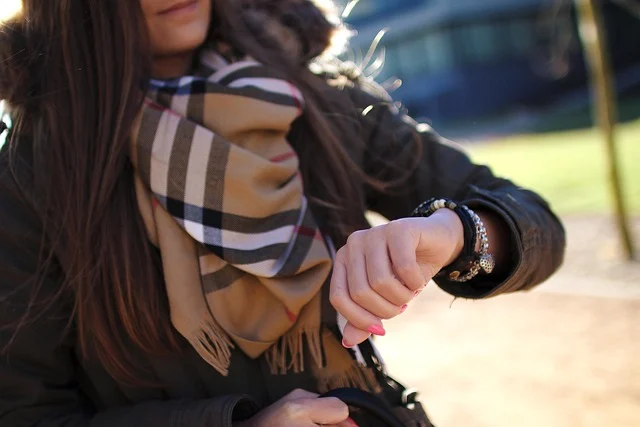
The signature Burberry check—a camel background intersected by black, white, and red bands—was introduced in the 1920s as a fabric lining inside trench coats. For decades, the pattern served as a discreet symbol of quality visible only when the coat was open or draped on a chair.
In the late 1960s, the check stepped out from the interior lining. During a promotional display at a Paris boutique, matching check umbrella covers were placed around luggage display sets. As a result, high demand for standalone check accessories emerged. This launched the widespread production of check cashmere scarves, umbrellas, and luggage sets.
Over time, the brand introduced variations on the classic pattern:
- House Check: The original neutral camel pattern with bold grid lines.
- Vintage Check: A tighter, smaller-scale tartan pattern frequently featured on cotton shirts, caps, and canvas bags.
- Nova Check: A larger, broader grid print featuring cream and soft pastel underlays.
- Knight Blue Check: Modern dark cobalt interpretations introduced under current creative leadership.
Daniel Lee’s creative direction and modern brand identity
Chief Creative Officer Daniel Lee took the helm at Burberry in late 2022. He brought a distinct focus on quintessential British eccentricity, tactical outerwear, and historic symbols. Also, Lee revived the historic Equestrian Knight Design (EKD)—a heraldic logo showing a knight on horseback holding a flag with the Latin word Prorsum (“forward”)—and placed it prominently across clothing, hardware, and marketing visuals.

Lee’s runway collections reframe classical British codes using rich textures, bold colorways, and utilitarian silhouettes. Heavy shearling coats, thick cable knitwear, English rose patterns, and duck motifs sit alongside structured trench coats in bright royal blues, forest greens, and rich plum shades. A professional designer examining current luxury tailoring will recognize how Lee bridges traditional archive heritage with contemporary urban streetwear influence.
Burberry handbags, accessories, and Scottish cashmere scarves
Beyond signature outerwear, leather goods and knitted accessories represent major pillars of the Burberry catalog.
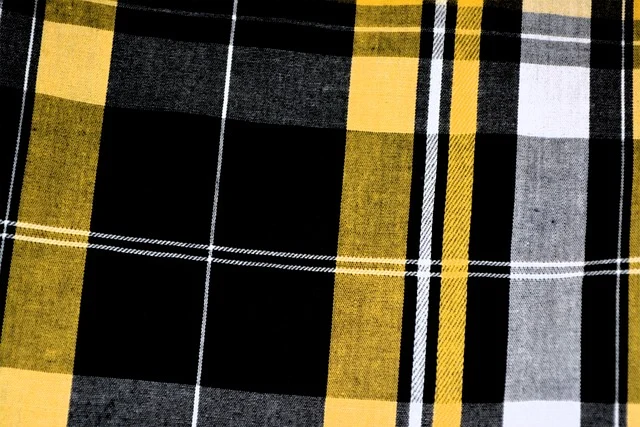
Cashmere Scarves
Burberry cashmere scarves are produced at historic textile mills in Elgin and Ayr, Scotland. The production process involves 30 distinct steps: raw cashmere fibers are spun into yarn, woven on traditional jacquard looms, washed in local mineral-rich spring water from the River Lossie, and brushed with natural dried teasel heads to create a signature soft, brushed hand-feel.
Leather Bags
The handbag collections highlight modern Italian leathercraft paired with iconic brand hardware:
- The Lola Bag: A structured shoulder bag in quilted Italian-tanned lambskin, finished with a polished Thomas Burberry (TB) monogram clasp.
- The Rocking Horse Bag: A curved crossbody design inspired by childhood rocking horses, secured with a distinctive bridle clasp shaped like a lowercase ‘b’.
- The Knight Bag: A slouchy leather shoulder bag incorporating clip hardware shaped like the Equestrian Knight’s bridle.
Evaluating quality, pricing, and resale value
Burberry products sit within the top tier of British luxury pricing. Gabardine trench coats range from £1,500 to £3,000 or more based on length, fabric treatments, and hand-finished detailing. Scottish-woven cashmere scarves generally command between £300 and £600, while Italian leather handbags range from £800 to over £3,000 for runway editions.
The value proposition relies on durable material selections and timeless aesthetic design. Long-staple cotton gabardine resists surface abrasion and repels rain effectively over years of regular use. Secondary market data consistently demonstrates that heritage trench coats in classic beige or black maintain strong resale interest when properly maintained.
How to care for and maintain Burberry gabardine and cashmere
Proper cleaning and storage protect the structural integrity and weather-repellent coatings of Burberry pieces over long periods of wear:
Cotton Gabardine Outerwear
- Professional Dry Cleaning: Take gabardine coats to dry cleaners experienced with structured luxury outerwear. Standard home laundering destroys the internal chest canvas and strips weatherproof treatments.
- Reproofing: After multiple dry cleaning cycles, apply a specialized water-repellent reproofing spray designed for tight cotton twills to restore water resistance.
- Hanger Storage: Hang coats on broad, contoured wooden hangers that support the structured shoulders. Also, avoid thin wire hangers that create creasing or distortion in the canvas sleeve heads.
Scottish Cashmere
- Spot Cleaning: Clean small spots immediately with cold water and gentle wool wash. Because heavy rubbing causes surface pilling, avoid harsh friction.
- Storage: Fold scarves flat inside breathable cotton dust bags. Store alongside natural cedar blocks to deter moths. Also, avoid hanging knitwear to prevent yarn stretching.
Best Streetwear Brands: Curating Your Modern Wardrobe highlights how preserving premium textiles keeps garments functional while protecting overall wardrobe value. In a similar way, 8 Air Jordans: A Look at Iconic Sneakers demonstrates how thorough conditioning and proper storage directly impact secondary market longevity for iconic designer pieces.
Burberry’s approach to sustainability and circular fashion
To reduce manufacturing impact across its global supply chain, Burberry operates under a Responsibly Sourced Materials framework. Key initiatives include:
- Sustainable Cotton & Synthetics: Increasing the proportion of certified organic cotton and utilizing Econyl—a regenerated nylon yarn made from ocean fishing nets and industrial plastic waste—in outerwear linings and casual coats.
- Equestrian Leather Sourcing: Sourcing leather exclusively from tanneries audited and certified by the Leather Working Group (LWG) for water treatment and chemical reduction standards.
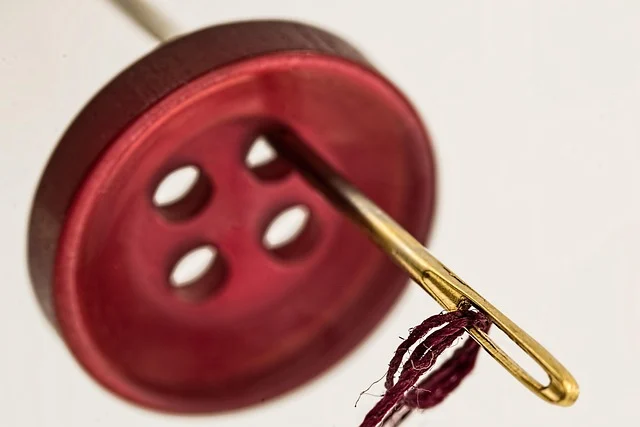
- The ReBurberry Program: Offering official garment circularity services, including professional trench coat re-waxing, lining replacement, button restitching, and trade-in initiatives to keep archive garments active across generations.
Sources: Burberry
Frequently asked questions
What is the primary material used in Burberry trench coats?
The signature material used in Burberry trench coats is cotton gabardine, a tightly woven twill fabric invented by Thomas Burberry in 1879. It is naturally breathable, highly durable, and water-resistant due to individual yarn waterproofing before weaving.
How do Burberry trench coat fits differ?
The Kensington features a classic tailored fit with set-in sleeves; the Waterloo offers a long, relaxed silhouette with raglan sleeves for heavy layering; the Chelsea provides a slim silhouette tapered through the waist; and the Camden is a streamlined single-breasted car coat.
Who is the current Chief Creative Officer of Burberry?
Daniel Lee serves as Chief Creative Officer of Burberry, having been appointed in late 2022. He oversees all design lines, brand imagery, and runway collections. Also, he introduced refreshed house codes like Knight Blue accents and the revived Equestrian Knight Design.
How should you care for a Burberry cotton gabardine coat?
Gabardine trench coats should be professionally dry cleaned by specialists familiar with luxury outerwear. Store the coat on a wide wooden contoured hanger in a cool, dry place. Next, reapply water-repellent reproofing treatment after heavy cleaning.
Where are Burberry trench coats and cashmere scarves made?
Burberry’s heritage trench coats are manufactured at its specialized facility in Castleford, West Yorkshire, England. Also, its signature cashmere scarves are produced in historic textile mills located in Elgin and Ayr, Scotland.


