












A gold necklace for women offers the best balance of rich yellow luster, scratch resistance, and tarnish protection. Look for pieces crafted from 14K solid gold or gold-filled metal. Choosing the ideal piece involves matching metal construction, karat purity, and chain style to your daily routine, budget, and physical preferences.
This guide breaks down the structural differences between solid gold, gold-filled, vermeil, and plated options across 10K to 24K purities. It also covers essential chain styles, including cable, rope, and paperclip chains, along with length recommendations to suit various necklines.
Gold Necklace for Women: Metal Types, Lengths, Styles, and Care Guide
Selecting the ideal gold necklace for women requires matching metal purity and physical construction to your daily routine, budget, and neckline preferences. For an enduring everyday piece, 14K solid gold or gold-filled chains offer the best balance of rich yellow luster, scratch resistance, and tarnish protection.
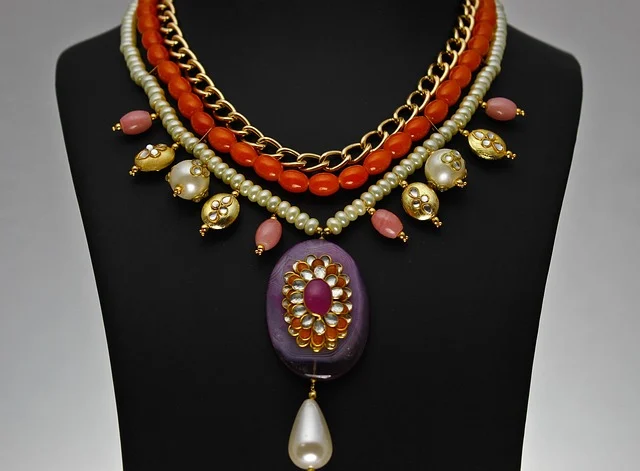
A gold necklace for women remains one of fashion‘s most enduring and versatile accessories. As of May 2026, its appeal lies not just in its inherent value. It also adapts to any style, from minimalist chic to opulent statements. Whether it sits directly on the collarbone as a delicate accent or anchors an intricate layered stack, the right gold necklace brings warmth to any wardrobe.
Solid Gold, Gold-Filled, Vermeil, or Gold-Plated: Which Should You Choose?
Before selecting a chain style or length, you must decide on the metal construction. The construction determines how long the necklace lasts, how it handles water and sweat, and whether it will irritate sensitive skin.

| Metal Type | Gold Content | Durability & Water Resistance | Hypoallergenic Status | Best For |
|---|---|---|---|---|
| Solid Gold (10K–18K) | 41.7% to 75% pure gold throughout | High durability; withstands daily water exposure and sweat | High (especially 14K and 18K) | Lifetime wear, daily use, heirloom investments |
| Gold-Filled | At least 5% pure gold by weight, heat-bonded to base metal | Strong resistance to flaking; lasts years with basic care | Good for most sensitive skin | Everyday fine jewelry appearance on a moderate budget |
| Gold Vermeil | Thick gold layer (minimum 2.5 microns) over Sterling Silver | Moderate durability; requires dry storage and gentle handling | High (silver core avoids nickel) | High-shine designer pieces with silver structural bases |
| Gold-Plated | Thin gold layer (under 0.5 microns) electroplated over brass/copper | Low durability; thin layer rubs off over time | Low; base metals may cause reactions once plating wears | Occasional wear, fast-fashion trends, trial styles |
Solid Gold Necklaces
Solid gold necklaces contain pure gold alloyed with secondary metals throughout the entire piece. While 24K gold is pure, lower karats mix gold with copper, silver, or zinc to add structural strength. A solid gold necklace never wears down to a different metal underneath. If scuffed, it can be polished back to its original shine by a jeweler.
Gold Filled Necklaces
Gold filled jewelry uses a mechanical heat and pressure bonding process to attach a thick sheet of solid gold over a brass or copper core. Because the outer gold layer must constitute at least 5% of the total weight, gold filled pieces resist tarnishing and flaking far better than electroplated items. Many women with metal allergies wear gold filled necklaces without reaction.
Gold Vermeil and Gold Plated Necklaces
Gold plated jewelry uses an electric current to coat a base metal with a microscopically thin film of gold. Friction against clothes or skin slowly rubs this layer off, exposing the base metal beneath. Gold vermeil offers a higher standard: it uses sterling silver as the core metal and applies a gold plating layer at least 2.5 microns thick, giving it better longevity than standard plated pieces.
Decoding Gold Karats: Purity, Color, and Hardness
When shopping for a solid gold necklace, understanding karat (K) markings tells you exact gold content and physical properties. Karat measures gold purity out of 24 parts. Higher karats offer richer yellow tones but lower physical hardness.
- 24K Gold (99.9% Pure): Pure gold has an intense, fiery orange-yellow color. However, 24K is extremely soft and easily bends, stretches, or scratches. It is rarely used for fine chain necklaces that support pendants.
- 18K Gold (75% Pure): Formed from 18 parts gold and 6 parts alloy metals. 18K gold features a rich, classic yellow color preferred for luxury statement necklaces and diamond settings. It is softer than 14K, making it more vulnerable to deep scratches during heavy activity.
- 14K Gold (58.3% Pure): The standard for women’s gold necklaces in North America. 14K offers the ideal compromise between warm gold color, scratch resistance, and physical strength. It holds daily wear chains and heavy pendants securely without stretching.
- 10K Gold (41.7% Pure): The lowest karat rating that can legally be sold as solid gold in the United States. 10K gold is extremely hard and durable, making it resistant to scratches. Its color is a slightly cooler, paler yellow.
The secondary alloy metals mixed with pure gold determine both the shade and hardness of the finished necklace. Yellow gold uses silver and copper to retain natural warmth. White gold blends pure gold with nickel, palladium, or manganese, usually finished with a rhodium plating for a bright silver sheen. Rose gold combines pure gold with a higher proportion of copper to produce a warm pink hue.
Consider Anya, a freelance graphic designer, who opts for a simple 14K gold cable chain for her daily work. “It’s understated enough for client meetings but still feels special,” she explains. “It’s the one piece I never take off.” This everyday wearability relies on 14K gold’s mechanical strength.
Essential Chain Styles for Women
The structure of a chain determines its strength and how smoothly it lays against the neck. It also dictates whether it can support a heavy pendant without catching on clothing or twisting.
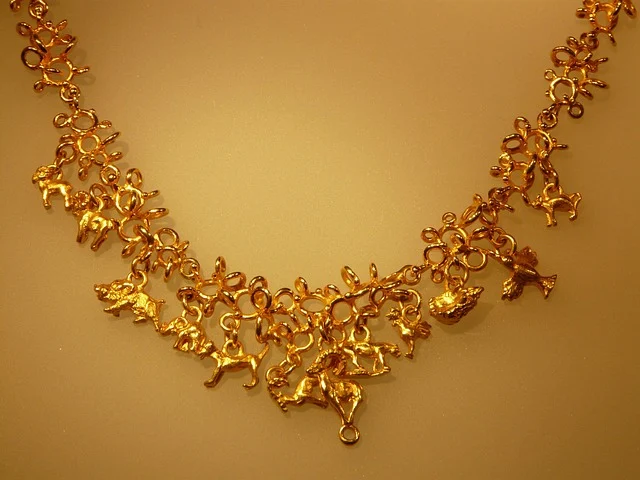
- Cable Chain: Round or oval interlocking links joined in a uniform pattern. The cable chain is the most classic and easily repaired style, perfect for supporting solitaires, lockets, and custom charms.
- Rope Chain: Small metal links aligned in a twisted spiral weave that creates a rope texture. Highly durable and reflective, rope chains look substantial when worn alone and rarely kink.
- Curb Chain: Round links flattened and twisted so they rest flat against the skin. Curb chains deliver a modern, clean line and handle heavy daily friction well.
- Box Chain: Square links connected to form a smooth four-sided chain. Box chains offer high structural integrity and a geometric shimmer, making them ideal for heavier gemstone pendants.
- Snake Chain: Tightly fitted rings placed side-by-side to create a smooth, flexible tube resembling snake scale texture. Snake chains look sleek and modern, but they can kink permanently if bent sharply or slept on.
- Figaro Chain: A variation of the curb chain that alternates two or three short round links with one elongated oval link. This pattern provides visual contrast when worn without a pendant.
- Paperclip Chain: Elongated rectangular links connected in a clean open weave. Paperclip chains have become an essential base for layering. Their wide loops allow clasps to hook anywhere along the length.
- Herringbone Chain: Flat, slanting V-shaped links lying flush against one another. Herringbone chains deliver a liquid-gold mirror sheen against the collarbone. Store them laid flat to avoid unrepairable kinks.
Chain width (measured in millimeters) alters the chain’s personality. Fine chains between 1.0mm and 1.5mm create a delicate shimmer for layering or holding lightweight pendants. Chains from 2.0mm to 3.5mm function as strong, standalone pieces or anchors for medium lockets. Chains measuring 4.0mm and above make bold standalone statements.
Knowing your metal and chain preferences helps when organizing your fine jewelry collection or learning jewelry assembly basics. Match your chain style to hair and clothing choices. Women with longer hair often prefer cable chains to minimize pulling Best Skin Care for Women Over 50.
Necklace Length and Neckline Match Guide
The length of a gold necklace dictates where the centerpiece sits on your body. Selecting the right length depends on your height, neck circumference, and clothing neckline.
- Choker (14 to 16 Inches): Sits close to the base of the neck, resting above the collarbone. Pairs cleanly with strapless tops, high crew necks, and off-the-shoulder cuts.
- Princess (18 Inches): Sits directly on or just below the collarbones. This is the standard length for women’s necklaces, accommodating V-necks, button-downs, and scoop necklines comfortably.
- Matinee (20 to 24 Inches): Rests between the collarbone and the center of the chest. Matinee lengths work well over turtleneck sweaters, high crew necks, and professional blazer outfits.
- Opera (28 to 36 Inches): Hangs below the bust line. Wear it as a dramatic single strand over plain gowns. Alternatively, wrap it twice for a double-strand choker and princess combination.
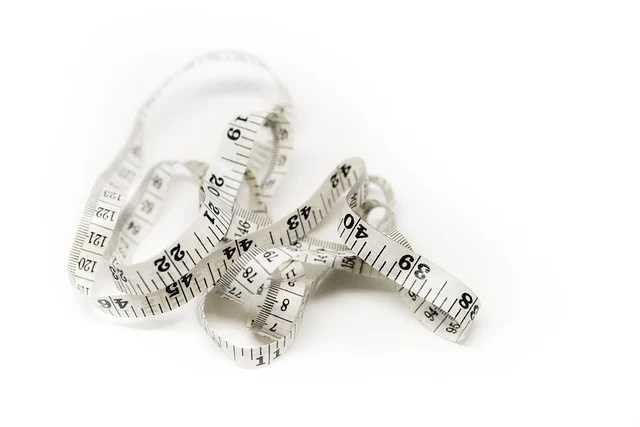
When selecting a chain length, account for neck circumference. An 18-inch princess chain that falls below the collarbone on one woman may rest higher up like a choker on someone with a broader neck frame. To find your fit, wrap a flexible measuring tape around your neck, note the measurement, and add two inches for a comfortable base length.
Pendant Styles and Personal Details
Pendants transform a plain chain into a personalized focal piece. Selecting the right setting and bale keeps your pendant securely attached. This loop also allows it to move naturally.
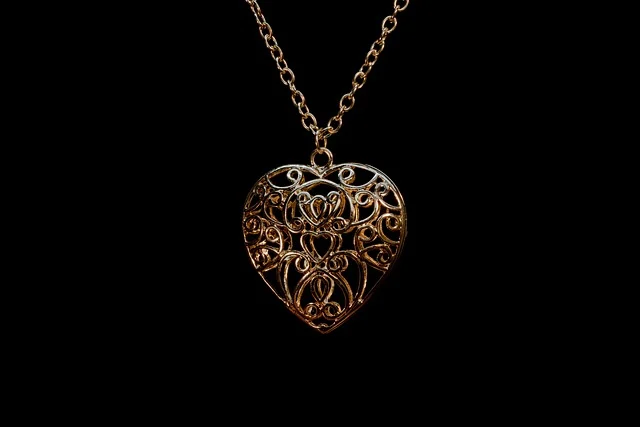
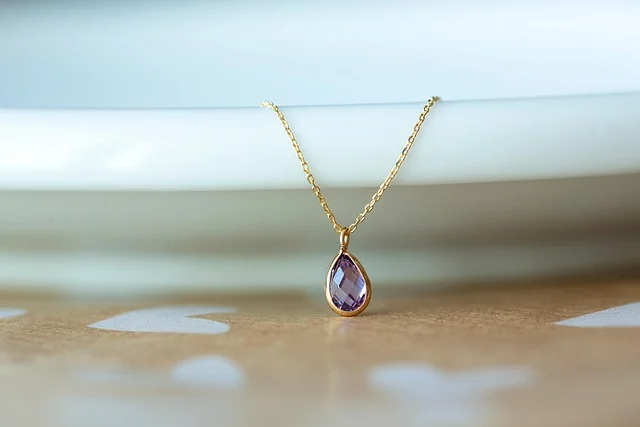
- Solitaire Pendants: Hold a single stone—such as a diamond, sapphire, or emerald—in a three-prong, four-prong, or full bezel setting. Bezel settings surround the entire edge of the gem with gold, providing maximum protection against accidental impacts.
- Coin and Medallion Pendants: Embossed vintage-style discs depicting historic figures, celestial symbols, or zodiac signs. Medallions add weight and texture to layered chains.
- Bar Pendants: Sleek horizontal or vertical gold strips. Modern and minimal, bar pendants are commonly engraved with coordinates, names, or meaningful dates.
- Lockets: Hinged pendants that open to enclose small photographs or tiny mementos. Quality gold lockets feature tight snap closures and inner retaining rims to keep photos secure.
- Charms and Initials: Small gold letters, birthstones, or symbolic shapes added to a central chain. According to industry trend summaries from Jewelers of America, personalized charm jewelry continues to see sustained growth among women building multi-generational jewelry collections.
As of May 2026, combining natural accents like raw-cut gemstones with clean 14K yellow gold frames remains a popular design choice. When attaching a pendant to a gold chain, confirm that the pendant’s bale is wide enough to slide smoothly over the end jump ring and clasp of your chain.
How to Layer Gold Necklaces Without Tangling
Layering multiple gold chains allows you to mix textures, lengths, and pendants into a custom look. However, wearing multiple chains often leads to tangling and twisted links if you don’t follow a systematic layout.
- Space Lengths by at Least Two Inches: Combine chains of distinct lengths—such as a 16-inch choker, an 18-inch pendant chain, and a 20-inch heavier link chain. Adequate vertical spacing keeps individual focal points clear and prevents chains from sliding over each other.
- Vary Chain Textures and Weights: Do not wear three thin cable chains of similar thickness together; they will wrap around one another within minutes. Instead, pair a smooth snake or herringbone chain with a open-link paperclip chain and a twisted rope chain. The contrasting weights resist entwling.
- Place the Heaviest Pendant on the Longest Chain: The lowest chain should carry your heaviest pendant or medallion. The downward gravity stabilizes the entire stack, pulling the lower strand taut so shorter upper chains stay separated.
- Use a Layering Clasp for Delicate Chains: If you frequently experience tangling at the back of your neck, connect your chains to a multi-strand necklace spacer. This small accessory attaches to all clasps behind your neck, holding the strands at fixed parallel distances.
Adapting your necklace layering stack based on your hairstyle, clothing choices, and personal Fashion preferences creates a balanced appearance. You can frame your stack further by pairing shorter delicate chains with colorful gemstones or polished gold beads.
Care, Cleaning, and Storage Routine
Gold is a soft precious metal susceptible to chemical erosion from common household items. Chlorine, bleach, hairspray, perfumes, and heavy sweat can discolor alloy metals present in 10K, 14K, and 18K solid gold, while harsh scrubbing scratches delicate finishes.
How to Clean Solid Gold and Gold-Filled Necklaces at Home
- Prepare a Gentle Bath: Fill a small bowl with warm water and add a few drops of mild, phosphate-free dish soap. Avoid harsh chemical cleaners or boiling water.
- Soak the Necklace: Place your gold necklace in the warm solution for 10 to 15 minutes to soften accumulated skin oils, lotion, and dust.
- Gently Scrub Crevices: Use an extra-soft child’s toothbrush to clean inside chain links, clasp springs, and behind stone settings. Apply minimal pressure to prevent scratching high-polish gold surfaces.
- Rinse under Clean Water: Plug your sink drain completely before rinsing the necklace under lukewarm running water to wash away all soap residue.
- Dry Thoroughly: Pat the gold dry with a soft, lint-free microfiber cloth. Allow the necklace to air dry flat on a clean towel before putting it away.
Daily Maintenance and Safe Storage
Always remove gold necklaces before entering swimming pools or hot tubs; chlorine chemically attacks gold alloys and can weaken soldered chain links or stone prongs. Apply hairspray, perfume, and body lotions first, letting them dry completely on your skin before putting on your jewelry.
Store each gold necklace individually. Delicate chains tangle easily when piled together, and harder gemstones (like diamonds) can scratch polished gold surfaces. Use velvet-lined boxes with dedicated necklace hooks, or store individual chains flat inside soft fabric pouches. When storing herringbone or snake chains, lay them completely flat or coil them gently in wide loops to prevent structural kinking.
For high-value or antique pieces, arrange an annual check-up with a professional jeweler. For instance, Sarah, who inherited her grandmother’s intricate 18K gold filigree necklace, makes it a point to have it professionally cleaned and inspected every year. “It’s a priceless heirloom, and I want to ensure it lasts for my own children,” she says. A jeweler can test clasp tension and re-tighten gemstone prongs before stones drop out.
Common Buying Pitfalls and How to Avoid Them
Navigating the gold jewelry market requires attention to official markings and physical hardware. Avoid these common mistakes when selecting a gold necklace for women:
- Ignoring Hallmark Stamps: Authentic solid gold pieces carry mandatory hallmark stamps near the clasp. Look for markings like 10K (417), 14K (585), or 18K (750). Gold-filled items are usually stamped “1/20 14K GF”, while sterling silver vermeil is marked “925”. If a piece lacks a hallmark stamp, treat its metal purity as unverified.
- Overlooking Clasp Construction: The chain is only as safe as its closure. Small spring ring clasps are lightweight but can be difficult to manipulate with manicured nails and have weaker springs. Lobster claw clasps offer superior security for heavy chains and valuable pendants.
- Choosing the Wrong Chain Style for Heavy Pendants: Pair heavy lockets or large stone pendants with durable, solid-link chains like cable, box, or heavy curb chains. Hanging a heavy medallion on a delicate snake chain or thin 1.0mm hollow chain causes premature stretching and sudden snapping.
- Confusing Hollow Gold with Solid Link Gold: Some large gold chains are manufactured hollow inside to lower metal weight and cost. While hollow gold offers a chunky look at a lower price point, it dents easily under pressure and cannot be re-shaped if crushed. Ensure you know whether you are buying solid-wire or hollow-form gold.
Sources: Necklace
Frequently Asked Questions
Is 14K gold good for everyday gold necklaces?
Yes, 14K gold is the ideal standard for everyday wear. It combines 58.3% pure gold with durable alloy metals, creating a chain that resists scratches and tarnishing while maintaining a warm yellow color.
Can you wear a gold necklace in the shower?
While solid gold will not rust, wearing your gold necklace in the shower is not recommended. Soaps, body washes, and hard water minerals leave a dull film over the metal, requiring more frequent cleaning.
How do you keep layered gold necklaces from tangling?
To prevent tangling, choose chains of different lengths spaced at least two inches apart, mix different chain textures (like pairing a snake chain with a cable chain), and attach them to a multi-strand necklace layering clasp behind your neck.
How can you tell if a gold necklace is genuine?
Check the clasp or end tab for official purity stamps such as 14K, 585, 18K, or 750. Real gold is non-magnetic, so if the chain strongly attracts a magnet, it contains a high percentage of non-precious ferrous metal.


