













The best jewelry box features a solid frame, soft anti-tarnish velvet lining, and dedicated compartments that keep necklaces, rings, and earrings physically separated to prevent scratches and tangles. It balances protective materials like hardwood or reinforced vegan leather with secure locking mechanisms and custom layouts matched to your collection’s specific size and metal types.
A dedicated jewelry box protects your precious pieces from atmospheric oxidation, accidental impacts, and chaotic disorganization. Beyond serving as a decor piece on a dresser or vanity, a proper storage system safeguards individual gemstone settings, maintains metal finishes, and saves time every morning. Storing fine pieces, fashion items, and heirlooms in an unorganized tray leads to bent earring posts, scratched metals, and knotted chains that can break during untangling.
Key features that define the best jewelry box
Selecting the best jewelry box requires evaluating structure, material quality, layout flexibility, and environmental protection. High-grade construction ensures the box withstands daily use while offering a sealed environment that minimizes air exchange.
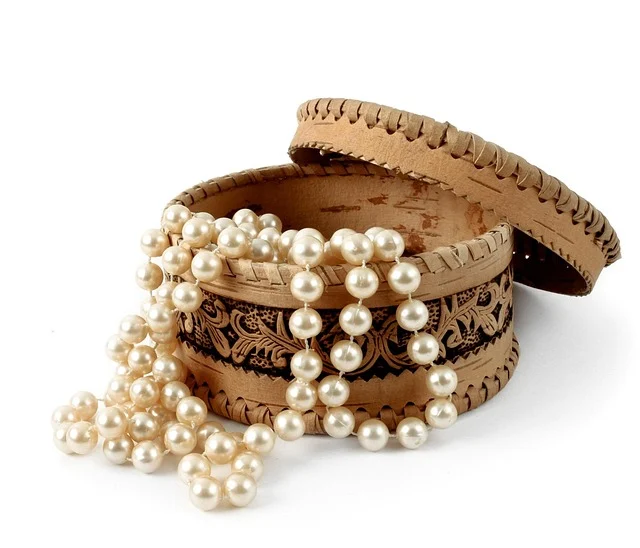
- Rigid exterior construction: Solid wood frames, dense fiberboard cores, or molded hard shells shield contents from exterior impacts and weight compression.
- Anti-tarnish interior lining: Microfiber, velvet, or plush suede fabrics treated with tarnish-inhibiting agents neutralize airborne sulfur compounds that darken silver and copper alloys.
- Specialized modular compartments: Individual channels, ring rolls, hanging hooks, and adjustable dividers stop pieces from sliding and colliding.
- Smooth, reliable hardware: Rust-resistant brass or stainless steel hinges, smooth-sliding drawer tracks, and sturdy clasps prevent sudden jarring when opening drawers.
- Integrated security options: Physical key locks, combination clasps, or concealed bottom drawers deter unauthorized access and keep contents intact during movement.
Comparing jewelry box styles and formats
Jewelry boxes come in several primary physical formats. The right choice depends on available space, collection size, whether you travel frequently, and if you prefer displaying your items or keeping them concealed.
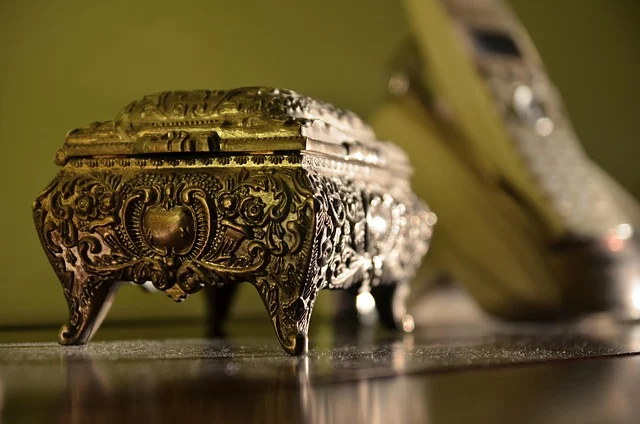
Tabletop chests and armoires
Tabletop chests offer multi-tiered storage within a standalone cabinet design. Featuring multiple pull-out drawers, side door swing-outs with necklace hooks, and top-lid compartments with mirrors, these chests accommodate medium-to-large collections. They shield jewelry completely from ambient light and dust, making them ideal for fine gold, silver, and delicate gemstone pieces.
Stackable and modular tray systems
Modular trays allow you to build a customized storage vertical stack that expands as your collection grows. Each open-top or lid-covered tray serves a specific function—such as 25-section grid trays for stud earrings or open padded trays for oversized statement cuffs and bangles. Stackable systems fit easily inside deep dresser drawers or closet shelving units, keeping surfaces clutter-free.
Wall-mounted cabinets and door armoires
Wall-mounted jewelry cabinets maximize vertical space and frequently feature full-length outer mirrors. Internal layouts provide massive capacity, holding dozens of necklace hooks, ring slots, and multiple shelves. Because they hang vertically, necklaces dangle fully suspended, virtually eliminating tangling risks for long chain lengths.
Travel jewelry cases and rolls
Compact travel organizers prioritize impact resistance, lightweight portability, and tight internal containment. Zippered hard-shell cases and fold-out leather rolls keep jewelry compact and stationary inside luggage. Padded center dividers prevent pieces on opposite sides from rubbing against each other during movement.
Acrylic and glass display boxes
Transparent acrylic or glass-paneled organizers cater to those who prefer viewing their items at a glance. Visual accessibility speeds up morning styling. However, clear cases offer minimal protection against natural sunlight, which can alter the color of light-sensitive gemstones over extended periods.
| Storage Format | Best Collection Size | Tarnish Protection | Portability | Security Level | Space Required |
|---|---|---|---|---|---|
| Tabletop Chest | Medium to Large | High (Sealed) | Low | Moderate to High | Dresser Surface Space |
| Modular Trays | Expandable / Any | Moderate | Low | Low | Drawer or Shelf Space |
| Wall Armoire | Very Large | Moderate | None | Moderate | Vertical Wall Space |
| Travel Case | Small / Select Items | High (Zippered) | High | Low | Luggage / Tote Space |
| Acrylic Display | Small to Medium | Low | Low | Low | Tabletop Surface Space |
Choosing exterior materials: Durability, aesthetics, and environmental protection
The exterior material determines the structural weight, longevity, and environmental resistance of your jewelry box. Outer shell materials insulate internal chambers against ambient humidity changes and physical crushing.
Hardwood and engineered wood
Solid hardwoods like walnut, cherry, mahogany, and oak provide outstanding structural rigidity and timeless aesthetic appeal. Dense wood absorbs ambient humidity swings gradually, insulating sensitive pieces inside. However, untreated soft woods like pine can outgas natural resins that tarnish metals over time. High-density engineered fiberboard (MDF) wrapped in quality veneers offers uniform stability and resists warping in humid climates, though cheap particle boards can absorb moisture and swell if exposed to water leaks.
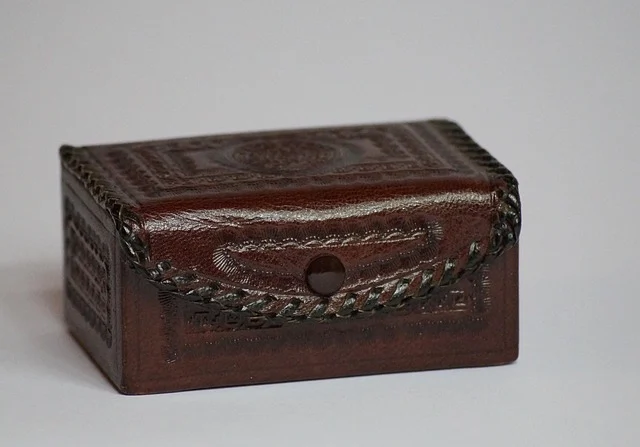
Genuine and vegan leather
Leather exteriors combine flexible toughness with refined elegance. Natural grain leather ages gracefully, developing a rich patina over time, though it requires occasional conditioning to prevent dry cracking. High-quality vegan leather options, made from polyurethane or innovative plant-based bio-composites as noted by Vogue in their 2026 style guides, provide water-resistant, durable surfaces that clean easily with a damp cloth while maintaining a soft, luxurious feel.
Acrylic and clear glass
Molded acrylic and glass offer modern, clean visuals that fit smooth modern interior vanity aesthetics. Acrylic is lightweight and shatter-resistant compared to glass, though lower-grade plastics can develop hairline scratches or turn yellowish over time if exposed to direct UV rays. Glass offers scratch resistance and clarity but carries a breakage risk if knocked over.
Metal and hard-shell polymer cases
Aluminum frame cases and reinforced ABS plastic exteriors provide high crush resistance and modern industrial appeal. Metal structures can incorporate tight rubber gasket seals that keep out airborne dust, moisture, and pests, making them exceptional for protecting high-value heirloom collections or traveling in rough transit conditions.
Interior architecture: Optimizing compartments for every jewelry type
A well-designed internal layout assigns specialized spaces to different shapes, sizes, and fragility levels. Organizing by item type prevents physical contact between pieces of varying hardness.
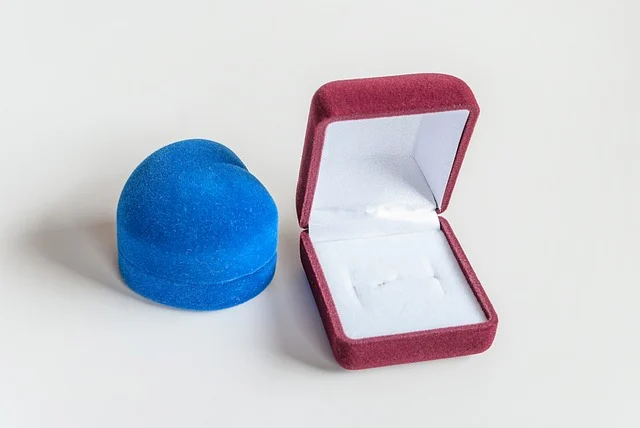
Ring rolls and cushion strips
Dense foam rolls wrapped in soft velvet or plush fabric hold rings upright securely by their bands. Quality ring channels maintain constant side tension without collapsing. This keeps gemstone crowns separated, preventing diamonds from scratching adjacent metal bands or softer stones. Ring channels also accommodate stud earrings pushed gently between the cushioned folds.
Necklace hooks, hanging bars, and anti-tangle pockets
Chain tangling occurs when flexible metal links twist around themselves or tangle with other pieces. Vertical hanging hooks suspend fine chains straight down. Elasticized drop pockets positioned below the hooks catch hanging pendants and loose chain ends, preventing them from swinging freely when opening or closing doors. For fine chains, keeping individual strands isolated preserves personal style without risking bent or snapped links.
Earring grids, stud cards, and drop compartments
Earrings require specific holding mechanisms depending on their backing type. Stud earring panels feature pre-drilled holes or grid slots that hold posts upright and secure backings in place. Hanging drop and chandelier earrings need deeper, open-floored compartments or hanging bars so delicate wires do not bend under pressure.
Deep drawers and watch pillows
Chunky bangles, rigid statement cuffs, collar necklaces, and luxury watches require spacious lower drawers. Watch pillows wrapped in velvet support watch bracelets and straps at natural wrist curvature, protecting internal movements from shock while keeping leather bands from cracking due to sharp folds.
Protecting precious metals and gemstones from environmental damage
Improper storage accelerates tarnish on metals and can permanently damage porous gemstones. Understanding environmental stressors helps you select storage that mitigates these risks.
Understanding oxidation and tarnish mechanisms
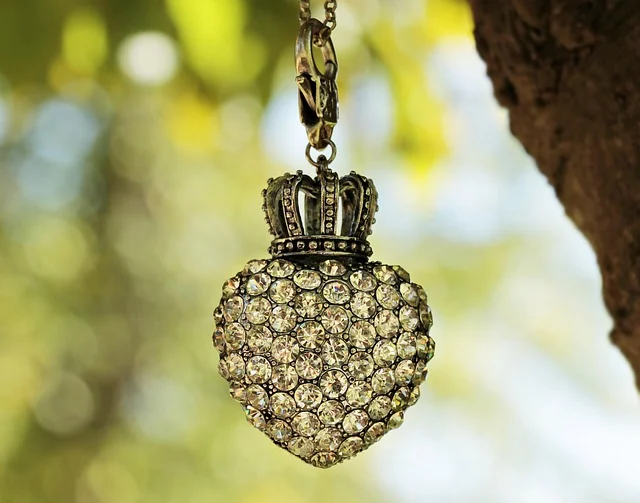
Sterling silver, karat gold alloys, copper, and brass react chemically with atmospheric hydrogen sulfide, oxygen, and moisture. This oxidation creates a dark, dull surface coating. Anti-tarnish box linings are treated during manufacturing with specialized chemical neutralizing compounds that attract and absorb free sulfur molecules before they reach metal surfaces. Keeping the box closed tightly prolongs the protective lifespan of these treated linings.
Gemstone hardness and surface sensitivity
According to the Mohs hardness scale, hard minerals like diamonds (Mohs 10) easily scratch softer stones like opals (Mohs 5.5 to 6.5), pearls (Mohs 2.5 to 4.5), and turquoise. Organic gems like pearls and amber are porous and degrade when exposed to stagnant moisture or harsh synthetic off-gassing from low-quality petroleum glue used in cheap box construction. The Smithsonian Institution emphasizes microenvironment controls and inert physical cushioning when preserving delicate mineral and organic specimens—a principle directly applicable to personal jewelry care.
Humidity and temperature control
Extreme humidity fluctuations harm both jewelry and storage boxes. High humidity accelerates silver tarnishing and promotes mold growth on natural wood and fabric linings. Conversely, excessively dry environments near heating vents can dry out opals and pearls, causing micro-cracking (crazing). Store your jewelry box in a temperature-stable room away from direct heat registers, bathrooms, and uninsulated exterior walls.
Security and locking mechanisms: Protecting high-value pieces
For fine jewelry collections, physical security deters casual access, curious children, and theft risks. Security features range from basic privacy clasps to heavy locking systems.
Key locks versus combination locks
Keyed cylinder locks offer traditional physical security for tabletop chests. Solid brass tumbler mechanisms hold lids and side doors shut tightly. Combination locks eliminate the risk of losing small physical keys, offering quick numeric access for daily wear pieces. Select metal lock assemblies embedded directly into the box frame rather than surface-mounted plastic latches that yield easily to pressure.
Concealed drawers and secondary compartments
Certain large wooden chests incorporate hidden lower drawers concealed behind false bottoms or magnetic side panels. These discreet compartments keep high-value items, cash, or key documents completely out of sight even if the main upper lid is left unlocked.
Multi-layered home security integration
While a locked wooden or leather box prevents casual tampering, it remains portable enough for an intruder to carry off. For highly valuable heirloom collections, place the primary jewelry box inside a bolted floor safe or hidden closet wall unit. The FBI’s home safety guidelines emphasize layered perimeter and internal physical security measures to protect valuable personal assets effectively.
Travel jewelry cases: On-the-go storage without damage
Transporting jewelry during travel presents unique risks, including suitcase compression, rough handling, and sudden temperature shifts. Dedicated travel cases resolve these challenges through compact, structured organization.
Key structural features for travel
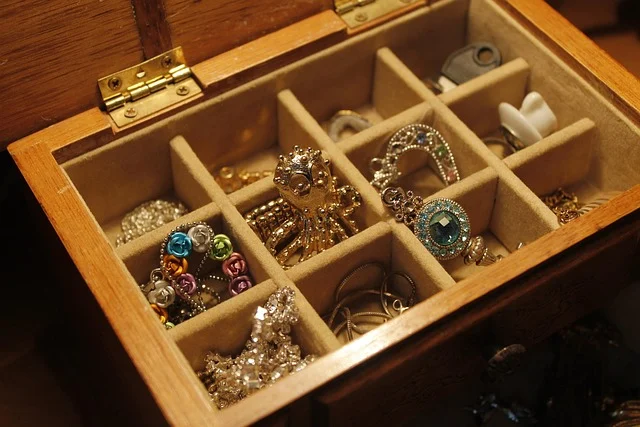
The best travel organizers maintain structural integrity under pressure. Look for rigid outer walls, secure perimeter zippers that stay closed inside luggage, and internal padded flap dividers. Recommendations from Cond Nast Traveler emphasize lightweight, water-resistant outer shells and micro-suede interiors that keep delicate chains secure and motionless during flights or road trips.
Packing strategy for trips
Pack only the pieces you plan to wear. Secure fine necklaces on individual snap tabs, slipping the bottom end into elastic pockets. Roll rings tightly into dedicated foam tracks and snap earring backings completely flat against padded organizer panels. Never pack fine jewelry in checked luggage; keep your travel case inside your carry-on bag at all times.
Common mistakes that ruin jewelry in storage
Even high-quality jewelry can suffer damage if stored incorrectly inside a box. Avoiding these common errors extends the lifespan and brilliance of your pieces.

- Overcrowding compartments: Cramming multiple items into a single compartment causes metals to rub together, creating micro-scratches and entangling chain links.
- Storing pieces damp or dirty: Placing jewelry away immediately after wearing allows body oils, sweat, perfume, and lotion residues to react with metal alloys and dull gemstone surfaces inside the dark box chamber.
- Placing boxes in direct sunlight: Tabletop boxes positioned near sunny windows absorb ambient heat, which can warp wood frames, dry out adhesives, and fade sun-sensitive gems like amethyst, fluorite, and topaz.
- Mixing hard and soft gems: Tossing diamond rings into open trays alongside soft pearls, opals, or delicate enamel pieces leads to gouged surfaces and chipped facet edges.
- Ignoring tarnish warnings: According to Consumer Reports testing on home storage materials, unlined containers and low-grade plastics lack anti-tarnish protection, leading to rapid silver discoloration in high-humidity environments.
How to organize and maintain your jewelry box: A step-by-step process
Properly setting up and maintaining your storage system preserves your collection and simplifies your routine.
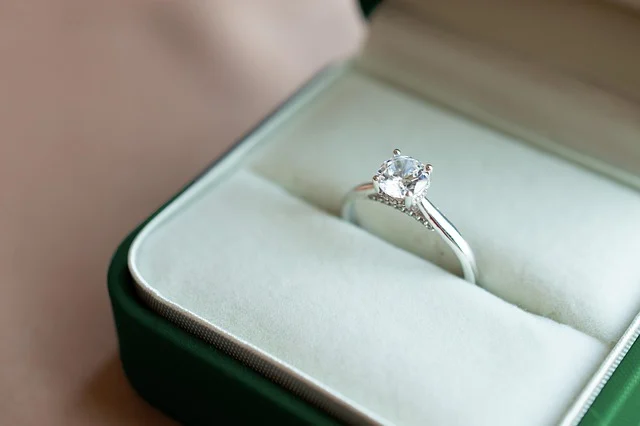
- Empty and inventory your collection: Lay out every piece of jewelry on a clean microfiber towel. Group items by category (rings, stud earrings, drop earrings, fine chains, heavy necklaces, bracelets, watches).
- Clean each item before storing: Gently wipe metals and non-porous stones with a dry lint-free polishing cloth to remove surface skin oils and dust. Allow any wiped items to dry completely before returning them to enclosed compartments.
- Categorize by metal type and value: Separate daily-wear items from fine heirlooms. Keep sterling silver in compartments lined with anti-tarnish fabric, and place high-value items in secure or hidden drawers.
- Assign items to matching slots: Insert rings vertically into ring rolls, button stud earrings through dedicated grid cards, hang delicate necklaces from individual upper hooks, and rest heavy cuffs or watches in deep lower drawers.
- Clean the box interior periodically: Vacuum interior compartments every few months using a soft brush vacuum attachment to remove dust particles. Wipe leather or wood exteriors with specialized wood conditioners or damp cloths as recommended by the manufacturer.
Frequently asked questions
What features should I look for in a high-quality jewelry box?
Look for solid exterior construction (hardwood, high-grade MDF, or sturdy leather), a soft non-abrasive lining treated with anti-tarnish compounds, dedicated compartments like ring rolls and necklace hooks, and smooth hardware. A secure locking clasp or key lock adds essential protection for valuable items.
Can a jewelry box really prevent tarnishing?
Yes, jewelry boxes with specialized anti-tarnish fabric linings neutralize airborne sulfur gases and moisture that cause oxidation. Keeping the lid tightly closed slows down tarnish significantly, maintaining the shine of sterling silver and copper alloys for months without polishing.
How do I choose the right size jewelry box for my collection?
If space is limited, consider a stackable modular tray system that expands vertically.
Are travel jewelry cases worth using compared to standard pouches?
Travel cases are far superior to open pouches because their rigid walls prevent compression damage from heavy luggage. Internal snap straps, padded dividers, and ring rolls keep chains and earrings separated so items do not scratch or tangle during transit.
What is the best way to clean and maintain the interior of a jewelry box?
Use a clean, dry lint roller or a mini vacuum brush attachment to remove lint and dust from velvet or suede interiors. Avoid spraying water or liquid cleaning chemicals directly onto fabric linings, as excess moisture can break down internal glues and cause metal tarnish.


