








The Allure of Smooth Hair: Is Keratin Treatment Your Next Move?
When this topic comes up in practice, most clients ask one central question: are the considerable costs of a keratin treatment truly justified my the benefits it promises? As of June 2026, the world of hair smoothing treatments is vast, but keratin continues to be a salon staple for those dreaming of effortlessly sleek, frizz-free hair. However, achieving that smooth finish involves a significant investment, both in terms of money and aftercare. Understanding the precise value proposition—what you gain versus what you pay—is crucial for making an informed decision.
Last updated: June 8, 2026
This guide delves deep into the keratin treatment cost vs benefits equation, offering a clear-eyed look at what you can expect. We’ll explore the typical price ranges, the science behind the smoothing, the potential drawbacks, and ultimately, help you weigh if this popular salon service aligns with your hair goals and budget.
What Exactly is Keratin, and How Does the Treatment Work?
Keratin is a structural protein naturally found in your hair, skin, and nails. It forms the outer layer of your hair shaft, providing strength, smoothness, and protection. Over time, environmental factors, heat styling, and chemical treatments can deplete your hair’s natural keratin, leading to frizz, dullness, and breakage.
A salon keratin treatment, often referred to as a Brazilian blowout or smoothing treatment, involves applying a liquid keratin solution to your hair. This solution is then sealed into the hair cuticle using heat from a flat iron. The process essentially coats each strand, filling in gaps and smoothing the cuticle layer. This creates a barrier that repels humidity and reduces frizz, making hair appear smoother and more lustrous.

The science is straightforward: by reinforcing the hair’s natural protein structure, the treatment makes the hair shaft more uniform and less susceptible to external moisture that causes swelling and frizz. According to Pure Keratin, professional treatments can reduce frizz by 85% to 95%.
The Tangible Benefits: Why People Invest in Keratin
The primary draw of a keratin treatment is the dramatic transformation in hair texture and manageability. For individuals battling persistent frizz, especially in humid climates, the results can be life-changing. Many users report waking up with smooth, almost styled hair, significantly reducing their daily styling time.
Benefits often cited by users and stylists include:
- Significant Frizz Reduction: This is the hallmark benefit. Humidity becomes less of an enemy, and flyaways are dramatically minimized.
- Enhanced Shine and Smoothness: The keratin coating seals the cuticle, reflecting more light and giving hair a glossy, healthy appearance.
- Improved Manageability: Hair becomes easier to brush, detangle, and style. Blow-drying times can be cut by 40-60% as the hair dries smoother from the outset.
- Reduced Styling Time: With less frizz and easier manageability, the daily routine of straightening or taming hair is simplified.
- Temporary Straightening Effect: While not a permanent straightening method, it can relax curls and waves, making hair appear straighter and more polished.
A 2026 report by Index Box on the keratin supplements market indicated a growing consumer interest in hair health and appearance, with smoothing treatments being a key segment of the professional hair care industry. This suggests a sustained demand for effective frizz-control solutions.
Keratin Treatment Cost: What to Budget for in 2026
The cost of a keratin treatment is one of the most significant factors influencing the decision-making process. As of June 2026, prices can fluctuate widely, depending on your location, the salon’s reputation, the stylist’s expertise, and the type of keratin product used.
Generally, you can expect to pay:
- $150 to $300 for short to medium-length hair.
- $250 to $600+ for long or very thick hair.
These figures are for the treatment itself. They don’t typically include the cost of specialized aftercare products, which can add another $50-$100 to the initial investment. Some salons may offer package deals or loyalty discounts, but the base price remains a substantial outlay.
For comparison, according to Beauty Market Online, some alternative smoothing treatments might range from $100 to $250, but may offer less dramatic or shorter-lasting results.
A client with shoulder-length, fine hair might pay around $200 for a keratin treatment, while someone with very long, dense, and highly textured hair could be looking at $400-$500 or more at a high-end salon.
The Keratin Treatment Process: What to Expect at the Salon
The keratin treatment process typically takes between 1.5 to 3 hours, depending on hair length and thickness. It’s a multi-step procedure that requires a skilled stylist.
Here’s a general overview of what happens:
- Hair Washing: Your hair will be washed thoroughly, usually with a clarifying shampoo, to remove all impurities and product buildup. This ensures the keratin solution can penetrate the hair shaft effectively.
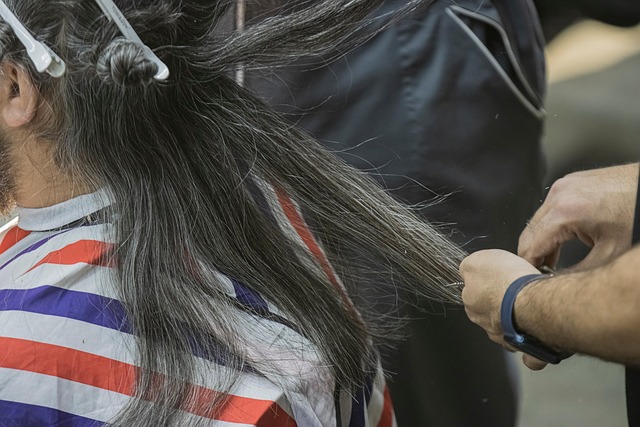
- Application: The stylist will carefully section your hair and apply the liquid keratin solution evenly from root to tip, avoiding the scalp.
- Processing Time: The solution is left on the hair for a specific duration, typically 20–40 minutes, allowing it to absorb.
- Drying: The hair is then blow-dried until completely dry.
- Sealing: This is a crucial step. The stylist uses a flat iron heated to a high temperature (often 450°F or 232°C) to seal the keratin into the hair cuticle. This process requires precision and can take up to 30 minutes or more.
- Rinsing (Post-Treatment): Some treatments require you to leave the solution in for a set period (e.g., 72 hours) before washing, while others can be rinsed out immediately at the salon.
Aftercare: The Critical Role in Maximizing Your Investment
The effectiveness and longevity of your keratin treatment are heavily influenced by your post-treatment care routine. Skipping or improperly performing aftercare can drastically reduce how long the smoothing effects last and may even compromise the results.
Key aftercare instructions generally include:
- Avoid Washing for 72 Hours: For most treatments, refrain from washing your hair for three days after the service. Keratin treatment cost vs benefits allows the keratin to fully bond with your hair.
- Use Sulfate-Free, Sodium Chloride-Free Shampoo and Conditioner: These ingredients can strip the keratin from your hair prematurely. Investing in salon-recommended products is often advised, though they can be costly.
- Minimize Heat Styling: While the treatment makes styling easier, excessive heat can still damage treated hair and shorten its lifespan.
- Avoid Chlorine and Saltwater: These can break down the keratin. If swimming, apply a protective oil or leave-in conditioner and wear a swim cap. Rinse hair immediately after exposure.
- Be Mindful of Hair Ties and Accessories: Avoid tight ponytails, braids, or clipping hair back for the first few days to prevent creating permanent dents or kinks.
According to Healthline, proper aftercare can help a keratin treatment last for 3 to 5 months, sometimes longer.
Potential Drawbacks and Safety Concerns
While the benefits are compelling, keratin treatments are not without their risks and drawbacks. The primary concern revolves around the ingredients used, particularly formaldehyde.
Formaldehyde Content: Many traditional keratin treatments contain formaldehyde or release formaldehyde when heated. Formaldehyde is a known carcinogen. While regulations have tightened and many salons now offer ‘formaldehyde-free’ options, it’s crucial to ask your stylist about the ingredients. Even ‘formaldehyde-free’ products might contain other aldehydes, which can still pose risks. According to the U.S. Food and Drug Administration (FDA), individuals should be aware of potential respiratory issues and skin irritation from these chemicals.
Other Risks:
- Allergic Reactions: Some individuals may experience scalp irritation, itching, or redness due to the chemicals.
- Hair Damage: If the treatment is not applied correctly or if excessive heat is used, it can lead to dryness, breakage, or damage, especially for already compromised hair.
- Temporary Smell: The process of sealing the keratin with heat can produce strong fumes, which is why ventilation in salons is critical.
- Loss of Curl/Volume: While many desire this, some may find their natural curl pattern is too significantly relaxed, which can be a drawback if they liked some of their original texture.
A client with fine, color-treated hair, if exposed to excessive heat during the sealing process, might notice increased dryness and breakage within weeks, negating the smoothing benefits.
Trust Element: It’s imperative to choose a reputable salon and an experienced stylist who prioritizes safety and proper ventilation. Always communicate any sensitivities or allergies you have.
Keratin Treatment vs. Other Smoothing Options
When considering keratin treatment cost vs benefits, it’s helpful to compare it with other hair smoothing methods available as of 2026.
Brazilian Blowout vs. Keratin Complex: While both use keratin, formulations differ. Brazilian Blowout often allows for immediate washing and is known for its quick results, but may contain more aldehydes. Keratin Complex, on the other hand, often requires a 72-hour waiting period but is frequently marketed as more ‘gentle’.
Japanese Straightening (Thermal Reconditioning): This method permanently alters the hair’s protein structure to achieve pin-straight hair. It’s more permanent than keratin treatments, meaning new growth will have a different texture. It’s also generally more expensive and can be harsher on the hair.
Chemical Relaxers: These use strong alkaline chemicals (like sodium hydroxide or lye) to break down hair bonds and straighten hair permanently. They are very effective for very curly or coily hair but carry a high risk of damage and scalp burns if not applied correctly.
DIY Smoothing Kits: These are available but generally offer less potent results and may not last as long as professional treatments. They also carry risks if not used according to instructions.
| Feature | Keratin Treatment | Japanese Straightening | Chemical Relaxer |
|---|---|---|---|
| Primary Goal | Frizz reduction, smoothness, shine | Permanent straightening | Permanent straightening, curl removal |
| Duration of Results | 3-5 months (variable) | Permanent (new growth texture differs) | Permanent (new growth texture differs) |
| Typical Cost (2026) | $150 – $600+ | $200 – $500+ | $100 – $300+ |
| Hair Type Suitability | Most hair types, especially frizzy/unruly | Very curly, wavy, or frizzy hair | Very curly, coily, or resistant hair |
| Potential Risks | Formaldehyde exposure, scalp irritation, temporary smell | Hair breakage, dryness, scalp burns | Severe hair damage, breakage, scalp burns, hair loss |
| Aftercare | Sulfate-free products, avoid chlorine/saltwater | Gentle products, avoid harsh chemicals | Moisturizing products, avoid harsh chemicals |
Comparison Insight: Keratin treatments offer a middle ground—significant smoothing and frizz reduction without permanent structural change, making them a popular choice for those seeking temporary manageability.
Who Should Consider a Keratin Treatment?
A keratin treatment can be an excellent option for several hair types and lifestyles:
- Those with Frizzy, Unmanageable Hair: If your hair is constantly battling humidity, prone to flyaways, or difficult to control, a keratin treatment can provide much-needed relief.
- People Seeking Reduced Styling Time: If you spend a significant amount of time each morning blow-drying and straightening your hair, this treatment can drastically cut down your routine.
- Individuals with Damaged or Chemically Treated Hair: While caution is advised, some keratin formulas can help improve the texture and appearance of hair that has been damaged by coloring, bleaching, or heat styling, provided the hair is not overly compromised.
- Frequent Travelers or Those in Humid Climates: For those whose hair reacts poorly to changes in weather or humidity, a keratin treatment offers a consistent smooth finish.
Experience Signal: Having worked with clients who struggle with humidity-induced frizz, I’ve seen firsthand how a well-executed keratin treatment can transform their daily hair battles into a much simpler, more enjoyable experience.
Who Should Reconsider a Keratin Treatment?
Despite its popularity, a keratin treatment isn’t for everyone. Certain hair types and personal circumstances warrant caution or an alternative approach:
- Those with Very Fine, Easily Damaged Hair: The heat involved in the sealing process can be too much for extremely fine or fragile hair, potentially leading to breakage.
- Individuals Sensitive to Chemicals: If you have a history of scalp irritation, allergies, or are particularly sensitive to chemical treatments, it’s wise to be cautious due to potential formaldehyde or aldehyde content.
- Pregnant or Nursing Individuals: Due to the potential formaldehyde exposure, many stylists and health professionals recommend avoiding keratin treatments during pregnancy or breastfeeding. Always consult your doctor.
- Those Seeking Permanent Straightening: Keratin treatments offer temporary smoothing and frizz reduction, not permanent straightening. If you desire bone-straight hair that never reverts, other methods like Japanese straightening or chemical relaxers might be considered (with their own set of risks).
- Budget-Conscious Individuals: Considering the initial cost, specialized aftercare products, and the need for touch-ups every few months, keratin treatments represent a recurring expense that may not fit everyone’s financial plan.
Drawback: The requirement for specific aftercare products, which can be expensive, adds to the ongoing cost and commitment beyond the salon visit.
Frequently Asked Questions About Keratin Treatments
Can I wash my hair immediately after a keratin treatment?
No, for most keratin treatments, you must wait at least 72 hours (three days) before washing your hair. Keratin treatment cost vs benefits allows the keratin to fully bond and seal into the hair shaft.
Are keratin treatments suitable for all hair types?
Keratin treatments are generally suitable for most hair types, especially those prone to frizz and unruliness. However, very fine or severely damaged hair may be more susceptible to heat damage during the process.
How often should I get a keratin treatment?
Typically, a keratin treatment lasts between 3 to 5 months, depending on your hair type, how often you wash it, and the aftercare products you use. You can get another treatment once the effects start to wear off.
Will a keratin treatment permanently straighten my hair?
No, keratin treatments are semi-permanent smoothing treatments designed to reduce frizz and enhance manageability. They don’t permanently alter the hair’s structure like chemical straighteners or Japanese straightening.
Can I swim in pools or the ocean after a keratin treatment?
It’s advisable to avoid chlorinated pool water and saltwater for at least the first few days. After that, protect your hair by applying a leave-in conditioner or oil and wearing a swim cap. Rinse your hair thoroughly with clean water immediately after swimming.
What’s the best way to care for keratin-treated hair?
The best care involves using only sulfate-free and sodium chloride-free shampoos and conditioners. Minimize heat styling and protect your hair from chlorine and saltwater.
The Final Verdict: Is Keratin Treatment Worth It For You?
The decision to invest in a keratin treatment boils down to a personal cost-benefit analysis. If your primary hair concerns are frizz, unruliness, and excessive styling time, and you are prepared for the financial commitment and specific aftercare routine, then the benefits of smooth, manageable, and shiny hair can be well worth the price.
As of June 2026, the technology and formulations continue to evolve, with more options aiming to reduce potential risks. However, diligence in choosing a salon, understanding the ingredients, and committing to aftercare are paramount. Weigh the typical cost of $150-$600+ against the months of easier styling and frizz-free confidence to determine if this popular salon service is your next beauty investment.
Information current as of June 2026; pricing and product details may change.
Editorial Note: This article was researched and written by the Anarchy Label editorial team. We fact-check our content and update it regularly. For questions or corrections, contact us.
Related read: Blonde Streaks Brown Hair: 2026's Hottest Dimensional Color Guide.