











A fashion guide for beginners starts with assessing your body shape and personal color palette. This helps select flattering clothes while building a core wardrobe of high-quality neutral staples. Mastering proper garment fit, basic color coordination, and natural fabric selection allows you to build a functional, stylish wardrobe without overspending or chasing short-lived trends.
This guide details foundational wardrobe staples, visual balance across body silhouettes, and seasonal color palettes matched to skin undertones. It also covers practical outfit examples, strategic accessories, key fit indicators for men, home fashion design, and simple styling fixes.
Fashion Guide for Beginners: 7 Essential Steps to Master Personal Style, Fit, and Design Basics
A fashion guide for beginners starts with self-assessment—specifically understanding your body shape and personal color palette to make flattering choices. Next, build a core wardrobe of high-quality neutral staples. By mastering proper garment fit, essential color coordination, and basic styling rules, anyone can create a functional, stylish wardrobe without overspending or chasing short-lived trends.
Identifying whether your body shape is hourglass, pear, apple, rectangle, or inverted triangle helps balance proportions. Also, recognizing your seasonal colors guides you toward flattering shades. Building a versatile wardrobe relies on core essential pieces—such as well-fitting dark-wash jeans, crisp white shirts, and neutral blazers—where fabric quality and proper fit take priority over short-lived trends. This guide details foundational wardrobe staples, the art of fit and tailoring, basic color theory for outfit coordination, strategic use of accessories, smart shopping practices, common style pitfalls to avoid, and advice for developing your unique personal style.
What are the basics of fashion?
The basics of fashion center on three foundational pillars: proportion, color, and fabric quality. Understanding these concepts allows you to make intentional clothing decisions rather than relying on trial and error.
1. Body Proportions and Silhouettes
Dressing well is primarily an exercise in visual balance. Your goal is to choose silhouettes that create symmetry and draw attention to your best features:
| Body Shape | Visual Characteristics | Styling Goal | Recommended Cuts |
|---|---|---|---|
| Hourglass | Bust and hips are roughly equal width with a defined waist. | Highlight the natural waist without adding bulk to shoulders or hips. | Wrap dresses, high-waisted trousers, fitted blazers, belted coats. |
| Pear (Triangle) | Hips and thighs are wider than shoulders and bust. | Draw visual attention upward to balance narrower shoulders. | Boat-neck tops, structured shoulder jackets, A-line skirts, dark trousers. |
| Apple (Round) | Weight is centered around the torso with slender legs and arms. | Elongate the midsection and highlight shoulders and legs. | V-neck tops, empire waist cuts, open cardigans, straight-leg pants. |
| Rectangle | Bust, waist, and hips have similar dimensions with minimal waist curve. | Create the visual illusion of curves and define the midsection. | Peplum tops, pleated skirts, belted coats, layered knitwear. |
| Inverted Triangle | Broad shoulders and chest with narrower hips and waist. | Add volume to the lower body to balance shoulder width. | Wide-leg trousers, flared skirts, subtle V-necks, unpadded shoulders. |
2. Seasonal Color Palette
Colors interact directly with your natural skin undertones, eye color, and hair tone. Undertones generally fall into three categories:
- Cool undertones: Pink, red, or bluish undertones. Flattered by jewel tones (emerald, sapphire, ruby), navy, cool grey, and crisp white.
- Warm undertones: Golden, yellow, or peach undertones. Flattered by earth tones (olive, terracotta, mustard, warm beige), cream, and copper.
- Neutral undertones: A mix of cool and warm qualities. Flattered by most neutral shades, dusty pinks, soft teal, and medium greys.
3. Fabric Selection and Care
The durability and drape of an outfit depend on fabric composition. Natural fibers like cotton, linen, wool, and silk breathe better and hold structure far longer than cheap synthetic blends. Check fabric labels before purchasing: high natural fiber content generally signals better longevity and comfort.
How to start learning about fashion and where to start learning
Learning about fashion is a skill acquired through deliberate observation and practice. If you are wondering how to get started in fashion from scratch, follow these four practical steps:
- Audit Your Existing Closet: Remove every item from your wardrobe. Separate clothes into three piles: items you wear weekly, items that fit poorly, and items you never wear. Identify common traits in the garments you love (e.g., fabric weight, neckline, color) to understand your baseline preferences.
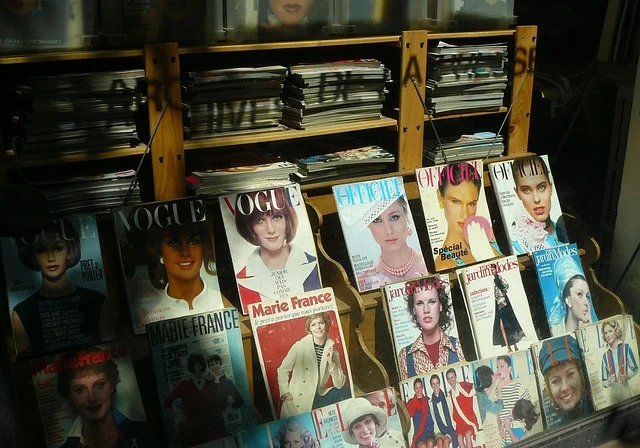
- Study Industry Outlets and Archival Style: Build visual literacy by observing professional editorial photography and historical fashion trends. Browse major publications such as Vogue. For example, examine historical fashion cycles like the 2000s in fashion to learn how proportions and silhouettes evolve over time.
- Build a Visual Inspiration Board: Save 20 to 30 outfit photos that match your realistic daily lifestyle. Look for patterns across your saved images—such as recurring shoe styles, jacket cuts, or color combinations.
- Practice the “Rule of Three”: When buying any new garment, verify that it can immediately pair with at least three items you already own. If it requires purchasing an entirely new outfit to support it, leave it in the store.
Fashion styling tips for beginners: Building a high-versatility wardrobe
Worked Outfit Examples
Here is how to structure outfits for common settings using standard beginner staples:
- Casual Daytime: Dark-wash jeans + plain white crew-neck t-shirt + minimalist leather sneakers + unbuttoned canvas overshirt or denim jacket. Accessories: leather strap watch and simple leather belt.
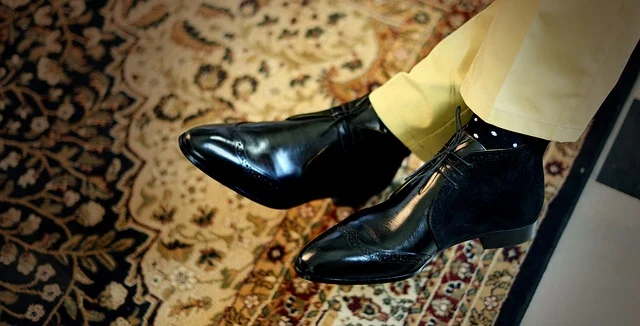
- Smart Casual / Office: Tailored navy or grey chinos + light blue button-down shirt + neutral blazer + brown leather loafers or clean suede dress shoes.
- Evening / Formal: Fitted dark suit or tailored trousers with a tailored blazer + crisp white button-down + polished dress shoes + leather belt matching the shoe color precisely.
Strategic Use of Accessories
Accessories transform simple base outfits into deliberate style statements. First, focus on high-impact basics: a classic watch with interchangeable straps, structured leather bags, minimal metal jewelry (gold or silver based on your skin tone), and simple leather belts that match your footwear.
Men’s fashion guide for beginners
Men’s fashion tips for beginners focus heavily on fit parameters. As a result, men’s clothing relies on precise shoulder lines, sleeve lengths, and pant breaks rather than complex draping.

Key Fit Indicators for Men
- Shoulder Seams: The seam connecting the sleeve to the body of a shirt or jacket should rest directly at the point where your shoulder plane meets your arm. Seams dropping off the shoulder indicate an oversized garment.
- Pant Length (The Break): Trousers and chinos should ideally feature a “slight break” or “no break.” However, the hem should touch the top of the shoe without excessive fabric pooling around the ankles.
- Sleeve Length: Suit jacket sleeves should sit approximately half an inch above your shirt wrist cuff, allowing a subtle sliver of shirt sleeve to show.
- Torso Fit: Shirts should fit comfortably across the chest without pulling or gapping at the buttons, tapering slightly toward the waist.
Core Men’s Wardrobe Checklist
A complete beginner men’s capsule includes: 2 pairs of dark-wash slim or straight denim, 2 pairs of tailored chinos (navy and khaki), 3 structured solid t-shirts (white, grey, navy), 2 oxford cloth button-down shirts, 1 neutral blazer, 1 pair of clean white leather sneakers, and 1 pair of brown or black leather dress shoes/loafers.
Fashion design guide for beginners: Learning fashion designing at home
If your goal extends beyond personal styling into creating or designing clothing, learning fashion design tips for beginners at home requires mastering design principles step-by-step:
- Learn Silhouette and Proportion Design: Fashion design starts with understanding line, volume, and balance. Practice drawing 9-head croquis (elongated fashion figure templates) to visualize how garments drape over human contours.
- Study Fabric Science: Understand the difference between woven fabrics (jeans, dress shirts) and knit fabrics (t-shirts, sweaters). Wovens retain structural shape, whereas knits stretch and follow body contours closely.
- Master Basic Pattern Making and Draping: Practice taking exact body measurements and translating them onto paper patterns. Utilize free online sewing tutorials and basic downloadable pattern references to construct prototype garments out of affordable muslin fabric before cutting expensive materials.
- Deconstruct Existing Garments: Purchase secondhand clothes from thrift stores, seam-rip their stitching apart, and study how sleeve caps, collars, plackets, and darts are assembled.
Common fashion problems and practical fixes
| Common Pitfall | Why It Happens | Practical Fix |
|---|---|---|
| “Full closet, nothing to wear” | Purge low-versatility items and fill gaps with plain neutral t-shirts, dark denim, and tailored jackets. | |
| Outfits look sloppy or cheap | Take off-the-rack clothes to a local tailor for hem and waist adjustments; steam garments before wearing. | |
| Outfits feel boring or bland | Incorporate textural contrast (e.g., pairing a chunky knit sweater with smooth leather or structured denim) and add accessories. | |
| Color clashing | Limit outfits to one accent color against a base of two neutral shades (e.g., navy blazer, white shirt, grey pants, green necktie). |
Who this fashion advice does not suit
While structured style principles benefit most people seeking everyday polished style, this advice does not suit everyone:

- Avant-Garde & Concept Performers: High-fashion runway performers and conceptual artists intentional about breaking proportions (e.g., extreme oversized silhouettes, asymmetrical distressing) will find standard balance rules restrictive.
- Subculture Purists: Specialized subcultures (such as punk, goth, or technical outdoor/gorpcore purists) prioritize adherence to subculture dress codes over traditional aesthetic proportion rules.
- Specialized Utility Workers: Individuals whose daily outfits require strict safety gear, fire-retardant materials, or heavy industrial workwear must prioritize function over tailoring and fabric selection rules.
Essential style and fit questions answered
What are the absolute must-have clothing items for a beginner’s wardrobe?
Key items include well-fitting dark denim or chinos, a neutral blazer, quality t-shirts in basic colors, a button-down shirt, a versatile dress or suit jacket, and comfortable yet stylish footwear like sneakers or loafers.
How often should I update my wardrobe based on trends?
For beginners, it’s best to focus on timeless essentials. You can incorporate trends through accessories or a few affordable pieces rather than overhauling your entire wardrobe seasonally.
What is the best way to find clothes that fit well?
Always try clothes on if possible. Pay attention to how the garment fits at the shoulders, waist, and hem. Don’t hesitate to use tailoring services to achieve a perfect fit, as this makes a significant difference.
How can I learn my personal color palette?
You can research online or consult a color analysis expert. Generally, observing how different colors affect your complexion in natural light—whether they brighten it or make it appear sallow—is a good starting point.
Is it better to buy fewer, more expensive items or more, cheaper items as a beginner?
As a beginner, focus on a mix. Prioritize quality and fit for core essentials, even if it means buying fewer items. Use more affordable pieces for trend-driven items you might only wear for a season.
How do I avoid looking like I’m trying too hard?
The key is balance and authenticity. Don’t wear too many trendy items at once. Ensure your outfits align with your personality and lifestyle, and prioritize comfort alongside style.
Source: Vogue
Frequently asked questions
How long does it take to develop personal style?
Developing personal style typically takes several months of intentional experimentation. By curating a mood board, auditing your closet, and focusing on garments that match your actual daily activities, you will establish a consistent, authentic visual identity within six months to a year.
Can I build a stylish wardrobe on a tight budget?
Yes. Focus your budget on acquiring properly fitted neutral basics from affordable retailers or thrift shops. Also, allocate a small budget toward local tailoring. Hemming pants and adjusting sleeve lengths at a tailor will instantly make budget garments look custom-made.
What is the easiest way to start learning fashion design at home?
Begin by studying basic garment construction on clothes you already own, practicing hand and machine stitching on scrap fabrics, and using downloadable basic sewing patterns and croquis templates to design simple garments like skirts, t-shirts, or tote bags.
How many shoes should a beginner own?
A beginner only needs three fundamental pairs of shoes to cover virtually all occasions: one pair of clean, minimal white leather sneakers for casual wear; one pair of brown or dark leather loafers/bluchers for smart casual events; and one pair of formal black dress shoes or polished boots.
Related guides
Sources: 2000s in fashion


