













The Enduring Allure of the Drop Waist Wedding Dress in 2026
While the drop waist has historical roots, its contemporary interpretations for 2026 are anything but dated. Designers are reimagining this classic line with innovative fabrics, intricate detailing, and a focus on contemporary brides seeking a look that feels both familiar and fresh. This guide delves into the world of drop waist wedding dresses, exploring why they continue to enchant, who they flatter best, and how to find your dream gown.
Last updated: July 20, 2026
- The drop waist wedding dress features a bodice that extends below the natural waist, creating a longer torso and a flattering, elongated silhouette.
- This style draws inspiration from the 1920s and 1930s but is reinterpreted for 2026 with modern fabrics and updated designs.
- Drop waist dresses can be incredibly flattering for various body types, particularly those seeking to elongate their frame or balance proportions.
- Careful consideration of fabric, skirt fullness, and embellishments is key to selecting the perfect drop waist gown.
- Styling options for drop waist dresses range from minimalist chic to bohemian romance, offering versatility for different wedding themes.
Defining the Drop Waist Silhouette
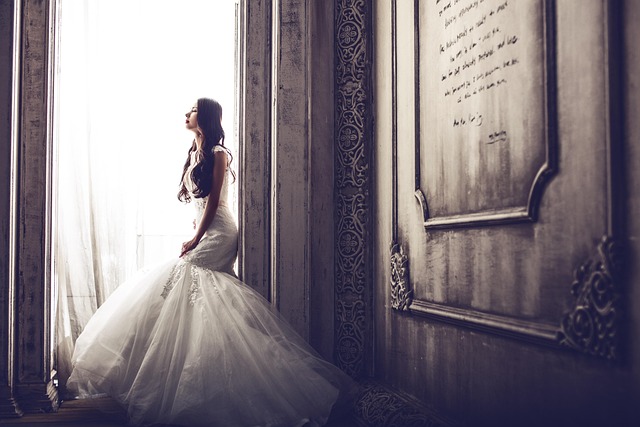
At its core, a drop waist wedding dress is defined by where the bodice ends and the skirt begins. Unlike a traditional gown where the waistline sits at the natural crease of the body, a drop waist design extends the bodice downwards, often to the hips or even lower. This shift creates a visual separation, effectively lengthening the upper body and creating a streamlined, elegant line.
The effect is a gown that feels both relaxed and refined. The extended bodice can offer a more relaxed fit, while the subsequent skirt, often fuller or A-line, provides a classic bridal feel. It’s a style that whispers vintage glamour while offering a contemporary sensibility, making it a compelling choice for many modern brides.

A Nod to History: The Drop Waist’s Journey
The drop waist silhouette gained significant traction in fashion during the 1920s. This era, known for its liberating styles and departure from restrictive Victorian fashion, embraced looser, more linear silhouettes. The drop waist was perfect for the flapper aesthetic, emphasizing a boyish figure and allowing for greater freedom of movement, ideal for the jazz-age lifestyle.
The style continued to see variations through the 1930s, often featuring softer fabrics and more fluid skirts. While it has ebbed and flowed in popularity over the decades, the drop waist wedding dress has consistently reappeared on runways and in bridal collections, often as a statement piece that offers a romantic, vintage-inspired appeal. As of June 2026, its current revival is driven by a desire for unique, character-filled bridal wear that stands out.
Flattering Every Bride: The Versatility of the Drop Waist
One of the most celebrated aspects of the drop waist wedding dress is its remarkable ability to flatter a wide array of body types. While its primary visual effect is elongation, it achieves this through different mechanisms depending on the wearer.
For petite brides, the drop waist can create the illusion of a longer leg line, making them appear taller. It draws the eye downwards, counteracting a naturally shorter torso. Conversely, for brides with a more ample bust or a fuller figure, the extended bodice can offer a smoother, more streamlined appearance by reducing emphasis on the natural waist and allowing the fabric to skim over curves.
Pear-shaped individuals often find this silhouette beneficial as it can balance broader hips by drawing attention to a lower waistline and a potentially fuller skirt. Even for those with a more athletic build, the drop waist can introduce gentle curves and a softer feminine line. The key lies in the fabric and the skirt’s design; a structured bodice with a flowing skirt is often the most universally flattering combination.
Navigating the Styles: From Minimalist to Bohemian
The drop waist wedding dress is not a one-size-fits-all concept; it manifests in myriad styles, each suited to a different bridal aesthetic. Understanding these variations is crucial when searching for your ideal gown.
Minimalist and Modern
For brides seeking a clean, contemporary look, a minimalist drop waist dress in a structured fabric like mikado or crepe is ideal. These gowns often feature simple lines, perhaps a subtle boatneck or V-neck, and a smooth, unadorned skirt. The elegance comes from the silhouette itself and the quality of the fabric, making a sophisticated statement without excessive embellishment.
A good example is a sleek, ivory crepe gown with a sleeveless bodice that extends to the high hip, flowing into a gently flared skirt. The simplicity allows the unique waistline to be the focal point. Such designs are perfect for modern city weddings or minimalist venues.
Vintage-Inspired and Romantic
The historical roots of the drop waist lend themselves beautifully to romantic, vintage-inspired designs. Think delicate lace overlays, soft tulle skirts, intricate beading, and flowing sleeves. These gowns evoke the glamour of the 1920s and 1930s, perfect for a themed wedding or a bride who adores old-world charm.
Imagine a gown crafted from Chantilly lace, with a fitted bodice adorned with subtle pearl beading that tapers to the hip. The skirt might be a flowing A-line of soft silk chiffon, creating a dreamy, ethereal effect. This style is particularly stunning for garden weddings, barn venues, or any setting where a touch of nostalgic romance is desired.
Bohemian and Ethereal
The relaxed nature of the drop waist also translates perfectly into bohemian and ethereal styles. These gowns often feature softer, more unstructured fabrics like chiffon, georgette, or lightweight lace. Details might include bell sleeves, empire-like empire-inspired elements within the extended bodice, or scattered floral appliqués. The skirt is typically fuller and more fluid, allowing for graceful movement.
A bride might choose a drop waist dress with a V-neckline, delicate cap sleeves, and an illusion back, all crafted from a soft, floral-patterned lace. The bodice would flow into a sweeping skirt of layered chiffon. This style is ideal for beach weddings, destination ceremonies, or any event with a relaxed, free-spirited vibe.
Statement and Couture
For the bride who wants to make a bold fashion statement, drop waist designs can be incredibly dramatic. These might involve architectural silhouettes, voluminous skirts, unique fabric combinations, or avant-garde embellishments. Couture designers often play with the drop waist to create unique visual effects, pushing the boundaries of bridal wear.
Consider a gown with a structured, sculpted bodice that extends into an exaggerated, voluminous ballgown skirt made of stiff silk taffeta, perhaps with dramatic pleating or asymmetrical draping. The extended waistline here acts as a design element that amplifies the gown’s overall impact, making it unforgettable for a grand ballroom or a high-fashion venue.
Fabric and Detailing: The Nuances of a Drop Waist
The choice of fabric significantly influences the overall look and feel of a drop waist wedding dress. Structured materials like mikado, satin, and heavy crepe will hold the shape of the extended bodice, creating a more defined and architectural silhouette. These fabrics are excellent for modern, minimalist, or ballgown styles.
Softer, more fluid fabrics such as chiffon, georgette, silk charmeuse, and lightweight lace lend themselves to romantic, bohemian, or vintage-inspired designs. They allow the skirt to drape and move beautifully, enhancing the ethereal quality of the gown. As of June 2026, we’re seeing a trend towards mixing textures, such as a structured bodice with a flowing chiffon skirt, or a lace-bodice with a satin skirt.
Embellishments also play a crucial role. Beading, lace appliqués, embroidery, and even subtle ruching can be strategically placed along the extended bodice to draw the eye or add texture. For a minimalist approach, the focus might be on the clean lines of the fabric, while a more ornate design could feature intricate beadwork that tapers down the hip.
Styling Your Drop Waist Gown
Accessorizing a drop waist wedding dress requires a thoughtful approach to complement its unique silhouette without overwhelming it.
Veils
The choice of veil can depend on the gown’s style. For a dramatic ballgown or a heavily embellished dress, a simple sheer veil or even a birdcage veil can work. If the gown is minimalist, a more elaborate veil, such as a lace-edged or fingertip-length veil, can add an extra touch of bridal flair. Cathedral-length veils often pair beautifully with the flowing skirts of many drop waist styles, enhancing the romantic drama.
Jewelry
The neckline of the gown will heavily influence jewelry choices. A V-neck or scoop neck might call for a delicate pendant necklace, while a strapless or sweetheart neckline could be beautifully complemented by statement earrings. For gowns with intricate bodices, it’s often best to keep jewelry minimal to let the dress shine.
Consider the era inspiration. For a 1920s-inspired gown, a long, dangling pearl necklace or elaborate drop earrings would be fitting. A modern, minimalist drop waist might suit geometric or clean-lined jewelry.
Shoes and Accessories
The hemline of a drop waist dress often falls lower than a natural waist dress, meaning shoes might be less visible. However, they still contribute to the overall look. Elegant heels, classic pumps, or even stylish bridal flats can work. For a bohemian vibe, strappy sandals or embellished flats might be perfect.
A clutch or small handbag can be a practical and stylish addition. For vintage styles, consider a beaded clutch or a small satin bag. Modern gowns might pair well with a structured box clutch or a sleek envelope style.
Weighing the Options: Pros and Cons
Like any fashion choice, the drop waist wedding dress comes with its own set of advantages and disadvantages.
Pros
- Elongating Silhouette: Creates a visually longer torso and can make the wearer appear taller and leaner.
- Flattering for Many Body Types: Particularly beneficial for petite brides or those looking to balance proportions.
- Unique Style: Offers a distinct look that stands out from more conventional wedding dress silhouettes.
- Vintage Appeal: Connects to historical fashion eras, offering romantic and nostalgic charm.
- Versatile Styling: Can be adapted to minimalist, bohemian, modern, or glamorous aesthetics.
Cons
- Fit Can Be Tricky: The extended bodice requires precise fitting; a gown that’s too tight or too loose in the bodice can look awkward.
- Fabric Choice is Crucial: The wrong fabric can make the drop waist look dated or unflattering.
- May Not Suit Very Short Torsos: While generally elongating, an overly long bodice on a very short torso might overwhelm the frame.
- Limited Movement for Some Styles: Highly structured or embellished drop waists with very full skirts can restrict movement.
- Can Appear Dated if Not Styled Correctly: While currently trending, the historical association means it can lean too heavily into vintage if not updated with modern touches.
Common Pitfalls When Choosing a Drop Waist Dress
Selecting a drop waist wedding dress involves a few considerations to ensure you achieve the desired effect and avoid potential missteps. One common mistake is not prioritizing fit. Because the bodice extends lower than usual, the exact placement of the waistline becomes critical. A dress that sits too high or too low on the hip can disrupt the intended proportions, making the torso appear either too short or disproportionately long.
Another pitfall is overlooking the fabric. A heavy, stiff fabric on a drop waist style can look boxy and unflattering. Conversely, a flimsy fabric on a design meant to be structured might not provide the sleek effect intended. For instance, an overly casual cotton blend might detract from the elegance a drop waist is known for, whereas a luxurious silk crepe or fine satin would enhance it.
Finally, many brides forget to consider how the skirt’s fullness will interact with the extended bodice. A very wide, voluminous skirt paired with a long, fitted bodice can sometimes overwhelm a petite frame or create an unbalanced look. Opting for a skirt that complements the bodice’s length and the bride’s proportions is key. A gentle A-line or a subtle flare often works best for many body types seeking that elongated, graceful line.
Adapting the Drop Waist for Your Wedding Day
The versatility of the drop waist wedding dress means it can be adapted to suit a wide range of wedding types, from intimate ceremonies to grand affairs. For a destination wedding or a beach ceremony, a lightweight chiffon or crepe drop waist dress with delicate lace detailing and perhaps flutter sleeves would be perfect. Its flowing nature would complement a breezy, relaxed setting.
A formal ballroom wedding calls for a more opulent drop waist. Consider a gown in rich satin or mikado, featuring a sculpted bodice and a voluminous skirt. Intricate beading or dramatic architectural folds on the skirt can add the necessary grandeur for such an event. For a rustic barn wedding, a soft lace drop waist with a flowing skirt and perhaps a touch of bohemian detailing, like bell sleeves, would harmonize beautifully with the natural surroundings.
Even for a city hall elopement, a chic, tailored drop waist dress in a high-quality crepe or a stylish midi-length design can be incredibly sophisticated. The key is to match the dress’s formality and fabric to the venue and the overall theme of the celebration.
Where to Find Your Dream Drop Waist Wedding Dress
As of June 2026, the drop waist wedding dress is readily available from a variety of bridal designers and boutiques. High-end designers like Pronovias and Watters often feature drop waist styles in their collections, showcasing sophisticated designs with premium fabrics and exquisite craftsmanship. These are ideal for brides seeking a luxurious, designer piece, with prices typically ranging from $2,200 to over $5,400, depending on the designer and embellishments.
Mid-range bridal shops and online retailers such as Kleinfeld Bridal and Olivia Bottega offer a wider selection, often at more accessible price points. You can find stunning drop waist gowns from around $920 to $6,000. Many retailers, including Nordstrom and Anthropologie, also carry a selection of wedding guest dresses that can sometimes feature drop waist styles, suitable for less formal occasions or as inspiration.
For more budget-conscious brides, online marketplaces and independent designers can be excellent resources. Websites like June Bridals or even high-street retailers like Marks & Spencer occasionally offer drop waist styles, with prices potentially starting as low as $30 for a more casual style or under $1,000 for a dedicated bridal option. As always, checking a retailer’s sizing guide and return policy is essential when shopping online.
The Future of the Drop Waist in Bridal
While the drop waist wedding dress is enjoying a strong revival in 2026, its enduring appeal suggests it will remain a relevant silhouette. Its ability to be reinterpreted through different fabrics, detailing, and skirt constructions ensures it can adapt to evolving bridal fashion trends. We can expect to see designers continue to play with the proportions, perhaps incorporating more asymmetric lines or innovative fabric manipulations.
The emphasis on individual style and unique bridal experiences also supports the drop waist’s continued popularity. Brides are increasingly looking for gowns that reflect their personality, and the drop waist offers a distinctive narrative. Its blend of historical reference and contemporary chic provides a rich foundation for creative expression. This enduring silhouette, celebrating both vintage romance and modern grace, is poised to remain a beloved choice for years to come.
Frequently Asked Questions
Are drop waist wedding dresses still in style for 2026?
Yes, drop waist wedding dresses are very much in style as of June 2026. They are experiencing a significant resurgence, celebrated for their unique silhouette that blends vintage charm with modern elegance.
What body types are most flattered by a drop waist dress?
Drop waist dresses are known for their versatility. They can elongate petite figures, create a smoother line for fuller figures, and help balance proportions by drawing the eye lower on the torso.
Can a drop waist dress be altered to fit better?
Absolutely. While the fit of the extended bodice is crucial, most drop waist dresses can be altered by a skilled seamstress to ensure a perfect, flattering fit for your specific body shape.
What kind of wedding venue suits a drop waist dress?
The drop waist is adaptable. Sleek versions suit modern city venues, while lace or chiffon styles are perfect for romantic garden or bohemian weddings. Grand ballrooms can accommodate more dramatic, voluminous drop waist gowns.
How do I style accessories with a drop waist wedding dress?
Accessories should complement the gown’s style and neckline. Consider delicate pendants for V-necks, statement earrings for strapless styles, and veils that match the dress’s formality and era inspiration.
Are drop waist dresses comfortable?
Generally, yes. The extended bodice can offer a more relaxed fit than a tightly corseted natural waist. However, comfort also depends on the fabric, construction, and skirt fullness.
Embrace Your Elegance with a Drop Waist
The drop waist wedding dress offers a distinctive and flattering silhouette that continues to captivate brides in 2026. Its historical charm, combined with modern design interpretations, provides a unique option for those seeking elegance, romance, and a touch of vintage allure. By understanding its characteristics, considering your body type, and exploring the diverse styles available, you can find a drop waist gown that makes you feel truly magnificent on your special day.
Information current as of June 2026; pricing and product details may change.
Source: Vogue
Editorial Note: This article was researched and written by the Anarchy Label editorial team. We fact-check our content and update it regularly. For questions or corrections, contact us.