













When comparing CeraVe vs Cetaphil which is better depends on your skin. CeraVe excels at barrier repair, hydration, and texture with ceramides, hyaluronic acid, and niacinamide. Cetaphil suits reactive, post-procedure, or rosacea-prone skin that needs minimalist formulas without active ingredients.
When deciding between CeraVe and Cetaphil, you are choosing between two distinct formulation philosophies. CeraVe focuses on actively restoring damaged lipid barriers by delivering essential lipids directly into the stratum corneum. Cetaphil focuses on protecting hypersensitive skin from irritation by removing harsh ingredients and keeping formulations as simple as possible.
Both brands dominate drugstore shelves because they avoid heavy added fragrance, volatile alcohols, and aggressive botanical extracts. However, putting the wrong product on your specific skin type can lead to clogged pores, persistent dryness, or unwanted flushing. Matching the right product line to your specific skin needs requires looking closely at ingredient lists, textures, and active delivery methods.
CeraVe vs Cetaphil which is better at a glance
| Feature | CeraVe | Cetaphil |
|---|---|---|
| Core Philosophy | Active lipid restoration and barrier fortification | Gentle protection for hyper-reactive skin |
| Key Signature Ingredients | Ceramides (1, 3, 6-II), Hyaluronic Acid, Niacinamide | Glycerin, Panthenol (Pro-Vitamin B5), Niacinamide |
| Hydration Delivery | MVE Time-Release Technology (24-hour hydration) | Humectant-rich emollient matrices |
| Best for Acne / Texture | Yes (Salicylic Acid, Benzoyl Peroxide, Niacinamide) | Limited options (focuses mainly on mild cleansing) |
| Best for Post-Procedure / Rosacea | Good, but active ingredients can cause initial stinging | Exceptional simplicity minimizes irritation triggers |
| Cleanser Mechanics | Low-foaming emulsions with lipid replenishment | Soap-free, ultra-low-friction gel and cream bases |
What Drives the Formulations of CeraVe and Cetaphil?
At their core, both brands aim to deliver dermatologist-recommended skin care at accessible prices. However, their scientific approaches diverge when addressing how the outer skin layer functions under stress.
CeraVe was developed alongside dermatologists to solve a specific clinical problem: a compromised skin barrier. The outermost layer of human skin relies on a precise matrix of lipids—primarily ceramides, cholesterol, and free fatty acids—to seal in moisture and keep environmental irritants out. CeraVe builds every core product around a blend of three essential ceramides (Ceramide 1, Ceramide 3, and Ceramide 6-II) that mirror the lipids naturally present in healthy skin. To prevent these lipids from washing away or absorbing too quickly, CeraVe utilizes MultiVesicular Emulsion (MVE) Technology, a patented spherical structure that slowly releases hydrating ingredients layer by layer over 24 hours.
Cetaphil built its legacy on extreme gentleness and minimal reactivity. Originally formulated in 1947 by a pharmacist as a non-irritating cleanser for patients with severe skin conditions, Cetaphil’s classic products avoid active ingredients that could trigger an immune response in sensitive skin. Rather than actively rebuilding the lipid barrier with complex ceramides, classic Cetaphil relies on proven, low-risk humectants like glycerin and soothing emollients to keep skin soft and clean without disrupting the natural mantle. While Cetaphil has introduced updated formulas featuring panthenol and niacinamide, its primary focus remains preventing irritation in reactive skin types.
Key Ingredient Analysis: What Is Inside Each Bottle?
Understanding which brand will work better for your routine comes down to reading the key ingredients on the back of the label.
CeraVe: Targeted Actives and Barrier Repair
- Ceramides 1, 3, and 6-II: These identical-to-skin lipids replenish lost intercellular glue, strengthening damaged skin barriers caused by over-exfoliation, harsh weather, or clinical treatments.
- Hyaluronic Acid: A powerful humectant that attracts water molecules into the upper epidermal layers, plumping dehydration lines and providing surface moisture.
- Niacinamide (Vitamin B3): Found in CeraVe PM and Foaming Facial Cleanser, this ingredient calms inflammation, reduces redness, regulates excess sebum production, and supports long-term barrier repair.
- Salicylic Acid (BHA): Featured in CeraVe SA line, this oil-soluble acid penetrates deep into pores to dissolve dead skin cells, clear oil build-up, and smooth rough texture.
Cetaphil: Minimalist Soothing and Hydration
- Glycerin: A foundational, low-irritation humectant that draws water into the skin without triggering sensitivity or stinging damaged skin barriers.
- Panthenol (Pro-Vitamin B5): A soothing agent that improves hydration, supports minor wound recovery, and reduces discomfort in inflamed or windburned skin.
- Cetyl and Stearyl Alcohol: Fatty alcohols that act as gentle emollients, creating a protective, smooth layer over dry skin without the greasiness of traditional heavy waxes.
- Tocopherol (Vitamin E): An antioxidant that protects skin cells from oxidative stress and helps stabilize emollient oils in leave-on moisturizers.
Direct Product Comparisons: Cleansers and Moisturizers
Comparing flagship products side by side highlights clear differences in texture, performance, and rinse-off feel.
Gentle Cleansers: CeraVe Hydrating Cleanser vs Cetaphil Gentle Skin Cleanser
CeraVe Hydrating Facial Cleanser feels like a rich lotion that cleanses without producing lather. It deposits ceramides and hyaluronic acid onto the skin while removing dirt, leaving a distinct soft, hydrating residue behind. This film protects dry skin from post-wash tightness, but users with oily skin may feel it leaves a film that feels unwashed.
Cetaphil Gentle Skin Cleanser features a slippery, gel-lotion texture that glides effortlessly across hyper-reactive skin. It is soap-free and can be rinsed off with water or wiped away with a cotton pad without irritating compromised skin. It cleanses without leaving a heavy film, making it a safe choice for post-laser recovery or severe rosacea flair-ups.
Foaming Cleansers: CeraVe Foaming Facial Cleanser vs Cetaphil Daily Facial Cleanser
CeraVe Foaming Facial Cleanser transforms from a clear gel into a rich, gentle foam. It uses mild amino-acid surfactants, ceramides, hyaluronic acid, and niacinamide to clear away excess oil without stripping the skin’s moisture barrier. It suits normal, oily, and combination skin types that need deep oil control without post-wash tightness.
Cetaphil Daily Facial Cleanser creates a lighter foam designed to remove daily grime and light makeup. Its updated formula includes glycerin, niacinamide, and panthenol. It rinses completely clean without leaving residual residue, making it ideal for those who prefer a squeaky-clean feeling without drying out their face.
Heavy Moisturizers: CeraVe Moisturizing Cream vs Cetaphil Moisturizing Cream
CeraVe Moisturizing Cream (commonly known as “CeraVe in the Tub”) is a thick, highly occlusive cream enriched with petrolatum, ceramides, and hyaluronic acid. Despite its heavy density, it dries down to a matte, non-greasy finish thanks to its MVE delivery system. It excels at repairing dry flakes, winter windburn, and compromised skin barriers on both the face and body.
Cetaphil Moisturizing Cream relies on sweet almond oil, sunflower seed oil, petrolatum, and glycerin to lock in moisture. It spreads with a traditional emollient gloss that feels immediately soothing on raw, tight, or scaling skin. It offers exceptional comfort for dry body skin, though the rich botanical oil base can sometimes feel heavy or cause breakouts on congestion-prone facial skin.
Lightweight Facial Lotions: CeraVe PM Lotion vs Cetaphil Daily Hydrating Lotion
CeraVe PM Facial Moisturizing Lotion is an oil-free, ultra-light gel-cream formulated with a high concentration of niacinamide alongside ceramides and hyaluronic acid. It absorbs quickly into the skin without clogging pores, making it one of the most effective night moisturizers for combination, oily, or acne-prone skin types.
Cetaphil Daily Hydrating Lotion with Hyaluronic Acid is an ultra-lightweight, oil-free fluid that sinks into skin almost instantly. It provides pure, weightless hydration for normal to combination skin that needs non-greasy moisture during daytime wear under sunscreens or makeup.
Which Brand Suits Your Skin Type Best?
Determining which brand is better comes down to identifying your primary skin concerns and matching them to specific product strengths.
For Oily and Acne-Prone Skin: CeraVe Wins
CeraVe is explicitly formulated to address the root factors of acne and excess oil. Products like the CeraVe SA Cleanser incorporate salicylic acid to exfoliate deep within pore walls, clearing out sebum buildup and dead skin cell plugs.
Additionally, CeraVe heavily incorporates niacinamide, which reduces surface sebum production and soothes red, angry blemishes. While Cetaphil provides non-comedogenic cleansers, its core catalog lacks the targeted exfoliation and active acne-clearing ingredients found in CeraVe’s specialty lines.
For Dry and Dehydrated Skin: A Balanced Competition
Both brands deliver exceptional hydrating power for dry skin types, but they work through different biological mechanisms.
CeraVe shines when dryness is caused by a damaged skin barrier. If your skin is flaking because over-cleansing, cold weather, or active treatments have depleted your natural lipids, CeraVe supplies the ceramides needed to rebuild that barrier. A study published by the National Institutes of Health in 2026 highlighted the efficacy of both ceramide-containing products and simple emollients in improving skin hydration, suggesting both approaches yield significant results when applied consistently.
Cetaphil shines when skin is naturally dry and requires heavy emollient occlusion to stop water from evaporating off the surface. Cetaphil’s rich creams create a protective shield over thirsty skin, softening rough patches quickly without introducing complex active compounds that might sting severely cracked tissue.
For Sensitive, Reactive, and Rosacea-Prone Skin: Cetaphil Leads
When skin is hyper-reactive, prone to allergic contact dermatitis, or flushing with rosacea, adding active ingredients can often cause unexpected stinging, redness, or burning. Cetaphil’s classic formulations excel here precisely because of what they leave out. Their simple, low-ingredient profiles reduce the chance of triggering skin sensitivities.
CeraVe is generally well-tolerated, but some individuals with sensitive skin experience mild burning from the niacinamide or hyaluronic acid when their skin barrier is severely inflamed. For immediate relief during acute flare-ups, Cetaphil’s minimalist range offers a safer starting point.
For Eczema-Prone Skin: Both Offer Targeted Solutions
Eczema requires intensive lipid replenishment combined with soothing, anti-itch ingredients to prevent the itch-scratch cycle.
CeraVe offers dedicated eczema products, such as the CeraVe Hydrocortisone Anti-Itch Cream and CeraVe Eczema Soothing Body Wash, which utilize colloidal oatmeal, hyaluronic acid, and ceramides to repair the skin barrier while calming intense itching.
Cetaphil’s Restoraderm Eczema Soothing Moisturizer features patented filaggrin technology alongside ceramides to restore moisture to chronically dry, severe eczema patches. According to the National Eczema Association, products that are fragrance-free, hypoallergenic, and contain barrier-repairing ingredients like ceramides are beneficial, fitting both brands’ specialized offerings.
Texture, Absorption, and Practical Wearability
A product’s texture directly impacts how consistently you use it in your daily routine. Apply a moisturizer that feels greasy under sunscreen or makeup, and you are far more likely to skip applying it altogether.
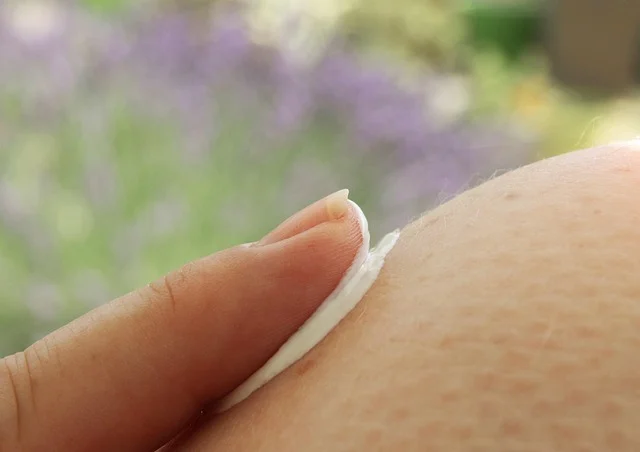
CeraVe products rely heavily on emulsion systems that yield plush, rich textures without leaving oily surface shines. CeraVe Moisturizing Cream, despite its thick, butter-like density in the jar, dries down into a touch-dry, semi-matte layer. This finish makes it suitable for nighttime repair as well as under daytime mineral sunscreens. However, CeraVe Hydrating Cleanser leaves a slight film on the skin after rinsing, which some users interpret as leftover product residue.
Cetaphil products generally focus on light fluid formulations or traditional rich emollients. Cetaphil’s lotions tend to absorb faster into the skin surface, leaving an airy, weightless texture. Cetaphil Gentle Skin Cleanser rinses off completely clean or wipes away with soft cotton without leaving behind a persistent coating. However, Cetaphil’s rich creams tend to maintain a noticeably shiny finish on the skin longer than CeraVe’s creams.
Matching tactile finish to your preferences improves daily compliance. A survey conducted by the American Academy of Dermatology in 2026 indicated that patient adherence to skincare regimens increases by over 30% when the product’s texture and scent profile are preferred.
Specialized Product Lines Beyond the Basics
Beyond standard cleansers and moisturizers, both brands offer specialized treatments designed for targeted dermatological conditions.

CeraVe Specialized Offerings
- Resurfacing Retinol Serum: Formulated with encapsulated retinol, licorice root extract, and ceramides to fade post-acne marks and smooth fine lines while protecting the skin barrier.
- Skin Renewing Night Cream: Features a peptide complex alongside ceramides to support skin recovery overnight for aging or deeply dry complexions.
- Hydrating Mineral Sunscreen SPF 30/50: A 100% mineral sunscreen using zinc oxide and titanium dioxide infused with ceramides to prevent UV damage without stripping moisture.
- SA Smoothing Line: Specialized cleansers and creams designed specifically to dissolve Keratosis Pilaris (“strawberry skin”) rough bumps on arms and legs.
Cetaphil Specialized Offerings
- Redness Relieving Line: Tinted daytime moisturizers and neutral cleansers infused with licorice extract and caffeine to visibly reduce facial redness and even out skin tone.
- Deep Hydration Line: Serums and eye gels utilizing blue daisy extract and hyaluronic acid to deliver 48-hour continuous hydration to chronically parched skin.
- Sheer Mineral Liquid Sunscreen SPF 50: A lightweight fluid mineral sunscreen formulated specifically for ultra-sensitive skin types that react to chemical UV filters.
Common Mistakes to Avoid When Choosing
Choosing between CeraVe and Cetaphil often leads to a few common mistakes that cause unexpected breakouts or persistent skin dryness.

- Mistake 1: Choosing CeraVe Hydrating Cleanser for active acne. Many users pick this cleanser because it is labeled “gentle,” but its non-foaming, barrier-depositing formula can leave too much oil behind on breakout-prone, excess-sebum skin. Oily and acne-prone skin types should opt for CeraVe Foaming Cleanser or SA Cleanser instead.
- Mistake 2: Expecting classic Cetaphil to repair a severely broken skin barrier. Classic Cetaphil Gentle Skin Cleanser is excellent at preventing further irritation, but it lacks the dense concentration of ceramides and fatty acids required to fix severe lipid loss caused by over-exfoliation or chemical peels. CeraVe Moisturizing Cream handles active barrier repair far faster.
- Mistake 3: Over-applying thick tub creams onto acne-prone facial zones. Both CeraVe Moisturizing Cream and Cetaphil Moisturizing Cream contain strong occlusives like petrolatum and heavy fatty alcohols. Applying thick layers to congestion-prone areas like the nose and forehead can trigger closed comedones. Use lighter options like CeraVe PM or Cetaphil Daily Hydrating Lotion on acne-prone facial skin.
- Mistake 4: Ignoring potential sensitivity to Niacinamide. Niacinamide is an incredible ingredient featured across CeraVe’s line and Cetaphil’s updated formulations. However, a small percentage of individuals experience temporary skin flushing, tingling, or breakouts when exposed to niacinamide. If you react poorly to niacinamide, check label ingredients carefully and choose classic Cetaphil formulations that omit it.
How to Combine Both Brands in One Routine
You do not need to choose exclusively one brand over the other. Combining the specific strengths of both CeraVe and Cetaphil often builds the most balanced, effective skincare routine.
Sample Routine for Combination & Acne-Prone Skin
- Morning Cleansing: Wash with Cetaphil Daily Facial Cleanser to remove overnight oils without stripping moisture.
- Morning Hydration: Apply a light layer of Cetaphil Daily Hydrating Lotion with Hyaluronic Acid.
- Sun Protection: Apply a broad-spectrum mineral sunscreen.
- Evening Cleansing: Wash with CeraVe SA Cleanser to dissolve clogged oil and sweep away dead skin cells inside pores.
- Evening Barrier Repair: Apply CeraVe PM Facial Moisturizing Lotion to supply ceramides and niacinamide overnight.
Sample Routine for Ultra-Dry & Sensitive Skin
- Morning Cleansing: Cleanse gently using Cetaphil Gentle Skin Cleanser (rinse off or wipe off with a clean cloth).
- Morning Barrier Support: Apply CeraVe Moisturizing Lotion to lock in moisture with time-released ceramides.
- Evening Cleansing: Wash away environmental grime with CeraVe Hydrating Facial Cleanser.
- Evening Deep Recovery: Apply a generous layer of Cetaphil Moisturizing Cream or CeraVe Moisturizing Cream to repair flakes overnight.
Frequently Asked Questions
Is CeraVe or Cetaphil better for acne-prone skin?
CeraVe is generally better for acne-prone skin because its range incorporates active acne-fighting ingredients like salicylic acid, benzoyl peroxide, and niacinamide alongside essential barrier-repairing ceramides. These ingredients dissolve pore buildup and soothe inflammatory redness without over-drying the skin.
Which brand is better for severe skin sensitivity or rosacea?
Cetaphil is often preferred for hyper-reactive skin or rosacea because its classic formulations are extremely simple and contain fewer active compounds that could trigger stinging or flushing. Its gentle cleansers wipe off easily and protect the skin mantle without causing unnecessary friction.
Can I mix CeraVe and Cetaphil products in the same skincare routine?
Yes, mixing products from both brands is completely safe and often yields the best balance for complex skin concerns. For example, using a gentle Cetaphil cleanser alongside a barrier-repairing CeraVe moisturizer allows you to cleanse sensitive skin gently while getting the benefits of lipid replenishment.
Are all CeraVe and Cetaphil products fragrance-free?
The vast majority of flagship cleansers and moisturizers from both brands are completely fragrance-free and formulated for sensitive skin. However, you should always inspect product packaging, as select specialty body washes or foot lotions may contain masking fragrances or essential botanical extracts.
Which cream is thicker: CeraVe Moisturizing Cream or Cetaphil Moisturizing Cream?
CeraVe Moisturizing Cream in the tub is slightly thicker and provides a more occlusive barrier due to its petrolatum base and MVE delivery system, yet it dries down to a matte finish. Cetaphil Moisturizing Cream has a smoother, oily-emollient slip that leaves a slightly glossier finish on dry skin.
Final Verdict: Making Your Informed Choice
Choosing between CeraVe and Cetaphil comes down to identifying what your skin needs most at this moment. If your main goal is actively rebuilding a damaged skin barrier, fighting acne, smoothing rough skin texture, or maintaining deep long-term hydration, CeraVe’s ceramide-heavy, active-infused catalog offers superior performance.
If your main goal is finding ultra-gentle, non-irritating care for hyper-reactive skin, rosacea, or recovery after intensive dermatological treatments, Cetaphil’s minimalist formulations provide reliable protection with minimal risk of irritation. Assessing your skin barrier health, texture preferences, and ingredient sensitivities will guide you to the perfect addition for your daily skincare routine.


