












Building a streetwear wardrobe for beginners starts with choosing versatile foundational staples—like comfortable neutral hoodies, graphic tees, straight-leg jeans, and classic sneakers—rather than blindly chasing hyped trends. Rooted in skateboarding, hip-hop, and surf subcultures, streetwear blends sportswear with casual wear to prioritize everyday comfort and authentic self-expression over rigid fashion rules.
This guide explains the history and subcultural roots of streetwear, details essential foundation pieces, and provides practical advice on balancing fits and proportions. It also covers budget shopping strategies using secondhand markets, common styling mistakes to avoid, and the key differences between streetwear and street style.
Streetwear for Beginners: 5 Steps to Build Your Wardrobe on Any Budget
Building a beginner streetwear wardrobe starts with choosing versatile foundational staples—like comfortable neutral hoodies, graphic tees, straight-leg jeans, and classic sneakers—rather than blindly chasing hyped trends. Rooted in skateboarding, hip-hop, and surf subcultures, streetwear blends sportswear with casual wear to prioritize everyday comfort and authentic self-expression over rigid fashion rules.
This guide explains the history and subcultural roots of streetwear, outlines essential foundation pieces, and offers practical advice on balancing fits and proportions. It also covers budget shopping strategies using secondhand markets, common mistakes to avoid, and tips for staying current with modern trends.
Street style vs streetwear
A common point of confusion for newcomers is the distinction between street style and streetwear. While the terms are often used interchangeably in mainstream media, they describe two distinct fashion concepts.

| Feature | Streetwear | Street Style |
|---|---|---|
| Definition | A specific subcultural fashion genre rooted in casual, utility, and athletic wear. | Any real-world, candid outfit worn by individuals on city streets. |
| Core Garments | Hoodies, graphic t-shirts, cargo pants, workwear jackets, sneakers. | Unrestricted: can include high fashion, tailoring, vintage, or streetwear. |
| Origins | 1970s and 1980s surf, skate, and hip-hop subcultures in California and New York. | Street photography capturing everyday personal style during fashion weeks. |
| Primary Focus | Subcultural identity, casual comfort, graphics, and relaxed silhouettes. | Individual creativity and styling visual impact, regardless of fashion genre. |
Streetwear is a defined clothing movement with specific foundational garments and subcultural history. Street style, on the other hand, is simply an approach to outfit photography that documents what people wear out in the real world, regardless of whether those garments are tailored suits or oversized sweatshirts.
Key streetwear facts
Understanding the history and industry dynamics of streetwear helps you select genuine pieces and build cohesive outfits effortlessly:
- Origins in Surf and Skate Culture: Streetwear originated in Southern California during the late 1970s and early 1980s. Early pioneers printed custom logo graphic tees to market directly to local surfboard shapers and skateboarders.
- The East Coast Hip-Hop Influence: As the style spread to New York City in the late 1980s and 1990s, it absorbed heavy athletic wear, oversized workwear jackets, timberland boots, and sportswear jerseys from urban hip-hop culture.
- The Drop Model: Rather than releasing traditional spring/summer and fall/winter collections, streetwear brands pioneered the “drop” model—releasing limited quantities of products at set dates to create supply scarcity and demand.
- Workwear Durability: Standard streetwear silhouettes rely heavily on functional workwear. Heavyweight cotton canvas, reinforced knee panels, and double-stitched seams were built for physical labor and skating before becoming aesthetic staples.
- High Fashion Crossover: Modern luxury fashion houses regularly collaborate with streetwear labels, bringing relaxed silhouettes, sneakers, and graphic prints into high-end runway shows.

What are the top 5 essential streetwear pieces for beginners?
Building a flexible wardrobe relies on versatile staples that layer easily. Instead of purchasing loud, seasonal trend pieces, start with these five core garments:

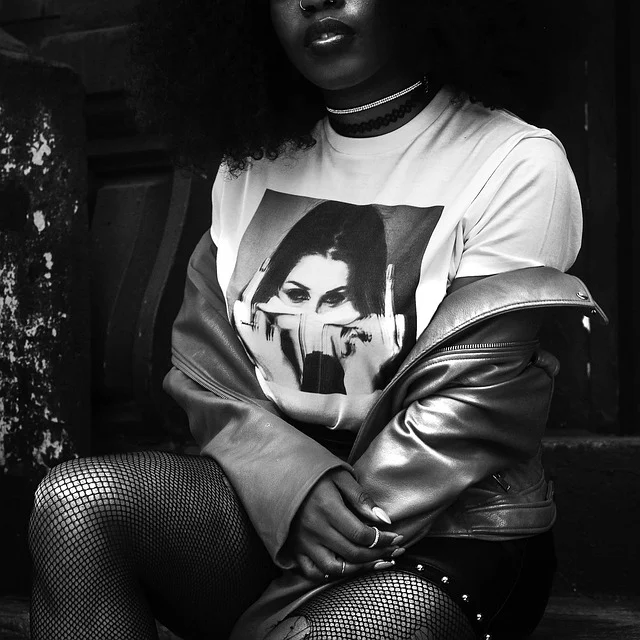
- Heavyweight T-Shirts (Blank and Graphic): Look for 100% cotton t-shirts with a fabric weight around 200–250 GSM (grams per square meter). Heavyweight cotton retains its structure, hangs cleanly, and resists shrinking. Keep two solid neutral tees (white and black) and two graphic tees featuring music, art, or brand logos you genuinely care about.
- A Structured Neutral Hoodie: A heavy cotton fleece pullover hoodie (350–500 GSM) in charcoal, navy, black, or grey serves as the ultimate layering piece. Look for double-lined hoods that maintain their shape without flopping flat.
- Relaxed Straight-Leg Pants: Avoid tight jeans. Opt for straight-leg denim, cotton canvas work pants, or utility cargo pants with functional pocketing. These fabrics provide structured drape over sneakers.
- Layering Outerwear: A canvas jacket, an unlined coach jacket, an overshirt, or a classic bomber jacket adds visual depth and functionality to simple tee-and-pants combinations.
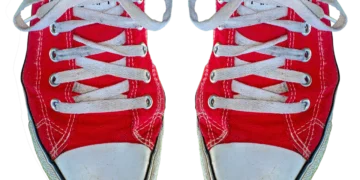
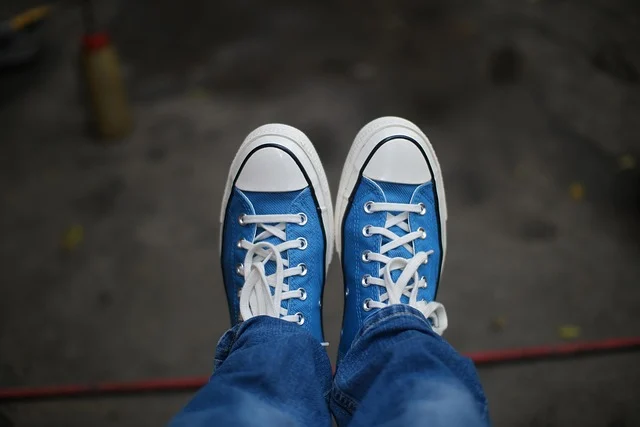
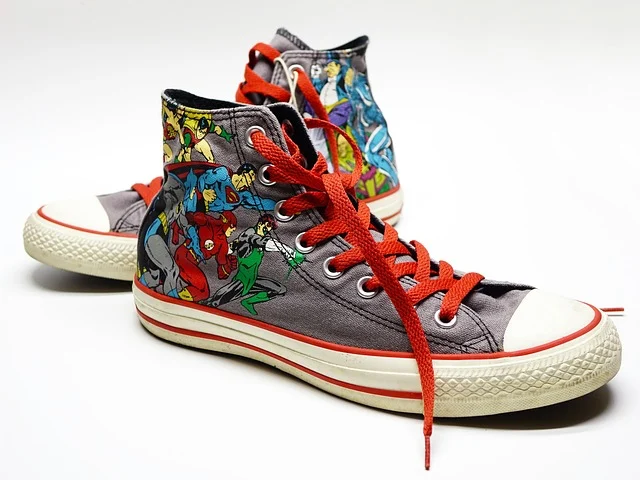
- Classic Heritage Sneakers: Low-top canvas skate shoes, retro basketball cup-soles, or neutral athletic runners ground your outfits. Choose versatile, clean colorways like low-contrast white, grey, or black.
Streetwear ideas for beginners
If you are unsure how to combine your staples, use these worked outfit formulas designed for balance, comfort, and simple execution:
Idea 1: The Everyday Utility Look
Combine a black heavyweight graphic t-shirt with olive green canvas cargo pants. Layer an unbuttoned dark grey canvas overshirt over the t-shirt, and finish with retro low-top leather sneakers in white. The contrasting textures of canvas and jersey cotton create subtle depth without relying on loud logos.
Idea 2: The Elevated Fleece Outfit
Pair an oversized grey fleece hoodie with medium-wash, straight-cut denim jeans. Add white low-profile skate shoes and a plain neutral baseball cap. Ensure the hoodie length stops around your waistline so your proportions stay balanced rather than elongated.
Idea 3: Warm-Weather Streetwear
Combine a boxy, drop-shoulder off-white plain t-shirt with wide-leg navy cotton utility shorts cut right at the knee. Wear retro running sneakers with white crew socks pulled up to mid-calf to give the silhouette a classic sport aesthetic.
How to balance fits and proportions
The key factor distinguishing a well-styled outfit from an untidy one is proportion. Streetwear leans toward relaxed cuts, but loose garments require intention:
- Boxy Cuts vs. Sizing Up: A true streetwear fit uses garments designed to be “boxy”—wider across the chest and shoulders, but cut at a standard body length. Buying garments two sizes larger often results in sleeves that are too long and hemlines that pull down too far, skewing your proportions.
- The Rule of Contrasting Silhouettes: Balance wide or voluminous pants with a more fitted top, or wear an oversized hoodie with clean, straight-leg bottoms. Combining extreme volume on both top and bottom can overpower your frame.
- Mind the Pant Break: Ensure relaxed pants break cleanly over the top of your shoes without dragging on the floor or hiding your footwear completely.
Which streetwear brands are good for beginners on a budget?
Brands like Nike, Adidas, Champion, Carhartt WIP, and Vans offer accessible, classic pieces. Independent brands and vintage finds can also provide unique options without the premium hype price tag.
To build your wardrobe affordably without sacrificing quality, use these strategic purchasing methods:
- Explore Secondhand Marketplaces: Platforms like Depop and Grailed offer heavily discounted gently used streetwear, vintage workwear jackets, and pristine sneakers below retail prices.
- Prioritize Durability Over Quantity: Allocate more of your budget toward heavy fleece hoodies and structured outerwear that last for years, rather than buying multiple lightweight fast-fashion tops.
- Shop Workwear and Athletic Outlets: Traditional workwear suppliers and sportswear outlets provide heavyweight, long-lasting basics at a fraction of boutique fashion prices.
Common streetwear mistakes and how to fix them
- Mistake 1: Wearing Too Many Logos simultaneously. Wearing several high-profile logos from competing brands in one outfit creates visual noise and looks overly commercial.
Fix: Keep a maximum of one visible logo or statement graphic per outfit. Frame it with clean, unbranded basics. - Mistake 2: Prioritizing Hype Over Fit. Buying expensive drop items simply because of brand reputation, even if the cut or color flatters neither your body structure nor existing wardrobe.
Fix: Test garments for fit, shoulder drape, and comfort first, treating brand labels as secondary. - Mistake 3: Mismatched Sneaker Weights. Wearing slim, thin-soled canvas shoes under extremely bulky, heavy cargo pants makes your feet look unnaturally small.
Fix: Match the visual weight of your footwear to your pants. Pair wide or heavy bottoms with chunkier retro runners or structured cup-sole sneakers.
Who streetwear styling does not suit
While streetwear is widely adaptable, it may not align with every lifestyle or personal taste:

- Strict Corporate Environments: Environments requiring formal tailoring, dress shirts, and dress shoes offer limited room for relaxed, graphic, or utility elements.
- Aesthetics Focused on Traditional Tailoring: Individuals who prefer close-fitting, sharply structured garments and formal footwear may find oversized cuts unflattering to their style preference.
- Minimalists Disliking Casual Fabrics: If you dislike fleece, denim, canvas, or athletic synthetic trims, building a authentic streetwear collection will prove challenging.
Frequently asked questions
What is the most important element of streetwear?
The most crucial element of streetwear is authenticity, reflecting personal style and cultural influences. Comfort, bold graphics, and a connection to urban subcultures are also key characteristics.
How can I start wearing streetwear on a tight budget?
Focus on versatile basics like neutral hoodies, graphic tees, and comfortable pants. Explore secondhand markets like Depop and Grailed, and shop during sales to find quality pieces affordably.
How do I avoid looking like I’m trying too hard in streetwear?
Balance statement pieces with more understated items, pay attention to fit and proportion, and choose clothing that genuinely reflects your personality rather than just chasing trends.
Is streetwear considered formal or casual wear?
Streetwear is fundamentally casual wear. While it has influenced high fashion and can be styled in more polished ways, its roots and primary appeal lie in comfort and relaxed, urban aesthetics.
Your Streetwear Journey Starts Now
Embracing streetwear as a beginner is about more than just buying clothes; it’s about understanding a culture and finding ways to express yourself authentically. By focusing on essential pieces, smart shopping, and developing your personal style, you can confidently Handle the world of urban fashion.
Start with a few core items, experiment with how you combine them, and most importantly, wear what makes you feel good. Your authentic style is your greatest asset.
Source: Vogue
Sources: Beginner (album)


