













Why Drugstore Foundations Are a Smart Choice in 2026
When the pursuit of flawless skin meets a discerning budget, the humble drugstore foundation often emerges as the unexpected hero. As of May 2026, the beauty market continues to offer an incredible array of high-performance foundations at accessible price points, challenging the notion that efficacy must come with a hefty price tag. Many brands have significantly upped their game, investing in advanced formulations, wider shade ranges, and innovative packaging, making it easier than ever to find a drugstore gem that rivals its high-end counterparts.
The allure of pharmacy makeup foundations lies not just in their affordability but in their sheer accessibility. Walk into any major pharmacy or supermarket, and you’re presented with dozens of options designed to cater to every conceivable skin type, concern, and desired finish. This accessibility, coupled with continuous product innovation, means that finding the best pharmacy makeup foundation for your unique needs is not just possible, but probable. This guide cuts through the noise to highlight the top contenders that are earning their spot in makeup bags everywhere.
- As of 2026, drugstore foundations offer high-performance formulas previously found only in luxury brands.
- Extensive shade ranges and specialized formulas for diverse skin types and concerns are now standard.
- Key considerations include skin type, desired coverage, finish, and longevity.
- Milani, Maybelline, and L’Oréal Paris consistently offer top-rated, budget-friendly options.
- Testing and understanding your skin’s needs are crucial for finding the perfect affordable foundation.
Understanding Foundation Formulas and Finishes
The first step to finding your ideal foundation is understanding the language of cosmetic chemistry and aesthetics. Foundations aren’t one-size-fits-all; they come in various formulas and offer different finishes, each designed to achieve a particular look and feel on the skin. As of 2026, innovation has led to incredibly sophisticated formulations even at drugstore prices.
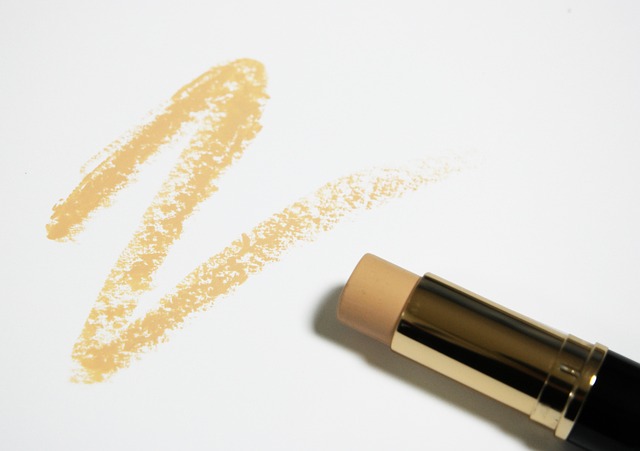
Formulas range from liquid and cream to powder and stick. Liquid foundations are the most common, offering versatility in coverage and finish. Cream foundations tend to be richer, providing more hydration and coverage, often ideal for dry or mature skin. Powder foundations are typically mattifying and best suited for oily or combination skin, offering buildable coverage. Foundation sticks are convenient for on-the-go application and often provide medium to full coverage with a creamy texture.
Finishes are equally varied, dictating how the foundation interacts with light on your skin. A dewy finish imparts a radiant, luminous glow, mimicking healthy, hydrated skin. This is often achieved with hydrating ingredients and light-reflective particles. A satin or natural finish strikes a balance, appearing like your skin but with a subtle smoothness, neither overly matte nor excessively dewy.
Matte finishes, on the other hand, absorb light, creating a shine-free, velvety appearance, which is excellent for controlling oiliness. Understanding these distinctions helps narrow down your search considerably. For instance, a foundation marketed as a “luminous serum foundation” will likely offer a dewy finish, while a “matte pore-minimizing base” will aim for a velvety, shine-free look.
Coverage Levels: What You Need to Know
Coverage refers to how much of your natural skin tone and imperfections the foundation conceals. This is a critical factor, as different occasions and personal preferences call for different levels of coverage.
Sheer coverage offers a hint of color and evens out the complexion very subtly, allowing your natural skin to show through. It’s perfect for days when you want a “no-makeup” makeup look or to simply even out minor redness. Light coverage is similar to sheer but offers slightly more pigment, still maintaining a skin-like appearance. Medium coverage is the most popular choice for many, providing a balance between naturalness and concealment.
It can often be built up to cover imperfections without looking heavy. Full coverage foundations are designed to completely mask discoloration, blemishes, acne, and hyperpigmentation. These are ideal for significant events or for those who prefer a uniform, perfected complexion, but they require careful application to avoid a cakey appearance.
As of May 2026, many drugstore brands offer buildable formulas. This means a foundation labeled as medium coverage can often be applied in thin layers to achieve a fuller effect, offering versatility. For example, L’Oréal Paris True Match Foundation is known for its buildable medium coverage that can be layered for a more perfected finish without feeling heavy. A common mistake is opting for full coverage when only medium is needed, leading to an unnatural look. Conversely, choosing sheer coverage for significant hyperpigmentation will likely leave you feeling un-concealed.
Top Drugstore Foundations for 2026: Our Picks
The world of affordable beauty has never been stronger. Based on user reviews, expert consensus, and recent product launches, these drugstore foundations are leading the pack as of May 2026.
Best Overall: Milani Conceal + Perfect 2-in-1 Foundation + Concealer
This cult favorite continues to reign supreme for its impressive ability to act as both a foundation and a concealer. It offers medium-to-full, buildable coverage with a natural matte finish that suits most skin types. Its formula is long-wearing and effectively blurs imperfections without settling into fine lines. Milani has also been lauded for expanding its shade range, making it more inclusive.
Best Semi-Matte Finish: Maybelline New York Super Stay Lumi-Matte Foundation
Maybelline’s Super Stay line is renowned for its longevity, and the Lumi-Matte foundation is no exception. It provides a soft, luminous matte finish that controls shine while still looking skin-like. This formula is particularly praised for its lightweight feel and impressive wear time, often lasting through a full day without needing touch-ups. It’s a strong contender for those with combination to oily skin seeking a polished look that isn’t flat.
Best Dewy Finish: L’Oréal Paris Infallible Pro-Glow Foundation
For those who chase the ultimate radiant complexion, L’Oréal Paris Infallible Pro-Glow Foundation remains a go-to. It delivers a beautiful, healthy-looking glow with a hydrating feel. The coverage is typically medium and buildable, perfect for enhancing the skin rather than masking it. Its luminous finish makes it an excellent choice for normal to dry skin types, providing a luminous, lit-from-within appearance. According to Allure’s 2026 roundup, it excels at mimicking naturally dewy skin.
Best Medium-Coverage: e.l.f. Cosmetics Soft Glam Satin Foundation
e.l.f. Cosmetics has consistently impressed with its quality-to-price ratio. The Soft Glam Satin Foundation offers a comfortable, satin finish that looks sophisticated and feels weightless. It provides reliable medium coverage that effectively evens out skin tone and conceals minor blemishes, all while feeling breathable. This foundation is a fantastic option for everyday wear, giving a polished yet understated look.
Best Full-Coverage: L.A. Girl Pro Coverage Liquid Foundation
When you need maximum coverage, L.A. Girl’s Pro Coverage Liquid Foundation is a powerful ally. This foundation is known for its ability to provide a flawless, airbrushed finish that masks imperfections with remarkable efficacy. Despite its full coverage, it remains surprisingly lightweight and offers a soft matte finish that holds up well throughout the day. It’s a favorite among those seeking a complexion that looks impeccably smooth and even.
Best for Mature Skin: L’Oréal Paris True Match Nude Hyaluronic Tinted Serum
Mature skin often benefits from formulas that don’t settle into fine lines or emphasize dryness. L’Oréal’s True Match Hyaluronic Tinted Serum is a standout, offering sheer, hydrating coverage with skincare benefits. Infused with hyaluronic acid, it plumps and moisturizes, creating a smooth canvas. The sheer tint evens out tone without masking natural skin texture, making it a favorite for a natural, youthful look. Beauty experts frequently cite its ability to avoid cakiness, a common concern for mature complexions.
Best Foundation Stick: Mented Cosmetics Foundation Stick
Mented Cosmetics has made a name for itself with its focus on inclusive shade ranges, and their foundation stick is a testament to this. The formula is creamy, blendable, and provides medium-to-full coverage with a natural matte finish. It’s incredibly convenient for touch-ups and travel, gliding on smoothly and setting comfortably without feeling heavy or drying. Its ability to match a wide spectrum of undertones is a significant advantage.

Foundation for Every Skin Type: Drugstore Heroes
Your skin type is the most crucial factor in selecting a foundation. Using the wrong formula can lead to an array of issues, from excessive shine to dry, flaky patches. Fortunately, drugstore brands have developed specialized products to address these needs.
For Oily or Combination Skin
Individuals with oily or combination skin should seek out oil-free, matte, or long-wearing formulas. These foundations are designed to absorb excess sebum and prevent shine throughout the day. Look for terms like “matte,” “oil-free,” “long-lasting,” or “transfer-proof.” Powder foundations can be excellent for touch-ups or as a primary base for very oily skin. Maybelline’s Super Stay line, including the Lumi-Matte, is often recommended for its oil-controlling properties and extended wear. The L.A. Girl Pro Coverage Liquid Foundation also works well for controlling oil due to its matte finish.
For Dry or Dehydrated Skin
Dry skin requires foundations that provide hydration and a luminous finish. Avoid matte or powder formulas, which can cling to dry patches and emphasize texture. Opt for hydrating liquid or cream foundations that contain ingredients like hyaluronic acid, glycerin, or natural oils. A dewy or radiant finish will help your skin look plump and healthy. The L’Oréal Paris Infallible Pro-Glow Foundation is a prime example, offering a beautiful radiance. Similarly, tinted serums like the L’Oréal True Match Nude Hyaluronic Tinted Serum are formulated to moisturize and impart a natural glow.
For Mature Skin
As skin matures, it tends to become drier and fine lines may become more prominent. The best foundations for mature skin are hydrating, lightweight, and offer a natural or dewy finish. They should provide coverage without settling into wrinkles or creases. Formulas that contain skincare ingredients, such as hyaluronic acid or peptides, are particularly beneficial. The L’Oréal Paris True Match Nude Hyaluronic Tinted Serum is a standout, as mentioned earlier, for its ability to hydrate and provide a sheer, smoothing effect. Foundations with a satin finish can also work well, offering a polished look without being overly matte or overly dewy.
For Acne-Prone or Sensitive Skin
If you have acne-prone or sensitive skin, choosing a non-comedogenic (won’t clog pores) formula is paramount. Look for foundations that are oil-free and fragrance-free, and ideally contain soothing ingredients like niacinamide or salicylic acid, which can help manage breakouts. Mineral foundations are often a good choice as they tend to be less irritating. Some brands offer specific “sensitive skin” formulations.
While the brands listed above are generally well-tolerated, always patch-test new products if you have very reactive skin. Foundations with SPF can also offer an added layer of protection. Physicians Formula, known for its focus on sensitive skin, offers foundations with SPF that are worth exploring.

How to Choose the Right Shade: Drugstore Edition
Finding the correct foundation shade is arguably the most challenging aspect of purchasing from the drugstore, especially with limited lighting and no makeup artist to guide you. However, several strategies can significantly increase your chances of success.
Understand Your Undertone: Your undertone is the hue that shows through your skin’s surface. The three main undertones are cool (pink, red, or bluish hues), warm (yellow, golden, or peachy hues), and neutral (a balance of both). A quick test: if veins on your wrist appear blue or purple, you likely have cool undertones. If they look green, you have warm undertones. If you can’t tell or see both, you’re likely neutral. Most drugstore foundations are categorized by undertone, so identifying yours is key.
Test in Natural Light: If possible, always test foundation shades in natural daylight. Apply a stripe of 2-3 shades that look closest to your skin tone along your jawline. The shade that disappears seamlessly into your skin, without looking too pink, too yellow, or too ashy, is your match. Avoid testing on your hand or wrist, as the color often differs from your face.
Consult Online Resources: Many beauty websites and influencers create shade-matching charts and videos for popular drugstore foundations. You can often find comparisons of drugstore shades to high-end foundations you may already use, which can serve as a reference. Websites like Temptalia or Findation provide extensive databases for shade matching.
Consider the Formula’s Oxidation: Some foundations can oxidize, meaning they darken slightly after being applied and exposed to air. This is more common with certain liquid formulas, particularly those with higher pigment loads. If you suspect a foundation might oxidize, it’s often wise to choose a shade that appears slightly lighter than your skin tone. Reading reviews that specifically mention oxidation can be very helpful.
When in Doubt, Go Lighter: It’s generally easier to darken a foundation that’s slightly too light with bronzer or a darker foundation shade than it’s to lighten one that’s too dark. If you’re truly undecided between two shades, lean towards the lighter one.
Application Techniques for a Flawless Finish
Even the best pharmacy makeup foundation can fall flat without proper application. Mastering a few techniques can elevate your look from amateur to professional.
Prep Your Skin
A well-prepped canvas is non-negotiable. Start with a clean, moisturized face. For dry skin, a hydrating serum and moisturizer are essential. For oily skin, a mattifying primer can help control shine and create a smoother base. Exfoliation is also key; rough, flaky skin will make any foundation look cakey. According to dermatological advice from the Mayo Clinic (2026), consistent skincare is foundational for makeup application.
Choose Your Tool
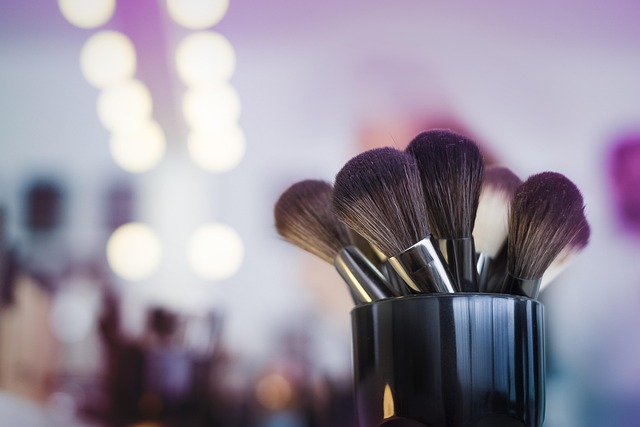
The tool you use to apply foundation significantly impacts the finish. Sponges (like the Real Techniques Miracle Complexion Sponge) offer a smooth, skin-like finish when used damp, pressing the product into the skin. Brushes provide more coverage; a dense foundation brush can buff the product in for a polished look, while a stippling brush offers a lighter, airbrushed effect. Fingers can work well with warmer, creamier formulas as body heat helps them blend, but hygiene is crucial.
Application Method
Start with a small amount of product. Apply it to the center of your face (forehead, nose, cheeks, chin) and blend outwards. This is where imperfections are often most noticeable, and you’ll naturally use less product on the outer edges of your face for a more natural transition. Build coverage only where needed. For areas requiring more coverage, apply a second thin layer rather than one thick coat.
Setting Your Foundation
To ensure your foundation lasts, setting it’s often necessary. For oily or combination skin, a light dusting of translucent setting powder, particularly in the T-zone, can lock everything in place. For drier skin, opt for a setting spray, which can help meld the foundation into the skin and provide a more natural finish. Setting sprays can also refresh your makeup throughout the day. Many brands now offer “long-lasting” formulas that require minimal setting.
Common Mistakes to Avoid with Pharmacy Foundations
Even with the best intentions and products, certain mistakes can sabotage your foundation application.
Using the Wrong Shade
As discussed, an incorrect shade is the most glaring error. It can make your makeup look unnatural, mask-like, or even age you prematurely. Always prioritize shade matching in natural light.
Skipping Skincare Prep
Applying foundation to dry, un-exfoliated, or unprotected skin is a recipe for disaster. It will cling to dry patches, look cakey, and fade unevenly. Proper skincare and primer are foundational steps.
Over-Application
Using too much product is a common pitfall. It can lead to a heavy, unnatural appearance and make your foundation crease or cake throughout the day. Start light and build up coverage only where necessary.
Not Blending Properly
Harsh lines of demarcation, especially around the jawline and hairline, are a clear sign of poor blending. Take the time to blend seamlessly into your hairline, down your neck, and around your ears. A well-blended foundation looks like your skin, not like makeup.
Using the Wrong Tools or Techniques
Applying a full-coverage foundation with a dry, stiff brush might result in streaks, while using a damp sponge on very dry skin can lead to patchy application. Understanding your product and its ideal application method is crucial.
Forgetting to Set (or Over-Setting)
Forgetting to set can lead to makeup sliding off, especially for oily skin. Conversely, over-powdering can make skin look flat and dry. Find the right balance for your skin type, using powder only where needed and a setting spray to finish.
Expert Tips for Maximizing Your Drugstore Foundation
To truly make your budget-friendly foundation perform like a luxury product, consider these expert insights, honed from countless reviews and professional applications as of May 2026.
Mix and Match Formulas
Don’t be afraid to mix foundations or add a drop of serum. If your favorite matte foundation is too drying, mix it with a hydrating serum or a dewy liquid foundation to create a custom finish. This is also a great way to adjust coverage or shade slightly.
Use Concealer Strategically
A good concealer can be your best friend. You might not need a full-coverage foundation if you have a potent concealer to spot-treat blemishes or dark circles. For instance, Milani’s Conceal + Perfect line is designed for this duality, allowing you to build coverage precisely where you need it.
Embrace Multi-Use Products
Many foundations can double as other products. A matte foundation can sometimes be used as a primer for eyeshadow, and a creamy foundation stick might work as a contour or cream blush in a pinch. This versatility enhances the value of your purchase.
Consider the Finish for Your Lighting
If you primarily work or spend time in fluorescent or office lighting, a more matte or satin finish might look more natural than a very dewy one, which can sometimes appear overly shiny under harsh lights. Conversely, for outdoor or natural light, a dewy finish can look incredibly radiant.
Don’t Forget SPF
Many drugstore foundations now include SPF, which is a fantastic benefit. However, if yours doesn’t, always apply a separate sunscreen before your foundation. Protecting your skin is crucial for long-term health and appearance. According to the Skin Cancer Foundation (2025), daily SPF use is vital for preventing sun damage.
FAQ About Pharmacy Makeup Foundation
Are drugstore foundations as good as high-end ones in 2026?
Yes, many drugstore foundations in 2026 are comparable to high-end options in terms of performance, formulation, and shade range. Brands have significantly improved their offerings, making quality accessible.
What is the best pharmacy foundation for oily skin?
For oily skin, look for oil-free, matte, or long-wearing formulas. Maybelline Super Stay Lumi-Matte or L.A. Girl Pro Coverage Liquid Foundation are excellent choices known for their oil control and extended wear.
How do I find my shade at the drugstore?
Test shades in natural light along your jawline. Understand your undertone (cool, warm, neutral) and check online shade-matching guides. If unsure, opt for a slightly lighter shade.
Can pharmacy foundations be good for mature skin?
Absolutely. Hydrating, lightweight formulas with a natural or dewy finish are ideal. L’Oréal Paris True Match Nude Hyaluronic Tinted Serum is a popular choice for its moisturizing properties and sheer coverage that doesn’t settle into lines.
How often should I replace my foundation?
Generally, liquid foundations should be replaced every 12-18 months, and powder foundations every 1-2 years, to avoid bacterial contamination and formula breakdown. Always discard if the smell or texture changes.
Do I need primer if I use a good drugstore foundation?
While not always essential, a primer can enhance the performance of any foundation. A mattifying primer helps control oil, while a hydrating primer preps dry skin, both leading to smoother application and longer wear.
Frequently Asked Questions
What is best pharmacy makeup foundation?
best pharmacy makeup foundation is a topic that many people search for.
Why does best pharmacy makeup foundation matter?
Understanding best pharmacy makeup foundation helps you make better decisions. Whether you’re a beginner or have some experience, staying informed on this topic is genuinely useful.
Where can I learn more about best pharmacy makeup foundation?
We recommend checking authoritative sources and official websites for the most current information.


