













Annuals are plants that complete their entire biological lifecycle—from seed germination and flowering to seed production and death—within a single growing season. Unlike perennials that return year after year, annuals focus all their energy into non-stop blooming from spring until autumn frosts. They provide instant, high-impact color for garden beds, borders, and containers.
Because they do not need to conserve energy to survive winter frosts, annuals flower continuously throughout their lifespan. This uninterrupted bloom cycle makes them one of the most versatile choices for home gardeners and container enthusiasts. These growers want vibrant visual displays that they can redesign every season.
What defines an annual plant?
The term “annual” refers strictly to a plant’s lifecycle, which spans one year or less. During this period, the plant sprouts from seed, develops root systems and foliage, produces flower buds, sets seed after pollination, and dies naturally. Once an annual plant matures seeds, its internal plant hormones trigger senescence—the biological process of dying off.
Gardeners categorize annuals into three distinct groups based on their frost hardiness:
- Hardy annuals: These plants withstand light frosts and cool air without damage. You can plant them early in spring as soon as you can work the soil. Alternatively, direct-sow them in autumn in milder climates. Popular hardy annuals include pansies, violas, sweet alyssum, snapdragons, bachelor’s buttons, and calendula.
- Half-hardy annuals: These plants tolerate cool temperatures but suffer leaf damage or root death if freezing weather occurs. Gardeners usually start them indoors 6 to 8 weeks before the last expected spring frost. Otherwise, plant them outside after the risk of severe freezes has passed. Examples include cosmos, petunias, nicotiana, and dahlias.
- Tender annuals: Sensitive to cold air and damp, chilly soil, tender annuals require warm summer conditions to thrive. Nighttime temperatures must consistently stay above 50°F (10°C) before planting them outdoors. Common tender annuals include zinnias, impatiens, wax begonias, coleus, celosia, and caladiums.
Note that many popular plants grown as tender annuals in temperate climates are tender perennials in tropical or subtropical regions. For instance, geraniums (pelargoniums), lantana, fuchsias, and coleus live for multiple years in frost-free regions, but because they cannot survive freezing winters, gardeners in cooler climates grow them strictly as annual bedding plants.
How do annuals compare to perennials?
Understanding the operational and aesthetic differences between annuals and perennials helps you build a balanced, functional garden. While perennials provide reliable structural architecture that returns annually, annuals offer unbroken color density that fills gaps and compensates for the seasonal decline of perennial blooms.
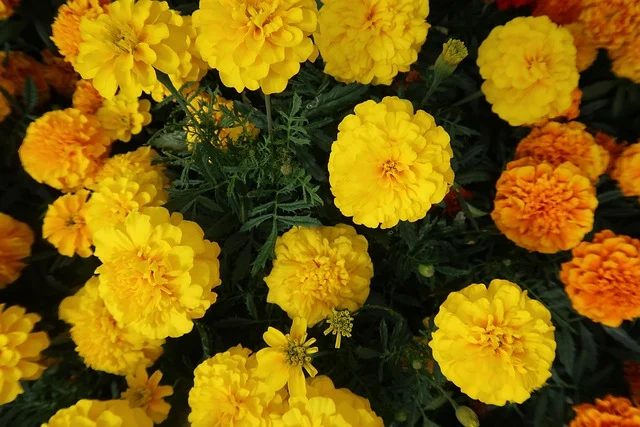
While perennials usually bloom for a brief window lasting two to six weeks, annuals bloom continuously for months at a time. However, annuals require replanting every year, continuous watering, and regular fertilizing to sustain their fast growth rate.
| Feature | Annuals | Perennials |
|---|---|---|
| Lifespan | One growing season | Three or more years |
| Replanting Needs | Required every year | Planted once; divided every 3–5 years |
| Bloom Duration | Continuous from spring through autumn frost | Short bloom periods (typically 2–6 weeks) |
| Growth Rate | Rapid; reaches full size and bloom within weeks | Slower; takes 1–3 seasons to reach mature size |
| Maintenance | Frequent watering, heavy feeding, regular deadheading | Seasonal pruning, division, winter cleanup |
| Initial Cost | Lower cost per individual plant | Higher initial investment per plant |
| Design Flexibility | High; layout and color schemes can change yearly | Fixed long-term framework and permanent placement |
Which annuals should you choose for sun or shade?
Selecting the right annuals requires matching each variety’s light tolerance with sunlight levels in your garden beds or container locations. Placing sun-loving plants in deep shade produces sparse, leggy growth with few flowers. Placing shade-loving species in direct full sun leads to scorched leaves and wilted stems.
Full sun annuals
Full sun annuals require a minimum of six to eight hours of direct, unobstructed sunlight every day. They exhibit thick foliage, high transpiration rates, and continuous flowering under hot summer conditions when given sufficient water.
- Petunias: Available in mounding, trailing, and spreading forms, petunias work exceptionally well in window boxes, hanging baskets, and bed borders. Modern self-cleaning hybrids eliminate the need for manual deadheading.
- Marigolds: Featuring bold yellow, orange, and bronze tones, marigolds are heat-resilient and pest-tolerant. They release root exudates that help repel soil nematodes, making them effective companion plants in vegetable beds.
- Zinnias: Known for bright single or double flower heads, zinnias range from dwarf border varieties (6 inches tall) to stately dahlia-flowered types (up to 4 feet tall). They attract butterflies and bees continuously throughout mid-to-late summer.
- Sunflowers: Ranging from dwarf 2-foot garden accents to giant 12-foot varieties, sunflowers provide striking vertical elements and yield edible seeds for local bird populations.
- Geraniums (Pelargoniums): Famed for dense spherical flower clusters and fragrant, rounded leaves, geraniums tolerate warm, dry conditions better than many shallow-rooted annuals.
Shade-tolerant annuals
Shade-tolerant annuals perform best in morning sun with afternoon shade, filtered light beneath tree canopies, or bright dappled shade. They provide bright color to shaded north-facing porches and covered patios.
- Impatiens: Traditional walleriana types produce masses of flat-petaled blooms in moist, deep shade, while New Guinea impatiens feature larger, lustrous foliage and superior resistance to impatiens downy mildew.
- Begonias: Wax begonias feature succulent leaves in green or deep bronze and operate reliably in partial shade to sunny borders. Tuberous begonias yield delicate, rose-like double flowers ideal for hanging baskets.
- Coleus: Valued for extraordinary leaf patterns featuring shades of lime green, hot pink, dark velvet burgundy, and deep cream, coleus brings continuous color to shade beds without relying on flower blooms.
- Wishbone Flower (Torenia): Compact plants producing trumpet-shaped blossoms with distinct yellow throats that thrive in cool, moist, shaded environments.
How to plant annuals for healthy establishment
Planting annuals correctly establishes strong root structures quickly. This allows young transplants to absorb nutrients and produce vigorous top growth within days of your setting them into the garden.
Timing and soil preparation
Wait to plant tender annuals until all local spring frost risks have passed and soil temperatures reach at least 60°F (15°C). Planting into cold, waterlogged soil delays root development and encourages fungal root rots.
Prepare garden beds by loosening the top 6 to 8 inches of soil with a garden fork. Incorporate a 2-inch layer of organic compost or well-rotted leaf mold to improve soil structure, water retention, and microbial activity (see Your First Steps to Radiance: Essential Beauty Tips for soil conditioning tips). Blend in a balanced, slow-release granular fertilizer according to packet rates to supply consistent nitrogen, phosphorus, and potassium during early establishment.
Step-by-step planting process
- Water seedlings in their nursery flats or pots several hours prior to planting so root balls are fully hydrated.
- Dig a planting hole slightly wider than the root container and equal to its depth.
- Gently squeeze the sides of the nursery cell and ease the plant out without pulling directly on the stem.
- Inspect the root system. If roots bind tightly or circle the base, gently tease them open with your fingers to encourage outward root exploration.
- Place the plant into the hole, ensuring the top of the root ball sits flush with the surrounding soil level. Burying stems too deeply invites crown rot.
- Backfill with amended soil, gently pressing around the base of the plant to remove air pockets without over-compacting the soil.
- Water deeply around the root zone immediately after planting to settle the soil and reduce transplant shock.
What essential care keeps annuals blooming all season?
Annuals possess rapid metabolic rates and produce high volumes of flower stems. You must provide consistent summer care to sustain their performance from late spring into autumn.
Watering practices
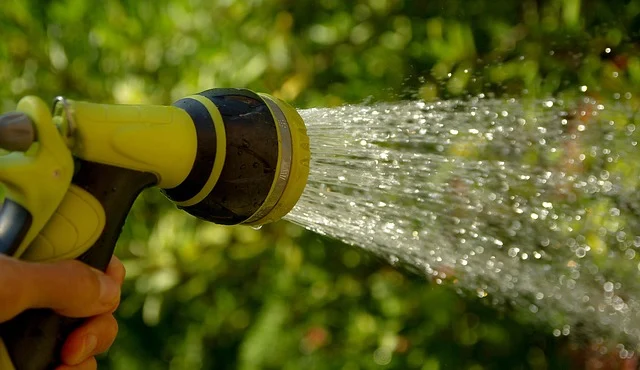
Annuals have shallow root systems compared to established perennials, making them vulnerable to dry topsoil. Water garden beds whenever the top inch of soil feels dry to the touch. Container plantings, hanging baskets, and clay pots dry out rapidly and often require daily watering during heatwaves.
Always apply water directly to the root zone at ground level using a drip line, soaker hose, or watering can spout. Avoid overhead spraying that wets foliage late in the day, as wet leaves create conditions for fungal pathogens like powdery mildew and gray mold.
Fertilization schedule
Annuals are heavy feeders. While slow-release soil granules provide baseline nutrition, regular supplemental liquid feeding maximizes bloom production. Apply a balanced water-soluble fertilizer every 3 to 4 weeks during active growth, or switch to a bloom-boosting formulation high in phosphorus when flower buds emerge.
Pinching and deadheading
Pinching involves removing the terminal growing tip of young annual stems early in spring. This action disrupts terminal growth dominance, forcing lateral buds to branch outward and resulting in bushier plants with significantly more bloom stems.
Deadheading is the practice of removing spent, fading, or dead flower heads before they set seeds. When you allow annuals to set seeds, plant hormones signal that reproduction is complete. This causes new bloom production to slow down or cease entirely. Snip off faded blossoms just above the nearest set of healthy leaves to prompt new flower buds. For self-cleaning varieties like spreading petunias or calibrachoa, you do not need to perform manual deadheading. Trimming back leggy stems midsummer refreshes overall plant shape.
Managing pests and common diseases
Monitor foliage weekly for early signs of pests such as aphids, spider mites, whiteflies, and slugs. Dislodge small aphid clusters using a sharp spray of water from a garden hose, or apply insecticidal soap to the undersides of leaves for soft-bodied pests.
Prevent fungal diseases by ensuring proper spacing between plants to encourage air circulation. If powdery mildew forms on leaves, trim affected foliage and avoid overhead watering.
How to design striking garden beds and containers
Strategic design choices transform individual annual plants into cohesive arrangements in garden beds, borders, and containers.
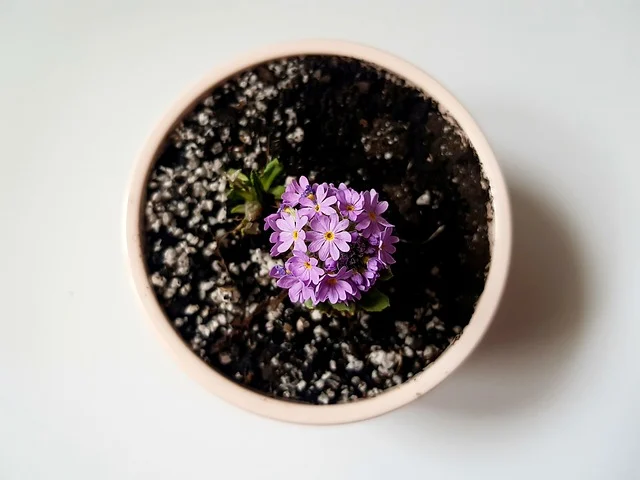
The Thriller, Filler, and Spiller formula for containers
When assembling container arrangements, garden designers use three structural roles to build balanced compositions (see Designer Shoes: Worth the Splurge? for container plant styling):
- Thriller: A tall, upright plant placed in the center or back of the container. Ideal thrillers include purple fountain grass, tall dwarf canna lilies, angelonia, or upright dahlias.
- Filler: Mounding, medium-height plants placed around the base of the thriller to add volume, foliage texture, and flower color. Great fillers include geraniums, begonias, coleus, and lantana.
- Spiller: Trailing or cascading plants set along the outer rim of the container that drape downward over the sides. Popular spillers include sweet potato vine, creeping zinnia, bacopa, and trailing petunias.
Color combinations and companion planting
Use color combinations to set specific visual tones in garden beds. Monochromatic schemes using varying shades of pink, rose, and magenta create a soft aesthetic, while contrasting warm and cool tones like purple petunias paired with yellow marigolds produce energetic visual pop. Incorporate non-flowering foliage annuals like dusty miller, silver dichondra, or ornamental sweet potato vine to break up dense floral beds.
Vertical accents like trellises and climbing frames planted with climbing annuals like morning glories, black-eyed Susan vine, or sweet peas add vertical height and maximize growing space in compact garden beds.
How to extend your garden display into spring and autumn
You do not need to restrict annual color to midsummer. Selecting frost-hardy varieties enables continuous color displays starting in early spring and continuing well into late autumn.
Early spring cool-season displays
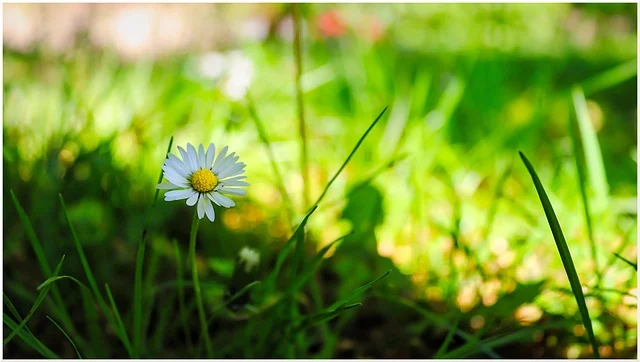
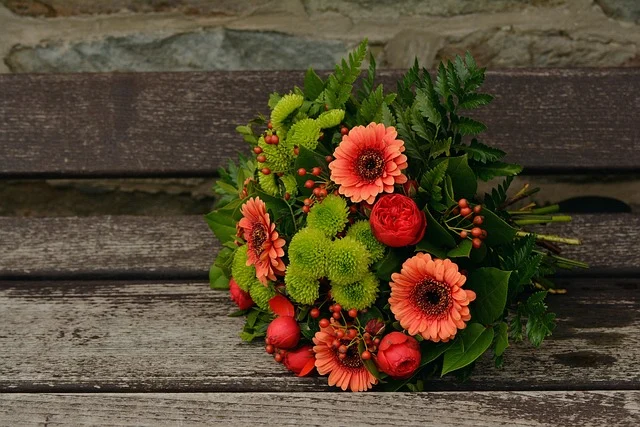
Cool-season annuals thrive when daytime temperatures remain moderate and can survive light freezes. Plant pansies, violas, snapdragons, sweet alyssum, and English daisies in early spring weeks before the final frost date. These plants provide immediate early-season color while perennial beds are still dormant.
Late autumn transitions
As summer heat wanes and light night frosts return, replace tired heat-loving annuals with cold-tolerant autumn selections. Chrysanthemums (often treated as annuals), ornamental kale and cabbage, fall pansies, and celosia perform reliably through early autumn chills, maintaining vivid magenta, purple, and deep green foliage into late autumn.
Starting annuals from seed versus nursery transplants
Gardeners can establish annual displays either by sowing seeds or purchasing nursery-grown potted transplants. Each method presents clear trade-offs depending on budget, timing, and plant variety.
Growing from seed
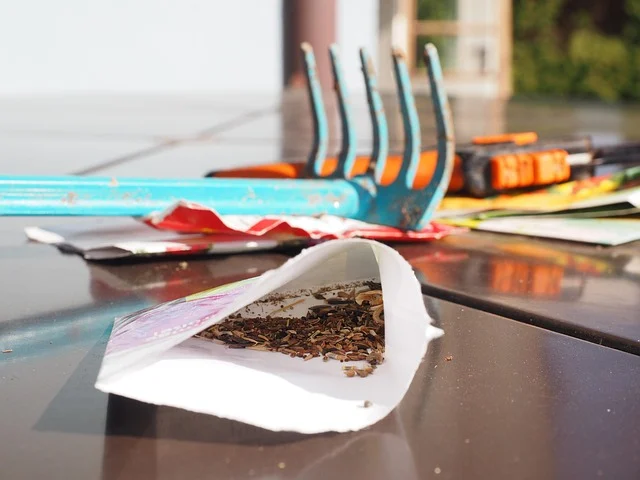
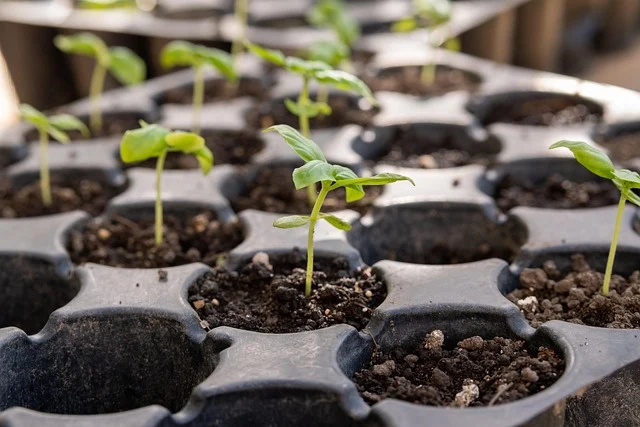
Starting annuals from seed offers lower upfront costs and access to thousands of specialty cultivars not available in retail centers. Fast-germinating varieties with large seeds include zinnias, sunflowers, cosmos, marigolds, nasturtiums, and morning glories. You can sow them directly into outdoor garden beds once soil warms.
Slower-growing or tiny-seeded annuals like petunias, begonias, impatiens, and coleus require indoor starting under grow lights 6 to 10 weeks prior to the average last spring frost date to build sturdy seedlings for transplanting.
Buying nursery transplants
Purchasing nursery transplants delivers immediate landscape color and eliminates weeks of indoor seed propagation. Transplants are practical for slow-growing varieties, complex container combinations, or gardeners needing quick results.
Who are annuals NOT suited for?
While annuals offer intense seasonal color, they do not suit every garden setup or landscape goal:
- Low-maintenance gardeners: Because annuals require frequent watering, deadheading, and yearly replanting, they poorly suit gardeners seeking a hands-off, self-sustaining landscape.
- Strict long-term budget constraints: Purchasing fresh annual plants, soil amendments, and seed packets every spring creates recurring annual expenses compared to long-lived perennials.
- Drought-prone regions with severe water restrictions: Annuals have shallow root systems that wilt quickly during summer dry spells without regular supplemental irrigation.
Sources: Annual, Growing Annuals
Frequently asked questions
How often should annuals be watered during hot summer weather?
In-ground garden beds usually require deep watering 2 to 3 times per week, ensuring moisture reaches 6 inches deep into the soil. Container plantings and hanging baskets lose moisture rapidly and often require daily or twice-daily watering during hot, sunny weather.
Do annual plants ever return the following spring?
True annual plants die completely at the end of their growing season and do not return from their root system. However, self-seeding annuals like cosmos, marigolds, sweet alyssum, and calendula drop mature seeds that can sprout naturally the following spring.
What is the difference between hardy and tender annuals?
Hardy annuals survive light frosts and cool spring weather, allowing for early planting outdoors. Frost kills tender annuals. They require warm air and warm soil temperatures before you can safely set them in the garden.
How do you revive leggy annual plants in midsummer?
Prune back elongated or sparse stems by one-third to one-half using sharp clean shears, cutting just above a leaf node, then apply a balanced liquid fertilizer. This prompts fresh lateral branching and a new flush of flower buds within two to three weeks.
Can annual plants be overwintered indoors?
You can bring tender perennials grown as annuals—such as geraniums, coleus, fuchsias, and begonias—indoors before the first autumn frost. Placed in a sunny window or under grow lights, they can survive winter indoors. You can move them back outside in spring.


