











Gucci is an Italian luxury fashion house founded in Florence in 1921. It is best known for its high-end leather goods, iconic handbags, equestrian-inspired motifs, and distinctive double-G logo. Owned by the luxury conglomerate Kering, the brand designs ready-to-wear clothing, footwear, accessories, and beauty products that define contemporary high fashion.
When you search for Gucci, you are looking at one of the most recognizable names in luxury fashion history. Known for its iconic double-G logo, equestrian hardware, and Italian craftsmanship, Gucci remains a cornerstone of the global luxury market. The Florentine house designs ready-to-wear fashion, leather goods, footwear, accessories, and fragrance, balancing a century of heritage with modern design.
How did Gucci grow from a Florentine leather shop to a global icon?
Gucci was founded in Florence, Italy, in 1921 by Guccio Gucci. Before opening his own workshop, he worked as a porter at the Savoy Hotel in London and in Paris. Observing the elegant leather luggage carried by wealthy international travelers inspired him to bring those refined standards back to Tuscan artisans. His initial shop focused on handcrafted leather travel trunks, saddles, and equestrian accessories.
During the 1930s and 1940s, the business expanded under the direction of Guccio’s sons, most notably Aldo Gucci. Facing leather shortages during World War II, the house improvised with alternative materials like woven hemp, linen, and polished bamboo. The creation of the bamboo-handled handbag in 1947 proved that functional problem-solving could produce lasting design symbols. Shortly after, the brand introduced its signature green-red-green Web stripe, derived from the canvas girth strap used under horse saddles.
In 1953, Aldo Gucci spearheaded international expansion. He opened the brand’s first store outside Italy at the Savoy Plaza Hotel in New York City. That same year marked the launch of the Gucci Horsebit loafer. This equestrian-inspired leather shoe became an essential item for stylish professionals and cultural figures alike. Hollywood stars such as Audrey Hepburn, Elizabeth Taylor, and Grace Kelly adopted Gucci bags and scarves, cementing the house’s connection with international glamour. Jacqueline Kennedy Onassis famously carried a slouchy shoulder bag in the 1960s, leading the brand to officially rename the design the Jackie bag.
What are Gucci’s most iconic handbags and accessories?
Gucci’s product archive includes several pieces that remain staples of modern fashion collections. Understanding the history and design of these key lines helps explain why they hold their value so effectively on the primary and secondary markets. Many buyers look for these iconic pieces when building a luxury wardrobe.
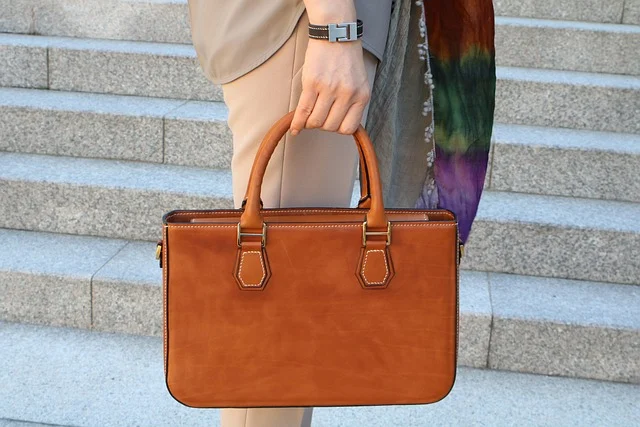
The Jackie 1961
Originally called the Constance when introduced in the 1950s, this crescent-shaped shoulder bag was renamed after Jacqueline Kennedy Onassis was frequently photographed carrying it. Its clean curved shape and distinctive metallic piston closure give it an understated, structured appearance. Modern versions come in classic GG Supreme canvas, smooth calfskin, and vibrant suede finishes, making it a versatile everyday carry.
The GG Marmont Line
Introduced in recent years and inspired by an archival belt buckle from the 1970s, the Marmot collection is recognized by its three-dimensional Double G hardware and soft matelassé quilted leather. Available in shoulder bag, camera bag, and tote silhouettes, the Marmot offers a slightly relaxed, contemporary aesthetic that pairs well with informal and evening attire alike.
The Ophidia Collection
The Ophidia line merges several of the house’s historical codes into a single design family. It features the GG Supreme coated canvas framed by the green-red-green Web stripe and a small inlaid Double G emblem. Because of its durable canvas construction and classic proportions, Ophidia totes, crossbodies, and cosmetic cases are popular entry points into luxury leather goods.
The Bamboo 1947
Created out of wartime necessity, the Bamboo bag features a handcrafted bamboo handle made by heating and curving cane stems over an open flame. No two bamboo handles are exactly identical due to natural variations in the cane. The bag remains a signature example of Florentine craft techniques combined with inventive styling.
Footwear and Leather Belts
Beyond handbags, the Horsebit 1953 Loafer and Princetown slipper are among the most famous designer shoes in history. Crafted from supple calfskin with a brass horsebit across the vamp, they suit tailored trousers, denim, or casual dresses. Similarly, the GG leather belt featuring the interlocking logo hardware remains one of the most recognizable luxury accessories worldwide.
How is the brand structured under Kering’s ownership?
In 1999, Gucci joined the portfolio of PPR (now known as Kering), a global luxury conglomerate that also owns brands such as Saint Laurent, Balenciaga, and Bottega Veneta. Kering’s capital investment transformed Gucci from a family-controlled business facing financial distress into a structured global enterprise equipped for international growth.

Creative leadership has evolved through several distinct eras under Kering. Tom Ford’s tenure in the 1990s introduced a sleek, sensual identity that modernized the house. Alessandro Michele later introduced an eclectic, maximalist aesthetic rooted in vintage references and gender-fluid tailoring. Recent collections overseen by creative director Demna reinterpret core archives while introducing modern silhouettes suited for contemporary fashion audiences.
Executive leadership under CEO Stefano Cantino oversees global commercial operations. Gucci operates over 520 directly owned retail boutiques globally and employs more than 20,000 staff members. Generating billions of euros in annual sales, the brand remains Kering’s largest revenue contributor, supported by high-performing retail networks, e-commerce, and specialized boutiques in major international cities.
How can you verify authentic Gucci products?
Because of high worldwide demand, counterfeiters frequently replicate popular Gucci designs. Knowing how to spot authentic items protects your investment whether purchasing new or pre-owned.
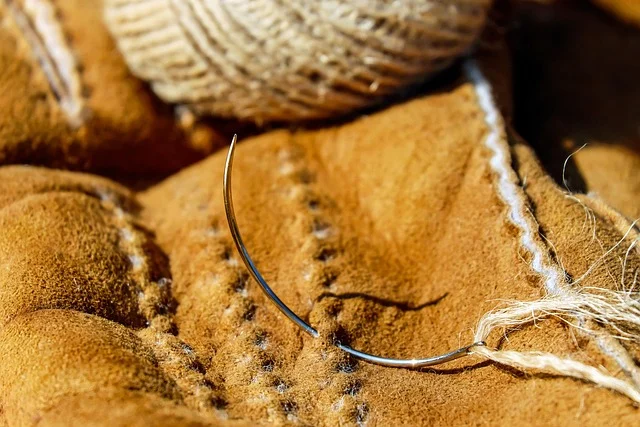
Interior Leather Stamp and Serial Number
Genuine Gucci leather bags feature a leather tag sewn inside near the interior zipper or pocket. The front side of the tab is heat-stamped with three lines of text in clear serif lettering: the trademark symbol ® on top, “GUCCI” in capital letters in the middle, and “made in italy” in lowercase at the bottom. Stamped on the tab’s reverse side is a serial number, usually consisting of two rows of 6 numbers each (10 to 13 digits total). The top row corresponds to the style code, while the bottom row represents the supplier or batch code.
Material and Construction Standards
Authentic GG Supreme canvas has a durable coated texture with precise, symmetrical logo placement. The interlocking Gs should be evenly spaced with sharp, crisp lines, never blurred or smudged. On leather items, stitching is uniform, clean, and angled slightly, with consistent thread thickness and no loose ends or exposed glue seams.
Hardware Weight and Finish
Gucci uses solid metal hardware—typically brass, palladium, or gold-toned metal—that feels heavy and substantial in hand. Zippers move smoothly, and engravings on clasps or buckle hardware are deep, clear, and perfectly centered. Lightweight, hollow metal or peeling metallic paint are immediate warning signs of a counterfeit.
Packaging and Secondary Market Platforms
Authentic products come with high-quality dust bags made from soft cotton or silk-like synthetic materials, featuring clean typography and drawstrings or flap closures. When buying pre-owned pieces, reliable authentication is critical. Verified reseller platforms such as Farfetch and leading luxury consignment sites inspect stitching, hardware, serial fonts, and materials before listing items for sale.
What should you know about sizing, fit, and care?
Investing in luxury items requires proper sizing selection and routine care to preserve appearance and structural integrity over time.
Footwear Sizing Nuances
Gucci shoe sizing generally uses Italian (EU) standards. Classic Horsebit loafers typically run slightly large; many wearing US sizes choose to go a half size down for a secure fit without heel slip. Leather boots and sneakers usually fit true to size. If you plan to wear thick socks with loafers, ordering your standard European size is recommended. For advice on complementary wardrobe pairing, see How to Keep Up with Fashion Trends: An Expert’s Guide for styling suggestions.
Leather Care and Storage
- Keep bags stuffed when stored: Place acid-free tissue paper or a pillow insert inside handbags to preserve their shape when not in use.
- Protect coated canvas: Wipe GG Supreme canvas with a soft, damp cloth to remove surface dirt. Avoid harsh chemical cleaners or abrasive pads.
- Condition calfskin leather: Apply a specialized leather conditioner once or twice a year to maintain flexibility and prevent drying or cracking.
- Store in dust bags: Keep items inside their original breathable dust bags in a cool, dry closet away from direct sunlight and heat sources.
Frequently asked questions
Who founded the Gucci fashion house?
Guccio Gucci founded the house in Florence, Italy, in 1921. He established the business after working in luxury hotels in London and Paris, where he was inspired by the fine luggage of international travelers.
What are Gucci’s most iconic product designs?
Gucci’s most famous designs include the Jackie 1961 bag, the GG Marmont shoulder bag, the Ophidia collection, the Bamboo 1947 bag, and the Horsebit 1953 loafer. Key motifs include the interlocking Double G logo and the green-red-green Web stripe.
When did Gucci join the Kering luxury group?
Gucci became a subsidiary of the luxury conglomerate Kering (formerly PPR) in 1999. This acquisition provided strategic backing and capital that transformed the house into a modern global fashion leader.
How can I check if a Gucci bag is authentic?
You can verify authenticity by checking the interior leather tag for a clear heat stamp and serial number on the back, examining the weight of solid metal hardware, and checking for precise, symmetrical GG canvas alignment and clean stitching.
Does Gucci offer repair services for damaged items?
Yes, official Gucci boutiques offer repair and refurbishing services for genuine products. Depending on the age of the item and warranty status, service fees may apply for leather restoration, hardware replacement, or stitching repairs.


