








A Kate Hudson optical illusion dress uses contrasting side panels, strategic cutouts, sheer mesh, or engineered geometric prints to alter visual perception. As a result, these garments create an exaggerated hourglass figure. By leveraging precision tailoring and chiaroscuro patterning, they manipulate light and shadow to sculpt the waist and elongate the body.
This style overview breaks down the visual mechanisms behind illusion dressing, including lateral color blocking, sheer mesh, and gradient sequin density. It also details Kate Hudson’s signature red carpet looks, compares key dress techniques, evaluates body shape suitability, and explains how to select proper undergarments.
How do optical illusion dresses manipulate visual perception?
The engineering behind an optical illusion dress relies on fundamental principles of cognitive visual processing and artistic contrast. Fashion designers borrow techniques from fine art—specifically chiaroscuro, the dramatic play between highlight and shadow—to alter how the human brain calculates line, volume, and distance on a three-dimensional form.
Chiaroscuro and lateral color blocking
The primary mechanism behind silhouette narrowing is lateral color blocking. When a dress features a light central panel bordered by dark panels, the eye isolates the column. Because human vision prioritizes high-contrast focal points, the dark side panels blend into the background. As a result, this creates an optical illusion where the waist appears several inches smaller than its physical dimensions.
Engineered prints and line orientation
Pattern alignment dictates where the viewer’s eye travels. Converging lines that taper inward toward the natural waist pull the eye inward, emphasizing an hourglass ratio. Horizontal stripes usually expand volume. However, when engineered into concentric chevrons or radiating curves, they pull perception toward a central focal point. Repeating geometric shapes alter depth perception, making flat fabric surfaces look sculpted or dynamic.
Sheer mesh and strategic negative space
Sheer illusion netting creates the appearance of floating fabric or impossible architecture. High-quality stretch mesh matched precisely to the wearer’s skin tone allows opaque fabric or heavy beadwork to hang suspended across the torso. By carving out negative space around the ribs and hips, designers can visually redraw the contours of the waist without sacrificing structural support.
Light direction with sequins and metallic embellishment
In high-end eveningwear, sequin density is manipulated to control light reflection. Denser, high-shine metallic beads along the center line reflect bright photo flashes, while sparser, darker beads along the flanks absorb light. Also, this creates a liquid-like gradient that mimics the contoured shadows of a sculpted physique.
How the Kate Hudson optical illusion dress stole the red carpet
Kate Hudson has consistently selected illusion gowns that showcase her athletic frame while pushing the boundaries of red carpet glamour. Her approach balances high-fashion risk with flawless fit, establishing standard benchmarks for how perception-altering garments should be worn.
The liquid pattern and forest landscape motif
One of Hudson’s most famous illusion moments featured a form-fitting gown with a swirling, liquid-like surface pattern—often referred to by fashion critics as the ‘forest landscape’ illusion. The dress utilized intricate tone-on-tone embroidery and micro-beading arranged in organic, flowing lines. As she moved under camera lights, the pattern appeared to shift and ripple across her body, continuously redefining her waistline and creating an ethereal, sculpted effect that dominated coverage in major style publications.
Body-conscious silhouettes with geometric cutouts
Hudson frequently opts for sleek body-con silhouettes enhanced by sharp structural cutouts. By positioning keyhole cutouts high on the midriff and slashes along the ribs, her gowns isolate the narrowest point of her waist. The stark contrast between covered fabric and revealed skin breaks up the solid mass of the torso, giving the body an elongated, ultra-contoured appearance.
The sophisticated ‘naked dress’ approach
While many sheer dresses rely strictly on opacity levels, Hudson’s illusion gowns incorporate structural paneling inside the mesh work. Corsetry seams, satin piping, and strategic lace applique are mapped directly over major muscle groups and structural lines. This ensures the garment remains sophisticated, elegant, and secure while providing an arresting illusion under harsh photography lights.
What are the main optical illusion dress styles and techniques?
Not all illusion dresses work in the same way. Depending on the construction method, fabric composition, and visual patterning, different styles target specific aesthetic results.
| Illusion Technique | Design Mechanism | Primary Visual Effect | Best Event Context |
|---|---|---|---|
| Lateral Contrast Panels | Dark matte side panels with a bright or patterned center column | Narrows the waist and hips visually | Cocktail parties, red carpet events, evening galas |
| Engineered Geometric Prints | Converging chevrons, spiraling lines, or Op-Art graphics | Creates movement, elongates torso, and softens heavy angles | Gallery openings, art events, modern black-tie affairs |
| Sheer Illusion Mesh | Skin-tone stretch netting with floating lace or bead appliqué | Creates negative space and an open, floating fabric effect | Formal galas, red carpet premieres, high-fashion events |
| Gradient Sequin Density | Dense light-reflecting sequins along center; dark matte at edges | Sculpts curves through light manipulation and dimension | Award shows, evening formal events, stage appearances |
| Asymmetric Cutout Paneling | Diagonal fabric slashes and exposed midriff negative space | Lengthens legs, draws attention upward, cinches lower ribs | High-profile red carpet, avant-garde fashion gatherings |
Who do optical illusion dresses suit—and who should be cautious?
Because optical illusion dresses are visually dynamic, matching the dress technique to your body shape is critical to achieving a flattering result.
Ideal frame shapes for illusion dresses
Rectangle and athletic frames: Women with direct, athletic builds benefit significantly from curved lateral paneling and converging line patterns. The illusion creates soft visual waist definition where natural curves are less prominent.
Hourglass figures: Built-in visual contouring amplifies existing proportions. Dark side paneling highlights natural waist indentations without requiring extreme waist-cinching corsetry.
Petite frames: Vertical geometric prints and continuous center columns elongate the torso, making petite wearers look visibly taller when paired with sleek heels.
When to exercise caution with illusion designs
Fuller bust lines with lightweight knits: If an optical illusion print is stretched on lightweight jersey or thin stretch fabric, a full bust line can distort the geometric lines. When horizontal or chevron lines stretch outward unpredictably across the chest, the intended slimming effect can reverse, creating visual distortion.
Improper mesh shade matching: For sheer mesh illusion dresses, the mesh panel must match your skin tone exactly. Because netting that is too light or too pink creates a harsh boundary line, it destroys the floating illusion completely.
How to select the right undergarments for an illusion dress
Undergarments can either perfect or ruin an optical illusion garment. Standard bras and visible panty lines break the fluid line of engineered patterns and sheer paneling, so specialized foundation garments are necessary.
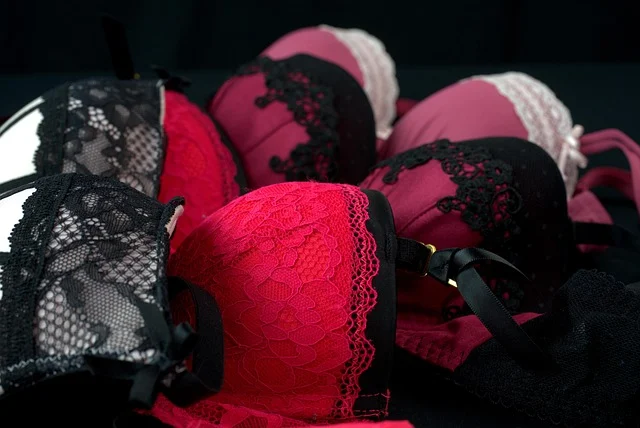
- Seamless high-waisted shapewear: Choose raw-cut, stitchless shapewear that ends cleanly under the ribcage or lower thigh. Avoid thick waistbands that cut into soft tissue, as any bulge under a smooth illusion knit will warp the graphic lines.
- Adhesive silhouette bras and breast petals: For dresses featuring plunging mesh, sheer ribbing, or low back cutouts, traditional bras are unusable. Medical-grade silicone adhesive cups provide lift without visible straps.
- Built-in corsetry or custom boning: High-end optical illusion gowns often integrate internal power-mesh lining or flexible boning directly into the dress structure, eliminating the need for separate foundation pieces.
- Color-matched bodysuits: If a dress utilizes sheer side cutouts or low waist panels, a custom nude thong bodysuit ensures full coverage while maintaining an uninterrupted skin-tone mesh match.
How to style an optical illusion dress without visual clutter
An optical illusion dress is naturally the focal point of an outfit. Over-accessorizing creates visual friction with the garment’s built-in graphic patterns.
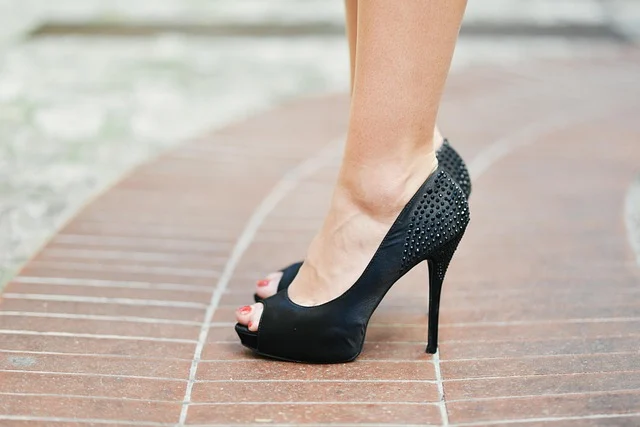
Keep footwear clean and minimalist. Classic nude pumps, thin-strapped metallic heels, or sleek black stilettos complement the dress without disrupting the vertical line. For a complete guide on selecting the correct shoe pairing for dark evening dresses, review key options in footwear selection.
Jewelry selection should strictly follow the dress’s neckline and pattern density:
- If the dress has a complex neck pattern or sheer mesh illusion chest panel, skip necklaces entirely and opt for delicate stud earrings or thin cuffs.
- If the dress utilizes smooth lateral blocking with a plain neckline, a sleek cuff bracelet or architectural drop earrings maintain a refined, chic silhouette.
- Choose a small, structured box clutch in a solid matte finish rather than patterned bags.
Hair and makeup should remain polished and structured. Sleek pulled-back buns, wet-look ponytails, or polished waves keep hair away from the shoulder and collarbone, ensuring the pattern lines remain unobstructed.
Common mistakes when wearing illusion dresses (and how to fix them)
Mistake 1: Wearing off-the-rack sizes without custom tailoring
Illusion patterns depend on exact anatomical positioning by placing side panels directly at the waist flank. Because convergence points sit at the narrowest part of the ribcage, a misplaced pattern line distorts your proportions. Having a seamstress take in or let out seam lines along the structural panels ensures the narrowest point of the pattern sits exactly at your natural waist.
Mistake 2: Flash reflection on illusion mesh
Under indoor light, illusion netting may look invisible, but strong camera flash can illuminate synthetic mesh fibers. As a result, the fabric looks white, grey, or shiny against the skin. Test your dress in dark rooms with direct camera flash beforehand to verify that the illusion mesh remains completely invisible under intense light.
Mistake 3: Fabric pulling across pattern intersections
When stretch fabric is pulled too tightly over the hips or thighs, straight geometric lines bend outward into distorted curves. This destroys the intended illusion effect. Size up when buying stretch illusion dresses, then tailor the garment inward to ensure fabric tension remains uniform across all panels.
From Op-Art to contemporary luxury evening wear
The concept of using clothing to manipulate visual perception is rooted in 1960s Op-Art (Optical Art) movements. So, graphic designers introduced stark, high-contrast prints to manipulate figure outlines. As stretch textiles developed in the late 20th century, designers introduced bandaged contouring and engineered knitting to mechanically mold the silhouette.
Modern illusion dressing, championed on red carpets by figures like Kate Hudson, merges print mechanics with structural transparency. Advanced laser cutting, high-definition sublimation printing, and multi-tone illusion netting allow designers to create floating architectures that were structurally impossible in earlier decades.
Today, optical illusion garments span a full spectrum—from subtle workwear paneling that quietly enhances tailoring to dramatic red carpet gowns that reshape human geometry entirely.
Frequently asked questions
What is an optical illusion dress?
An optical illusion dress is a garment that uses strategic color blocking, geometric patterns, sheer mesh, or targeted embellishment to alter visual perception and visually recontour the wearer’s body shape.
Why are Kate Hudson’s dresses considered optical illusions?
Kate Hudson frequently chooses red carpet gowns featuring high-contrast side panels, liquid geometric embroidery, and sheer mesh cutouts that dynamically alter light and shadow to enhance her athletic silhouette.
Are optical illusion dresses flattering for all body shapes?
Yes, provided the pattern alignment matches your proportions. Hourglass and athletic frames benefit from curved paneling, while petite builds benefit from continuous vertical chevron lines that extend visual height.
What undergarments work best under a sheer illusion dress?
Seamless raw-cut shapewear, medical-grade adhesive silicone cups, and skin-tone matched bodysuits offer the best support without exposing lines or interfering with sheer mesh panels.
How do I know if an illusion mesh panel matches my skin tone?
View the fabric under both natural daylight and direct flash photography. If the mesh creates a grey sheen or sharp color boundary against your skin, the shade is incorrect for your skin tone.


