











When the Winter Gloom Sets In, Paper whites Offer a Fragrant Solution
As of June 2026, the desire for vibrant, living color indoors during the colder months remains strong. Paper whites, with their intoxicating fragrance and elegant white blooms, are the go-to solution for many seeking a touch of spring amidst the winter chill. Unlike many other spring-flowering bulbs that require a period of chilling, paper whites are native to warm Mediterranean regions and can be coaxed into blooming indoors with minimal fuss. This makes them an incredibly rewarding plant for both novice and experienced indoor gardeners.
Last updated: June 12, 2026
But why do some paper whites grow tall and leggy, while others produce sturdy stems and abundant flowers? It often comes down to a few key techniques in planting and care. Here’s what you need to knowto how you can ensure your paper whites thrive this winter, offering a splash of natural beauty and a delightful scent when you need it most.
- Paper whites are easy to force indoors during winter, requiring no chilling period.
- Proper bulb selection and planting depth are crucial for sturdy stems and abundant blooms.
- Controlling water and light conditions helps manage growth and prevent legginess.
- Post-bloom care can help manage the plant, though forcing for a second year is often difficult.
- Paper whites offer a beautiful, fragrant addition to any indoor space during the colder months.
What Exactly Are Paper whites?
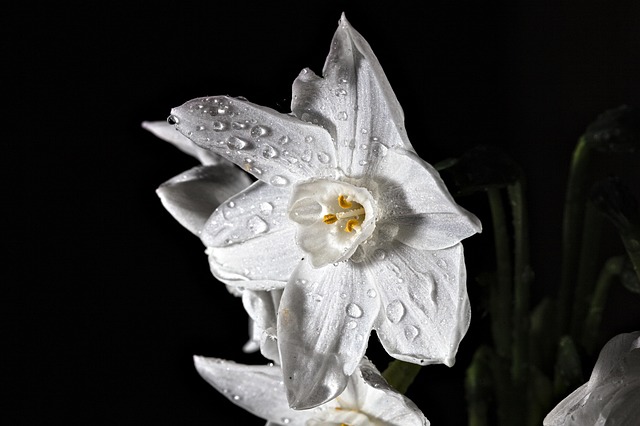
Paper whites, scientifically known as Narcissus papyraceous, are a type of narcissus. They are renowned for their clusters of small, intensely fragrant white flowers that emerge on sturdy stems. Native to the Mediterranean region, they thrive in well-drained soil and prefer sunny, warm climates, which is why they are so readily forced indoors during winter. Their common name comes from the papyrus-like appearance of their leaves.
These bulbs are incredibly popular for holiday gifts and home décor because they require no pre-chilling period. You can plant them and expect blooms in as little as 4–6 weeks, providing instant cheer. Unlike their larger daffodil cousins, paper whites are typically grown in containers or even just pebbles and water for a minimalist, elegant display.
Choosing the Right Paper white Bulbs
The first step to successful paper white blooms is selecting high-quality bulbs. Look for firm, plump bulbs that feel heavy for their size. Avoid any that are soft, mushy, or have visible mold or damage. The larger the bulb, generally, the more flower stalks it will produce. A good size for forcing is typically around 3–4 inches in circumference.
Many garden centers and online retailers offer pre-chilled paper white bulbs specifically for forcing. These are bulbs that have already undergone the necessary cold period and are ready to be planted. If you’re buying from a general nursery, check that the bulbs are firm and healthy. Some retailers also offer bulbs already packed with a growing medium, which can be a convenient option for beginners.
Planting Your Paper whites for Success
Planting paper whites can be done in several ways, offering flexibility for different aesthetics. The most common methods involve using soil, gravel, or even just water.
Planting in Soil
If using soil, choose a well-draining potting mix. Plant the bulb about 1–2 inches deep, with the pointed end facing upwards. Ensure the container has drainage holes to prevent waterlogging, which can lead to bulb rot. Leave about an inch of space at the top of the pot for watering. A 4-6 inch pot is usually sufficient for one to three bulbs, depending on their size.
Planting in Gravel or Pebbles
For a more minimalist and modern look, paper whites can be grown in a container filled with gravel, pebbles, or decorative stones. Place the bulbs on top of the gravel layer, then fill in around them with more stones, leaving the top half of the bulb exposed. This method requires careful watering, as there are no drainage holes.
Water Forcing
Perhaps the simplest method is water forcing. Place the bulbs in a shallow dish or vase, ensuring the base of the bulb just touches the water. You can use a layer of pebbles or marbles to support the bulbs and keep them from sitting directly in the water. This method is visually striking but can sometimes lead to weaker stems if not managed carefully.
Essential Paper white Care
Once planted, paper whites require consistent care to ensure they bloom beautifully. The key elements are light, water, and temperature.
Light and Temperature
After planting, place your paper whites in a cool location (around 60-65°F or 15-18°C) for abou2–3-3 weeks to encourage root development. Once you see new growth emerging from the bulb, move the container to a brighter spot. They prefer bright, indirect light. Direct sunlight can scorch their leaves, while too little light can lead to leggy growth.
Watering Your Paper whites
Watering is critical. If planting in soil, keep the soil consistently moist but not waterlogged. Water thoroughly when the top inch of soil feels dry. For gravel or water forcing, maintain a water level that keeps the base of the bulb consistently moist. Avoid letting the bulb sit in standing water, as this can cause rot. According to Long field Gardens, maintaining consistent moisture is key to healthy growth.
Preventing Leggy Stems
One common issue with forced paper whites is weak, leggy stems that can’t support the weight of the blooms. To combat this, ensure they receive adequate light once they start growing. Some growers suggest using a bit of alcohol in the water when water-forcing to stunt growth slightly, making stems sturdier. A common recipe is to use about 1 tablespoon of rubbing alcohol (70% isopropyl alcohol) per quart of water, and then water with plain water thereafter. This can help reduce stem elongation, though it might slightly reduce bloom longevity. You can also use decorative stakes or ties to support the stems if they become top-heavy.
How Long Do Paper whites Bloom For?
When grown under optimal conditions, paper whites typically bloom for about 1 to 2 weeks. The exact duration can depend on the temperature of the room; warmer temperatures will shorten the blooming period, while cooler temperatures (around 60-65°F or 15-18°C) can extend it. The fragrance is often strongest during the peak of the bloom.
The number of flower stalks produced by a single bulb can vary. Larger bulbs may produce two or even three stalks, each bearing a cluster of fragrant white flowers. This makes them an excellent choice for creating a lush display with just a few bulbs.
What to Do With Paper whites After Blooming
Once the flowers have faded, the paper white bulb has completed its primary purpose. Forcing bulbs is a demanding process, and it’s challenging to get them to rebloom indoors with the same vigor in subsequent years. Many gardeners treat forced paper whites as annuals and discard the bulbs after the blooming season.
If you wish to try and save the bulbs, you can cut back the spent flower stalks and allow the foliage to continue growing for about 6–8 weeks. Keep the plant in a bright location and water it regularly. The foliage is essential for the bulb to store energy for the next growing season. After the foliage naturally yellows and dies back, stop watering and store the bulbs in a cool, dry place until fall. However, be aware that success in ppreblooming paper whites indoors is not guaranteed, and they may not perform as well as freshly purchased bulbs.
Common Mistakes to Avoid with Paper whites
Several common pitfalls can prevent your paper whites from reaching their full potential. One of the most frequent errors is overwatering. Because paper whites are often grown in containers without drainage or in decorative vases, it’s easy for the bulbs or roots to sit in stagnant water, leading to rot. Always ensure good air circulation around the bulbs and avoid letting them drown.
Another mistake is placing the newly potted bulbs in too much direct heat or sunlight too soon. This can cause the bulbs to sprout too quickly and weakly. Patience is key; allow the roots to establish in a cooler, darker environment before exposing them to brighter light and warmth. Additionally, not providing adequate support for tall stems can lead to them falling over, ruining the aesthetic.

Paperwhite Alternatives and Companions
While paper whites are fantastic, other bulbs offer similar indoor blooming experiences. Amaryllis are a popular choice, known for their large, dramatic flowers and long-lasting blooms. Hyacinths provide a beautiful, intensely fragrant floral display and can also be forced indoors. For those who prefer a different look, consider forcing tulips or daffodils, though these often require a longer chilling period.
When displaying paper whites, they pair well with other cool-season indoor plants. Consider placing them alongside small ferns or foliage plants that offer a contrasting texture and color, creating a fuller display. For a truly festive look, combine them with seasonal decorations like pine cones or evergreen sprigs.
Expert Insights for Flourishing Paper whites
Forcing paper whites is often about manipulating their growth cycle. A tip from seasoned gardeners is to use a shallow container that allows the bulbs to sit close to the surface, encouraging faster root development. This also makes it easier to monitor water levels. Remember that the fragrance is quite potent; if you’re sensitive to strong scents, you might want to place your paper whites in a larger room or a less trafficked area.
According to Almanac.com, planting multiple bulbs in the same container can create a fuller, more impactful display. Staggering planting times by a week or two can also provide a continuous bloom over a longer period. For instance, plant one batch now, and another batch two weeks later, for successive flowering.
Frequently Asked Questions
Can I plant paper whites outdoors?
While paper whites are native to warmer climates, they are generally not hardy enough to survive cold winters when planted outdoors in most regions. They are best suited for indoor forcing, or in very warm climates (USDA Hardiness Zones 9-11) where they might naturalize.
Why are my paper white stems so tall and weak?
Tall, weak stems are often caused by insufficient light, too much heat, or over-watering. Ensure your paper whites receive bright, indirect light and are kept in a cooler environment once growth begins. Using a diluted alcohol solution in the water can also help to strengthen stems.
How do I get paper whites to bloom longer?
To extend the blooming period, keep your paper whites in a cooler room (around 60-65°F or 15-18°C) and provide them with plenty of bright, indirect light. Avoid placing them near heat sources or in direct sunlight, which can hasten the wilting of the blooms.
Can I reuse paperwhite bulbs year after year?
it’s difficult to get paper whites to rebloom indoors with the same success as fresh bulbs. While you can try to save the bulbs by letting the foliage die back naturally and storing them, they often perform poorly in subsequent forcing attempts.
What kind of container is best for paper whites?
Any container that allows for good root development and drainage is suitable. Shallow bowls or vases work well for water or pebble forcing, while pots with drainage holes are ideal for soil planting. The container size should accommodate the number of bulbs you are planting, typically 1–3 bulbs per 4-6 inch pot.
Is the fragrance of paper whites too strong?
Paperwhite fragrance is potent and can be overwhelming for some individuals, especially in small, enclosed spaces. If you are sensitive to strong scents, consider placing them in a larger room or using fewer bulbs per container.
Bringing Bloom Indoors
Paper whites offer a straightforward and immensely satisfying way to bring life and fragrance into your home during the winter months. By understanding the simple requirements of bulb selection, planting depth, light, and water, you can reliably cultivate these beautiful blooms. Even with their challenges, like potential legginess or difficulty in reblooming, the reward of their elegant white flowers and intoxicating scent is well worth the effort, especially as we head into the cooler seasons of 2026.
Information current as of June 2026; pricing and product details may change.
Editorial Note: This article was researched and written by the Anarchy Label editorial team. We fact-check our content and update it regularly. For questions or corrections, contact us.