









Getting Started in Jewelry Making as a Beginner
Embarking on the journey of jewelry making can seem daunting, but as of May 2026, it’s more accessible than ever. Whether you dream of crafting delicate necklaces, statement earrings, or personalized bracelets, understanding the foundational elements is key. This guide demystifies the process, equipping aspiring artisans with the knowledge to begin their creative endeavors without overwhelming expense or complexity.
The allure of handmade jewelry lies in its unique character and the personal touch infused into each peace. Unlike mass-produced items, handmade creations tell a story, reflecting the maker’s vision and skill. For beginners, this craft offers a rewarding avenue for self-expression and potentially even a small income stream, with many aspiring to turn their hobby into a business.
- Start with a few essential tools and basic materials to keep initial costs low.
- Focus on learning fundamental techniques like beading and simple wire wrapping.
- Experiment with affordable materials like glass beads, craft wire, and polymer clay before investing in precious metals.
- Safety is paramount; always work in a well-ventilated area and handle tools with care.
- Don’t be afraid to make mistakes they are crucial learning opportunities in jewelry design.
Essential Tools for the New Jewelry Crafter
To begin crafting jewelry, you don’t need a vast collection of specialized equipment. A few key tools will serve you well for most beginner projects. Think of them as your foundational toolkit, allowing you to manipulate materials and assemble components effectively. Investing in quality basics can prevent frustration and yield better results.
The core tools typically include a set of pliers: round-nose pliers for creating loops, chain-nose or flat-nose pliers for gripping and bending wire, and cutters for trimming wire. Many beginner kits bundle these together, offering a cost-effective way to start. For instance, a good quality set of three essential pliers can often be found for around $20-$40.
Beyond pliers, a bead mat is incredibly useful for keeping small beads from rolling away. A simple foam or felt mat provides a grippy surface and helps organize your components during design. A measuring tape or ruler is also indispensable for ensuring consistent lengths and sizes.
Choosing Your First Jewelry Making Materials
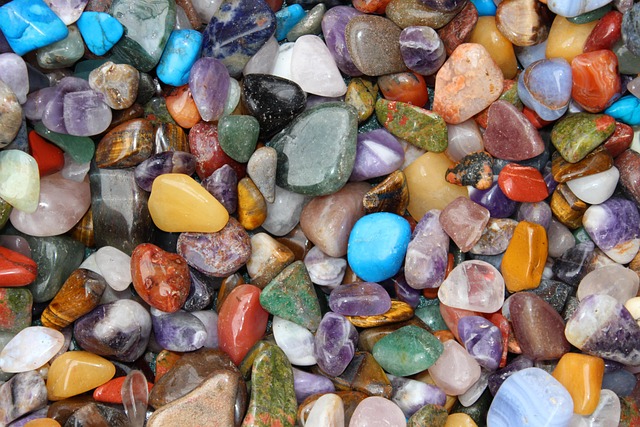
The world of jewelry materials is vast, from humble craft wire to precious gemstones. For beginners, it’s wise to start with affordable, easy-to-work-with materials. Jewelry for beginners allows for experimentation without significant financial risk. Glass beads, acrylic beads, and polymer clay are excellent starting points.
Craft wire, often available in brass, copper, or plated metals, is forgiving and suitable for learning techniques like wire wrapping. You can find spools of 20-gauge craft wire for under $10, which is ample for numerous projects. Similarly, a pack of assorted glass seed beads can be purchased for $5-$15, providing a wide color palette to explore.
As your skills develop, you might explore semi-precious stones like amethyst or quartz, or consider sterling silver for findings (clasps, ear wires). However, these represent a later stage in your jewelry-making journey. Focusing on accessible materials initially ensures you can practice techniques repeatedly.
According to a 2025 market analysis by Craft Industry Insights, the DIY craft sector, including jewelry making, saw a 7% growth, largely driven by accessible online tutorials and affordable materials, indicating strong beginner interest.
Fundamental Jewelry Techniques for Beginners
Mastering a few core techniques will unlock a world of creative possibilities for beginner jewelry makers. These fundamental skills form the building blocks for more complex designs and allow you to create polished-looking pieces right from the start.
Beading is perhaps the most straightforward technique. It involves stringing beads onto wire, thread, or cord to create necklaces, bracelets, or even decorative elements. Learning to secure knots properly and using crimp beads effectively are key to ensuring your beaded jewelry is durable.
Wire wrapping is another highly valuable skill. It involves using pliers to bend and shape wire around beads or other components to create connections or decorative patterns. Simple wire wrapping can be used to attach bails to pendants, create links, or form decorative swirls. Mastering basic loops with round-nose pliers is the first step.
Assembly, or combining pre-made components like charms, clasps, and ear wires is also a fundamental skill. This involves using jump rings to connect elements and learning how to open and close them correctly without damaging them. Using two pairs of pliers for jump rings is a common best practice to avoid bending them out of shape.
Simple DIY Jewelry Projects to Try First
Starting with simple, achievable projects builds confidence and hones your skills. These introductory projects require minimal tools and materials, allowing you to see results quickly.
Beaded Bracelets: String beads onto elastic cord or wire. For elastic cord, tie a secure knot (a surgeon’s knot is often recommended) and hide it within a larger bead. If using wire, attach a clasp using crimp beads. This is a perfect project for practicing bead selection and stringing.
Simple Pendant Necklace: Create a single loop using round-nose pliers on a piece of wire. Attach a bead or charm to this loop, then use chain-nose pliers to close it securely. Attach this pendant to a pre-made chain or cord. This project teaches basic wire manipulation and attachment.
Wire-Wrapped Earrings: Use round-nose pliers to create a loop at one end of a piece of wire. Wrap the wire several times around the base of the loop to create a decorative coil. Attach a bead or charm to the bottom of the coil. Finally, attach the other end of the wire to an ear wire. This combines looping and wrapping.
Common Mistakes and How to Avoid Them
Every beginner makes mistakes, and these are valuable learning opportunities. Being aware of common pitfalls can help you avoid them and speed up your progress.
Using the wrong pliers: Trying to use needle-nose pliers for tasks requiring round-nose pliers can result in awkward bends or damaged wire. Always use the right tool for the job. For instance, use cutters only for cutting wire, not for crimping beads.
Weak closures: Clasps that fall off or jump rings that open unexpectedly are common issues. Ensure your knots are tight, crimp beads are properly secured with crimping pliers (if used), and jump rings are closed flush with two pairs of pliers.
Overworking the wire: Bending wire back and forth too many times can weaken it, leading to breakage. Try to make clean, decisive bends. Also, avoid pulling wire too tightly through beads, as this can stress the material.
Ignoring workspace setup: Working in a cluttered or poorly lit area can lead to lost components and eye strain. A dedicated, organized workspace, even if it’s just a section of a table, makes a significant difference. According to a 2025 survey by crafters.com, 65% of successful hobbyists reported having a dedicated creative space.
Safety Tips and Best Practices for Jewelry Making
Safety should always be a priority when crafting. Simple precautions can prevent injuries and ensure a pleasant creative experience.
Ventilation: If you’re deciding to work with resin or adhesives, ensure you are in a well-ventilated area. Many resins and glues emit fumes that can be harmful if inhaled. Consider a small personal air purifier designed for craft spaces, like the Purair Lite, for enhanced safety in smaller environments.
Tool Handling: Always hold tools firmly and cut wire away from your body. Keep sharp tools, like cutters and awls, stored safely when not in use. Be mindful of spring-loaded cutters that can send wire clippings flying.
Eye Protection: Wearing safety glasses is recommended, especially when cutting wire or working with small, hard materials that could chip or break. This is a small step that can prevent serious eye injury.
Material Awareness: Be aware of potential allergies, especially with metals. Sterling silver and surgical stainless steel are generally good choices for sensitive skin, while plated metals might cause reactions in some individuals.
Exploring Different Jewelry Making Styles
Once you’re comfortable with the basics, you can start exploring various jewelry-making styles. Each offers unique techniques and aesthetic outcomes.
Bead work: This encompasses everything from simple strung beads to intricate bead weaving using specialized needles and threads. It offers immense versatility in color, texture, and pattern, and many beautiful free bead patterns are available online, making it a very accessible starting point.
Wire Wrapping: As mentioned, this involves shaping wire. Advanced wire wrapping can create intricate cages for stones, elaborate wire-sculpted pieces, and delicate filigree designs. The complexity ranges from basic loops to advanced coil and basket weaves.
Metal Stamping: This technique involves using metal stamps and a hammer to imprint letters, numbers, or designs onto metal blanks. It’s a great way to personalize jewelry with names, dates, or meaningful symbols. A basic metal stamping kit can cost around $50-$100.
Resin Jewelry: This involves pouring liquid resin into molds, often embedding flowers, glitter, or other small objects. Once cured, the resin creates a clear, durable piece. As of May 2026, resin jewelry kits are widely available and popular for their vibrant, customizable results, with many tutorials available online.
Where to Find Inspiration and Further Learning
The digital age provides abundant resources for jewelry makers. Online platforms are invaluable for learning new techniques and finding design inspiration.
Online Tutorials: Websites like YouTube are treasure troves for video tutorials covering every technique imaginable. Many jewelry supply companies also offer free tutorials on their blogs.
Social Media: Platforms like Instagram and Pinterest are visual goldmines for design ideas. Following jewelry artists and hashtags like #beginnerjewelrymaking or #handmadejewelry can spark creativity.
Books and Magazines: Traditional resources still hold value, with libraries and bookstores offering books on specific techniques or general jewelry design. Publications like Bead work magazine or Lapidary Journal Jewelry Artist provide in-depth articles and project ideas.
Local Classes and Workshops: For hands-on guidance, look for local craft stores or community centers offering beginner jewelry making classes. These can provide direct feedback and a structured learning environment.
Frequently Asked Questions About Jewelry for Beginners
How much does it cost to start making jewelry?
The initial investment can be as low as $50-$100 for a basic set of tools and a selection of affordable materials like glass beads and craft wire. Jewelry for beginners allows you to complete several simple projects without a significant financial commitment.
What are the easiest jewelry items to make first?
Simple beaded bracelets using elastic cord, basic pendant necklaces, and loop-earrings are generally considered the easiest projects for beginners due to their straightforward techniques and minimal component requirements.
Do I need special software for jewelry design?
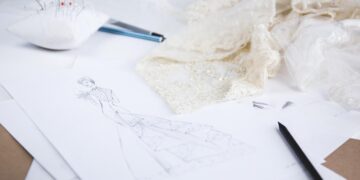
For basic jewelry making, no special software is required. You can sketch ideas in a notebook. For more complex 3D design, software like Professionals uss rhino or Matrix, but this is far beyond the beginner stage.
Where can I buy beginner jewelry making supplies?
Supplies are readily available online from major craft retailers, specialized jewelry supply websites, and marketplaces like Etsy. Local craft stores also carry a good selection of beginner-friendly tools and materials.
How long does it take to learn jewelry making?
Basic skills like stringing beads or simple wire wrapping can be learned in a few hours. Developing proficiency and mastering more complex techniques like intricate wire sculpting or metalworking can take months or years of consistent practice.
What is the most important tool for a beginner jewelry maker?
While a few tools are essential, a good pair of chain-nose or flat-nose pliers is arguably the most crucial. They’re versatile for gripping, bending, and closing components, making them indispensable for most beginner projects.
Is resin jewelry making safe for beginners?
Yes, resin jewelry making can be safe for beginners if proper precautions are taken. Always work in a well-ventilated area, wear gloves, and follow the manufacturer’s instructions for mixing and curing the resin to avoid exposure to fumes.


