
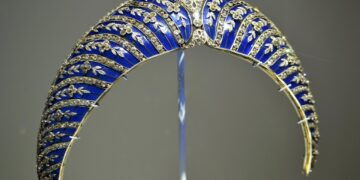










The Allure of Light Blue Stone Jewelry
The Serene Charm of Light Blue Stones
Last updated: April 27, 2026
Imagine a gem that captures the tranquility of a clear summer sky or the gentle whisper of ocean waves. That’s the magic of a light blue stone. These captivating jewels have adorned us for centuries, offering a cool, refreshing hue that complements any style. Whether you’re drawn to their aesthetic beauty or their symbolic meanings, understanding these stones is key to finding your perfect match.
Latest Update (April 2026): In 2026, light blue gemstones continue to be a dominant force in fine jewelry, celebrated for their versatility and calming aura. Recent high-profile jewelry collections, such as the Tiffany & Co. Blue Book 2026, have prominently featured Brazilian aquamarines, underscoring their enduring appeal. This trend signifies a continued appreciation for stones that offer both vibrant color and a sense of sophisticated serenity, making them a staple for both everyday wear and significant celebratory moments.
What Exactly is a Light Blue Stone?
A light blue stone is any gemstone that displays a pale, delicate shade of blue. This spectrum ranges from the faintest icy tones, reminiscent of a winter’s morning frost, to more pronounced sky blue hues, evoking the expansive clarity of a cloudless day. This versatile color palette offers a sophisticated and often more understated alternative to bolder jewel tones, making light blue gemstones incredibly adaptable for a wide array of jewelry designs, from minimalist pieces to elaborate statement items. They provide a refreshing aesthetic that can elevate any personal style.
Why Choose a Light Blue Gemstone?
The appeal of a light blue stone is complex, deeply rooted in both aesthetic preference and psychological association. These stones evoke feelings of peace, serenity, and mental clarity, making them highly desirable for individuals seeking a sense of calm and balance in their lives. Psychologically, the color blue is consistently linked with stability, trustworthiness, and a sense of calm assurance. In jewelry, this subtle yet striking color offers a sophisticated pop without being overwhelming.
For instance, a delicate aquamarine pendant can add a touch of refined elegance to professional attire, while a ring set with a pastel blue sapphire can serve as a subtle yet luxurious statement piece. According to the Gemological Institute of America (GIA) (2023), the subtle variations in blue shades within gemstones are attributed to trace elements and the intricate ways light interacts with the crystal structure. This scientific understanding highlights that even within the ‘light blue’ category, there exists a vast spectrum of unique beauty and subtle differences to explore.
Popular Light Blue Gemstones
When considering light blue gemstones, certain iconic choices immediately come to mind. However, the world of pale blue beauty extends far beyond the most familiar names. Here are some of the most sought-after light blue stones, each with its own unique charm and characteristics:
Aquamarine: The Water Stone
Perhaps the most iconic light blue gemstone, aquamarine is a prized variety of the beryl mineral family. It’s celebrated for its exceptional crystalline clarity and its breathtaking shades of blue, ranging from the palest watery hues to deeper, more saturated sky blues. The name ‘aquamarine’ itself is derived from Latin, meaning ‘water of the sea,’ a fitting description for its serene coloration. While the most intensely saturated blues are often the most valuable, lighter, more delicate shades are also highly desirable and generally more accessible in terms of price.
The GIA (2023) confirms that aquamarine possesses a hardness of 7.5 to 8 on the Mohs scale, making it durable enough for everyday wear, although precautions should still be taken to avoid significant impacts or abrasions. Pricing for aquamarine can vary considerably based on factors like color saturation, clarity, and carat weight. A high-quality 1-carat aquamarine might range from approximately $200 to $700 USD, depending on these attributes. Many reputable jewelers, such as Brilliant Earth and Blue Nile, offer extensive collections of aquamarine jewelry.
Blue Topaz: Affordable Elegance
Topaz is a gemstone known for its impressive hardness, ranking 8 on the Mohs scale, and it naturally occurs in a wide spectrum of colors. However, its blue varieties have gained immense popularity. It’s important to note that natural blue topaz is relatively rare; the vast majority of light blue topaz available commercially is created by treating colorless topaz through irradiation and heat processes to achieve its desirable hue. This treatment is permanent, stable, and considered safe by gemological authorities.
Sky blue topaz, in particular, offers a beautiful and highly affordable option, frequently set in sterling silver for a contemporary look. Its clarity is typically excellent, and its accessible price point allows for larger, more impactful stones. A sizable 5-carat sky blue topaz can often be purchased for well under $100 USD, making it an excellent choice for statement rings, bold pendants, or eye-catching earrings.
Sapphire: The Royal Blue (and Pastel Hues)
While sapphires are famously associated with deep, regal blues, they also occur in a captivating range of lighter shades. These are sometimes referred to as ‘baby blue,’ ‘pastel blue,’ or ‘icy blue’ sapphires. These lighter hues present a softer, more ethereal alternative to the traditional, intense royal blue, offering a refined elegance. As reported by the GIA (2024), sapphires are exceptionally durable, boasting a Mohs hardness of 9, which makes them an outstanding choice for high-wear jewelry such as engagement rings and heirloom pieces intended to last for generations. Lighter blue sapphires are often more economically priced than their deeper-colored counterparts, although their value is still significantly influenced by factors such as color intensity, clarity, origin, and cut. These gems provide an exquisite, high-value option for those desiring the durability and prestige of sapphire in a more delicate blue tone.
Other Notable Mentions
- Moonstone: Celebrated for its unique adularescence—a shimmering, billowy optical effect that appears to float within the gem—moonstone can exhibit beautiful pale blue flashes and glows. As the South China Morning Post highlighted in October 2025, moonstone’s soft, ethereal glow continues to be a focal point in new jewelry releases, appealing to those who favor subtle, mystical aesthetics.
- Turquoise: While commonly known for its opaque, robin’s egg blue, certain varieties of turquoise can display paler, more delicate blue tones, sometimes with intricate matrix patterns.
- Howlite: This porous mineral is frequently treated and dyed to mimic more expensive gemstones. White howlite featuring natural blue or grey veining can sometimes be mistaken for or used to create pieces resembling pale blue agate or turquoise.
- Chalcedony: This microcrystalline variety of quartz can be found in soft, translucent blue shades, offering a gentle, watery appearance that’s both understated and appealing.
- Iolite: Often called ‘water sapphire,’ iolite displays a beautiful violet-blue to blue color. While it can range in intensity, lighter, more translucent shades fit the light blue gemstone category and offer a distinct pleochroism (displaying different colors from different angles).
- Celestite (Celestine): While often found in larger, opaque crystals used for mineral specimens, faceted celestite can display a very pale, ethereal blue, though it’s quite soft (Mohs 3-3.5) and best suited for protective settings or occasional wear.
Latest Developments in Light Blue Gemstone Jewelry (April 2026)
The jewelry world in early 2026 continues to embrace the serene beauty of light blue stones. High-profile events like the 2026 Oscars, as covered by Allure, showcased subtle yet impactful jewelry choices, with light blue gems offering a sophisticated accent. The luxury market sees continued innovation, with collections like Tiffany & Co.’s Blue Book 2026, as reported by Luxurylaunches, prominently featuring Brazilian aquamarines. This reinforces the gemstone’s status as a premium choice, blending natural allure with masterful craftsmanship. The trend suggests a growing consumer desire for jewelry that combines aesthetic beauty with a sense of calm and well-being, making light blue stones a perennially popular choice.
Caring for Your Light Blue Gemstones
To ensure your light blue gemstone jewelry retains its brilliance and integrity for years to come, proper care is essential. While some stones, like sapphire, are exceptionally hard, others, such as turquoise or howlite, are more delicate and require specific attention. Adhering to general care guidelines will help preserve the beauty of your cherished pieces.
General Care Tips:
- Avoid Harsh Chemicals: Protect your jewelry from direct contact with perfumes, hairsprays, lotions, cleaning agents, and other household chemicals. These substances can potentially dull the stone’s polish, etch its surface, or even cause discoloration over time.
- Store Properly: Each piece of jewelry should be stored individually to prevent scratching. Use soft pouches or a compartmentalized jewelry box. For softer or more porous stones like turquoise, it’s advisable to store them separately from harder gemstones to avoid accidental abrasion.
- Gentle Cleaning: For most durable light blue stones such as aquamarine and topaz, a simple cleaning method involving a soft brush, warm water, and a mild, non-abrasive soap is highly effective. Rinse the jewelry thoroughly afterward and dry it with a soft, lint-free cloth. It’s generally recommended to avoid using ultrasonic cleaners for stones that may have internal fractures or inclusions, as the vibrations can potentially cause damage.
- Mindful Exposure to Heat and Light: Prolonged exposure to intense direct sunlight or high temperatures can affect certain lighter blue stones, particularly treated gemstones like blue topaz. Over time, this can lead to fading or a change in color intensity. Store such pieces away from direct light sources when not being worn.
- Regular Inspection: Periodically check your jewelry settings to ensure stones are secure and that clasps and chains are in good condition. This is especially important for pieces worn frequently.
Choosing the Right Light Blue Stone for You
Selecting the perfect light blue gemstone involves considering several key factors to ensure you find a stone that aligns with your aesthetic preferences, budget, and intended use. Beyond just the color, examining clarity, cut, and setting plays a vital role in the overall appeal and longevity of the piece.
Color Consistency and Hue
Look for an even distribution of color throughout the gemstone. A stone that appears too pale might seem washed out or lack vibrancy, while a gem with noticeable color zoning (uneven patches of color) may be less aesthetically pleasing. The ideal is a consistent, pleasing shade that catches the light beautifully. Consider the undertones as well; some light blues have a hint of green, while others lean towards violet, offering different moods and complementary possibilities with attire and other jewelry.
Clarity and Inclusions
Most light blue gemstones are valued for their clarity – the absence of visible flaws or inclusions. While a completely flawless gemstone is rare and commands a premium price, aim for a stone where any inclusions are minimal and don’t detract from its overall beauty or structural integrity. For stones like aquamarine, eye-clean clarity is often preferred. For others, like certain types of chalcedony or turquoise, natural matrix patterns are part of their unique character and appeal.
The Cut’s Contribution
The cut of a gemstone significantly impacts its brilliance and how it displays color. A well-executed cut will maximize the stone’s sparkle and ensure an even color distribution. For lighter colored stones, cuts that enhance brilliance, like round brilliants or oval cuts, are often favored. Emerald cuts or step cuts can also be stunning, especially in stones with exceptional clarity, as they showcase the gem’s transparency and color more directly.
Setting and Metal Choice
The metal setting plays a crucial role in complementing the light blue hue of the gemstone. White gold, platinum, and sterling silver are excellent choices as they enhance the cool tones of blue stones, making them appear brighter and more vibrant. Yellow gold can provide a beautiful contrast, creating a warmer, more striking look, particularly with stones that have subtle green undertones. Consider the durability of the setting, especially for stones intended for daily wear. Bezel settings offer excellent protection for the gemstone’s edges compared to prong settings.
Symbolism and Personal Meaning
Beyond aesthetics, many people are drawn to gemstones for their symbolic meanings. Light blue stones are often associated with calmness, communication, intuition, and healing. Choosing a stone that resonates with personal beliefs or represents a desired quality can add a deeper layer of significance to the jewelry piece.
Frequently Asked Questions
What is the most popular light blue gemstone?
Aquamarine is arguably the most popular and iconic light blue gemstone, widely recognized for its beautiful sea-water hues and good durability. However, blue topaz is extremely popular due to its affordability and availability in various shades of light blue.
Are light blue sapphires valuable?
Yes, light blue sapphires can be valuable, though typically less so than deep blue sapphires of comparable quality. Their value depends heavily on factors like color intensity, clarity, cut, carat weight, and origin. Pastel blue sapphires from reputable sources are highly sought after for their elegance and durability.
Can I wear aquamarine jewelry every day?
With a Mohs hardness of 7.5-8, aquamarine is suitable for everyday wear, but it does require some care. Avoid exposing it to harsh chemicals, impacts, or prolonged high heat. For very active lifestyles, consider wearing aquamarine pieces less frequently or opting for protective settings.
Is treated blue topaz safe to wear?
Yes, treated blue topaz is considered safe to wear. The irradiation and heat treatment process used to achieve the blue color is permanent and stable. Reputable gemological laboratories confirm the safety and permanence of these treatments for jewelry.
What metal best complements light blue stones?
White metals such as platinum, white gold, and sterling silver are generally considered the best choices for complementing light blue gemstones, as they enhance the stone’s cool, serene color. However, yellow gold can create a beautiful, contrasting look, especially with aquamarines that have a slight greenish tint.
Conclusion
The enduring allure of light blue stone jewelry lies in its unique combination of serene beauty, symbolic depth, and remarkable versatility. From the oceanic depths of aquamarine to the regal calm of pastel sapphires and the accessible sparkle of blue topaz, these gemstones offer a sophisticated and tranquil aesthetic. As trends in 2026 continue to favor pieces that bring a sense of peace and clarity, light blue gems stand out as a timeless choice. Whether adorning a minimalist pendant, a statement ring, or elegant earrings, light blue stones provide a touch of refined elegance that transcends seasons and styles, making them a cherished addition to any jewelry collection.
Source: Vogue
Related Articles
- Sahara Panel Hoodie: Your Next Go-To in 2026
- Aquamarine Engagement Rings: Your Guide
- V Blvq Signature Tee: Style or Substance in 2026?
Editorial Note: This article was researched and written by the Anarchy Label editorial team. We fact-check our content and update it regularly. For questions or corrections, contact us.
Related read: Best Running Tank Tops for Women: Your 2026 Guide.