













To decide what to wear, match your outfit to three factors: the event’s dress code, the current weather, and your physical comfort. A dependable baseline combines a well-fitted base piece, structured layering like a jacket or sweater, and occasion-appropriate footwear that balances practical mobility with polished style.
When you align these core factors, choosing what to wear becomes an efficient daily system rather than a source of stress. Clothing acts as both a functional shield against your environment and a visual signal of respect for an event. Whether you are dressing for a corporate meeting, a relaxed weekend brunch, or a formal evening party, knowing how to assemble pieces quickly ensures you look deliberate and feel at ease.
How do you decide what to wear for any dress code?
Understanding dress codes is the fastest way to avoid feeling underdressed or awkwardly formal. Most social and professional settings fall into four main categories, each with clear guidelines for silhouettes, fabrics, and footwear choices.
Casual wear
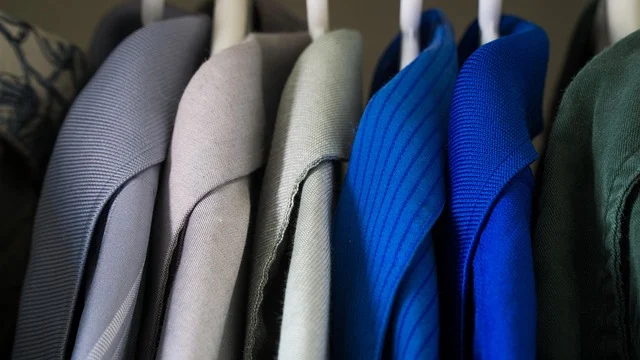
Casual dressing centers on functional comfort and individual preference. The goal is to appear put-together without appearing overly structured. Well-fitting dark or medium-wash denim, tailored chinos, neat shorts, soft jersey t-shirts, crewneck sweaters, and high-quality knitwear form the backbone of a casual outfit. For casual warm-weather settings, athletic shorts styled intentionally with polished tops like a crisp linen button-down or structured tee and clean retro sneakers offer a practical yet refined look, as noted by ELLE.
Smart casual and business casual
Smart casual bridges relaxed everyday wear and traditional business attire. It replaces distressed denim and graphic tops with structured, clean-lined garments. Effective options include tailored trousers or slim chinos paired with a button-down shirt, a fine-gauge merino wool sweater, or a crisp blouse. Adding an unlined blazer, an unstructured jacket, or tailored knitwear immediately sharpens the overall look. Footwear should shift from gym sneakers to leather loafers, dress boots, sleek minimalist sneakers, or refined flats.
Semi-formal and cocktail attire
Semi-formal and cocktail events require high-quality fabrics and precise tailoring. Women often select a tailored midi dress, an elegant jumpsuit, or a sharp skirt and blazer set. Meanwhile, men typically wear a dark tailored suit with a dress shirt, optional tie, and polished dress shoes. As a result, these occasions demand richer textures like silk, satin, fine wool, or structured crepe, making cocktail garments appropriate for evening dinners, gallery openings, and celebration parties.
Formal and black-tie attire
Formal settings leave little room for casual interpretation. Black-tie dress codes call for floor-length gowns, formal cocktail dresses of exceptional tailoring, or dark tuxedos paired with black bow ties, crisp formal shirts, and patent leather shoes. When an event specifies formal attire, maintain clean lines, subtle accessories, and precise tailoring to respect the ceremonial nature of the gathering.
| Dress Code | Key Upper Garments | Key Lower Garments | Recommended Footwear | Common Pitfalls |
|---|---|---|---|---|
| Casual | T-shirts, polo shirts, sweaters, light jackets | Jeans, chinos, athletic shorts, casual skirts | Clean sneakers, loafers, sandals | Wearing stained, overly worn, or wrinkled garments |
| Smart Casual | Button-down shirts, blouses, knit polos, blazers | Tailored chinos, dark wash jeans, midi skirts | Leather loafers, dress boots, tailored flats | Choosing overly casual footwear like gym shoes |
| Semi-Formal | Tailored blazers, dress shirts, silk tops | Dress trousers, pencil skirts, midi dresses | Heels, leather dress shoes, polished loafers | Wearing overly casual outerwear or unpressed shirts |
| Formal / Black-Tie | Tuxedo jackets, formal evening tops | Formal trousers, floor-length gowns | Patent leather shoes, formal evening heels | Deviating from traditional black-tie color palettes |
What should you wear for specific occasions?
Applying general dress codes to real-world scenarios requires considering the specific location, duration, and tone of the event.
Job interviews and internship environments
When preparing for an interview, prioritize neatness, fit, and industry context. Corporate roles in finance, law, or executive management require traditional tailored suits in conservative shades like navy, charcoal, or black. Creative, technology, or startup environments call for a polished smart casual presentation.
A practical example: Sarah, a recent graduate, was unsure what to wear for her first internship interview. Instead of opting for a full suit, she chose a well-tailored blazer over a crisp white shirt and smart, dark-wash trousers. This struck the perfect balance between professional and approachable, aligning with advice from New York Magazine’s ‘Ask the Strategist’ for internship attire.
First dates and social outings
Selecting date night outfits requires balancing personal style with venue appropriateness. You want an outfit that signals effort without feeling overly restrictive or staged. For casual coffee or drink dates, pair high-waisted dark jeans or tailored trousers with a soft knit top or a relaxed button-down. For evening venues, choosing curated outfits such as a slip dress layered under a blazer or a sharp jacket paired with dark denim provides comfort while looking refined.
Weddings and celebratory events
Wedding guest attire depends on time of day, venue, and explicit dress codes on the invitation. Summer daytime outdoor weddings suit breathable flowy dresses, tailored linen trousers, or light-colored blazers. Evening receptions call for dark suits or floor-length gowns. Guests should avoid white or ivory clothing to respect the couple. Also, avoid overly sheer materials, and choose footwear appropriate for surfaces like lawn grass or sand.
Sporting events and outdoor festivals
Attending live sporting events or multi-day festivals demands mobility, sun protection, and weather adaptability. For example, individuals attending high-energy outdoor events like Formula 1 races often opt for an edgy yet functional style, incorporating sleek leather or denim layers, practical footwear, and dark sunglasses as highlighted in veranda.com’s event style guide.

How do you dress for different weather conditions and temperatures?
As highlighted by weather outfit guidance platforms like Forecast Style and WearForWeather, checking the forecast is essential before selecting your clothes. Ambient temperature, wind velocity, humidity, and sun exposure determine how comfortable a specific combination will feel throughout the day.
Hot weather (above 75°F / 24°C)
In hot weather, prioritize natural, breathable fabrics that permit air movement and absorb moisture. Fabrics such as pure linen, light cotton, and rayon keep skin cool. Light-colored clothing reflects solar heat rather than absorbing it. Optimum selections include breathable sundresses, linen shorts, wide-leg lightweight trousers, and loose-fitting blouses paired with open-toe sandals or breathable mesh sneakers.
Mild and transitional weather (55°F to 75°F / 13°C to 24°C)
Transitional seasons like spring and autumn require flexible outerwear because temperatures can fluctuate significantly from morning to evening. A classic trench coat, lightweight puffer jacket, or unlined denim jacket provides easy protection against morning chills. Layering a light sweater or button-down over a base tee allows you to adjust your temperature easily throughout the day.
Cold weather (below 55°F / 13°C)
Cold weather calls for a functional three-layer thermal strategy:
- Base layer: Moisture-wicking fabrics like merino wool or synthetic thermals that draw sweat away from the body.
- Insulating mid-layer: Fleece, heavy knitwear, or down vests that trap ambient body heat.
- Protective outer shell: Windproof and waterproof coats that block exterior precipitation and gusty winds.
Specific weather conditions alter temperature perception. A sunny 70°F (21°C) day with a gentle breeze feels comfortable in short sleeves, whereas a windy, overcast 70°F day can feel noticeably chilly, requiring a sweater or light coat. Services like Whether Wearr offer weather-integrated dressing recommendations based on live microclimate metrics including wind shear and humidity. Adding functional items like wool scarves, lined gloves, and structured beanies completes cold-weather thermal defense.

How do you build a versatile capsule wardrobe?
A functional closet relies on versatility rather than sheer volume. Building a streamlined capsule wardrobe enables you to construct dozens of distinct outfits from a minimal set of high-quality garments.
Essential foundational garments
Focusing on timeless items ensures every garment pairs naturally with others. Start your core collection with these fundamental items:
- Crisp white t-shirt: A clean crewneck in medium-weight cotton functions as a base for blazers or stands alone with denim.
- Dark-wash jeans: Well-fitted dark denim transitions smoothly between casual weekend outings and smart casual workplaces.
- Tailored blazer: A single-breasted blazer in navy, black, or camel adds structure to simple tees or dresses.
- Classic neutral dress or suit: A versatile Little Black Dress or dark suit serves as a reliable solution for unexpected formal invitations.
- Versatile footwear: Sleek leather loafers and clean white minimal sneakers address both formal and casual needs.
Incorporating current trends into core basics
Current style directions feature two main philosophies: refined ’90s minimalism with clean lines and neutral tones, and vibrant maximalism highlighting bold colors and textured statement pieces. Major publications like Vogue and Elle consistently highlight tailored trousers, fluid midi skirts, and classic trench coats as ideal core investments that bridge these aesthetic movements.
The rise of ‘Quiet Luxury’ emphasizes high-quality tailoring, premium textiles, and clean silhouettes without visible brand logos. Simultaneously, ‘Athleisure 2.0’ blends activewear performance smoothly into tailored clothing—such as styling performance stretch trousers under a structured wool coat. Incorporating subtle sheer fabrics, metallic details, or artisanal textures introduces individuality without overwhelming core basics.
Environmental and financial benefits
Investing in durable, multi-functional garments reduces personal wardrobe expenses over time and supports sustainable consumption. According to data from the Environmental Protection Agency (EPA), textile manufacturing and discarded garments generate substantial industrial landfill waste annually. Selecting durable fabrics and timeless cuts reduces garment disposal while simplifying daily outfit selection.

How do accessories, colors, and proportions balance an outfit?
The difference between basic clothing and a thoughtful outfit relies on balance, proportion, and strategic accessory choices.
Understanding visual proportions
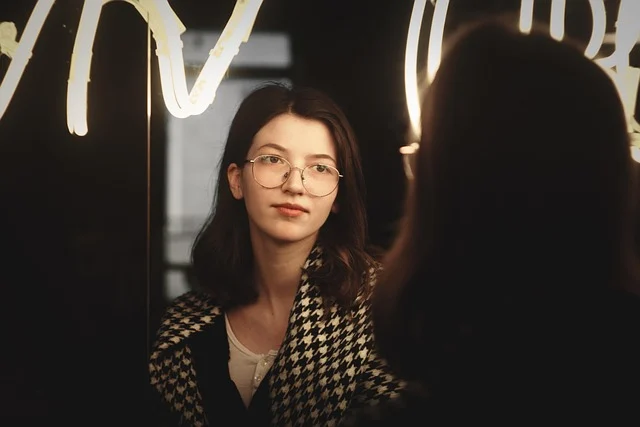
Creating visual balance prevents outfits from looking unstructured or overwhelming. Follow these core proportion techniques:
- Rule of thirds: Divide your body visually into a 1/3 top section and 2/3 bottom section. Tuck in your top or pair high-waisted trousers with cropped jackets to lengthen leg line appearance.
- Volume balancing: Pair oversized garments with slim-fitting pieces. Combine wide-leg trousers with a fitted top, or style an oversized knit sweater over slim trousers.
- Texture contrast: Combine contrasting materials—such as leather with soft knits or smooth silk with structured wool—to add depth to monochromatic outfits.
Strategic use of accessories
Accessories transform simple base items into customized looks. A versatile silk scarf provides exceptional versatility; it can be styled around the neck, tied to a handbag handle, or worn as a standalone scarf top during warmer months. Chunky gold jewelry adds warmth to minimalist outfits, while a structured leather tote anchors business wear and a compact crossbody bag supports active daytime errands.
Color coordination rules
To build coherent outfits effortlessly, apply established color balance formulas:
- Monochromatic palette: Wear varying shades, tints, and textures of a single color family (such as cream, beige, and camel) for a polished appearance.
- 60-30-10 color balance: Anchor your outfit with a dominant neutral color (60%), introduce a secondary complimentary tone (30%), and add a vibrant accent color via accessories or footwear (10%).
- Neutral grounding: Combine vibrant pattern pieces with neutral anchors like black, navy, or off-white to maintain focus without visual clutter.
What common dressing mistakes should you avoid?
Avoiding frequent wardrobe missteps ensures your outfits always look deliberate, clean, and flattering.
Ignoring proper clothing fit
Wearing clothing that is either too tight or disproportionately baggy degrades the appearance of high-quality fabrics. Shoulder seams should rest precisely at your natural shoulder line, trouser hems should break cleanly over shoe tops, and waistbands should sit flat without binding. Simple alterations by a tailor transform off-the-rack garments into perfectly proportioned pieces.
Neglecting clothing care and shoe maintenance
Wearing wrinkled shirts, pilled knits, or scuffed footwear ruins an otherwise well-planned outfit. Regular steaming or ironing, lint removal, and proper hanger storage maintain fabric structure. Footwear requires routine cleaning and polishing; podiatry specialists note that worn heel caps and unsupported soles impair posture and cause long-term foot discomfort.
Over-indexing on short-lived trends
Purchasing fleeting fast-fashion micro-trends often leaves closets filled with incompatible items. Selectively adopt trends that align with your personal aesthetic and existing color palette.
Frequently asked questions
What are the top fashion trends for Summer 2026?
Summer fashion focuses on breathable linen, light cottons, vibrant maximalist prints, and ’90s minimalist silhouettes. Sheer fabrics, tailored midi skirts, and statement accessories like chunky jewelry and scarf tops are prominent staples.
How can I build a versatile capsule wardrobe on a budget?
Start by auditing your current closet to identify solid neutral basics like dark denim, white t-shirts, and structured blazers. Purchase high-quality second-hand items or shop sales for durable foundational pieces, evaluating clothing by cost-per-wear rather than upfront price.
What is considered ‘smart casual’ for a work event?
Smart casual combines tailored structure with relaxed comfort. Men can pair dark chinos or trousers with a button-down shirt, knit polo, and leather loafers, while women can wear tailored trousers or midi skirts with a silk blouse or fine-knit sweater.
How do I choose what to wear for a first date?
Choose an outfit that reflects your personal style while matching the venue atmosphere. A structured blazer paired with dark denim, a clean button-down shirt, or a fluid slip dress offers a clean, confident look without feeling stiff.
What should I wear to a job interview in 2026?
Select tailored separates or a formal suit in dark navy, charcoal, or neutral tones. For creative or informal companies, combine a clean tailored blazer with dark trousers and a crisp white shirt to present a professional yet approachable image.
Is it okay to wear athletic shorts in public in 2026?
Yes, athletic shorts are widely accepted in casual settings when intentionally styled with structured tops, crisp button-downs, or elevated knitwear and clean retro sneakers. Avoid wearing them to professional, semi-formal, or formal events.
How can I adapt my wardrobe for seasonal changes?
Focus on versatile layering pieces like lightweight sweaters, trench coats, and denim jackets. These transition easily between warm and cool temperatures. Next, use seasonal accessories like wool scarves or lightweight linen wraps to adjust to changing microclimates.


