













When deciding what to wear to an interview, aim for one level of formality above the company’s daily dress code, favoring tailored neutral clothing like a navy suit, structured blazer, or crisp button-down. Ensure every piece is clean, wrinkle-free, and well-fitted so your visual presentation conveys competence before you speak.
Most job candidates spend hours practicing interview responses while treating their outfit as an afterthought. Visual cues create an immediate subconscious impression that affects how an interviewer evaluates your competence, preparation, and fit for the role. Choosing an appropriate outfit is a practical strategy to eliminate potential distractions and show respect for the organization.
How do you determine a company’s dress code before an interview?
Before selecting clothing, you must gather accurate information about the organization’s work environment. Modern workplaces range from traditional corporate environments to relaxed startup offices, making a single dress standard obsolete. Following a structured research process helps you identify expectations accurately.
- Examine official company channels: Visit the organization’s website, official social media pages, and recruitment videos. Look at photos of current employees in work settings rather than staged marketing materials.
- Analyze the industry standard: Roles in legal, financial, executive, and government sectors almost always require formal attire. Tech startups, creative studios, and informal trades generally lean toward smart casual or relaxed business casual.
- Consult your recruiter or point of contact: It is standard professional practice to ask HR or your recruiter directly: “What is the typical dress code for your office, and what do you recommend candidates wear for an interview?”
- Apply the one-level-up rule: Once you establish the daily workplace attire, select an outfit that is one degree more formal. If daily wear is casual t-shirts and jeans, wear dark chinos and a collared shirt with a blazer. If daily wear is business casual, wear a tailored suit.
Research published in the Journal of Applied Social Psychology demonstrates that clothing shapes how evaluators form judgments about a candidate’s professionalism and capability. Understanding company culture allows you to align your presentation with what the interviewer expects while avoiding both underdressing and overdressing.

What are the main interview dress codes?
Interview clothing generally falls into three distinct categories: business formal, business casual, and smart casual. The table below outlines how these codes compare in typical interview settings.
| Dress Code Category | Primary Clothing Items | Recommended Footwear | Best Suited For |
|---|---|---|---|
| Business Formal | Two-piece matched suit, button-down dress shirt or conservative blouse, silk tie (optional for women) | Polished leather oxfords, derbies, dark leather pumps, or tailored leather flats | Finance, law, corporate management, government, executive positions |
| Business Casual | Tailored trousers, chinos, midi skirts, collared shirts, blouses, fine-knit sweaters, unstructured blazers | Leather loafers, brogues, modest heels, refined flats, ankle boots | Tech management, healthcare administration, marketing agencies, education, sales |
| Smart Casual | Dark unwashed jeans or chinos, crisp button-down or high-quality tee, structured jacket or knitwear | Clean minimal leather sneakers, suede loafers, chelsea boots, quality flats | Creative studios, early-stage tech startups, design firms, casual retail |
Business formal: conservative suits and precise tailored fits
Business formal attire remains the mandatory standard for traditional corporate environments. The core requirement is a tailored two-piece suit in a neutral shade such as navy blue, charcoal gray, or deep black. Bright, flashy fabrics or bold pinstripes can draw focus away from your qualifications.
Pair the suit with a long-sleeved dress shirt or shell in solid white, pale blue, or soft cream. For men, a conservative necktie made of silk or woven fabric with a simple pattern completes the silhouette. Women can opt for either a pant suit or a skirt suit featuring a hemline that reaches at or below the knee, combined with closed-toe leather shoes.
According to Forbes Vetted’s 2026 guide, a suit that fits impeccably can make a 25% difference in perceived professionalism compared to an ill-fitting ensemble. Ensure the jacket shoulders sit flat, sleeves end at the wrist bone, and trousers fall with a clean, subtle break over the shoes.
Business casual: flexible yet refined coordination
Business casual is the most common interview dress code across mid-sized businesses, tech companies, and service industries. It provides flexibility while maintaining a clean, structured appearance without requiring a matching two-piece suit.
Men can wear flat-front chinos or wool trousers paired with a button-down oxford shirt or dress shirt. Adding a tailored blazer or sport coat creates a clean outline without feeling overly stiff. Ties are usually optional in business casual settings, though wearing one can elevate a simple trousers-and-shirt combination.
Women can select tailored slacks, dark dress pants, or pencil skirts paired with silk blouses, high-grade knit tops, or button-down shirts. A tailored blazer, structured cardigan, or knee-length wrap dress works exceptionally well. Footwear should remain professional, such as leather loafers, pointed flats, or low-to-medium block heels.
The Interview Guys noted in their 2026 guide that 51% of hiring managers believe business casual is the most common interview dress code. However, business casual still demands sharp ironing, proper fit, and tucked-in shirts.
Smart casual and creative roles: balancing individual style with structure
In creative fields, software engineering, and modern tech startups, standard suits can sometimes communicate a lack of understanding regarding daily company culture. Smart casual allows you to demonstrate personal style while remaining polished.
The foundation of a smart casual outfit includes dark-wash, un-distressed denim or well-fitted chinos. Pair these bottoms with a high-quality button-down shirt, a structured fine-gauge knit sweater, or a clean crewneck under an unstructured wool or cotton blazer. Shoes should be pristine; clean minimalist leather sneakers, suede Chelsea boots, or classic leather loafers are ideal.
Streetstylis.com, in its May 2026 feature, showcased interview outfits for creative roles that included items like a $65.97 well-fitted blazer over a graphic tee and dark jeans, demonstrating how to blend style with professional intent. When selecting creative attire, ensure the blazer or jacket provides structure so the overall profile remains neat.
How should you dress for a virtual video interview?
Video interviews require specific attention to lighting, high-contrast colors, and upper-body framing. While you might assume only the top half of your body matters, dressing completely from head to toe improves posture, focus, and overall mindset during the call.
- Select jewel tones or solid dark neutrals: Sapphire blue, emerald green, navy, charcoal, and burgundy perform exceptionally well on webcams. Avoid plain white tops, which can wash out under bright lights, and solid black tops, which can obscure detail.
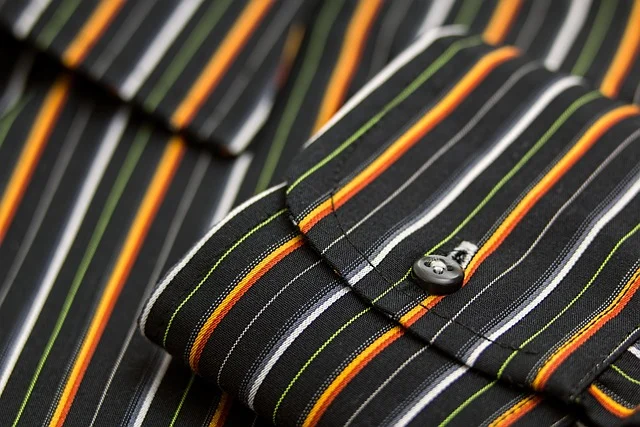
- Avoid fine patterns and stripes: Fine pinstripes, small houndstooth, and dense grid patterns create a distracting visual shimmer on camera known as the moiré effect. Stick to solid colors or large, subtle textures.
- Dress fully from waist to floor: Unexpected situations—such as needing to adjust your camera, close a door, or fetch a document—happen frequently. Wearing pajama bottoms or sweatpants with a blazer risks embarrassing mistakes.
- Keep background contrast in mind: Choose an outfit color that contrasts with the wall or room behind you. If your background is dark wood or painted navy, wear a light-colored or mid-tone top so you do not blend into the backdrop.
Indeed.com’s 2026 advice emphasizes that even for remote roles, dressing professionally for the interview conveys seriousness. Test your complete outfit on camera under the exact lighting conditions you will use during the meeting to check for glare, strange shadows, or low contrast.

What should you wear for specific industries?
Different commercial sectors have developed distinct visual standards. Tailoring your choices to specific industry norms demonstrates immediate understanding of the field.

Tech and software development
Tech companies value functional, practical attire over rigid formality. For engineering and product roles, tailored chinos or dark denim paired with a long-sleeve oxford shirt, merino wool sweater, or soft-structured blazer strike the right tone. For leadership roles in tech, step up to a sharp business casual outfit with tailored trousers and a sleek blazer.
Finance, law, and consulting
Financial institutions, law firms, and management consultancies mandate strict business formal standards. A charcoal or navy wool suit, crisp white dress shirt, conservative silk tie, and oxfords are required for men. Tailored pant suits, skirt suits, or sheath dresses with matching structured jackets are standard for women. Accessories should remain minimal and traditional.
Healthcare and medical administration
Clinical interviews may sometimes involve walk-throughs of patient spaces, requiring neat, sensible business casual clothing. Choose durable, professional slacks, button-downs, or blouses paired with comfortable closed-toe footwear. For executive healthcare roles, lean fully toward business formal attire.
Education and non-profit organizations
Educational institutions and non-profit organizations prefer approachable, refined attire. Business casual works best: tailored slacks, knee-length skirts, woven blouses, button-downs, and cardigans or unstructured jackets. Colors can be slightly warmer or more approachable than traditional corporate charcoal and black.
Creative arts, marketing, and retail management
Creative roles allow for contemporary silhouettes, subtle pattern play, and fashionable accessories. Incorporate stylish layering—such as a tailored trench, a modern blazer, or high-quality loafers—while avoiding distressed fabrics, extreme trends, or overly casual items.
What grooming standards and accessories complete your look?
Clothing forms only part of your visual presentation; grooming and accessories frame the entire outfit. Neglecting these details can undo the polish of an otherwise expensive ensemble.
Beyond basic cleanliness, pay close attention to garment care and personal presentation:
- Garment condition: Use a steamer or iron on all garments the night before. Run a lint roller over wool items, blazers, and dark slacks immediately before leaving your home. Ensure no loose threads, missing buttons, or frayed collars are present.
- Hair and facial hair: Hair should be clean and neatly styled away from your face. Facial hair must be cleanly shaved or crisply trimmed along the neck and cheek lines.
- Nails and hands: Hands are highly visible when gesturing or shaking hands. Ensure fingernails are clean, trimmed, and free of chipped polish.
- Fragrance policy: Avoid wearing cologne, perfume, or heavily scented lotions. Many interviewers have chemical sensitivities or allergies, and strong fragrances in an enclosed office create immediate discomfort.
- Jewelry and bags: Keep jewelry simple—such as stud earrings, a classic wristwatch, or a simple band. Bring a clean leather padfolio, slim briefcase, or structured tote bag to carry printed copies of your resume.
The Human Capital Hub, in its 2026 guide, stresses that grooming and personal presentation are as vital as the outfit itself for leaving a positive lasting impression. Additionally, Coursera’s 2026 guide reiterates that accessories should enhance, not distract, from your professional demeanor.
How do you build a professional interview outfit on a budget?
Looking polished and tailored does not require spending significant money. You can build a versatile interview outfit for under $100 by focusing on key separates, neutral colors, and proper fit.
Consignment shops, thrift stores, and outlet sales often stock classic wool blazers, dress trousers, and brand-name suits at heavily discounted prices. Look for solid dark navy or charcoal pieces made from natural wool or high-grade cotton blends, as synthetic shiny materials can appear cheap under office lighting.
Prioritize spending on basic tailoring over brand logos. Taking an inexpensive department store suit or thrifted blazer to a local tailor to shorten sleeves or hem trouser legs transforms an average garment into a sharp, custom-looking outfit. As The Interview Guys noted, budget-friendly solutions can significantly impact your confidence without straining your finances, with many starting around $100 for a basic ensemble.
What items should you never wear to an interview?
Certain clothing items carry negative connotations across all industries and should be completely avoided when selecting interview attire.
- Athletic and leisure wear: Sweatpants, leggings, hoodies, athletic shorts, gym shoes, and baseball caps communicate that you are not treating the interview seriously.
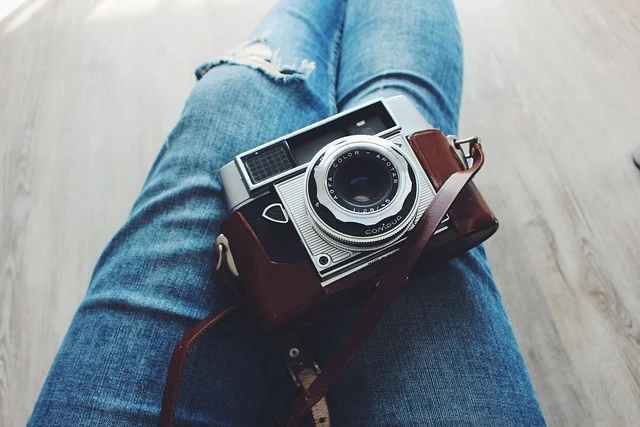
- Distressed or overly casual denim: Jeans with visible rips, frayed hems, bleached washes, or decorative whiskering are never appropriate for an interview setting.
- Wrinkled, stained, or ill-fitting garments: Clothing that is overly tight, drooping, stained, or heavily creased gives an impression of poor attention to detail.
- Overly revealing clothing: Low-cut tops, sheer fabrics without undershirts, extremely short skirts, or unbuttoned shirts create discomfort in a professional interview setting.
- Open-toed casual footwear: Flip-flops, slides, sandals, and worn canvas shoes are universally unsuitable. Stick to closed-toe leather, suede, or high-quality dress footwear.
- Garments with offensive graphics or slogans: Avoid t-shirts or jackets displaying political statements, loud brand logos, or aggressive imagery.
Zeolearn notes that anything distracting from your qualifications lowers your overall rating. As highlighted by Resumeway.com in their 2026 guide, neglecting to avoid common mistakes can be detrimental to an otherwise strong application.
How should you prepare your outfit the day before the interview?
Avoid last-minute decisions on the morning of your interview by completing a practical preparation routine 24 hours in advance.
- Complete a full outfit try-on: Put on every item you intend to wear—including socks, underwear, belt, shoes, and jacket. Sit down in a chair in front of a mirror to verify that skirts do not ride up uncomfortably, jacket buttons do not pull, and shirt collars sit flat.
- Inspect for spots and damage: Check seams, underarms, and hemlines under bright light to catch stains, pet hair, or loose threads.
- Press and steam every layer: Iron dress shirts and press pants trousers to set clean front creases. Hang everything on sturdy wooden or padded hangers.
- Polish your footwear: Wipe away dirt from your shoes and apply leather conditioner or polish to remove scuff marks along the toes and heels.
- Check the weather forecast: Prepare appropriate outerwear if rain or cold weather is expected. Bring an umbrella and coat that layer neatly over your suit or blazer without crushing the fabric.
Frequently asked questions
What should I wear if I am unsure of the exact company dress code?
If you cannot confirm the dress code through research or recruiter outreach, choose a business casual outfit anchored by a tailored dark blazer. A structured blazer paired with dress slacks or chinos and polished leather shoes sits comfortably between formal and informal standards without underdressing.
Can I wear dark jeans to a job interview?
You can wear dark jeans only if you are interviewing at a company known for a smart casual or creative culture, such as a tech startup or design agency. Ensure the jeans are dark indigo or black, completely free of fading or rips, and paired with a crisp collared shirt and tailored blazer.
What shoes are most appropriate for an interview?
Clean, conservative leather or suede footwear is ideal. For formal interviews, choose black or dark brown leather oxfords, derbies, or closed-toe leather pumps. For business casual, classic leather loafers, brogues, ankle boots, or refined leather flats provide structured polish.
Should I wear a suit jacket for a virtual video interview?
Wearing a suit jacket or structured blazer for a video call helps establish strong visual presence on camera. It frames your shoulders neatly against the screen and signals to the interviewer that you treated the remote meeting with the same care as an in-person appointment.
Are visible tattoos and nose piercings acceptable during an interview?
Acceptance of visible tattoos and facial piercings depends heavily on the industry and individual company culture. Creative, tech, and modern retail environments are generally accepting, whereas corporate finance, law, and traditional administrative sectors remain conservative. When in doubt, select subtle jewelry and long-sleeved options for the initial interview.


