













Wearing a sweater as a dress creates a comfortable, polished outfit when you select substantial fabrics like merino wool, cashmere, or cotton blends that reach the mid-thigh, knee, or ankle. Defining the waist with a belt and matching your footwear to the formality and texture of the knit ensures proper proportions and shape.
To turn an oversized knit into an intentional dress, the garment must have sufficient density and length so it does not ride up during movement. Choosing the right weight, balancing tight and loose proportions, and adding slip layers prevent common pitfalls like sheer fabric, static cling, or lost silhouette definition.
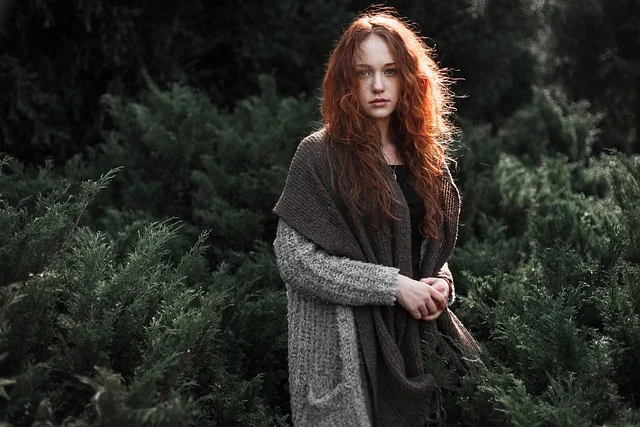
What Sweater Dress Works Best? Fabrics, Gauge, and Hemlines
When selecting a knit to wear as a dress, the structure of the garment depends on fabric composition and knit gauge. Fine-gauge knits lie flat against the body, making them ideal for streamlined midi lengths, while heavy gauge cable knits provide warmth and structure for shorter hemlines.

- Merino Wool: Naturally breathable, temperature-regulating, and elastic. Maintains its shape over long hours without sagging at the seat or knees.
- Cashmere: Soft and lightweight with a high-end drape. Requires a slip underneath to prevent static and stretch-out.
- Cotton and Cotton Blends: Dense, non-irritating, and structured. Great for transitional spring and autumn weather, though heavier in longer lengths.
- Ribbed Synthetics (Viscose/Nylon): Provides strong recovery and bounce-back stretch, hugging contours without growing loose throughout the day.
Length determines both coverage and styling choices. A long sweater worn as a dress should end at least at the lower mid-thigh when relaxed. If the hem rises above mid-thigh when sitting or walking, pair it with opaque tights or fitted bike shorts beneath.
| Sweater Type | Fabric Density | Optimal Hemline | Best Silhouette |
|---|---|---|---|
| Oversized Chunky Knit | Heavy gauge / Cable knit | Mid-thigh to Knee | Relaxed, belted, or boxed |
| Ribbed Column Knit | Medium fine gauge | Midi to Ankle | Body-conforming, sleek |
| Turtleneck Knit | Medium gauge merino/cashmere | Knee to Midi | Straight drape, classic workwear |
| A-Line / Fit-and-Flare Knit | Fine gauge blend | Knee length | Fitted bust, flaring hem |
How to Dress a Sweater Dress: Step-by-Step Styling
Styling a sweater dress requires deliberate structural balance. Because sweater dresses lack internal tailoring like boning, waistbands, or darts, shape must be created using proportions and accessories.
- Establish the Base Layer: Put on a smooth microfiber slip or high-waisted smoothing shorts. This prevents the sweater knit from clinging to tights or catching on undergarments.
- Define the Waist (Optional): If wearing an oversized sweater as a dress, place a leather belt at your natural waist. Blouse 1–2 inches of fabric over the belt to soft-blur the midsection while retaining proportion.
- Select Complementary Footwear: Match footwear height to the hemline. Combine a short sweater dress with knee-high or over-the-knee boots to close the gap between footwear and hem. For midi knits, pick ankle boots or sleek heels that leave skin or tight visible.
- Layer Structural Outerwear: Pair slouchy or soft knits with tailored outer layers like a structured wool trench, long tailored coat, or leather jacket to create clean exterior lines.
Sweater Dress with Boots
Boots ground heavy knits and balance volume. Pair oversized slouchy knits with fitted leather or suede knee-high boots. Slim-fitting ribbed midi sweater dresses look balanced with chunky lug-sole ankle boots or flat leather riding boots, creating a contrast between delicate lines and heavy soles.
What Kind of Sweater to Wear with a Dress
Instead of wearing a standalone sweater dress, you can layer a standard sweater over a slip, bias-cut silk, or shirt dress to convert it into a two-piece outfit. The key to this technique is controlling the volume of both pieces.
- Cropped Boxy Sweaters: Best worn over midi or maxi slip dresses. The high hemline meets the waist naturally without needing to be tucked in.
- Oversized Crewneck Sweaters: Layer over thin satin or floral dresses. Use a skinny belt around your waist, then tuck the bottom edge of the sweater up into the belt to create a cropped, belted effect.
- Button-Down Cardigans: Wear unbuttoned over a fitted sheath dress, or buttoned fully and worn backward for a clean high-neck look over a flared skirt dress.
How to wear a long sweater as dress for work or events
A sweater dress can fit multiple dress codes depending on fabric weight, fit, and styling choices.
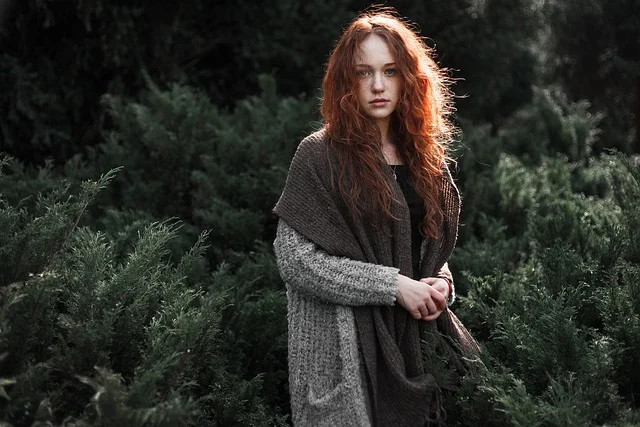
Is Sweater Dress Business Casual?
Yes, a sweater dress is appropriate for business casual environments when it meets specific modesty and structure standards. Choose fine-gauge merino wool or cotton blends in neutral colors (black, navy, camel, charcoal, cream). Ensure the hem reaches the knee or lower, and select elevated necklines such as mock necks, turtlenecks, or modest crewnecks. Pair with a tailored blazer, opaque tights, and leather pumps or refined ankle boots.
Is Sweater Dress Formal?
A sweater dress is generally not suitable for formal, black-tie, or white-tie events. However, for semi-formal or winter cocktail occasions, a fine-gauge knit in cashmere or metallic-ribbed thread can work. Select floor-length column cuts or asymmetrical wrap styles, elevated with metallic jewelry, sleek pumps, and evening clutches.
Can Sweater Dresses Be Hemmed or Altered?
Yes, sweater dresses can be altered, but the process differs significantly from woven garment tailoring due to the nature of knit construction.

Can Sweater Dresses Be Hemmed?
Hemming a sweater dress requires securing the raw cut edges to prevent the yarn from unravelling. Fine-gauge machine knits can be cut, serged (overlocked), and blind-stitched up by a professional tailor experienced with knits. Chunky or hand-knitted sweater dresses cannot simply be cut; instead, they must be hand-unravelled to the desired length and re-bound by hand casting off the loose loops.
Can Sweater Dresses Be Altered?
Side seams, shoulder straps, and sleeves can be taken in on fine and medium-gauge sweater dresses. Tailors lock the interior knitted seams using a stretch stitch or coverstitch. If a sweater dress is too long but you do not wish to cut it permanently, use a thin elastic belt at the waist and blouson the extra fabric over top to shorten the hem visually.
Body Type Styling: Petite, Tall, and Plus Size Sweater Dresses
Different body frames require specific silhouette adjustments to keep knit fabric from overwhelming the body.
Petite Frames
Avoid heavy, ankle-length chunky knits that visually shorten the body. Choose hemlines that fall 2–3 inches above the knee or fitted ribbed midi lengths with side slits. Monochromatic outfits—matching tights and boots to the knit color—elongate the vertical line.
Plus Size and Curvy Frames
Look for medium-weight vertical ribbing, wrap-style sweater dresses, or V-necklines that break up horizontal width across the chest. Tie-waist belts allow adjustable shaping without squeezing. Dense, high-recovery fabrics keep shape across curves without clinging excessively.
Tall Frames
Tall body types excel in sweeping midi and maxi length sweater dresses, cable knits, and voluminous oversized sweater styles. Experiment with bold color blocking, wide leather belts, and mid-calf boots without breaking vertical balance.
Common Sweater Dress Mistakes and How to Fix Them
Avoid these frequent mistakes when wearing knits as dresses:
- The Sweater Is Too Short: Wearing an oversized sweater that lifts dangerously high when reaching or bending. Fix: Layer over a lace-trim slip dress or wear opaque 80+ denier tights underneath.
- Bulky Knit with Delicate Shoes: Pairing a thick cable-knit mini dress with thin stilettos creates a top-heavy imbalance. Fix: Swap thin heels for block heels, lug-sole boots, or tall leather boots.
- Fabric Sagging at the Seat: Sitting for hours in lightweight unlined knits causes fabric extension. Fix: Wear a smooth nylon slip underneath to reduce friction, and select knits with 3-5% elastane or high-twist merino wool.
- Static Cling: Synthetic knits cling awkwardly to tights or bare legs. Fix: Spray static remover between the layers or wear a non-static anti-static slip.
Washing, Drying, and Storing Knitwear
Proper maintenance protects knit fibers, prevents pilling, and preserves garment length over time.

Washing Guidelines
Wash wool and cashmere sweater dresses sparingly—often a gentle spot clean or steam air-out is enough. When washing, submerge in cold water with wool-safe liquid detergent. Gently squeeze water through the fibers without twisting or wringing, which distorts the shape.
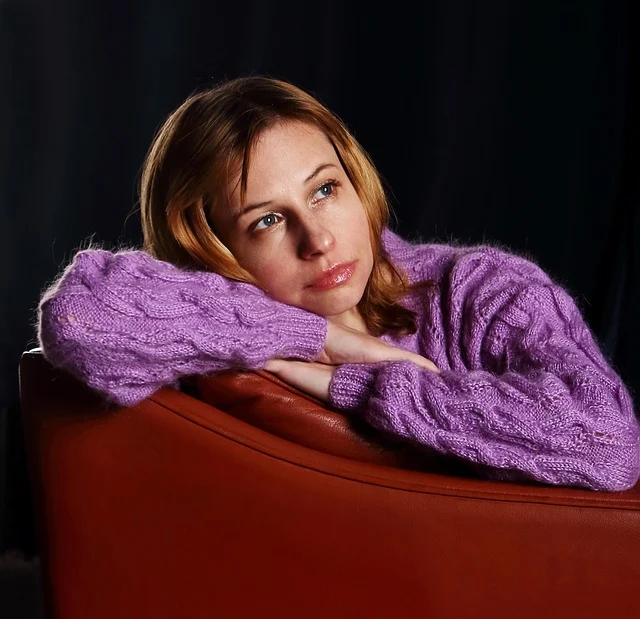
Drying and Storage
Lay the garment flat on a clean dry towel, roll it gently to absorb excess water, then reshape and lay flat on a drying rack away from direct sunlight. Never hang wet or dry sweater dresses on coat hangers; gravity will stretch the shoulder seams and lengthen the sweater permanently into a misshapen bag. Fold knits loosely and store them flat in cotton storage bags with cedar inserts to protect against moths.
Related guides
Frequently asked questions
How do I stop my sweater dress from itching?
Wear a long-sleeve modal or cotton slip layer beneath the knit to act as a barrier. Soaking wool in cold water mixed with a tablespoon of hair conditioner for 15 minutes can also soften coarse natural fibers.
Can you wear sneakers with a sweater dress?
Yes. Low-profile leather sneakers or classic athletic shoes pair well with casual ribbed mini or midi sweater dresses. Keep the knit style relaxed and add a crossbody bag or denim jacket for a complete casual look.
How do I prevent pilling on my sweater dress?
Pilling occurs when loose fabric fibers rub together during movement. Wash knits inside out on delicate cycles, avoid shoulder bags that rub constantly against the bust or sides, and use a battery-operated fabric shaver or sweater comb to remove bobbles regularly.
Can I wear a sweater dress during warm spring weather?
Yes, provided you choose open-knit cotton, linen-blend, or fine short-sleeve sweater knits in pastel or lighter shades, paired with open-toe sandals or mules.


