












Nike Air Max 95 vs. Air Max 97: Which Iconic Sneaker Reigns Supreme? The Air Max 97 wins for sleek futuristic styling and all-day plushness. Meanwhile, the Air Max 95 excels in anatomical streetwear heritage, structured forefoot support, and a broader fit. Choose streamliner aesthetics with edge-to-edge cushioning or rugged layered character with flexible multi-density air units.
Both models represent watershed moments in performance running history that transitioned into enduring lifestyle staples. Choosing between them comes down to specific foot mechanics, how you style your wardrobe, and the type of cushioning feel you prefer underfoot.
How do the origins and design philosophies differ?
The Air Max 95 and Air Max 97 grew out of completely different design inspirations, resulting in distinct visual personalities and structural layouts.
Designed by Sergio Lozano, the Air Max 95 broke away from Nike’s conventional running shoe aesthetic. Lozano drew inspiration from human anatomy: the midsole represents the spine, the layered side panels imitate muscle fibers, the canvas lace loops emulate ribs, and the breathable top mesh acts as skin. Beyond its organic concept, the 95 was the first shoe to incorporate visible Air cushioning into the forefoot as well as the heel. The original grey-to-black gradient upper paired with vibrant neon accents was purposefully designed to hide dirt during off-road runs while standing out visually on urban streets.
Two years later, designer Christian Tresser took a hyper-futuristic approach with the Air Max 97. Drawing visual cues from Japanese high-speed bullet trains (shinkansen), liquid ripples in a pond, and the polished metallic finishes of mountain bikes, Tresser created a shoe defined by speed and fluidity. Its structural milestone was the introduction of the first continuous, full-length visible Air sole unit. Paired with a hidden lacing system and full 3M reflective piping that glowed under low light, the Air Max 97 pushed sneaker manufacturing into an unprecedented futuristic territory.
Nike Air Max 95 vs. Air Max 97: Which Iconic Sneaker Reigns Supreme?
Fit and sizing differ significantly between these two silhouettes due to their upper materials and lateral construction.

The Air Max 95 generally fits true to size for standard feet. Its lacing system uses heavy canvas eyelet ribbons that wrap down into the midsole, providing thorough midfoot containment. Because the upper features thick suede, synthetic leather, and mesh layers, it feels supportive and structured immediately. However, runners or wearers with wide feet may experience minor pressure across the pinky toe, where the lower panel gradient wraps tightly over the forefoot flex zone.
The Air Max 97 is noticeably narrower and tighter through the toe box and arch. The full-length synthetic leather mudguard that encircles the shoe creates a rigid frame with minimal lateral stretch. Most wearers, especially those with average or wide feet, need to select a half size larger than their standard Nike size to avoid toe cramping. See How to Get Clear, Beautiful Skin: Avoiding Common Pitfalls for additional details on measuring foot width and selecting sneaker sizes.
Underfoot, the two models feel distinctly different:
- Air Max 95 cushioning: Uses independent Air units in the forefoot and heel embedded in a dense polyurethane foam carrier. The segmented design allows the forefoot to flex naturally with your toes while isolating heel strike impact.
- Air Max 97 cushioning: Features a single continuous Air bag stretching from heel to toe. The platform feels firmer and stiffer initially, but delivers a consistent, uniform landing surface from strike to push-off once broken in.
Which sneaker is better for daily walking and standing?
For extended walking on hard city pavement, the Air Max 97 provides a consistent cushion layer across the full footbed. Because the Air volume spans edge-to-edge under the foot, strike shock is evenly distributed, reducing localized heel stress during continuous motion.

However, for standing still for long periods or walking on uneven surfaces, the Air Max 95 often provides better structural stability. The segmented midsole allows your forefoot to bend naturally at the metatarsal joints, whereas the Air Max 97 can feel slightly rigid under the arch. Wearers who require higher arch support usually prefer the Air Max 95, as the 97 features a flatter interior footbed with minimal contoured arch rise.
Weight also plays a subtle role during long days on your feet. The Air Max 95 feels somewhat heavier due to its dense foam midsole carrier and multi-layered suede panels. The Air Max 97 feels lighter in hand, though its synthetic upper holds heat more readily than the ventilated mesh throat of the 95.
Materials, durability, and long-term wear
Understanding how each silhouette withstands daily wear helps set realistic expectations for durability and maintenance.
The upper of the Air Max 95 combines genuine suede, synthetic nubuck, and mesh. Suede panels on classic general releases offer excellent flexibility and abrasion resistance, but they are vulnerable to moisture, water staining, and color transfer if exposed to heavy rain. The top mesh throat allows heat to escape efficiently, but fine dust and dirt can settle deep into the weave over time. Cleaning the 95 requires a dedicated suede brush and dry eraser for the side gradient panels, while avoiding heavy water saturation on genuine nubuck.
The Air Max 97 upper relies primarily on smooth synthetic leather overlays, tight nylon mesh underlays, and retroreflective piping. This synthetic outer skin wipes clean far easier than suede, making it more practical in light rain. However, repeated bending across the toe box will create permanent surface creasing in the synthetic leather, and high-impact scuffs can flake or scrape the metallic paint finishes. The 3M reflective piping can also show fraying along high-rub areas near the collar, and harsh scrubbing brushes should be kept away from the piping seams during routine cleaning.
Outsole grip and Air unit aging also differ across both models:
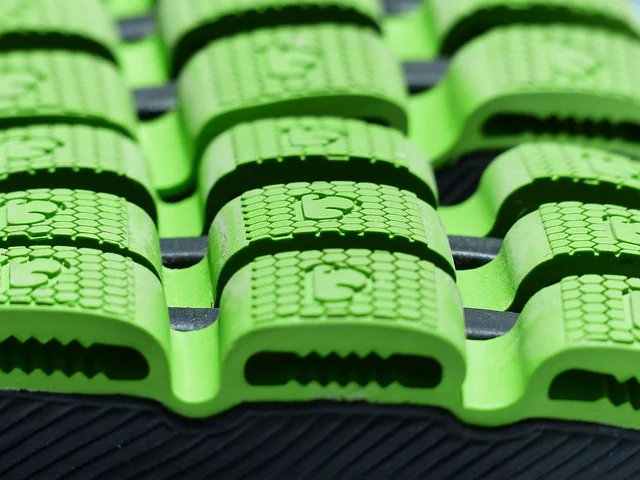
- Air Max 95 outsoles: feature aggressive, deep waffle lugs with forefoot flex grooves that provide strong traction on wet asphalt and park trails. The recessed Air windows are shielded by surrounding foam, protecting clear TPU pods from side scratches.
- Air Max 97 outsoles: use a flatter, low-profile tread pattern optimized for flat pavement rather than loose gravel. Because the full-length Air window surrounds almost the entire perimeter of the sole, exposure to ambient UV light and humidity causes clear TPU windows to develop amber yellowing sooner than on the 95.
How to style the Air Max 95 and Air Max 97
Both sneakers are icons in urban fashion, but their visual proportions lend themselves to different apparel pairings.
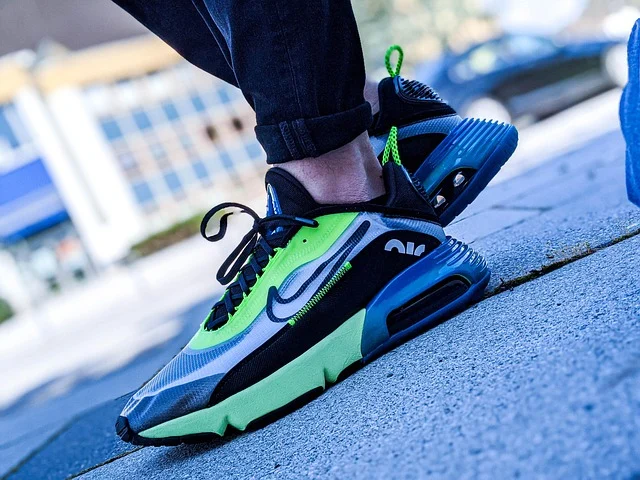
The Air Max 95 has a rugged, sculpted, and substantial aesthetic. Its layered gradient side panels draw immediate visual attention to the foot. It pairs naturally with wide-leg cargo pants, relaxed-fit raw denim, heavy fleece sweatpants, and utilitarian streetwear. Because the shoe is somewhat bulky, wearing it with slim-fitting or tightly cuffed trousers can create an unbalanced top-to-bottom silhouette; loose or relaxed cuts balance its muscular shape best.
The Air Max 97 presents a sleek, fluid, and low-profile appearance. Its continuous wave lines and reflective piping suit clean, modern, and athletic outfits. It pairs smoothly with cuffed track pants, tapered joggers, tailored shorts, and slim or straight denim. The metallic colorways (such as the Silver Bullet or Metallic Gold) act as a focal accent against dark or monochromatic clothing.
Resale value, collectibility, and iconic releases
Both silhouettes hold major significance among collectors, though specific colorways drive resale premiums.
The Air Max 95 original ‘Neon’ (historically dubbed the ‘110’ in the UK due to its original £110 retail price tag) remains one of the most sought-after general retros in sneaker history. Other high-value 95 colorways include ‘Solar Red’, ‘Comet’, and ‘Greedy’. Major brand collaborations with Atmos (such as the ‘Animal Pack’), Stüssy, Corteiz, and Comme des Garçons command steep prices on primary resale platforms.
The Air Max 97 original ‘Silver Bullet’ and ‘Metallic Gold’ versions are equally famous, enjoying frequent re-releases that sell out rapidly. Collaborative masterpieces—such as the Skepta SkAIR editions, Undefeated multi-logo iterations, Off-White reconstructed pairs, and the hybrid Sean Wotherspoon Air Max 1/97—rank among the most valuable Air Max releases ever produced. Collector interest varies between general release retros and original specification releases (such as Big Bubble variants), which command higher premiums due to faithful shape accuracy. For a broader analysis of secondary market dynamics, consult Sneaker Resale Markets: Trends & Tips for 2026.
Air Max 95 vs. Air Max 97 comparison breakdown
Here is how the core features, specifications, and performance qualities of each shoe compare side-by-side:
| Feature | Nike Air Max 95 | Nike Air Max 97 |
|---|---|---|
| Lead Designer | Sergio Lozano | Christian Tresser |
| Inspiration Source | Human anatomy (spine, ribs, muscle, skin) | Bullet train (shinkansen), water ripples, metal bikes |
| Air Cushioning Setup | Segmented forefoot & heel units | Continuous full-length Air sole unit |
| Fit Profile | True to size (slight midfoot tightness) | Narrow & snug (recommend 0.5 size up) |
| Flexibility | High forefoot flex at metatarsals | Stiffer initial step-in, rigid footbed |
| Upper Material Mix | Suede, mesh, synthetic leather, canvas loops | Synthetic leather, nylon mesh, 3M reflective piping |
| Style Profile | Layered, rugged, anatomical, chunky | Streamlined, fluid, futuristic, metallic |
| Best For | Dynamic foot motion, wide feet, cargo streetwear | Smooth heel-to-toe walking, sleek athletic outfits |
What to watch out for when buying a pair
When searching for either pair through online retailers or secondary markets, keeping key purchasing factors in mind prevents costly mistakes:
- Check the Air bag condition on older pairs: If buying vintage releases, inspect the clear TPU Air bubbles. Air bags on shoes older than 6–8 years can lose pressure or crumble due to hydrolysis in the polyurethane foam. A deflated Air bag cannot be re-inflated or repaired.
- Watch for narrow toe box pinch on the 97: Do not buy the Air Max 97 in your true size if you have flat or wide feet. The rigid mudguard overlay will squeeze the sides of your feet, causing discomfort during extended walks.
- Verify authentication details: Counterfeits exist for both models. Pay attention to the stitching precision along the gradient ribs of the 95 and test the reflectivity of the 3M piping on the 97 with a camera flash.
- Buy through official stocking channels: To guarantee genuine products, purchase directly from Nike’s official website or authorized sneaker boutiques.
Frequently asked questions
Is the Air Max 95 or Air Max 97 better for wide feet?
The Air Max 95 is significantly better for wide feet because its upper paneling and mesh throat offer more lateral forgiveness. The Air Max 97 features a narrow mudguard and tight toe box that frequently causes discomfort for wide-footed wearers unless sized up.
Should I go half a size up in the Air Max 97?
Yes, most wearers recommend selecting half a size up in the Air Max 97. Its sleek synthetic mudguard limits lateral expansion across the midfoot and forefoot, creating a tighter fit than standard Nike running shoes.
Which sneaker is more comfortable for standing all day?
The Air Max 95 is generally more comfortable for long periods of standing because it provides better arch support and forefoot flexibility. While the Air Max 97 offers continuous full-length cushioning, its flat interior footbed can cause arch fatigue during static standing.
Did the Air Max 95 or 97 come out first?
The Air Max 95 released first in 1995 under designer Sergio Lozano. The Air Max 97 launched two years later in 1997, designed by Christian Tresser.


