













The evolution of workwear in streetwear began in the late 20th century as subcultures adopted heavy-duty labor garments. Hip-hop and skateboarding valued their durability, affordability, and authentic anti-establishment appeal. Over four decades, brands re-engineered classic utility jackets and carpenter pants into fashion staples through modified cuts, high-fashion collaborations, and sub-labels like Carhartt WIP.
How did workwear transition from job sites to street culture?
Workwear originally existed purely for physical labor and survival in demanding industrial environments. In 1889, Hamilton Carhartt founded his clothing company in Detroit. He manufactured heavy cotton duck canvas overalls for railroad workers. Similarly, Williamson-Dickie Manufacturing Company began producing denim bib overalls for Texas farm hands and manual laborers in 1922. These garments featured boxy cuts, stiff fabrics, triple-stitched seams, and copper rivets. Designers engineered them to withstand harsh friction rather than meet aesthetic standards.

The cultural evolution of street fashion accelerated during the late 1980s and early 1990s. East Coast hip-hop artists and inner-city youth in New York adopted Carhartt Active Jackets, Detroit Jackets, and heavy work boots. Heavy 12-ounce cotton duck canvas offered practical warmth against harsh northeastern winters on city streets. Meanwhile, affordable retail prices made the gear accessible. The boxy, unpretentious silhouette represented a stark rejection of polished, high-gloss 1980s commercial fashion, establishing a rugged anti-fashion identity.
Simultaneously, skateboarders on the West Coast embraced Dickies 874 work pants and Ben Davis cotton trousers. Standard denim and fashion pants tore rapidly during falls on concrete, asphalt, and wooden ramps. Dickies’ heavy 8.5-ounce polyester-cotton twill resisted scuffs and abrasions, offering cheap, durable protection. The loose straight-leg fit allowed unrestricted movement. This cemented utility trousers as a permanent fixture in skate subculture across North America and Europe.
A critical turning point occurred in 1989 when Swiss entrepreneur Edwin Faeh began importing American workwear to the European market. Faeh recognized that European youth wore American trade apparel for aesthetic style rather than manual labor. He negotiated licensing rights to create a fashion-focused diffusion line. In 1994, Carhartt Work In Progress (WIP) was formally launched. Carhartt WIP re-interpreted original workwear patterns by refining boxy cuts into tailored proportions. They utilized lighter canvas weights and introduced laundered finishes that successfully bridged trade utility and contemporary streetwear styling.
By the 2010s and 2020s, luxury design houses and global streetwear labels fully integrated utility elements into seasonal runway collections. High-profile collaborations recontextualized chore coats and carpenter pants for high-fashion boutiques and international runway shows. These involved heritage workwear manufacturers alongside streetwear labels—such as Supreme, Junya Watanabe, and Off-White. See Black and White Polka Dot Dress: Your Style Canvas for details on how footwear trends evolved alongside heavy canvas outerwear.
What structural design features define workwear clothing?
The enduring popularity of utility garments in street style relies heavily on functional construction details engineered for physical labor. Understanding these mechanical elements helps separate genuine workwear craftsmanship from lightweight fashion imitations:
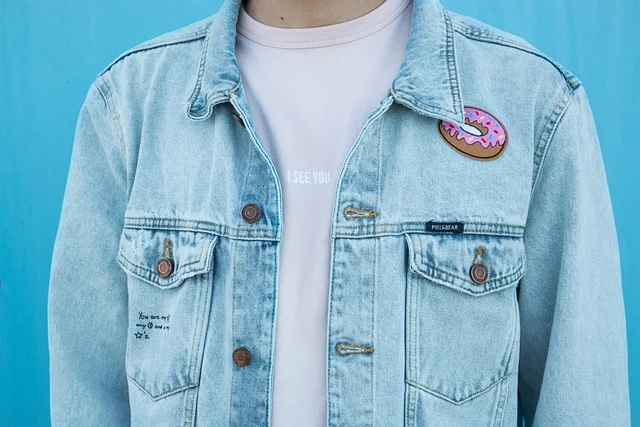
- Heavyweight canvas and twill: Traditional utility apparel relies on 12-ounce ring-spun cotton duck, dense poly-cotton twill, or 14-ounce rigid denim. These tight weaves resist wind, prevent tears, and develop distinct faded patinas after years of continuous wear.
- Triple-needle stitching: High-stress seams utilize three parallel rows of heavy thread to prevent garment failure under mechanical stress or tension.
- Bar-tack stress reinforcements: Short, dense rows of zigzag stitching reinforce zipper bases, belt loops, and pocket corners where strain is greatest.
- Double-knee paneling: Utility pants feature a reinforced second layer of heavy fabric across the thighs and knees. These often incorporate bottom slots to drain debris or insert foam knee pads.
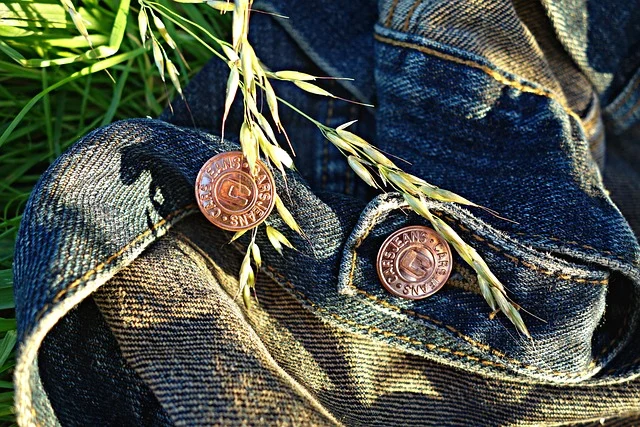
- Riveted pocket corners: Solid copper or brass rivets permanently clamp pocket edges. This prevents tearing when carrying heavy tools or hardware.
- Specialized utility storage: Traditional designs feature dedicated hammer loops, rule pockets, split chest pockets with pencil slots, and deep patch pockets originally built for job site equipment.
These heavy functional details give utility clothing its signature visual volume. Thick canvas panels maintain a rigid, structured silhouette that lightweight synthetic fabrics or thin cotton knits cannot replicate.
The Evolution of Workwear in Streetwear: From Utility to Fashion
Selecting the right workwear items depends on your preference for rigid durability versus immediate comfort and modern tailoring. The table below outlines key differences between trade brands, modern utility sub-labels, and luxury streetwear adaptations.

| Category | Key Materials | Silhouette & Fit | Break-In Period | Primary Purpose |
|---|---|---|---|---|
| Heritage Workwear | Unwashed 12oz cotton duck canvas, stiff poly-twill | Boxy, wide-shouldered, generous room for movement | Long (requires multiple washes and heavy wear) | Manual labor, job site protection, extreme durability |
| Workwear Sub-Labels | Laundered cotton canvas, medium-weight twill, corduroy collars | Tailored, modern proportions, relaxed fit | Minimal (pre-washed and garment-dyed for comfort) | Urban casualwear, contemporary streetwear, everyday style |
| High-Fashion Utility | Brushed cotton, custom Jacquard canvas, leather trims | Exaggerated oversized cuts or strict architectural fits | None (softened during manufacturing) | Runway presentation, luxury fashion statements |
Which staple workwear garments dominate modern fashion?
Several iconic job-site garments have successfully transitioned from industrial environments into modern streetwear closets:

The Chore Coat and Detroit Jacket
Rooted in the 19th-century French bleu de travail (work jacket) and American industrial coats, chore jackets feature simple boxy cuts, point collars, and broad patch pockets. The Carhartt Detroit Jacket features a waist-length cut, zippered chest pocket, corduroy collar, and adjustable snap cuffs. It remains one of the most sought-after silhouettes in vintage and contemporary streetwear circles.
Carpenter Pants and Double-Knee Trousers
Utility bottoms like Dickies 874 pants, Carhartt B01 double-knee trousers, and Stan Ray painter pants serve as fundamental base pieces in street style. Their straight and wide leg openings drape naturally over chunky athletic sneakers and skate shoes. Meanwhile, side tool pockets and hammer loops break up plain trouser lines.
Heavyweight Canvas Vests
Rib-knit collar canvas vests provide core torso warmth while leaving shoulders completely unrestricted. Originally engineered as durable mid-layers for construction workers, canvas vests are widely worn over hooded sweatshirts, thermal shirts, or graphic long-sleeve tees in urban environments.
Utility Bib Overalls
Bib overalls represent one of the boldest functional statements in modern street style. Worn with one shoulder strap unclipped or draped casually over a heavy hoodie, denim and duck canvas bibs offer a distinctive full-body structural profile that blends historic trade heritage with subcultural styling.
While many fashion enthusiasts explore labels beyond standard chore coats, analyzing Carhartt and Dickies demonstrates how functional garments established an enduring blueprint across modern apparel design.
How to style workwear in contemporary streetwear outfits?
Successfully styling trade garments requires balancing heavy, structured utility pieces with soft or refined clothing. This avoids looking like you are outfitted for a construction site. Consider these straightforward approaches:
Balance proportions and structural weight
Because original trade coats and utility pants feature broad, boxy cuts, manage the overall silhouette carefully. If you wear wide double-knee carpenter pants, pair them with a clean, well-fitted t-shirt. A moderate hoodie also maintains structured proportions. Alternatively, wear a short Detroit jacket with relaxed straight-leg trousers rather than overly tight jeans to preserve a clean profile.
Mix contrasting fabric textures
Pairing rough, unwashed cotton duck canvas with softer knit textiles creates visual contrast. Layer a stiff chore coat over a fleece hoodie, a knit sweater, or a combed jersey graphic tee. The tension between tough canvas outer shells and soft inner garments makes the outfit look deliberate and styled.
Work with grounded neutral color palettes
Classic trade clothing relies heavily on functional earth tones: duck brown, tan, olive green, navy blue, washed black, and off-white. Use these neutral earth tones as a solid base, then introduce pop accents using colorful sneakers, bold graphic tees, or vibrant beanies.
Break in rigid canvas garments
Unwashed 12-ounce cotton duck canvas can feel stiff and restrictive straight off the store rack. To soften original trade pieces without damaging the fabric integrity, wash them in cold water with mild detergent and tumble dry on low heat with dryer balls. Frequent wear breaks down stiff canvas fibers naturally, forming personalized crease marks and a comfortable custom fit.
Material appreciation and digital archive culture
Workwear focuses on utilitarian canvas and heavy twill, but appreciation for garment craftsmanship spans multiple fashion subcultures. This ranges from evaluating fabric weight to reviewing fine jewelry in guides like Aquamarine Engagement Rings: Your Guide. Documenting these subcultural shifts has also driven independent style archives online. Aspiring fashion writers and collectors frequently utilize digital platforms (see How to Blog For Free in 2026: Launch Your Site Today for insights on digital publishing) to track vintage workwear provenance, manufacturing dates, and historical union stamps.
Who is workwear styling not suited for?
While utility apparel offers exceptional longevity and classic structure, it does not suit every lifestyle or setting:

- Hot and humid climates: Heavy 12-ounce cotton duck canvas, blanket linings, and dense poly-twill retain heat and offer poor breathability during high summer temperatures.
- Formal and professional corporate environments: Even refined workwear pieces feature contrast stitching, broad patch pockets, and rugged textures that conflict with traditional formal or strict business attire.
- Petite or narrow body types seeking slim fits: Authentic trade apparel is intentionally cut boxy and wide to accommodate layering and bending. Without custom tailoring, off-the-rack workwear can overwhelm smaller frames.
- Enthusiasts of lightweight synthetic activewear: Anyone accustomed to flexible stretch performance fabrics may find stiff, unwashed cotton canvas heavy, restrictive, and slow to dry when wet.
Sources: 2020s in fashion
Frequently asked questions
What is the main appeal of workwear in streetwear?
The primary appeal stems from its exceptional durability, functional construction, and grounded anti-fashion aesthetic. These long-lasting utility pieces offer an authentic alternative to fleeting fast fashion trends while providing comfortable, relaxed fits.
What is the difference between Carhartt main line and Carhartt WIP?
Carhartt main line manufactures heavy-duty, boxy work apparel engineered specifically for manual job site labor. Carhartt WIP (Work In Progress) is a fashion-focused sub-label that reinterprets classic silhouettes with modern tailored fits, lighter pre-washed fabrics, and contemporary streetwear details.
How should you break in a stiff canvas work jacket?
To break in heavy cotton duck canvas, wash the garment in cold water with mild detergent, tumble dry on low heat, and wear it frequently. Over time, physical movement breaks down the rigid canvas fibers, creating a soft hand-feel and personalized wear patterns.
Can workwear pants be worn with athletic sneakers?
Yes, straight-leg and wide-leg utility trousers like Dickies 874 or double-knee pants pair cleanly with retro basketball sneakers, skate shoes, and chunky footwear because the broad leg openings fall naturally over larger shoe profiles.
Is vintage workwear better quality than modern production?
Vintage workwear often features heavier cotton duck fabrics, historic union-made construction, and authentic natural distressing earned through actual physical labor. While modern utility brands still build durable gear, vintage pieces are prized for their historical provenance and unique faded patinas.


