








A pixie cut is a short hairstyle characterized by cropped back and sides with longer hair on top, ranging from tight buzz-cut lengths to soft, layered fringes. It highlights facial features, works across virtually all hair textures, and drastically cuts daily styling time, though it requires routine trims every four to six weeks to maintain its shape.
Beyond its practical benefits, short hair focuses attention directly on your eyes, cheekbones, and neckline. The cut offers remarkable versatility, allowing you to switch between polished, sleek finishes for formal wear and tousled, piecey textures for everyday style. Whether you are contemplating a dramatic chop from waist-length hair or refining an existing short haircut, finding the right variation depends on matching your facial structure, hair density, and willingness to maintain the shape.
Why short pixie cuts remain timeless and practical
The enduring popularity of cropped hairstyles stems from a balance between striking visual impact and daily convenience. Shorter hair dramatically reduces wash-and-dry cycles, taking minutes rather than half an hour to style each morning. For individuals with heavy or dense hair, taking off significant length relieves physical weight on the scalp and prevents daily overheating.
A short crop also serves as a strong personal statement. Removing hair around the collarbone and jawline draws eyes upward, emphasizing your cheekbones and jaw structure. This direct focus complements minimal makeup as easily as it highlights bold red lipstick or statement earrings. Short cuts integrate smoothly into both casual streetwear and high-end fashion looks.

What are the main pixie cut variations?
The term pixie encompasses dozens of tailored cuts. For example, understanding how length, layering, and tapering alter the silhouette helps you communicate clearly with your hair stylist.
The classic pixie
The classic pixie cut features short, neatly tapered sides and back with slightly longer layers across the crown. It often incorporates a soft, side-swept fringe that gently frames the forehead. This variation creates a balanced, elegant profile that works well for first-time short haircut transitions.
The layered pixie
Layered pixies rely on choppy or soft interior layers throughout the top sections. Also, this technique builds surface texture and prevents short hair from lying flat against the scalp. Layering adds movement, making it easier to create messy, pieced-out, or voluminous styles with styling paste.
The tapered and undercut pixie
A tapered pixie shortens hair gradually down toward the nape of the neck using clippers or shears. An undercut pixie takes this further by clipping the back and sides very short—sometimes down to the scalp—while leaving the top dramatically longer. This creates a bold contrast and removes bulk from extraordinarily thick hair.
The asymmetrical pixie
An asymmetrical cut keeps hair cropped short on one side while maintaining noticeable length across the top and down the opposite side. The longer side can fall near the cheekbone or jawline, creating sharp geometric angles that frame the face dynamically.
The curly pixie
A curly pixie keeps the sides trimmed short while allowing natural curl patterns to stack on top. Cutting curls dry ensures the stylist accounts for natural bounce and shrinkage, leaving enough length on the crown for defined ringlets or coils to form naturally.
The bixie and mixie hybrids
Hybrid short cuts bridge the distance between classic crops and mid-length styles. A bixie blends elements of a bob and a pixie, keeping hair longer around the ears and nape while retaining layered volume on top. A mixie combines a classic textured pixie front with longer, feathered strands down the back of the neck, taking inspiration from classic shag and mullet shapes.
| Style Variation | Key Features | Best Hair Density | Maintenance Schedule | Daily Styling Effort |
|---|---|---|---|---|
| Classic Pixie | Short back/sides, soft side fringe | Fine to medium | 4–5 weeks | Low (5 minutes) |
| Layered Pixie | Choppy crown layers, piecey movement | Medium to thick | 4–6 weeks | Medium (5–10 minutes) |
| Tapered / Undercut | Clipped sides, long top contrast | Thick or dense | 3–4 weeks | Low to medium |
| Asymmetrical Pixie | Uneven length, sweeping side fringe | Fine, medium, or straight | 4–6 weeks | Medium (10 minutes) |
| Curly Pixie | Cropped sides, volumetric top curls | Wavy, curly, or coily | 6–8 weeks | Low (air-dry with cream) |
| Bixie | Tucked ears, longer nape coverage | All hair types | 6–8 weeks | Medium (10–15 minutes) |
| Mixie | Short front, feathered mullet nape | Wavy or textured | 5–7 weeks | Low (tousle with paste) |

How to choose a pixie cut for your face shape and hair texture
Finding a flattering short cut requires analyzing your structural features alongside your hair’s natural growth habits.
Matching the cut to your face shape
Hair length alters visual face proportions. Selecting the right distribution of volume balances your unique angles:
- Round faces: Adding vertical height at the crown while keeping the sides closely cropped elongates the appearance of the face. Asymmetrical fringes also create slimming diagonal lines. Find detailed breakdown strategies in our full guide to choosing a short crop by face shape.
- Oval faces: Balanced symmetry allows oval face shapes to wear nearly any short style, including ultra-short buzz cuts, micro-bangs, or slicked-back crops.
- Heart-shaped faces: Soft, wispy fringes that fall across the forehead offset a wider brow, while piecey strands near the cheekbones fill out a narrower chin line.
- Square faces: Soft, feathered textures and wispy sideburns soften defined, angular jawlines. However, avoid sharp, blunt side edges that cut directly across the widest point of the jaw.
- Oblong or long faces: Side-swept bangs reduce vertical length, while keeping moderate density around the sides adds width to balance facial length.

Adapting the style to your hair texture
Your hair’s natural wave and thickness determine how a short crop sits once dried:
- Fine or thin hair: Choppy, blunt layers generate internal structure and support. However, avoid heavy thinning shears, which strip density and make ends appear sparse. Light volumizing powders help lift roots away from the scalp. Review detailed guidance on managing hair density in this hair texture breakdown.
- Thick or heavy hair: Strategic weight removal, point-cutting, or hidden undercuts prevent short styles from puffing outward into a helmet shape. For example, removing interior bulk allows top layers to lay smoothly.
- Wavy or curly hair: Curls shrink significantly as they dry. Stylists should cut hair dry or leave strands slightly longer than target length to accommodate curl rebound and pattern movement.
How to style a pixie cut: step-by-step techniques
Mastering a short cut requires understanding how heat tools and styling products interact with short hair lengths.

A simple 5-step daily styling routine
- Start damp: Wet hair thoroughly or use a spray bottle. Because short hair retains sleep kinks easily, a fresh damp start is essential for redirecting stubborn crown roots.
- Apply base product: Work a pea-sized amount of lightweight volumizing mousse or heat protectant spray through damp hair from roots to ends.
- Blow-dry with directional tension: Use your fingers or a flat paddle brush to dry hair in the direction you want it to lay. For sleek styles, wrap-dry hair flat against the curve of your head. For volume, lift strands upward away from the scalp while directing airflow from beneath.
- Distribute finishing cream or paste: Warm a small dot of pomade, matte clay, or texturizing paste completely between your palms until translucent. Rake your hands through dry hair to distribute product evenly, rather than applying it directly to top strands.
- Detail edges and crown: First, pinch the tips of your bangs and sideburns to create crisp, piecey definition. Next, tousle crown layers with fingertips to establish crown height and structural separation.
Choosing the right product finish
The product you choose dictates the final texture and hold of your style:
- Matte clay or wax: Delivers flexible hold and touchable, non-greasy texture for choppy, messy, or spiked pixies.
- Water-based pomade: Provides high shine and firm structure for slicked-back, side-parted, or vintage-inspired shapes.
- Texturizing sea salt or dry spray: Adds gritty volume and instant body to fine strands without weighing down the crown.
- Curl cream or leave-in serum: Defines ringlets and locks out moisture-induced frizz for wavy and curly short cuts.
Maintenance, scalp care, and upkeep schedules
Because short haircuts grow out visibly, keeping the silhouette looking sharp requires consistent salon maintenance and proper scalp hygiene.
Trimming frequencies and nape touch-ups
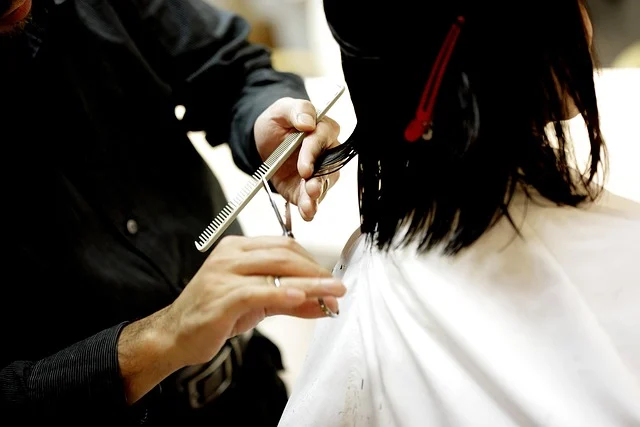
Hair grows roughly half an inch per month. On a short haircut, even minor growth alters balance. Precision cuts and tapered necklines require salon visits every 4 to 6 weeks. Longer bixies or shaggy pixies can stretch to 6 or 8 weeks before losing their shape.
If full appointments every month feel impractical, ask your stylist about quick nape touch-ups. For example, trimming the fuzzy hair along your neck and behind your ears between major haircuts extends the polished look of your cut by two to three weeks.
Scalp care with exposed skin
Shorter hair exposes more scalp surface to environmental elements and styling products. As a result, continuous use of heavy clays and pomades leads to buildup, clogging hair follicles and dulling natural shine. So, use a clarifying shampoo once a week to clear away product residue.
When spending extended periods outdoors, apply a lightweight scalp sunscreen or wear a hat. Sunburn along hair parts and exposed necklines can cause flaking that mimics dandruff.
Common pixie cut mistakes and how to fix them
Avoiding a few frequent styling pitfalls keeps your short crop looking intentional and polished every day:
- Over-applying product: Scooping large amounts of wax directly onto the crown leaves hair looking greasy and weighed down. Always rub a pea-sized amount between your hands first, working from the back of the head forward.
- Ignoring cowlicks: Trying to force a crown cowlick to lay in the opposite direction results in awkward, sticking-up patches. Blow-dry cowlicks flat while wet, brushing back and forth across the growth pattern to break hair memory.
- Neglecting nighttime prep: Sleeping directly on short hair creates severe morning bedhead. Sleep on a satin or silk pillowcase to prevent friction. Dampen stubborn flat spots with water the next morning to reset the root direction.
- Skipping product distribution: Applying product only to the surface leaves hair flat underneath. Instead, coat your fingers and reach down to the root structure for structural lift.
Celebrity styling inspiration and iconic looks
Celebrity hairstyles highlight how versatile a short crop can be across different aesthetic eras and wardrobe choices:

- Florence Pugh: Frequently showcases textured, slicked-back, and edgy spiked crops on red carpets, proving short length can handle dramatic styling variations.
- Zendaya: Has worn soft, voluminous, retro-inspired short cuts that emphasize full body and classic jawline framing.
- Emma Watson: Famous for her clean, close-cropped side-swept pixie, demonstrating refined elegance and structure.
- Tiffany Haddish: Displays dynamic curly and close-cropped styles that embrace natural hair texture and sharp perimeter lines.
- Janelle Monáe: Known for architectural, sculptured short crops that pair bold structural height with crisp edge work.
These celebrity choices illustrate how short haircuts align with evolving fashion trends, adapting effortlessly to modern wardrobes. Nostalgic beauty influences from early trends continue to inspire textured crops, while soft, low-maintenance shapes remain popular among timeless style trends.
How to grow out a pixie cut without awkward stages
Transitioning from a short crop back to longer shoulder-length hair requires a strategic trimming plan to prevent awkward growth phases:

- Phase 1 (Months 1–3): Keep trimming the hair at the nape of your neck while allowing the top and side layers to grow longer. This prevents your haircut from turning into an unintentional mullet silhouette.
- Phase 2 (Months 4–6): Once top layers reach the bottom of your ears, allow the nape hair to catch up. Blend the sides and back into a soft bixie or short French bob.
- Phase 3 (Months 7–9): Trim the perimeter into a uniform horizontal line at chin length, creating a classic bob that can grow out evenly without needing frequent internal layering.
Sources: Pixie cut
Frequently asked questions
Will a pixie cut suit my face shape?
Yes, almost any face shape can wear a short cut when tailored properly. The key involves adjusting crown volume, fringe length, and side density to complement your natural facial proportions.
How often do I need to get my pixie cut trimmed?
A precision short crop requires trimming every 4 to 6 weeks to maintain sharp lines and structure. However, softer, longer variations like bixies can usually go 6 to 8 weeks between salon visits.
Is a pixie cut low maintenance?
Daily morning styling takes significantly less time than managing long hair, often under 5 to 10 minutes. However, short cuts demand higher long-term upkeep due to necessary monthly salon appointments.
How do I stop my short hair from sticking up in the morning?
First, lightly mist sleep-flattened or sticking-up areas with water from a spray bottle to reset hair root memory. Apply a tiny dab of styling paste and use a hairdryer for 30 seconds to smooth strands flat.