











Men’s graphic tees are short-sleeved shirts featuring printed artwork, band logos, typography, or visual designs across the chest, back, or sleeves. Finding the right graphic tee requires selecting durable screen-printed cotton or cotton blends. You must also choose a fit that matches your body shape and pair bold designs with balanced, casual layers.
What distinguishes a graphic tee from a standard blank shirt is the visual design itself. This can range from a subtle chest emblem to an expansive back graphic or full-surface print. The fabric weight, construction, print technique, and garment drape all dictate how well a t-shirt holds up over time and how cleanly it integrates into a casual or smart-casual outfit.
How do you choose the right fit for a men’s graphic tee?
The fit of a men’s graphic tee determines whether the outfit looks intentional or sloppy. A striking print loses its appeal if the fabric bunches awkwardly under the arms, flares out at the waist, or pulls tightly across the chest. Choosing the right fit depends on your body proportions, the formality of the setting, and your overall style goals.

A common mistake is picking an oversized cut for an event that calls for structured layering. Also, choosing a slim fit that restricts movement when worn with relaxed bottoms can ruin the look.
| Fit Type | Shoulder Seam Placement | Body Drape | Best Body Type / Aesthetic | Styling Context |
|---|---|---|---|---|
| Classic Fit | Sits directly on the shoulder point | Straight drape, moderate chest and waist room | Universal; works for most body shapes | Everyday casual wear, light layering |
| Oversized Fit | Dropped 2 to 4 inches down the arm | Roomy chest, wide sleeves, longer hemline | Taller or broader frames; streetwear look | Relaxed casual, standalone statement piece |
| Slim Fit | Slightly narrow, hugging the shoulder curve | Tailored through chest, tapered at waist | Lean or athletic builds | |
| Boxy / Heavyweight Fit | Slightly dropped shoulder | Wide cut torso, shorter or cropped hemline | Average to broad builds; vintage proportions | Pairing with wide-leg trousers or straight denim |
Classic fit
The classic fit provides a balanced, natural outline. The shoulder seams align with your natural shoulder joints, and the hem drops just past the belt line to the mid-hip. Also, this silhouette suits almost every body type and serves as an ideal everyday option. If you plan to layer your graphic tee under an open button-up or jacket, a classic fit keeps bulk to a minimum.
Oversized and boxy fits
Oversized graphic tees feature lower shoulder seams, broader chest dimensions, and wider sleeves that drop near the elbow. This relaxed silhouette draws heavily from streetwear and vintage skate wear. Boxy fits share the dropped shoulder of oversized cuts. However, they feature a shorter, squared-off hemline that stops near the top of the hip. These silhouettes look best on broader or taller frames and should be balanced with straight-leg or relaxed-fitting pants rather than skinny jeans.
Slim fit
Slim-fit graphic tees fit close to the chest, arms, and torso. They eliminate excess fabric, making them suitable for layering under structured garments like tailored blazers or trim denim jackets. However, slim fits are unforgiving if sized incorrectly. If the graphic distorts or cracks when stretched across your chest, move up one size or switch to a classic cut.
What are the main categories of graphic tee designs?
Selecting a graphic style comes down to what you want the garment to communicate. Visual designs generally fall into five primary categories, each suited to different personal tastes and dress codes.
Band and music merch
Band tees are timeless staples featuring album covers, band logos, or tour itineraries. Vintage classic rock graphics (such as Led Zeppelin, AC/DC, or Pink Floyd) deliver an authentic, retro feel. Hip-hop, jazz, and indie band tees offer distinct visual styles, ranging from distressed full-chest graphics to minimalist line drawings. Authenticity and personal resonance are key—wearing merch from artists you actually listen to makes for genuine conversation.
Art and illustration tees
Art graphics showcase original works from contemporary illustrators, painterly compositions, or historical pop art (such as Keith Haring or Jean-Michel Basquiat). These designs focus on artistic value rather than brand promotion. Fine-line drawings, surreal prints, and abstract color blocks allow you to display visual creativity without relying on bold branding.
Slogan and typography tees
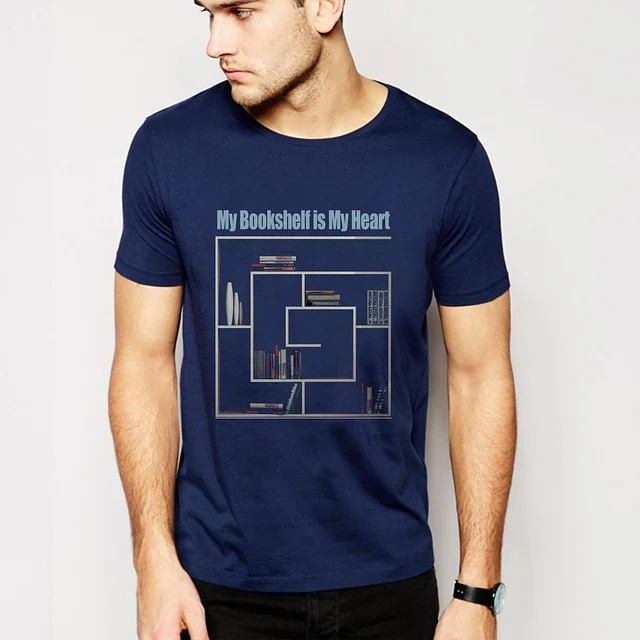
Typography tees rely on font choice, layout, and phrasing to create visual impact. Simple sans-serif lettering, arching block text, or stylized calligraphy can convey humor, philosophical statements, or brand ethos. The key to wearing typography tees is subtlety: short, clean text reads significantly better than dense walls of text or overly abrasive slogans.
Pop culture and nostalgia tees
Featuring iconic characters, vintage advertising logos, classic arcade graphics, or television references from the 1980s, 1990s, and early 2000s, these tees use shared cultural memories. Selecting a design from a favorite film or video game adds a fun, relaxed element to weekend attire. For detailed guides on cultural references in digital media, read how movies influence street style trends.
Minimalist and small chest hits
For those who prefer low-key clothing, small graphic hits on the left chest—paired with a clean back or an understated back print—offer a refined alternative to full-front designs. Minimalist graphics match easily with tailored jackets and dark trousers for elevated casual events.
Screen printing vs digital printing: which print method lasts longest?
The print technique directly determines how a graphic tee feels against your skin, how vibrant the colors appear, and how many wash cycles the print will withstand before cracking or peeling.
According to T-Shirt Magazine’s 2025 print quality report, traditional screen printing offers superior longevity and color vibrancy compared to standard digital printing on cotton fabrics.
| Print Method | Durability Score | Hand Feel (Texture) | Breathability | Best For |
|---|---|---|---|---|
| Plastisol Screen Print | High (100+ washes) | Thick, slightly raised ink layer | Low to Moderate across printed area | Bold, solid-color graphics and block lettering |
| Discharge Screen Print | Very High (Fabrics wear out first) | Zero weight; ink dyes the fabric directly | Very High; leaves fabric completely porous | Dark cotton shirts with large, soft graphics |
| Direct-to-Garment (DTG) | Moderate (30–50 washes) | Soft, lightweight feel | High | Photographic artwork and multi-color designs |
| Heat Transfer / Vinyl | Low (15–30 washes) | Heavy, rubberized patch feel | Very Low | Custom small-batch prints, numeric detailing |
Traditional screen printing
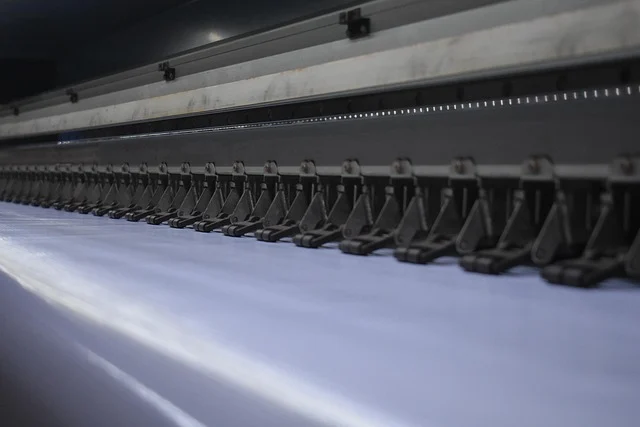
Screen printing presses ink through fine mesh screens onto the cotton fibers. Plastisol inks sit on top of the fabric, producing bright, opaque colors that stay crisp over years of wear. However, heavy plastisol prints over large chest areas can feel stiff and create a hot, non-breathable spot on hot summer days.
Discharge screen printing
Discharge printing uses water-based inks that remove the garment’s original dye and replace it with the print color. This process leaves zero heavy ink texture on the fabric, allowing the shirt to remain soft, breathable, and completely flexible. It is ideal for large back graphics and vintage-style prints on dark cotton shirts.
Direct-to-Garment (DTG) printing
DTG acts like an inkjet printer for clothing, applying water-based inks directly into the fabric. It excels at reproducing intricate photographic detail and subtle color gradients that screen printing cannot replicate easily. While soft to the touch, DTG prints generally fade faster than traditional screen prints after multiple laundry cycles.
Which fabric weight and material should you pick?
The underlying fabric determines the drape, breathability, and lifespans of graphic t-shirts. Understanding material types and weight metrics helps you choose the right shirt for the season.
100% Cotton (Combed and Ringspun)
Pure cotton remains the industry standard. Natural cotton is soft, breathable, and comfortable for all-day wear. Ringspun and combed cotton undergo refining processes that remove short, rough fibers, yielding a smooth surface that accepts print inks cleanly and resists pilling better than carded open-end cotton.
Cotton blends (Cotton/Polyester)
Blending polyester with cotton (typically a 60/40 or 50/50 ratio) increases garment durability, reduces fabric shrinkage during washing, and improves wrinkle resistance. Poly-cotton blends dry faster than pure cotton, making them a practical choice for warm weather or active days, though they may lack the natural feel of pure cotton.
Tri-blends (Cotton/Polyester/Rayon)
The rayon content gives the shirt an exceptionally soft hand feel, a lightweight body, and a subtle fluid drape. Tri-blends excel in warm climates and retro graphic styles, though the thin fabric reveals body contours more readily and can snag easily.
Understanding fabric weights (GSM)
Fabric weight is measured in grams per square meter (GSM) or ounces per square yard:
- Lightweight (130–150 GSM / 3.8–4.5 oz): Thin and breathable; ideal as summer t-shirts or base layering pieces under heavy sweaters.
- Midweight (160–180 GSM / 5.0–5.5 oz): The versatile standard; provides enough structure to drape cleanly without feeling warm.
- Heavyweight (200+ GSM / 6.5+ oz): Thick, structured fabric that holds a rigid shape; hides uneven torso lines and provides substantial warmth for cooler weather.
How to style men’s graphic tees for different outfits
The primary advantage of a graphic tee lies in its adaptability. By altering your outerwear, trousers, and footwear, a single graphic tee can transition across multiple dress codes.
Everyday casual outfits
For standard weekend wear, pair a graphic tee with well-fitted straight-leg denim, dark chinos, or utility cargo pants. Complete the outfit with clean canvas or leather sneakers. To balance your lower half when selecting denim cuts, see Black and White Polka Dot Dress: Your Style Canvas on choosing pants for your body shape.
Example Scenario: Alex needs a comfortable outfit for a Saturday morning coffee run and art gallery visit. He pairs an off-white vintage band tee with dark-wash straight-leg jeans and clean white leather sneakers. He layers an unbuttoned olive fatigue shirt over top to add visual structure without concealing the print.

Dressing up graphic tees for smart-casual settings
You can wear a graphic tee in smart-casual environments by balancing the graphic with structured tailoring. Pick a dark, high-quality tee with a subtle, artistic, or minimalist chest graphic. Layer it under an unstructured navy or charcoal blazer, paired with tailored trousers or dark denim, and finish with leather Chelsea boots or minimalist leather sneakers.
Example Scenario: Ben is attending an evening dinner at a relaxed bistro. He chooses a slim midweight black graphic tee featuring a small monochrome abstract line print. Next, he wears it beneath an unstructured grey wool blazer with tailored charcoal chinos and dark brown leather Chelsea boots, achieving a sharp look that feels comfortable.
Layering for cooler weather
Graphic tees serve as functional focal points when layering during autumn and winter. Wear a graphic tee beneath an open heavy flannel shirt, a rugged trucker denim jacket, or a dark leather jacket. Ensure that the outer layer collar does not crush or obscure the chest print completely. If you need inspiration on picking jackets for colder months, read 8 Air Jordans: A Look at Iconic Sneakers for cold-weather layer pairings.
Athleisure and streetwear styling
Combine midweight or heavyweight graphic tees with heavy fleece joggers, track pants, or athletic shorts. Finish the look with retro runner sneakers and a low-profile dad hat. This approach relies on relaxed proportions, so choose boxy or slightly oversized t-shirts rather than tight cuts.
Which brands lead the men’s graphic tee market in 2026?
The graphic tee landscape spans from budget-friendly high-street retailers to high-end streetwear labels and eco-focused manufacturers.

Streetwear labels
Brands like Supreme, Stüssy, and Off-White dominate streetwear culture, relying on limited-edition releases, prominent brand logos, and bold graphics. These options carry higher price points, but they typically use thick, mid-to-heavyweight cotton fabrics that maintain their structure over time.
Official music merch licensing
Bravado is a premier licensing company that manufactures official, authorized merchandise for major touring artists. Specialized online platforms like Rockabilia and direct artist stores provide high-quality prints on durable blanks, ensuring artists receive royalties for their designs.
Independent artists and sustainable brands
Platforms like Threadless connect independent artists directly with buyers, offering thousands of unique art styles printed on demand. Meanwhile, ethical fashion labels such as Everlane and Pact produce minimalist graphic designs using 100% organic cotton, non-toxic water-based inks, and transparent supply chains.
Nostalgia and value options
Retailers like Junk Food Clothing specialize in authentic vintage-washed finishes, featuring classic 1970s and 1980s pop culture imagery. Budget-friendly brands such as ASOS, H&M, Aeropostale, and Amazon Essentials provide widely accessible styles. While budget offerings allow for easy experimentation, check customer fabric reviews to ensure print durability over time.
A report published by Consumer Apparel Insights noted that while premium heritage labels charge higher prices, value-tier brands have improved their seam stitching and print durability significantly in recent years. In addition, an analysis in Yahoo’s industry review “12 men’s clothing items no longer worth your money in 2026” emphasized that buying heavyweight, well-constructed cotton tees yields better long-term wardrobe value than purchasing fast-fashion shirts that distort after two washes.
How to wash and maintain graphic tees to prevent peeling
Careless washing routines can cause high-quality prints to crack, peel, or fade prematurely. Following proper laundry protocols protects both the garment’s print and fabric integrity.

Washing guidelines
- Turn shirts inside out: Always flip the t-shirt inside out before putting it into the washing machine. This protects the printed ink face from friction against machine drums and other clothing zippers.
- Use cold water: Wash graphic tees in cold water (at or below 30°C / 86°F). Hot water softens plastisol prints and causes cotton fibers to shrink, leading to cracked graphics.
- Select a gentle cycle: Choose delicate or gentle machine settings to minimize aggressive fabric twisting during spin cycles.
- Apply mild detergents: Avoid harsh bleach additives, fabric softeners, or aggressive stain-removal chemicals, as they can break down print adhesives and fade ink pigments.
Drying methods
- Air drying (Best practice): Hang your t-shirts on padded hangers or lay them flat on drying racks away from direct sunlight. Air drying prevents shrink damage and extends print life.
- Low-heat tumble dry: If you must use a clothes dryer, select the lowest heat setting and remove the shirts while slightly damp to prevent heat damage to the graphic.
Ironing and storage
- Never iron over prints: Placing a hot iron directly onto a graphic will melt plastisol inks and ruin the garment instantly. Iron the shirt inside out on a low setting, or place a clean cotton cloth over the graphic before ironing.
- Fold instead of hanging: Store graphic tees folded on flat shelves or in drawers. Hanging heavy cotton t-shirts on wire or thin plastic hangers stretches out the collar neckband over time.
Common graphic tee mistakes and how to avoid them
Avoid these frequent styling and care mistakes to keep your outfits looking refined:

- Wearing clashing patterns: Pairing a busy graphic tee with plaid trousers, camo shorts, or heavily distressed outerwear creates visual noise. Pair complex graphics with solid-colored bottoms and clean jackets.
- Wearing worn-out neckbands: A stretched-out, bacon-like collar instantly spoils an outfit. Retire stretched tees to gym duty or wear them as undershirts.
- Misjudging event formality: Bright graphics, skulls, or loud slogans are inappropriate for professional work settings, formal dinners, or solemn events. Reserve bold graphic tees for weekend or creative environments.
- Ignoring sizing differences across brands: Sizing varies widely between manufacturers. An XL from a European streetwear brand may fit like a Medium from an American classic brand. Always review garment measurement charts (chest width and body length) rather than relying strictly on letter sizes.
What graphic tee trends are popular in 2026?
Graphic tee fashions continue to shift toward conscious production and understated visuals. Key trends defining current menswear include:
- Organic materials and water-based inks: Environmentally conscious manufacturing is now standard practice, with brands opting for certified organic cotton and non-toxic water-based discharge printing methods.
- Minimalist graphics: Small chest prints, subtle geometric typography, and tonal line drawings are replacing large, loud front prints for everyday casual wear.
- Vintage garment washes: Pigment-dyed fabrics, enzyme-washed cotton, and sun-faded distress treatments give modern shirts an authentic thrifted appearance straight off the rack. According to trend forecasting firm WGSN’s 2026 report, consumer demand for authentic vintage-style washes and distressed details is projected to expand consistently through 2027.
- Artist collaborations: Apparel labels are increasingly partnering with independent illustrators, digital creators, and fine artists for limited short-run graphic tee collections.
Sources: List of award-winning graphic novels
Frequently asked questions
What is the difference between a graphic tee and a regular t-shirt?
A regular t-shirt is a solid-colored blank garment without decorative prints. A graphic tee features printed artwork, typography, band iconography, or logos across its surface, acting as a visual focal point for an outfit.
Are graphic tees still in style for men in 2026?
Yes, graphic tees remain an essential element of modern men’s casual style. Current trends favor subtle minimalist prints, organic cotton fabrics, authentic vintage washes, and artistic collaborations.
How should a men’s graphic tee fit around the chest and sleeves?
A classic graphic tee should fit comfortably across your chest without pulling the graphic wide. The sleeve hem should rest around the mid-bicep. Oversized styles feature dropped shoulders and longer sleeves, whereas slim cuts taper close to the torso for easy layering under jackets.
Why do graphic tees crack after washing?
Graphic tees crack when exposed to high drying heat, hot water wash cycles, or direct ironing, which dries out the flexible plastisol ink layers. Washing shirts inside out in cold water and air drying them prevents heat-induced cracking.
Can you wear a graphic tee under a blazer?
Yes, you can pair a graphic tee with a blazer for modern smart-casual settings. Choose a high-quality, dark-colored graphic tee with a subtle or minimalist chest design. Next, pair it with an unstructured blazer and tailored trousers.
Your wardrobe’s canvas: building a personal collection
Men’s graphic tees are far more than simple casual wear. They serve as an accessible canvas for personal expression, music tastes, and artistic preferences. By focusing on durable screen printing, stable fabric weights, and appropriate fits, you can build a versatile collection that stands up to regular washing and pairs naturally with your existing wardrobe.


