






The best raw selvedge denim brands range from budget entry points like Uniqlo ($50) and Brave Star Selvage ($100) up to Japanese heritage benchmarks like Iron Heart ($340+) and Samurai Jeans ($300+). To choose your ideal pair, evaluate fabric weight, fit, loom tension, and whether the denim is sanforized (pre-shrunk) rather than focusing on price tag alone.
What is raw selvedge denim?
Raw selvedge denim combines a raw finish with shuttle-loom weaving. Also, the best brands of raw selvedge denim leave fabric unwashed and untreated. Shuttle looms weave narrow 30-inch rolls, binding edges with a self-finished selvedge ID that prevents fraying.
When you wear raw denim, your body heat, natural skin oils, and movement break down the stiff indigo coating over time. The fabric creases along your lap (whiskers), behind your knees (honeycombs), and along the ankle hem (stacking). As indigo rubs off these high-friction points, the white core of the ring-spun yarn emerges, creating personalized fade contrast unique to your daily activity.
What is the difference between raw and selvedge denim?
Raw denim describes the fabric treatment, whereas selvedge denim describes the edge construction. You can buy raw denim that is not selvedge, and you can buy selvedge denim that is not raw.
Standard raw denim arrives stiff with a uniform dark indigo color. Because the mill skips post-weaving rinses, chemical distressing, and laser washing, the fabric retains its full starch content. It gradually molds to your legs through daily wear, producing sharp contrast lines.
Selvedge (derived from “self-edge”) describes how the textile terminates along its outer boundary. Vintage shuttle looms produce fabric for the best raw selvedge denim brands at narrow widths—typically around 30 inches—by passing a continuous weft back and forth. This seals both edges with a tight, self-bound boundary, often marked by a colored thread running down the cuff seam. Modern high-speed projectile looms weave fabric at wide dimensions (60 inches or more). However, they slice the fabric edges during production, leaving open fringes that mass-market factories stitch closed using overlock thread.
Is selvedge denim better quality than regular denim?
The best raw selvedge denim brands use vintage shuttle looms, whose slow production yields richer surface texture, unique yarn slub, and long-term structural resilience. Modern projectile looms prioritize production speed over tactile character, whereas vintage shuttle looms operate at lower tension, preserving the natural variations of ring-spun cotton yarns.
A common mistake is assuming high prices guarantee durability among the best brands for raw selvedge denim. However, higher pricing reflects small batch runs, labor-intensive natural indigo dyeing, and specialized vintage hardware. According to cost comparisons on The Iron Snail, entry-level pairs starting around $50 to $100 offer authentic shuttle-loom weaving. Mid-tier ($150–$250) and premium heritage tiers ($300–$400+) add specialized rope-dyeing depth, custom iron hardware, and proprietary loom setups.
Best raw selvedge denim jeans: Top brands by category
Selecting the best raw selvedge denim jeans depends on your budget, style goals, and tolerance for fabric break-in. We break down the top performance categories below.
Best Japanese raw selvedge denim brands
Japanese mills in Kojima and Okayama preserved shuttle loom operations during the mid-20th century while Western mass producers converted to high-speed projectile machinery. Today, top Japanese makers rank among the best brands for raw selvedge denim jeans in the world. They lead the industry through custom yarn spinning, slow loom speeds, and specialized indigo dipping processes.
If you demand historic loom work and exceptional fading characteristics, focus on these benchmark Japanese makers:
- Iron Heart: Renowned for heavyweight fabrics, especially their flagship 21 oz selvedge denim. Built originally for motorcycle riders, Iron Heart uses extra-long staple cotton that breaks in soft despite heavy fabric density. They heat-treat and weave their heavy denims under breathable, lower-tension conditions to maximize movement.
- Samurai Jeans: Famous for fast-fading, abrasive textures woven under extreme loom tension. Samurai uses coarse, uneven slub yarns, custom iron buttons that rust naturally over time, and jacquard pocket pocketing inspired by Japanese warrior history.
- Studio d’Artisan: Founded in 1979 in Osaka, Studio d’Artisan is one of the original “Osaka Five” brands that revived vintage Japanese denim weaving. They specialize in rich natural indigo shades, classic mid-century straight fits, and historic loom reproductions.
- Oni Denim: Famous for extreme low-tension loom weaving that creates highly irregular, bump-textured “slubby” fabric. Their famous Secret Denim uses proprietary yarn tension that modern industrial looms cannot replicate.
- TCB Jeans: Focuses on faithful mid-century reproductions of historic Levi’s cuts (1920s, 1940s, and 1950s). Also, TCB recreates vintage yarn twists and cotton varieties at accessible mid-tier prices.
- The Real McCoy’s: Operates with uncompromising reproduction standards. Their Lot.001 jeans recreate mid-20th-century American workwear using custom-milled Japanese selvedge denim, period-correct thread counts, and custom steel rivets.
- OrSlow: Known for relaxed, vintage-inspired cuts like their popular 105 standard fit. For example, OrSlow uses slow-woven, brushed denim that breaks in quickly without aggressive stiffness.
Best entry-level and Western raw selvedge denim brands
However, you do not need to spend over $200 to experience authentic raw selvedge denim. Several Western and North American labels source heavy-duty shuttle-loom fabrics from Kaihara Mill in Japan or heritage stock from historic mills to construct affordable, long-lasting jeans.
| Brand | Origin | Typical Price Tier | Best Suited For |
|---|---|---|---|
| Uniqlo | Japan / Global | Entry-level ($50–$70) | Beginners testing selvedge fit with light stretch comfort |
| Brave Star Selvage | United States | Entry-level ($100–$140) | Heavyweight specs and US assembly on a budget |
| Naked & Famous | Canada | Mid-tier ($150–$220) | Experimental fabrics, novel weights, and modern cuts |
| 3sixteen | United States | Premium ($230–$270) | Clean modern tailoring with custom Kuroki Mill fabric |
| Iron Heart | Japan | Heritage / Premium ($320–$400+) | Riders and buyers wanting maximum fabric weight and longevity |
We recommend starting with Uniqlo or Brave Star Selvage if you want to test stiff denim. This helps you determine if unwashed fabric fits your daily routine before committing to heavy Japanese heritage pairs. If you prefer wider silhouettes for modern street style, consult Japanese Streetwear Brands Online: Where to Buy Authentic Pieces for overall outfit balance.
How fabric weight alters fit and break-in
Raw selvedge denim is categorized by weight per square yard, measured in ounces (oz). As a result, material density dictates break-in time, insulation, crease sharp lines, and initial stiffness.
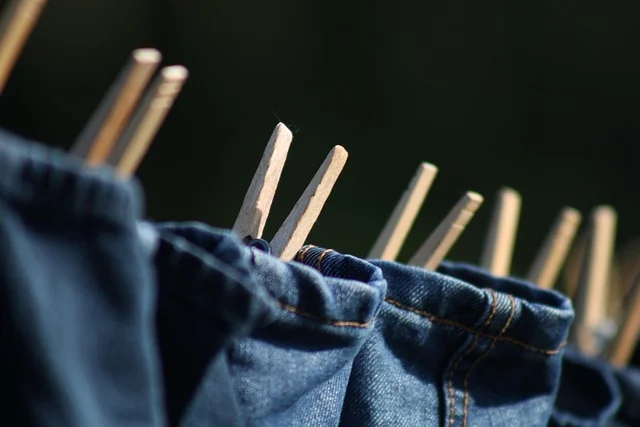
Review these three weight categories before buying to match fabric density with your climate and daily comfort requirements:
- Lightweight (under 12 oz): Soft directly off the shelf, making it comfortable for warm climates. Lightweight denim breaks in quickly but yields softer, lower-contrast fades over time.
- Mid-weight (12 oz to 16 oz): The versatile industry standard. First, mid-weight denim balances structural durability with manageable break-in times, suitable for four-season wear.
- Heavyweight (17 oz and above): Rigid, dense denim that retains sharp creases aggressively. Detailed breakdown guides from Heddels and Denimhunters note that heavyweight denim requires extended loom setup time and accelerates needle breakage, driving up manufacturing costs.
Sanforized vs unsanforized denim sizing example
Understanding fabric shrinkage prevents purchasing jeans that become unwearable after their first wash:
- Sanforized denim: The mill subjects the woven fabric to steam, rubber belts, and moisture treatments before cutting. Sanforized jeans shrink minimally (roughly 1% to 3%) upon washing. Buy your exact waist measurement.
- Unsanforized denim (Shrink-to-Fit / Raw Raw): The fabric goes straight from loom to cutting table without steam processing. Unsanforized jeans shrink 9% to 12% in overall volume (up to 2 inches in the waist and 3 inches in length) after their initial soak.
Worked Sizing Example: If your true natural waist measures 32 inches and you purchase unsanforized Japanese selvedge denim, select a tagged size 33 or 34. After your first warm water soak, the waist will shrink down to 32 inches, while the leg inseam shrinks from 36 inches down to roughly 33 inches.
Common raw denim problems and how to fix them
Wearing raw selvedge denim presents unique maintenance challenges. However, use these simple steps to solve the three most common raw denim issues:
1. Preventing crotch blowouts
Darning or reinforcing stress points prevents crotch seams from tearing due to friction and accumulated grit.
Step 1: Wash your jeans periodically. Dirt and skin oils act like sandpaper between cotton fibers. For example, washing every 2 to 3 months strengthens the yarns by removing abrasive particles.
Step 2: Repair early. Inspect the crotch seam every month. As soon as the fabric thins, iron a small cotton patch onto the interior side and run zig-zag lockstitches across the weakened exterior area.
2. Controlling indigo crocking (dye transfer)
Dry indigo dye rubs off raw fabric onto light leather shoes, car seats, and white shirts during initial weeks of wear.
Fix: Cuff your jeans higher when wearing light sneakers, or give new jeans an initial cold water soak inside out (without detergent). This removes surface starch and excess loose dye without stripping deep indigo layers.
3. Softening painful waistband pressure during break-in
Stiff raw waistbands can cause hip bruising during the first week of wear.
Fix: Insert a wooden coat hanger horizontally into the buttoned waistband immediately after a cold soak, stretching the wet cotton to your exact waist measurement as it air dries.
Who raw selvedge denim does not suit
Raw selvedge denim offers distinct texture and custom fades, but it does not suit every lifestyle or garment preference. Avoid raw selvedge denim if you:
- Require instant out-of-the-box comfort and soft stretch flexibility.
- Work in high-heat environments where dense 15–21 oz cotton traps body heat.
- Want low-maintenance clothes that withstand frequent high-temperature machine washing and tumble drying.
- Dislike indigo transfer onto white shoes, furniture, or car upholstery.
Frequently asked questions
What are the top 5 denim brands?
The top 5 raw selvedge denim brands based on construction heritage, fabric quality, and fading potential are Iron Heart, Samurai Jeans, Naked & Famous, Studio d’Artisan, and 3sixteen.
What are the big 3 denim brands?
Historically, the big three mainstream heritage denim brands are Levi’s, Lee, and Wrangler. In raw selvedge enthusiast communities, the Osaka Five (Studio d’Artisan, Fullcount, Denime, Evisu, and Warehouse) represent the core heritage benchmarks.
Which Japanese denim brand is the best?
Iron Heart is widely regarded as the top Japanese brand for heavyweight durability and biker-spec construction. Samurai Jeans leads for aggressive high-contrast fades, while Oni Denim excels in low-tension, slubby fabric texture.
How often should you wash raw selvedge denim?
Wash your raw selvedge denim when dirty, typically every 2 to 4 months of regular wear. Washing inside out in cold water with mild liquid detergent cleans abrasive grit from cotton fibers while preserving sharp contrast fade lines.