













The best white sneakers combine low-profile design, durable uppers like full-grain leather or dense canvas, and responsive cushioning that supports your feet during all-day wear. Whether you choose a refined leather court shoe for work or a breathable canvas low-top for weekend errands, the right pair balances clean styling with long-term wearability.
Selecting the ideal pair requires understanding how different materials handle daily wear, how sole construction affects comfort, and which silhouettes suit your typical outfits. While white footwear remains a foundation of modern wardrobes, variations in leather grades, arch support, and rubber compounds create major differences in longevity, breathability, and daily comfort for both men and women.
How to choose the right material for your routine
The material of your white sneakers dictates how they feel on day one, how easily they wipe clean, and how they age over months of use. Selecting the correct upper material depends on your local climate, daily walking distance, and preferred aesthetic.
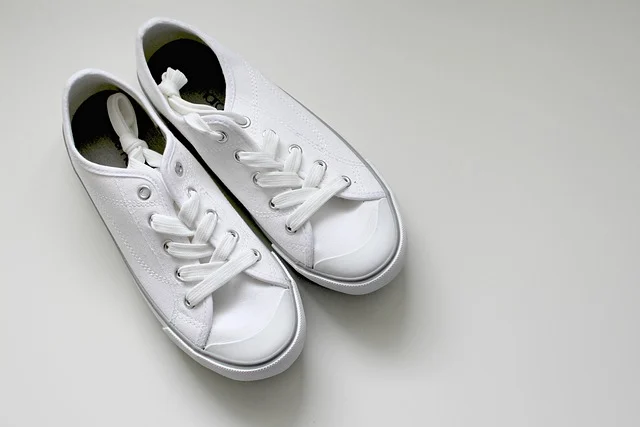
Full-grain and top-grain leather
Leather is the traditional standard for low-profile sneakers due to its durability and structural integrity. High-grade leather conforms to the shape of your foot over time, creating a custom fit that synthetic materials cannot replicate.
Leather uppers resist light rain and moisture better than woven fabrics, and minor scuffs can often be wiped away with a damp cloth or treated with shoe cream. The trade-off is a break-in period where stiff heel counters or collars may press against the skin. Leather also offers less breathability in extreme heat compared to canvas. A prime example of high-end leather design is the Common Projects Achilles Low, which uses fine Italian leather and a stitched Margom rubber sole.
Canvas and woven fabrics
Canvas sneakers offer a lightweight, flexible alternative that keeps feet cool during warmer weather. Cotton canvas uppers mold quickly to the foot without the stiff break-in phase required by heavy leather shoes. According to Southern Living’s April 2026 report, canvas footwear remains particularly favored during spring and summer for its soft feel and casual appearance.
The primary compromise with canvas is lower stain resistance and minimal water protection. Liquid spills quickly soak into un-treated canvas weaves, requiring thorough washing rather than a simple wipe-down. Canvas shoes also offer less structural lateral support, making them less suitable for intense, high-impact walking on uneven surfaces. However, canvas remains far more affordable than leather options.
Eco-conscious and synthetic alternatives
Modern footwear manufacturing increasingly incorporates plant-based leathers, bio-based polyurethane, and recycled synthetic textiles. Brands like Veja utilize materials made from organic cotton coated with resin from corn waste, along with recycled polyester derived from plastic bottles.
Synthetic and recycled materials often provide solid water resistance and lower production footprints. The trade-off varies by material: some synthetic leathers feel stiffer than genuine hide and do not stretch or breathe as effectively, while high-grade bio-leathers match traditional leather in texture but come at a premium price point.
Evaluating sole construction and comfort features
A white sneaker can look flawless on the outside, but without proper internal cushioning and structural support, it will quickly cause foot fatigue during extended wear.

Midsole cushioning and impact absorption
The midsole sits between the upper and the outer rubber tread, providing primary impact protection. Traditional vulcanized sneakers, such as classic flat-soled court shoes, feature thin rubber midsoles that offer excellent board feel and a low profile but minimal shock absorption over long distances.
For extensive walking, molded EVA (ethylene-vinyl acetate) or specialized polyurethane foams absorb heel strikes and protect joints. Performance brand technologies, such as Nike Air units or Adidas Boost foam, disperse impact forces across the footbed. GearLab’s April 2026 review of women’s walking shoes emphasized that adequate midsole thickness prevents forefoot stress when walking across concrete and paved surfaces for hours at a time.
Arch support and toe box fit
Flat court shoes often lack built-in arch contours, relying on thin insoles. If you have high arches or plantar fasciitis, look for models with removable footbeds so you can insert custom orthotics, or select brands engineered with supportive contours.
Toe box width is equally vital. A narrow, tapered toe box pinches the forefoot, leading to rubbing and blisters on the pinky toe. Ensure there is roughly a thumb’s width of space between your longest toe and the end of the shoe when standing, as feet naturally expand during long periods of standing or walking. For comprehensive sizing guidelines, see Best Sneakers for Standing All Day: A Guide to All-Day Comfort.
Comparing white sneaker categories
Different white sneaker styles serve distinct purposes. The table below compares the core categories to help you select the right pair based on material, usage, and maintenance requirements.
| Sneaker Category | Primary Upper Material | Best For | Key Advantage | Main Trade-Off |
|---|---|---|---|---|
| Luxury Minimalist | Full-grain Italian leather | Smart-casual offices, dining, suits | Sleek profile, premium longevity | High cost, requires break-in |
| Heritage Court | Standard smooth leather | Daily casual wear, light walking | Timeless look, easy to clean | Moderate flexibility out of the box |
| Classic Canvas | Cotton canvas | Warm weather, casual weekend wear | Lightweight, highly breathable | Stains easily, lacks water resistance |
| Retro & Tech Runner | Mesh, suede, and leather trim | All-day walking, travel, commuting | Exceptional shock absorption | Chunky appearance, multi-panel cleaning |
| Sustainable / Eco | Bio-leather, recycled synthetics | Conscious consumers, daily wear | Lower environmental impact | Varying flexibility depending on material |
The best white sneakers by category and design
Navigating the options on the market means matching specific models to your daily lifestyle, budget, and wardrobe requirements.

Iconic court shoes and heritage designs
Adidas Stan Smith: Originally introduced for the tennis court, the Stan Smith features a clean leather upper, perforated three-stripe ventilation, and a low-profile rubber cupsole. Its simple silhouette pairs effortlessly with almost any outfit, making it a reliable standard for daily wear.
Nike Air Force 1 ’07: A basketball classic that remains a staple in streetwear. Featuring a thick midsole containing encapsulated Air cushioning and a durable leather upper, it offers a bolder, slightly chunkier silhouette with substantial heel height and support.
Reebok Club C 85: A tennis shoe featuring soft leather uppers and a padded foam sockliner. The shoe provides a slightly softer initial feel than many rigid court shoes, making it popular for immediate out-of-the-box comfort.
Minimalist and luxury leather sneakers
Common Projects Achilles Low: Recognized for its clean lines, spare aesthetic, and gold foil serial number stamped on the heel. Constructed in Italy from smooth nappa leather with a stitched Margom sole, it represents the standard for dressy, minimalist leather sneakers.
Axel Arigato Clean 90: Handcrafted from smooth leather with a slightly higher rubber sole and subtle metallic branding. It offers a structured fit and clean aesthetic suitable for pairing with trousers or smart tailoring at a slightly lower price point than Italian luxury labels.
Sustainable and eco-friendly options
Veja V-10 and V-12: Distinctive for their stitched paneling and wild Amazonian rubber outsoles. The uppers are crafted from sustainably sourced leather, organic cotton, or bio-based leather alternatives. They provide a sturdy, structured feel with subtle brand detailing on the side.
Allbirds Tree Runners: Constructed with a lightweight upper made from eucalyptus tree fiber and a bio-based EVA midsole. While styled more like an athletic runner than a vintage court shoe, they excel in breathability, flexibility, and machine-washable convenience.
High-cushion walking and retro runners
New Balance 550 & 990 Series: The 550 brings retro 1980s basketball styling with layered leather uppers, while models in the 990 series offer premium suede and mesh uppers paired with advanced supportive midsoles designed for heavy walking and commute days.
Hoka Transport / Clifton (White): Built specifically for extended walking and urban transit. Featuring thick EVA foam midsoles and rockered soles that assist forward motion, these provide maximum joint protection for those standing on hard floors all day.
Budget-friendly daily options
Converse Chuck Taylor All Star: Available in low-top and high-top cuts, these canvas classics provide an iconic look at an accessible price. While they feature flat rubber soles with minimal arch support, they remain an adaptable choice for casual styling.
Superga 2750 Cotu Classic: An Italian canvas staple with a thick vulcanized rubber sole. It offers a rounded toe profile and relaxed look that pairs naturally with summer shorts, linen, and denim.
Choosing the best white sneakers for men and women
While many minimalist white trainers are unisex in styling, key fit differences exist between men’s and women’s sizing that directly influence daily comfort and stability.

Fit and sizing considerations for men
Men’s white sneakers are typically built on a standard “D” width last, accommodating broader heel cups and wider forefoot dimensions. Men with flatter feet or heavier body weight benefit from court shoes with reinforced sidewalls or retro runners with multi-density foam midsoles like the New Balance 990 to prevent early medial collapsing.
When selecting white sneakers for men, match the sole height to your typical trouser cut:
- Low-profile cupsoles (such as Stan Smiths or Common Projects) sit cleanly under slim and straight-cut trousers without pushing up the hem.
- Chunky soles (such as Nike Air Force 1s or New Balance 550s) demand wider leg openings or relaxed-fit pants to balance the shoe’s proportions.
Fit and styling considerations for women
Women’s sizing is standard “B” width, featuring a narrower heel cup and a higher arch gradient. Women purchasing unisex models should scale down standard US men’s sizing by 1.5 sizes, but be mindful that unisex shoes often run wider through the heel, which can cause subtle slippage during long walks.
For women seeking daily versatility, slender leather court shoes (such as the Veja Campo or Axel Arigato Clean 90) offer a streamlined silhouette that integrates into tailored work outfits, wide-leg trousers, and casual dresses without adding excessive bulk.
How to style white sneakers across different wardrobes
White sneakers act as a neutral anchor across different clothing styles, blending comfort into structured outfits.
Casual and streetwear styling
Pairing white court shoes or chunky runners with casual denim or cargo trousers is a simple styling baseline. Straight-leg and relaxed-fit jeans sit cleanly over medium-profile sneakers like Nike Air Force 1s or Adidas Stan Smiths.
Whowhatwear.com highlighted in April 2026 that fashion trends continue to favor pairing crisp white low-tops with wider pant silhouettes. Wearing clean leather low-tops with relaxed-fit trousers or jeans creates a balanced, modern proportion that keeps long hems from dragging while maintaining a polished appearance.
Pairing white sneakers with dresses and skirts
Combining crisp white sneakers with dresses creates a practical balance between elegance and casual ease. The key is controlling the shoe’s volume relative to the skirt length and fabric density.
- Midi and maxi dresses: Pair flowing midi or maxi hemlines with low-cut leather or canvas low-tops like Superga 2750s or Veja V-10s. Sleek low-cut ankles elongate the leg and prevent the outfit from feeling weighed down.
- Mini dresses and denim skirts: Slightly chunkier platforms or classic heritage court shoes (such as Reebok Club C 85) add structure and balance to shorter hem lengths.
- Color coordination: Keep sock visibility to zero by choosing low-cut, non-slip socks, or opt for thin white ribbed socks when wearing casual tennis skirts or athletic dresses.
Smart-casual and tailored clothing
Sleek, unadorned leather sneakers can replace traditional dress shoes in many modern workplaces. Pair minimalist low-tops, such as Common Projects or Axel Arigato models, with tailored wool trousers, chinos, or suit pants.
To pull off this look successfully:
- Ensure the sneaker uppers are spotless and free of visible dirt or severe scuffs.
- Select low-profile leather options over bulky running shoes or cloth canvas pairs.
- Choose trousers with a clean crop or minimal break so the hem rests neatly at the top of the sneaker collar.
- Opt for neutral, high-quality socks or no-show socks that stay concealed beneath the collar.
Athleisure integration
For active routines, white retro runners or textile sneakers fit naturally with athletic shorts, joggers, or leggings. The key to clean athleisure styling is keeping color palettes disciplined—combining plain black, grey, cream, or navy athletic wear with clean white sneakers keeps the overall outfit looking intentional rather than disheveled.
Best white sneakers for travel and long-distance walking in Europe
Traveling through European cities requires shoes that handle uneven cobblestones, slick ancient stone pavements, and 10,000 to 20,000 daily steps without causing joint aches or blisters.
Flat, ultra-minimalist court shoes often lack the torsional rigidity and forefoot shock absorption needed for full-day sightseeing. Instead, look for travel-ready features:
- Firm rubber outsoles with micro-groove tread: Smooth leather bottoms slip on wet cobblestones; textured rubber tread provides critical traction.
- Thick, resilient EVA or PU midsoles: High-cushion models like Hoka Transport or New Balance 990 attenuate the jarring impact of hard paved streets.
- Breathable uppers: Leather lined with breathable mesh or high-density canvas prevents heat buildup during warm summer transit days.
Real-world scenarios: choosing for your lifestyle
Understanding how different pairs perform in practical, everyday situations helps narrow down the right purchase:
Scenario 1: The Daily Transit Commuter
A professional who walks two miles daily across pavement and rides public transit needs leather that wipes clean quickly and a midsole that absorbs shock. A cushioned model like an Axel Arigato or a New Balance retro runner provides foot support while maintaining a clean look that transitions easily into an office setting.
Scenario 2: The Warm-Weather Traveler
Someone packing for a summer trip where temperatures are high and packing space is limited benefits from breathable canvas or flexible eco-textiles. A pair of Veja canvas low-tops or Superga 2750s keeps feet cool during long sightseeing walks and packs light in a carry-on bag.
Scenario 3: The Campus or Weekend Runner-Errand Wearer
For low-maintenance daily tasks, affordability and instant versatility matter most. Classic choices like the Adidas Stan Smith or Converse Chuck Taylor offer flexible styling with jeans, shorts, and sweatpants without requiring specialized leather care or high up-front investment.
How to clean and preserve white sneakers
Keeping white footwear clean requires routine maintenance rather than occasional deep scouring. A consistent cleaning routine preserves both the upper material and the sole integrity.
- Apply a protective coat before first wear: Spray new leather or canvas shoes with a water and stain repellent spray. This creates an invisible barrier that prevents mud, dust, and water marks from penetrating deep into the material fibers.
- Perform immediate spot cleaning: Address scuffs and dirt promptly. Use a soft microfibre cloth dampened with warm water and mild liquid soap for leather. A melamine foam sponge works quickly on rubber outer midsoles to remove black scuff marks.
- Deep clean canvas and textile uppers carefully: Mix a small amount of mild detergent in warm water. Dip a soft-bristle brush into the solution and scrub canvas uppers in gentle circular motions. Rinse with a clean, damp cloth and let them air dry away from direct heat or harsh sunlight, which can turn white materials yellow.
- Wash laces separately: Remove laces from the shoe entirely. Soak them in warm water mixed with dish soap or mild laundry detergent, scrub them gently between your palms, rinse thoroughly, and hang them to dry.
- Insert cedar shoe trees for leather models: Cedar shoe trees absorb interior moisture and help smooth out toe box creasing when shoes are stored overnight.
Common buying mistakes and how to avoid them
Avoiding these frequent purchasing missteps will save you money and protect your feet from unnecessary discomfort.

Ignoring outsole tread and rubber quality
Many lifestyle sneakers prioritize sleek exterior leather while using thin, flat outsoles with minimal traction. Smooth outsoles wear down quickly on concrete and become slick on wet tile or pavement. Check that the outsole features durable vulcanized rubber or compound rubber with visible tread patterns.
Rushing the break-in period
Wearing brand-new, stiff leather sneakers for an eight-hour walking day frequently leads to heel blisters and arch pain. Wear new leather shoes for short 1-2 hour periods around the house or on short errands over the first week to allow the leather collar and footbed to soften naturally.
Buying purely for brand name without checking fit
Footwear sizing varies widely between manufacturers. Some European luxury labels run a full size large, while slim court shoes run narrow through the midfoot. Always check sizing notes and try on shoes late in the afternoon when your feet are at their maximum size.
Over-reliance on washing machines
Tossing white sneakers into a washing machine can dissolve structural glues, distort leather uppers, and cause rubber soles to warp or turn yellow from detergent residue. Reserve machine washing exclusively for soft, knit textile shoes that explicitly list machine-washable care instructions, and always hand-wash structured leather or vulcanized rubber pairs.
When white sneakers might not be the right choice
While white sneakers are adaptable, they are not suited for every environment or user preference:
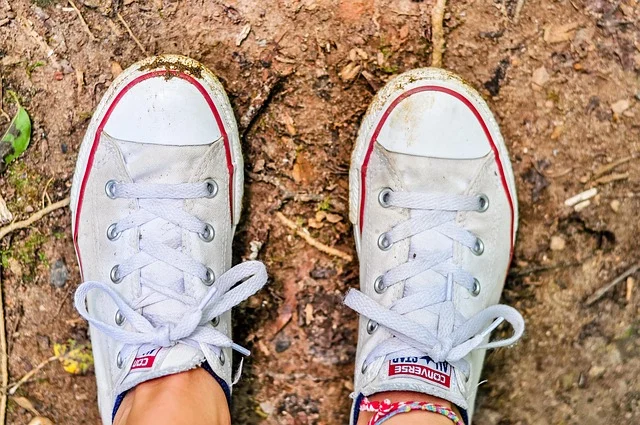
- Extreme weather and muddy terrain: Heavy rain, mud, and unpaved trails will rapidly ruin white canvas and stain leather stitching. Darker leather boots or dedicated trail shoes are far more practical choices for poor weather.
- Low-maintenance priorities: If you prefer shoes you can wear for months without wiping down or treating stains, white footwear will quickly end up looking dirty and neglected.
- Strict formal dress codes: Even high-end leather sneakers like Common Projects remain casual footwear. Traditional boardrooms, formal black-tie events, and strict business environments still demand traditional leather dress shoes or oxfords.
Sources: Sneaker collecting
Frequently asked questions
What is the easiest way to keep white leather sneakers clean?
Wipe them down with a damp microfibre cloth after every few wears, and clean rubber soles using a melamine foam sponge. Applying a repellent spray when shoes are brand new prevents dirt and liquid from soaking into the leather grain.
Can you wear white sneakers with formal suits?
Yes, provided the event or workplace allows smart-casual dress. Choose low-profile, clean white leather sneakers without prominent logos, and ensure the suit trousers are tailored with a clean hem that sits neatly above the shoe collar.
How do I prevent my white sneakers from creasing across the toe box?
Creasing is a natural characteristic of genuine leather as it flexes with your foot. You can minimize deep structural creases by inserting cedar shoe trees when storing the shoes and using shoehorns when putting them on to protect the heel counter.
Why do white sneaker soles turn yellow over time?
Yellowing occurs when rubber compounds oxidize due to exposure to UV light, moisture, and chemical reactions with harsh cleaning detergents. Store your sneakers in a cool, dry place out of direct sunlight and avoid using harsh bleach during cleaning.
What are the best white sneakers for walking all day during travel?
Thick-soled cushioned options like the Hoka Transport or New Balance 990 series offer the best impact protection for cobblestones and concrete. For a sleeker leather option, look for court shoes featuring removable EVA insoles that allow for orthotic arch inserts.


