











Gemstones serve as tangible focal points for personal intentions. Cultures worldwide explore gemstones and their meanings, attributing symbolic qualities like calm, abundance, and love to these minerals. Although scientific evidence for metaphysical properties remains limited according to the Gemological Institute of America, people value them based on appearance, history, and perceived energies.
This guide details popular options—such as Amethyst, Citrine, Rose Quartz, and Black Tourmaline—and their specific traditional meanings. It also offers practical advice on how to choose the right gemstone based on your personal goals and intuition.
1. Amethyst: A guide to gemstones and their meanings
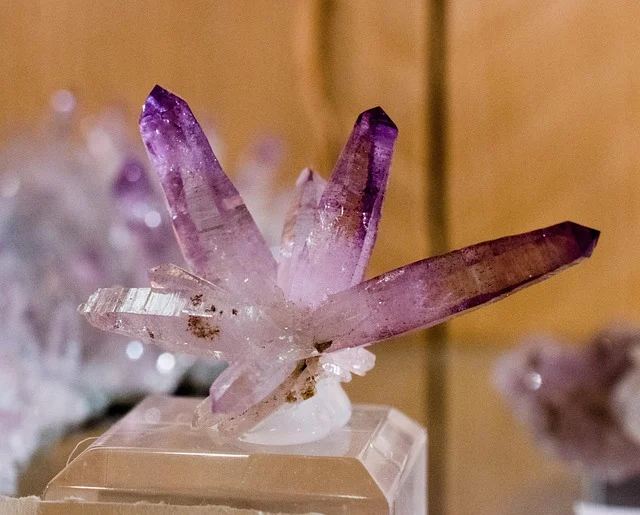
Known for its beautiful violet hues, people often call Amethyst the “stone of spirituality and contentment.” Many believe it enhances intuition, promotes restful sleep, and soothes stress. Many turn to Amethyst when they need to quiet a busy mind or find inner peace. Keep a piece by your bedside for better sleep or carry a tumbled stone when you anticipate a stressful situation. Independent studies suggest that people often associate the color purple with tranquility and introspection, aligning with Amethyst’s perceived properties.
2. Rose Quartz: The Crystal of Unconditional Love
With its gentle pink glow, Rose Quartz is synonymous with love in all its forms – romantic, familial, platonic, and self-love. It’s thought to open the heart, encourage compassion, and promote deep emotional healing. If you’re looking to attract more love into your life or heal past heartbreaks, Rose Quartz is your go-to stone. Place it in your bedroom or carry it with you daily. For example, experts recommend placing Rose Quartz in living spaces to foster a harmonious atmosphere.
3. Clear Quartz: The Master Healer
Often seen as colorless and transparent, Clear Quartz is known for its amplifying properties. Believers say it amplifies energy, thought, and the effect of other crystals. People also say it aids concentration and memory. You can use this versatile stone to cleanse your energy field or program it with specific intentions. It’s a fundamental stone for anyone interested in crystal healing. The GIA notes that jewelers highly value Clear Quartz, or rock crystal, for its clarity and ability to cut into various shapes.
4. Citrine: The Merchant’s Stone
Sunny and bright, people associate Citrine with abundance, prosperity, and success. People often call it the “merchant’s stone” because they believe it brings wealth and happiness to businesses. Citrine also energizes and motivates. Keep a piece in your wallet or cash register, or place it on your desk to boost productivity. As The Times reported in August 2025, contemporary interpretations of birthstones sometimes include Citrine for those born in November, adding to its popular appeal.
5. Black Tourmaline: The Ultimate Protector
For those seeking grounding and protection, Black Tourmaline is a powerhouse. People renown this opaque, often black, stone for its ability to ward off negative energy, protect against electromagnetic radiation (EMF), and promote a sense of security. Many people place it near electronic devices or at the entrance of their homes. According to the American Society of Radiologic Technologists (ASRT) (2020), while research into EMF shielding by crystals is limited, the placebo effect and psychological comfort can be significant. Users report feeling a greater sense of calm in environments where Black Tourmaline is present.
6. Lapis Lazuli: The Stone of Wisdom
With its deep blue color flecked with gold (pyrite), people have revered Lapis Lazuli since antiquity. It’s associated with wisdom, truth, and inner power. It’s believed to encourage self-awareness, honest communication, and spiritual enlightenment. Ancient Egyptians used it extensively in royal jewelry and amulets, signifying its historical importance as noted by the Metropolitan Museum of Art (n.d.). Its striking appearance makes it a sought-after gemstone for both historical and modern jewelry designs.
7. Garnet: The Stone of Passion and Vitality
People often link Garnet, typically known for its deep red hue, to vitality, passion, and energy. Many believe it boosts self-confidence, inspires creativity, and promotes strong relationships. Also, many consider Garnet a powerful stone for physical and emotional health, encouraging a sense of well-being and courage. As one of the traditional birthstones for January, history establishes its symbolism of strength and protection.
8. Moonstone: The Stone of New Beginnings
Characterized by its ethereal glow and adularescence, people associate Moonstone with feminine energy, intuition, and new beginnings. Practitioners believe it calms emotional reactions, provides balance, and enhances psychic abilities. Crystal healers often recommend Moonstone for those seeking emotional stability or embarking on new life phases. Its connection to the moon cycles further adds to its mystique and appeal.
9. Labradorite: The Stone of Magic and Transformation
With its iridescent flashes of color, people often call Labradorite the “stone of magic.” Many believe it enhances intuition, protects against negativity, and facilitates transformation. Also, people think this stone helps individuals uncover their hidden potential and navigate through periods of change with greater ease. Its captivating play-of-color makes it a popular choice for unique jewelry.
10. Carnelian: The Stone of Courage and Motivation
People associate Carnelian, a vibrant orange-red chalcedony, with courage, motivation, and creativity. Believers say it boosts energy levels, inspires passion, and enhances focus. Practitioners often use Carnelians to overcome self-doubt and embrace life with enthusiasm. Also, people think its warm energy invigorates and builds confidence.
How to Choose the Right Gemstone for You
With so many beautiful options, how do you pick the one that’s right for you? It’s less about complicated rules and more about intuition and intention.
- Trust Your Gut: When you see a gemstone, does it draw you in? Does its color, texture, or vibe feel appealing? Your intuition is often the best guide.
- Consider Your Needs: What are you looking to achieve or enhance in your life right now? Are you seeking calm, confidence, love, or protection? Match your intention to the known meanings of the stones.
- Research: Read about different stones, their properties, and their histories. This background can deepen your connection. For example, websites like GIA.edu offer reliable information on gemstone properties and identification.
- Start Simple: You don’t need dozens of stones to start. First, begin with one or two that resonate strongly with you.
When selecting a gemstone, consider its origin and ethical sourcing. Many consumers in 2026 are prioritizing transparency and sustainability in their purchases, looking for stones that are mined responsibly and traded fairly. Resources from organizations like the World Jewellery Confederation (CIBJO) can offer guidance on ethical practices.
Incorporating Gemstones into Your Daily Routine
Owning a gemstone is only the first step; integrating its energy into your life can amplify its benefits. Here are several practical ways to do so:
Wearing Gemstones as Jewelry
The most common way to connect with a gemstone’s energy is by wearing it. Whether it’s a ring, necklace, bracelet, or earrings, wearing gemstones close to your skin allows their vibrations to interact with your personal energy field. For instance, wearing Amethyst as a pendant can be a constant reminder to stay calm, while a Rose Quartz bracelet can serve as a touchstone for self-love throughout the day.
Gemstones in Your Living Space
Placing specific gemstones in different areas of your home can influence the energy of those spaces. For example:
- Bedroom: Amethyst or Rose Quartz for restful sleep and loving energy.
- Home Office: Citrine or Clear Quartz to enhance productivity, focus, and attract abundance.
- Entrance: Black Tourmaline or Smoky Quartz to create a protective barrier against negative energies.
- Living Room: Lapis Lazuli or Green Aventurine to promote harmonious communication and well-being.
Ensure you place gemstones in areas where you can see them regularly to serve as visual reminders of your intentions.
Meditation and Mindfulness Practices
Gemstones can be powerful tools during meditation. Hold a stone that aligns with your meditation goal – perhaps Clear Quartz to amplify your intentions or Lapis Lazuli for wisdom. Focus on the stone’s energy, its color, and its perceived properties as you breathe deeply. This practice can help anchor your focus and deepen your meditative state.
Gemstone Elixirs (Water Infusion)
You can use certain non-toxic gemstones to create gemstone elixirs. Place a cleansed gemstone in a glass of purified water (ensure the stone is not directly touching the water if it’s toxic or porous, using an indirect method with a separate container). Let it sit for a few hours or overnight. Practitioners believe the water then infuses with the stone’s energy. You can drink this infused water, add it to baths, or use it to mist plants. Always research the safety of creating elixirs for specific stones, as some are toxic.
Desk and Workspace Enhancements
Keep small tumbled stones or larger specimens on your desk or workspace. These act as physical anchors for your intentions, helping to maintain focus, boost creativity, or attract prosperity. Citrine is particularly popular for business environments. As mentioned in the context of engagement rings by Vogue (August 2025), the personal meaning attached to a gemstone can significantly influence its perceived value and impact.
The Science and Psychology Behind Gemstone Meanings
While belief systems and anecdotal evidence largely form the basis for the metaphysical properties of gemstones, researchers have a growing understanding of the psychological and neurological impact they can have. Color psychology plays a significant role; for instance, the calming blue of Lapis Lazuli or the vibrant yellow of Citrine can evoke specific emotional responses. The act of choosing and focusing on a gemstone can act as a form of mindfulness or intention-setting, which has well-documented psychological benefits.
The concept of symbolic meaning is also powerful. As Danny McBride’s upcoming book ‘Thrilling Tales of Modern Men’ (The Hollywood Reporter, January 2026) suggests, narratives and symbols inherently draw humans in to help them understand themselves and the world. Gemstones, with their rich histories and diverse meanings, provide a tangible connection to these deeper human needs for meaning, purpose, and self-expression. The psychological comfort derived from believing in a stone’s protective qualities, even if not scientifically proven, can be substantial.
Caring for Your Gemstones
To maintain the beauty and energetic integrity of your gemstones, proper care is essential:
- Cleansing: Regularly cleanse your stones to remove any accumulated negative energy. Methods include rinsing under cool running water (for most durable stones), smudging with sage, or placing them on a Selenite slab. However, avoid using salt water on porous or soft stones like Turquoise or Lapis Lazuli.
- Charging: After cleansing, you can charge stones under moonlight (especially full moon) or sunlight (be cautious, as sunlight can fade some stones like Amethyst). Placing them on Clear Quartz is also an effective way to charge them.
- Storage: Store your gemstones separately in soft pouches or lined boxes to prevent scratching. Also, be mindful of storing stones with different hardness levels together.
- Avoid Harsh Chemicals: Keep gemstones away from household cleaners, perfumes, and lotions, as these can damage their surface or alter their color.
Frequently Asked Questions
Are gemstone meanings scientifically proven?
Science has not proven the metaphysical meanings and healing properties attributed to gemstones. However, their meanings hold significant cultural and psychological importance. Color psychology, the placebo effect, and the power of intention and mindfulness practices—which researchers recognize as psychological phenomena—often create these perceived benefits. Organizations like the GIA focus on the scientific properties of gemstones, such as their composition and physical characteristics.
Can I use more than one gemstone at a time?
Yes, absolutely. Many people use multiple gemstones simultaneously to create synergistic effects or address various needs. Users often place Clear Quartz alongside other gems to amplify their energy. Experts generally recommend that you start with a few stones that resonate with you and gradually expand your collection. Ensure the stones you combine are compatible and don’t have conflicting energies if you are sensitive to them.
How often should I cleanse and charge my gemstones?
The frequency depends on how often you use the stones and your personal sensitivity. As a general guideline, cleanse and charge your primary working stones monthly. If you use a stone extensively for emotional healing or in stressful situations, you might want to cleanse and charge it weekly or even after each use. Observing the stone’s appearance and your own energy levels can also indicate when you need to cleanse it.
Are all gemstones safe to wear or use in elixirs?
No, not all gemstones are safe for direct skin contact or for use in elixirs. Some stones contain toxic elements (like Arsenic in some Orpiment) or are porous and can leach harmful substances into water. Always research a specific gemstone’s safety profile before wearing it for extended periods or using it to create an elixir. The GIA provides extensive information on gemstone properties, and reputable crystal healing resources will detail safety precautions.
What is the difference between a gemstone and a crystal?
In common usage, people often use the terms “gemstone” and “crystal” interchangeably, especially in the context of metaphysical properties. Scientifically, constituent atoms, molecules, or ions arrange themselves in a highly ordered microscopic structure to form a solid crystal material, creating a crystal lattice that extends in all directions. People typically value gemstones for their beauty, rarity, and durability, which are often crystals (like Quartz, Amethyst, Diamond) or amorphous solids (like Opal) or even organic materials (like Pearl, Amber). So, while nature makes many gemstones as crystals, people do not consider all crystals gemstones, and vice-versa.
Conclusion
Gemstones and their meanings offer a fascinating bridge between the tangible world of minerals and the intangible realms of intention, psychology, and personal growth. Whether their aesthetic beauty, historical significance, or perceived energetic properties draw you in, these natural treasures can serve as powerful allies on your life’s journey. As the industry continues to highlight their value as assets and their personal significance grows, understanding their meanings empowers you to choose stones that resonate with your aspirations. So embrace the wisdom of the earth and discover how these ancient wonders can bring modern magic into your life.
Source: Britannica
Sources: List of names derived from gemstones