













Stones and gems hold symbolic meanings rooted in geological structure, cultural history, and ancient folklore. They range from grounding black tourmaline for protection to vibrant citrine for optimism. Understanding stones, gems, and their meanings allows you to choose gems based on physical durability, color symbolism, and traditional intentions like clarity, calm, or confidence.
It is not just about sparkle anymore. Stones, gems, and their meanings are woven into the fabric of fashion, blending ancient symbolism with contemporary aesthetics. Forget purely decorative accessories—these natural mineral formations increasingly serve as personal talismans, visual anchors, and expressive style statements. Direct answer: Stones, gems, and their meanings are experiencing a resurgence, driven by a desire for personal expression, wellness, and connection to nature. Modern trends incorporate their symbolic and energetic properties into jewelry, fashion, and home decor, moving beyond mere aesthetics to offer deeper personal significance.
What is the structural difference between stones, minerals, and gemstones?
Before exploring symbolic associations, learn what separates a common stone from a precious gemstone. This clarifies how these materials are valued and worn.
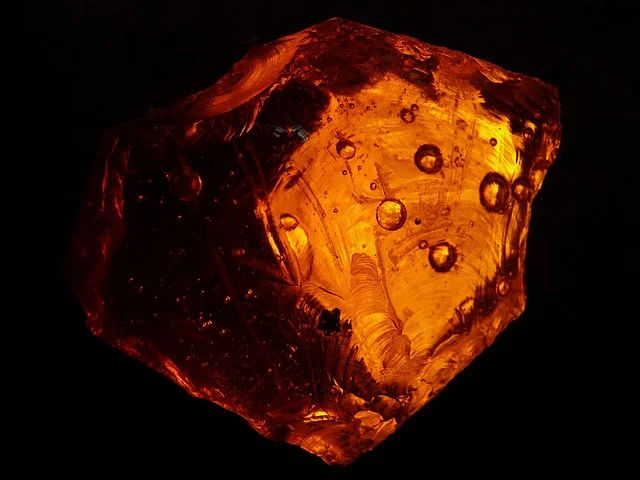
- Minerals: Naturally occurring, inorganic solids with a definite chemical composition and ordered crystalline structure. Examples include quartz, fluorite, and pyrite.
- Rocks and Stones: Aggregates made up of one or more minerals, or mineraloids. For example, lapis lazuli is a metamorphic rock formed from lazurite, calcite, and pyrite, rather than a single mineral crystal.
- Gemstones: Minerals or organic substances (like amber and pearl) that possess beauty, rarity, and durability when cut and polished for adornment.
Historically, the jewelry industry divided gemstones into two categories: “precious” (diamonds, rubies, sapphires, and emeralds) and “semi-precious” (all other natural gems like quartz, amethyst, and garnet). Modern gemology largely rejects this strict division, as high-quality semi-precious stones such as tsavorite garnet or Paraiba tourmaline often command higher per-carat value and display greater rarity than commercial-grade diamonds.
Gemstone durability is measured using the Mohs Hardness Scale, developed in 1812 by mineralogist Friedrich Mohs. The scale ranks minerals from 1 (softest, such as talc) to 10 (hardest, diamond). A gem’s position on this scale dictates how safely it can be worn in everyday ring settings versus protected pendant mountings.
A detailed guide to popular stones, gems, and their meanings
While interpretations vary across cultures, certain gemstone meanings have established deep roots in historical tradition, folklore, and modern mindfulness practices.
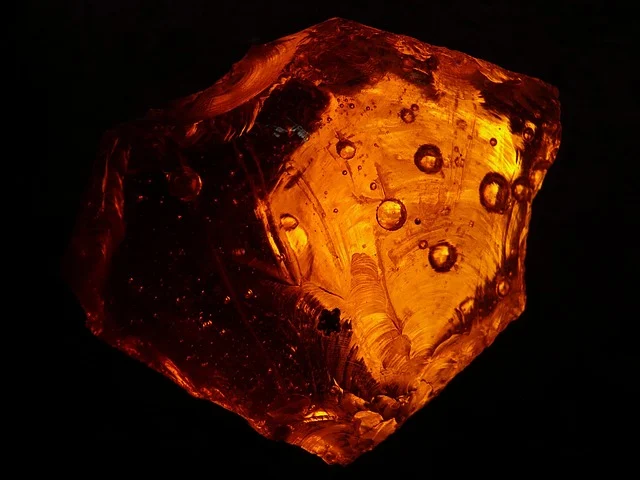
Amethyst
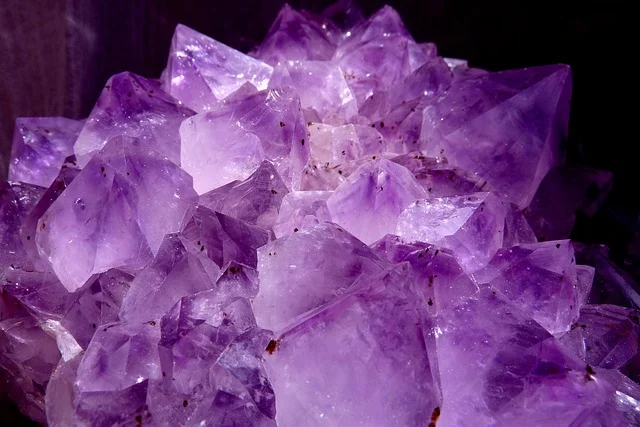
Amethyst is a purple variety of macrocrystalline quartz with a Mohs hardness of 7. Historically associated with sobriety, peace, and mental clarity, ancient Greeks crafted drinking vessels from amethyst believing it prevented intoxication. Its deep violet hue works well in everyday rings and necklaces. However, prolonged exposure to direct sunlight causes its color to fade over time.
Rose Quartz
Rose quartz belongs to the quartz mineral family, registering 7 on the Mohs scale. Recognized universally as the stone of unconditional love, self-compassion, and emotional healing, its pale pink shade comes from trace amounts of titanium, iron, or manganese. Because of its hardness, rose quartz withstands daily wear in rings, bangles, and pendants without scratching easily.
Clear Quartz
Known in crystalline lore as the “master healer,” clear quartz sits at Mohs hardness 7. It consists of pure silicon dioxide. Also, it is revered for its ability to amplify focus, thought, and the energy of surrounding stones. Its transparent clarity makes it a versatile central feature in minimalist gold or silver settings.
Citrine
Citrine is a yellow-to-golden quartz variety with a Mohs hardness of 7, associated with joy, financial abundance, and optimistic manifestation. Natural citrine is rare, exhibiting a pale, smoky yellow shade. However, most commercial citrine on the market is heat-treated amethyst or smoky quartz, which exhibits a deeper burnt-orange hue.
Lapis Lazuli
Lapis lazuli is a deep blue metamorphic rock dotted with gold pyrite flecks and white calcite veins, carrying a Mohs hardness between 5 and 5.5. Historically favored by ancient Egyptian royalty for funeral masks and scarabs, lapis lazuli symbolizes truth, wisdom, and royal authority. Because it is porous and relatively soft, lapis lazuli requires protective bezel settings and must be kept away from harsh liquids.
Black Tourmaline
Black tourmaline, also known as schorl, is a complex cyclosilicate mineral with a Mohs hardness of 7 to 7.5. It is widely considered a premier protective stone, believed to absorb negative energy and shield the wearer from environmental stress. Its high durability makes it ideal for statement rings, heavy cuffs, and everyday talismans.
Moonstone
A member of the feldspar mineral group with a Mohs hardness of 6, moonstone is famous for its optical effect called adularescence—a milky blue shimmer beneath the surface. Symbolizing intuition, new beginnings, and emotional balance, moonstone requires setting care due to its cleavable crystalline layers. These layers make it susceptible to cracking if struck hard.
Carnelian
Carnelian is a brownish-red to orange chalcedony quartz registering 6.5 to 7 on the Mohs scale. Historically worn by Roman soldiers for courage and strength in battle, carnelian is linked with motivation, creative action, and physical energy.
Moss Agate
Moss agate is a form of chalcedony containing green inclusions of chlorite or hornblende that resemble moss or foliage. Carrying a Mohs hardness of 6.5 to 7, it is associated with grounding, connection to nature, and physical vitality. Also, its unique organic patterns make each cut stone distinct.
Malachite
Malachite is a copper carbonate hydroxide mineral with a Mohs hardness of 3.5 to 4. Featuring distinctive light and dark green concentric bands, malachite symbolizes deep emotional transformation and protection. Due to its softness and sensitivity to acids and hot water, malachite requires gentle handling and protective jewelry settings.
Comparing key gemstones by hardness, meanings, and care rules
The table below compares popular gemstones across structural properties, symbolic associations, daily wear suitability, and primary care risks.
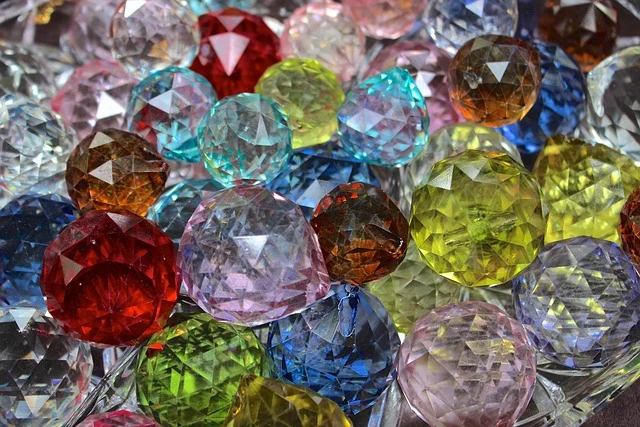
| Gemstone | Mineral Class | Primary Symbolism | Mohs Hardness | Daily Wear Suitability | Primary Care Warning |
|---|---|---|---|---|---|
| Amethyst | Quartz | Peace, Sobriety, Clarity | 7 | High (All Jewelry) | Fades under direct sunlight |
| Rose Quartz | Quartz | Love, Emotional Healing | 7 | High (All Jewelry) | Clean with mild soap only |
| Citrine | Quartz | Abundance, Optimism | 7 | High (All Jewelry) | Avoid extreme temperature changes |
| Lapis Lazuli | Metamorphic Rock | Truth, Wisdom | 5–5.5 | Moderate (Pendants/Earrings) | Porous; keep dry and acid-free |
| Black Tourmaline | Tourmaline | Protection, Grounding | 7–7.5 | High (Rings/Bracelets) | Protect against sharp blows |
| Moonstone | Feldspar | Intuition, Renewal | 6 | Moderate (Bezel Mountings) | Prone to cleavage cracks |
| Malachite | Carbonate | Transformation | 3.5–4 | Low (Occasional Wear) | Water-sensitive; scratches easily |
Why are gemstone meanings driving modern style trends?
The renewed interest in stones, gems, and their meanings stems from a broader cultural shift toward intentional living and mindfulness. After years of digital saturation, individuals seek tactile connections to natural history. A report by The New York Times in 2026 highlighted a surge in searches for gemstone properties and mineral attributes, particularly among buyers looking for personal empowerment tools.
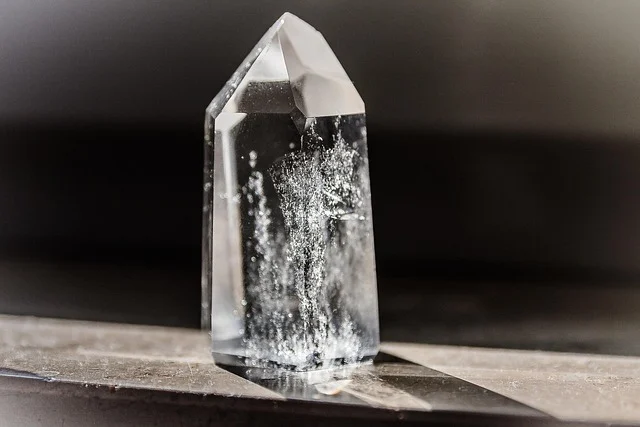
Wearing jewelry featuring Lapis Lazuli for truth or Rose Quartz for compassion offers a personal physical touchstone. It represents a quiet statement of individual intent—combining aesthetics with self-awareness. Modern design has adapted accordingly, pairing raw, uncut stones with recycled silver, ethically sourced wood, and minimalist gold settings to let the mineral’s natural structure take center stage.
How do you choose and style gemstones for personal goals?
Selecting and styling gemstones relies on matching your personal goals with stone properties and selecting appropriate physical mountings.
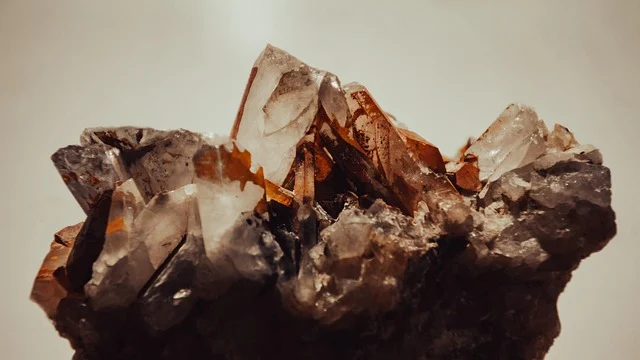
Matching gems to specific personal intentions
Select stones that reflect the qualities you want to emphasize during your day:
- For Focus and Decision-Making: Clear Quartz, Fluorite, or Sodalite.
- For Confidence and Creative Drive: Carnelian, Citrine, or Sunstone.
- For Stress Reduction and Calm: Amethyst, Aquamarine, or Larimar.
- For Protection and Boundaries: Black Tourmaline, Obsidian, or Smoky Quartz.
- For Emotional Renewal: Rose Quartz, Green Aventurine, or Rhodonite.
A 2023 article in Vogue noted that high-profile figures frequently choose intention-backed gemstones for public appearances. As a result, this drives demand for pieces that balance visual impact with personal meaning.
Optimizing placement and jewelry stacking
Where you position a gemstone alters how you interact with it throughout the day:
- Necklaces and Pendants: Positioned near the center of the chest, necklaces suit stones aimed at emotional harmony, such as Rose Quartz, or self-expression, such as Lapis Lazuli.
- Rings and Bracelets: Wearing stones on your dominant hand aligns with expressing energy outward (such as Carnelian for project execution). Wearing stones on your non-dominant hand aligns with receiving energy (such as Amethyst for personal calm).
- Layering Stacks: When combining pieces, group stones with complementary properties. For instance, pairing Clear Quartz with Citrine amplifies focus on new goals. See What is Fashion Jewelry? Your Guide to Trendy Accessories for step-by-step jewelry stacking guidelines.
Selecting protective settings for softer minerals
To keep delicate gemstones from breaking or scratching, choose settings according to Mohs hardness:
- Prong Settings: Open prong settings suit durable minerals rated 7 or higher on the Mohs scale. This allows light to illuminate stones like Quartz and Garnet.
- Bezel Settings: Solid metal rims enclosing the gemstone perimeter are crucial for soft or cleavable stones rated under 6.5, such as Moonstone, Lapis Lazuli, Opal, and Malachite. The raised metal ring protects stone edges against daily bumps.
How should you clean, recharge, and care for your gemstones?
Maintaining natural gemstones requires attention to both physical cleanliness and structural preservation.
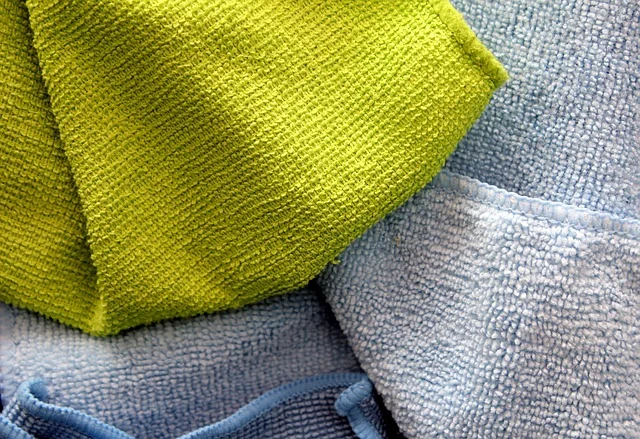
Physical cleaning rules by gemstone type
The American Gem Society outlines specific care protocols based on gemstone mineral structure:
- Hard, Non-Porous Stones (Quartz, Garnet, Tourmaline): Clean using warm water, a tiny drop of mild dish soap, and a soft-bristled toothbrush. Rinse thoroughly and dry with a lint-free cloth.
- Soft or Porous Minerals (Malachite, Lapis Lazuli, Turquoise, Opal): Wipe gently with a soft, slightly damp microfiber cloth. Never submerge porous gems in liquid, and avoid ultrasonic cleaners or harsh chemical steam.
- Sunlight Sensitivity: According to the World Jewellery Confederation (CIBJO), prolonged UV exposure causes color degradation in light-sensitive gemstones like Amethyst, Rose Quartz, Citrine, and Fluorite. Store these gems in dark jewelry boxes when not in use.
Energetic cleansing practices
For those using gemstones as symbolic talismans, traditional cleansing restores their visual and personal clarity:
- Moonlight Bathing: Place your stones on a windowsill exposed to full moonlight overnight. This method is completely safe for all mineral types.
- Selenite Cleansing Plates: Rest gemstones on top of a selenite slab for several hours to clear accumulated dust and restore surface luster.
- Sound Resonating: Expose fragile gems to sound vibrations from a brass singing bowl or chime, which clears energy without touching delicate surfaces.
- Smudging: Pass stones through smoke from dried sage or palo santo.
- Water Safety Warning: Never submerge soft minerals (Mohs hardness under 5) or iron-bearing gems (such as Pyrite or Hematite) in water or salt solutions, as water degrades their structure and dissolves surface polish.
How to verify gemstone authenticity and avoid synthetic fakes
Ensuring authenticity prevents purchasing cheap glass or synthetic imitations passed off as natural gems.
For valuable precious stones, request third-party lab verification. Certifications from institutions like the Gemological Institute of America (GIA) provide detailed analysis of stone dimensions, origin, and treatments. A official report from the Gemological Institute of America (GIA) confirms whether a gemstone is natural, lab-grown, or heat-treated.
To evaluate semi-precious stones without formal reports, watch for these key indicators:
- Temperature and Weight: Real natural minerals feel noticeably cold to the touch initially and carry more heft than synthetic plastic or acrylic substitutes.
- Internal Inclusions: Natural gems usually feature slight internal imperfections, color banding, or mineral inclusions under 10x magnification. However, perfect clarity at low price points often signals glass.
- Spotting Heat-Treated Quartz: Commercial heat-treated amethyst sold as citrine displays dark burnt-orange tips with opaque white bases. However, natural citrine shows a uniform pale straw yellow across the entire crystal.
- Dyed Howlite vs Turquoise: White howlite dyed blue is frequently sold as turquoise. Real turquoise exhibits subtle matrix veins and natural color variation, whereas dyed howlite shows heavy dye concentrations inside microscopic surface cracks.
Always cross-reference seller details with trusted mineral databases like CrystalVa.com to confirm that physical descriptions match real gemological species.
Who gemstone trends may not suit
While natural gemstones offer rich symbolism and visual style, they are not ideal for every lifestyle:
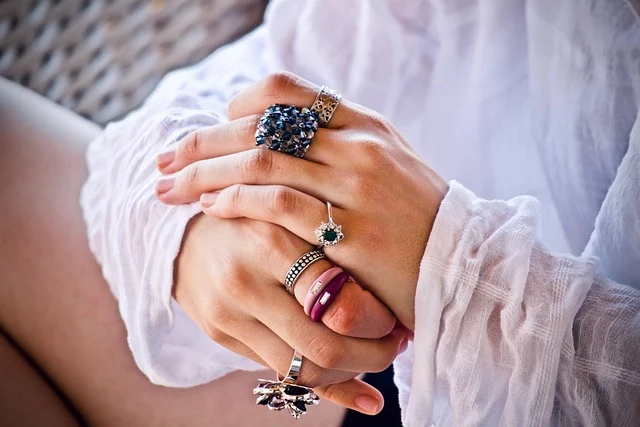
- Manual Laborers and Heavy Athletes: Soft stones (Mohs under 6.5) worn in rings or bracelets scratch or chip rapidly during high-impact hands-on activities.
- Empirical Purists: Those who require scientific proof for metaphysical claims should treat gemstone meanings as personal symbolic tools, mindfulness prompts, or aesthetic choices rather than functional medical treatments.
- Resale Investors: Most semi-precious gemstones do not appreciate in value over time. Buy them for personal enjoyment, durability, and visual appeal rather than financial speculation.
Frequently asked questions
Are the meanings of stones and gems scientifically proven?
No, the meanings and purported energetic properties of stones and gems are not scientifically proven. They are based on historical beliefs, folklore, spiritual practices, and personal experiences rather than empirical scientific evidence.
How do I choose a gemstone that’s right for me?
Choosing a gemstone is an intuitive process based on your current personal goals or emotional intentions. You can select stones by reading their traditional meanings. Alternatively, simply choose minerals whose colors and structural patterns visually attract you.
Can I wear multiple stones with different meanings at once?
Yes, you can wear multiple gemstones with different meanings simultaneously. Many people layer necklaces or wear multiple stone rings to combine complementary intentions, such as pairing black tourmaline for protection with rose quartz for emotional harmony.
What’s the difference between a stone and a gem?
A stone is a broad term for any natural solid mineral or rock matter. A gem or gemstone is a specific stone or mineral that possesses exceptional beauty, rarity, and durability suitable for cutting and setting into jewelry.
How should I cleanse my gemstones?
Safe cleansing methods include placing stones under moonlight, resting them on selenite plates, or exposing them to sound vibrations from singing bowls. Avoid soaking soft or porous minerals like malachite, lapis lazuli, and selenite in water or leaving light-sensitive gems in direct sunlight.
The enduring appeal of stones, gems, and their meanings lies in their balance of geological beauty and personal symbolism. By learning about mineral hardness, proper setting design, and care methods, you can build a gemstone collection that remains radiant over years of wear. Anarchy Label offers statement jewelry designed to integrate natural gemstone elements smoothly into your modern wardrobe.


