










erstanding the hardness scale and selecting appropriate gems.
What is the Gemstone Hardness Scale?
This guide covers everything about Gemstone Hardness Scale: Choosing Durable Jewelry for Every Lifestyle. At its core, the Gemstone Hardness Scale, most famously the Mohs scale, is a ranking system that measures a mineral’s resistance to scratching. Developed by Friedrich Mohs in the early 19th century, it assigns a number from 1 (talc, the softest) to 10 (diamond, the hardest). A harder mineral can scratch a softer one, but not vice versa. For instance, a substance with a Mohs hardness of 7 can scratch any substance with a hardness of 6 or less.
Last updated: May 6, 2026
This scale is vital for jewelry makers and buyers because it directly impacts how well a gemstone will hold up to daily wear and tear. A gem that’s easily scratched might lose its luster or develop an unappealing matte finish over time, diminishing its beauty and value.
Why Hardness Matters for Your Jewelry
Think about your daily activities. Do you type a lot, work with your hands, play sports, or simply bump into things? These actions subject your jewelry to friction and impact. A ring worn daily will encounter more potential scratching than earrings worn only for special occasions. Therefore, selecting a gemstone with adequate hardness for its intended use is paramount.
For instance, using a relatively soft gemstone like Lapis Lazuli (Mohs 5-6) in a ring worn daily might lead to noticeable scratches within months, whereas a Sapphire (Mohs 9) would likely remain pristine for decades. Understanding this relationship helps you make informed choices that align with your lifestyle and the longevity you expect from your pieces.
The Mohs Scale Explained: From Softest to Hardest
Let’s break down the Mohs scale with common gemstones. This helps contextualize where your favorite gems fall and what that means for their durability:
Softer Gemstones (Mohs 1-4): Delicate Beauties
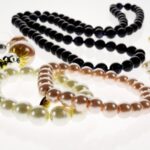
Gems in this range are quite soft and prone to scratching and chipping. They are generally not recommended for jewelry that sees daily wear, especially in rings or bracelets. Amber (Mohs 2-2.5), Coral (Mohs 3-3.5), and Pearls (Mohs 2.5-4) fall into this category. While beautiful, they require very gentle handling and are best reserved for special occasions or pieces with protective settings.
Mid-Range Gemstones (Mohs 5-6): Moderate Durability
Gems like Turquoise (Mohs 5-6), Lapis Lazuli (Mohs 5-6), and Emerald (Mohs 7.5-8, but often softer due to inclusions) offer decent durability but can still be scratched by common materials like quartz (found in dust and sand, Mohs 7). They can work for everyday wear if the wearer is mindful, but they aren’t as strong as higher-ranked stones. Emeralds, while technically harder, often have internal fractures that compromise their toughness, making them more susceptible to damage.
Harder Gemstones (Mohs 7+): The Everyday Warriors
This is where you find the workhorses of the jewelry world. Quartz (Mohs 7), the primary component of amethyst, citrine, and rose quartz, is a good starting point. Moving up, Garnet (Mohs 6.5-7.5), Spinel (Mohs 7.5-8), Topaz (Mohs 8), and Corundum (Sapphire and Ruby, Mohs 9) offer excellent durability. Diamond (Mohs 10) is the undisputed champion. These gems can withstand the rigors of daily life much better, making them ideal for engagement rings, wedding bands, and other frequently worn items.
Beyond Hardness: Toughness and Stability
While hardness (scratch resistance) is crucial, it’s not the only factor determining a gemstone’s lifespan. Toughness refers to a gem’s resistance to chipping, cracking, or breaking from impact. A hard stone might resist scratching but could be brittle and shatter easily.
For example, Zircon (Mohs 6.5-7.5) is harder than Emerald (Mohs 7.5-8), but Emeralds are generally considered tougher. Diamonds (Mohs 10) are incredibly hard but can chip along their cleavage planes if struck forcefully. Another consideration is stability – a gemstone’s resistance to damage from light, chemicals, heat, or sudden temperature changes. Some gems, like pearls or opals, can be sensitive to these environmental factors, affecting their long-term appearance even if they aren’t easily scratched.
When choosing jewelry, especially for frequent wear, it’s wise to consider all three: hardness, toughness, and stability. For example, while Opal has a Mohs hardness of 5.5-6.5, its tendency to craze (develop fine cracks) due to dehydration means it requires careful maintenance and is less suitable for active lifestyles than a Sapphire.
Choosing Durable Jewelry for Every Lifestyle
Your lifestyle should heavily influence your gemstone choices. Here’s a breakdown:
The Active Lifestyle: Built for Impact
If your hands are constantly in motion, working out, or exposed to accidental bumps, you need the hardest, toughest gems available. Think Diamonds (10), Sapphires (9), and Rubies (9). Moissanite, a lab-created diamond simulant, also boasts a Mohs hardness of 9.25 and is an excellent, often more budget-friendly, option. These stones can handle the most demanding daily wear without showing significant signs of damage.
The Professional & Social Butterfly: Balanced Brilliance
For those who need jewelry that transitions from the office to evening events, a balance of hardness and aesthetic appeal is key. Garnets (6.5-7.5), Spinels (7.5-8), and Topaz (8) offer good durability and come in a stunning array of colors. While Quartz varieties like Amethyst and Citrine (7) are also popular, they might show wear more readily with very frequent, rough handling.
The Minimalist & Occasional Wearer: Delicate Charm
If you wear jewelry only for specific events or prefer a more delicate aesthetic, you have more flexibility. Pearls, Opals, Turquoise, and Lapis Lazuli can be beautiful choices. These stones require more care, such as storing them separately from harder gems and avoiding exposure to chemicals or harsh cleaning agents. However, with mindful wear and proper maintenance, they can still be cherished for years.
Gemstone Durability vs. Cost: Finding Value
There’s often a perception that the hardest gemstones are the most expensive, and while that’s frequently true (think diamonds), there are many durable and beautiful options that offer great value. As of May 2026, understanding the interplay between hardness, rarity, and market demand helps uncover these gems.
For example, Sapphires and Rubies (both Mohs 9) command high prices, especially in top quality. However, Spinel (Mohs 7.5-8) offers comparable durability and comes in vibrant colors like red, pink, and blue, often at a lower price point than its Corundum cousins. Similarly, Garnets (Mohs 6.5-7.5) are widely available in many hues and are significantly more affordable than many other colored gemstones of similar hardness.
Lab-created stones also present a fantastic value proposition. Lab-grown diamonds and sapphires offer the same physical properties (including hardness) as their natural counterparts but at a reduced cost. This makes high-durability jewelry more accessible for a wider range of budgets. For instance, a 1-carat lab-grown sapphire can be purchased for a fraction of the price of a natural one, providing exceptional scratch resistance for everyday wear.
| Gemstone | Mohs Hardness | Toughness | Typical Use Case | Approximate Price Range (as of 2026) |
|---|---|---|---|---|
| Diamond | 10 | Excellent | Everyday Rings, Bracelets | $$$$$ |
| Sapphire/Ruby | 9 | Very Good | Engagement Rings, Everyday Pendants | $$$$ |
| Spinel | 7.5-8 | Good | Colored Rings, Bracelets | $$$ |
| Topaz | 8 | Good | Rings, Earrings | $$$ |
| Garnet | 6.5-7.5 | Good | Everyday Rings, Bracelets (mindful wear) | $$ |
| Amethyst/Citrine (Quartz) | 7 | Good | Occasional Rings, Pendants | $$ |
| Emerald | 7.5-8 | Fair (due to inclusions) | Occasional Rings, Earrings | $$$$ |
| Pearl | 2.5-4 | Fair | Occasional Earrings, Necklaces | $$$ |
Note: Price ranges are highly variable based on quality, size, origin, and treatments. “$” denotes relative cost per carat. For precise figures, consult reputable jewelers.
Common Mistakes to Avoid When Choosing Gemstones
Many people make common errors when selecting jewelry based on gemstone hardness. One prevalent mistake is assuming all colorful stones are equally durable. For instance, many are drawn to the vibrant red of a Ruby (Mohs 9) but might overlook the similar color in a softer Garnet (Mohs 6.5-7.5) for an engagement ring, leading to premature damage.
Another pitfall is focusing solely on hardness and ignoring toughness or stability. A diamond, while incredibly hard, can be chipped. An emerald, though harder than some gems, is often brittle due to internal fractures and requires careful wear. Consumers also sometimes fall for treatments that enhance appearance but can compromise durability or require special cleaning methods.
Finally, not considering the intended use is a major oversight. A beautiful but soft opal might be chosen for a daily-wear ring, destined to be scratched or damaged quickly. Always match the gemstone’s properties to your lifestyle.
Tips for Maximizing Gemstone Jewelry Lifespan
To ensure your jewelry remains beautiful for years, regardless of the gemstone’s hardness, follow these practices:
- Store Separately: Keep gemstones and jewelry pieces apart to prevent harder stones from scratching softer ones during storage. Use individual pouches or compartments.
- Mindful Wear: Remove jewelry before engaging in strenuous activities, household chores, swimming, or applying lotions and perfumes. These can damage gems or their settings.
- Gentle Cleaning: Use a soft brush, mild soap, and warm water for most gemstones. For softer or porous stones like pearls, opals, or turquoise, avoid ultrasonic cleaners and harsh chemicals. Consult a jeweler if unsure.
- Regular Inspection: Have your jewelry inspected by a professional at least once a year to check for loose stones or wear on settings.
- Know Your Gemstone: Understand the specific care requirements for each type of gemstone you own. A quick search or a jeweler’s advice can save a treasured piece.
Understanding the Mohs scale empowers you to make informed decisions, ensuring your jewelry not only looks stunning but also withstands the test of time and lifestyle. For further insights into gemstone properties, explore Choosing Gemstone Jewelry: Durability, Care, and Style Tips 2026 on gemstone treatments.
Frequently Asked Questions
What is the hardest gemstone?
The hardest known natural gemstone is the diamond, which ranks a perfect 10 on the Mohs Hardness Scale. Its extreme hardness makes it exceptionally resistant to scratching, ideal for jewelry that endures daily wear.
Are diamonds the only good option for engagement rings?
No, while diamonds are excellent, other hard gemstones like sapphires (Mohs 9) and moissanite (Mohs 9.25) are also very durable and suitable for engagement rings. They offer similar scratch resistance and come in various beautiful colors.
Which gemstones should I avoid for everyday wear?
Gemstones with a Mohs hardness below 7 are generally not ideal for everyday wear, especially in rings. This includes pearls (2.5-4), amber (2-2.5), coral (3-3.5), lapis lazuli (5-6), and turquoise (5-6), as they are more prone to scratching and chipping.
How does gemstone toughness differ from hardness?
Hardness refers to scratch resistance, while toughness measures a gemstone’s resistance to chipping and breaking from impact. A gem can be hard but brittle (like some diamonds along cleavage planes), or less hard but very tough.
Are treated gemstones less durable?
Treatments can affect durability. For example, fracture filling can make a gem appear better but may not improve its actual toughness. Some heat treatments can stabilize stones, while others might make them more brittle. Always ask about treatments when purchasing.
Can softer gemstones be set in protective mountings?
Yes, softer gemstones can be worn if set in protective mountings, such as bezel settings that fully enclose the stone’s girdle, or recessed into pendants or earrings. This shields them from direct impact and abrasion.
Ultimately, choosing durable jewelry is about making smart choices that align with how you live. By understanding the Gemstone Hardness Scale and considering factors like toughness and stability, you can select pieces that not only capture your eye but also stand the test of time, offering lasting beauty and value.
Last reviewed: May 2026. Information current as of publication; pricing and product details may change.
Editorial Note: This article was researched and written by the Anarchy Label editorial team. We fact-check our content and update it regularly. For questions or corrections, contact us. Knowing how to address Gemstone Hardness Scale: Choosing Durable Jewelry for Every Lifestyle early makes the rest of your plan easier to keep on track.