











2026’s top wardrobe staples for every woman center on seven core items: an elevated mid-weight white t-shirt, a structured tailored blazer, straight-leg dark denim or wide-leg trousers, a classic water-resistant trench coat, a fine-gauge cashmere or merino sweater, a neutral slip or sheath dress, and versatile leather footwear. These foundation pieces pair across seasons to generate dozens of outfits from fewer than twenty garments.
Building a wardrobe around essential foundation pieces simplifies daily dressing, lowers overall wardrobe costs, and ensures you always look polished. Rather than chasing fast-moving fashion cycles, prioritizing solid garment construction, premium natural fibers, and timeless silhouettes creates a versatile closet that adapts smoothly between work, weekend, and evening settings.
How to build a versatile capsule with core wardrobe staples
A functional wardrobe relies on a predictable ratio: roughly three tops for every bottom layer, supported by two outer layers and two pairs of versatile shoes. This balance ensures that a single pair of tailored trousers or classic denim can yield four to five distinct looks without repeating identical outfits during the workweek.

To make a foundation wardrobe function without feeling repetitive, organize your clothing around a three-tiered color palette:
- Base neutrals (60% of wardrobe): Navy, black, dark charcoal, and chocolate brown serve as anchor colors for tailored coats, trousers, and blazers.
- Bridging neutrals (30% of wardrobe): Off-white, soft cream, light beige, camel, and heather grey bridge darker bottoms and lighter tops.
- Personal accents (10% of wardrobe): Muted tones such as olive, deep burgundy, or dusty blue add dimension through scarves, knits, or leather goods.
Matching fabric weights across seasons is equally critical. Heavy wools pair easily with mid-weight cotton tees, while smooth silk or Tencel drapes cleanly under structured tailoring. Choosing fabrics that layer without adding excess bulk allows individual core items to transition from early autumn days to freezing winter weather.
What are the essential wardrobe staples every woman needs?
Every key garment must meet specific benchmarks for fabric density, seam stitching strength, and structural longevity. Below are the primary building blocks of modern women’s personal style.
1. The premium heavy-grade white t-shirt
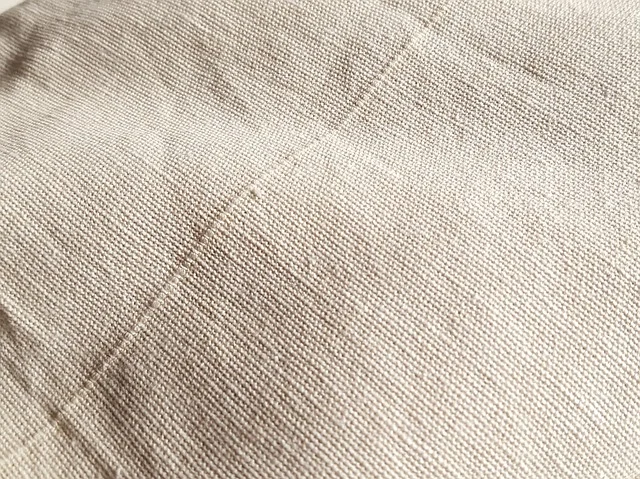
A thin, sheer white t-shirt quickly loses shape and yellows after a few laundering cycles. The modern foundation white t-shirt utilizes a dense 180 to 220 GSM (grams per square meter) fabric, woven from long-staple Pima cotton, organic combed cotton, or a modal blend. This weight provides complete opacity, holds structural drape across the shoulders, and resists sagging at the neckline.
Look for double-stitched flat seams, a reinforced crew neck or soft V-neck, and shoulder seams that align precisely with your shoulder point. A clean white t-shirt pairs effortlessly with structured trousers for professional meetings or relaxed denim for weekend outings. For practical guidance on styling casual footwear with polished tops, review our recommendations on outfit combinations.
Who it does not suit: Anyone requiring high thermal insulation or severe compression should opt for a ribbed wool or thermal long-sleeve knit instead, as lightweight cotton crew tees offer limited heat retention in winter weather.
2. The tailored neutral blazer
A well-constructed blazer adds immediate form and polish to informal outfits. A navy, black, or deep taupe blazer crafted from mid-weight tropical wool, wool gabardine, or heavy crepe serves as an essential layer. In 2026, relaxed yet tailored cuts dominate classic suiting, providing professional polish with movement.
When selecting a blazer, evaluate three key fit areas:
- Shoulder point: The shoulder seam must sit directly where your shoulder drops—neither extending past your silhouette nor pulling tight across your upper back.
- Torso drape: When buttoned, the front panels should rest flat without pulling into an ‘X’ shape across your midsection.
- Sleeve drop: The sleeve cuff should hit precisely at the wrist bone, leaving room for a quarter-inch of shirt cuff to show beneath.
In contemporary fashion, single-breasted jackets with a two-button closure offer maximum adaptability across varied body shapes, making them easy to layer open over casual knits or buttoned over blouses.
3. Tailored trousers and straight-leg denim
Bottoms dictate the proportions of every outfit. A high-waisted, wide-leg trouser in a wool blend or fluid drape viscose offers structured movement and pairs naturally with close-fitting tops. Concurrently, high-rise straight-leg denim in a dark wash or solid medium blue provides a timeless foundation for daily wear.
For denim, choose a fabric composition of 98% cotton and 2% elastane, or 100% rigid cotton. Pure cotton creates a vintage structure that adapts to your frame over time, while a 2% stretch mix retains its shape through long periods of sitting without sagging at the knees. Ensure tailored trousers are hemmed to float a quarter-inch above the floor when paired with your preferred comfortable flats or low heels.
4. The water-resistant trench coat
Outerwear protects against changing weather while finalizing your look. The classic double-breasted trench coat—crafted from tightly woven cotton gabardine or water-repellent recycled poly-cotton—remains an unmatched outerwear staple. Features such as storm flaps, adjustable wrist straps, and a removable waist belt allow you to adjust the shape based on your under-layers.
Choose shades like honey beige, dark olive, or classic navy. The length should hit at or just below the knee, creating a balanced line over both midi skirts and wide-leg trousers. As noted in Vogue’s recent trend reports, trench coats continue to hold their position as an essential garment, offering subtle updates in storm-collar design and functional water-repellent weaves.
5. High-gauge cashmere or merino wool knits
A fine-gauge knit sweater provides warmth without bulk. A 12-gauge crewneck or turtleneck sweater made from 2-ply Grade-A cashmere or extra-fine merino wool functions as an ideal thermal layer beneath blazers and trench coats.
Natural wool fibers regulate body temperature far better than synthetic acrylics, absorbing moisture while blocking cold drafts. A mid-grey, oatmeal, or navy crewneck can be tucked loosely into high-waisted trousers or worn untucked over slim jeans. Hand-washing in cool water with wool wash and drying flat ensures the knit keeps its shape and soft texture for years.
6. The versatile neutral dress
Whether a structured sheath dress, a bias-cut slip dress, or an A-line shirt dress, a single-piece garment in a solid neutral shade (such as black, dark navy, or deep chocolate) simplifies dressing for formal occasions. It acts as a neutral canvas for varied jackets, shoes, and jewelry.
Prioritize fabrics with substantial weight, such as heavy silk crepe, Tencel Lyocell, or double-knit ponte. A high-grade slip dress can be layered under a thick knit sweater to function as a midi skirt, or paired with a structured blazer and heels for evening events. Selecting garments made from certified sustainable fabrics supports responsible purchasing while guaranteeing garment strength.
7. Essential leather footwear and foundation accessories
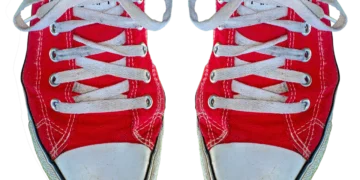
Footwear establishes the tone of an ensemble. A streamlined foundation requires three core shoe options: a clean white leather dress sneaker, a tailored leather loafer or ballet flat, and a sleek leather boot featuring a low block heel (1.5 to 2 inches).
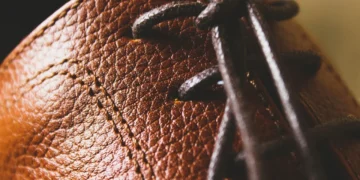
Full-grain leather uppers combined with leather or rubber outsoles deliver comfort and resoleable longevity. Completing these with a structured leather tote or clean crossbody bag provides a practical accessory setup capable of handling work commutes, travel days, and social dinners.
Comparing core wardrobe fabrics for durability and performance
Selecting the correct fabric determines how well your essential garments survive routine wear and frequent cleaning. The table below compares the performance of four primary fabric groups used in foundational women’s clothing.
| Fabric Category | Key Performance Features | Breathability & Comfort | Care Level | Best Used For |
|---|---|---|---|---|
| Long-Staple Cotton (Pima/Organic) | Resists surface pilling, high tensile strength, holds color dye | High breathability, gentle on sensitive skin | Machine wash cold, lay flat or line dry | T-shirts, trench coat gabardine, everyday denim |
| Merino Wool & Cashmere | Natural insulation, odor-resistant, excellent thermal efficiency | High breathability, soft non-scratch drape | Hand wash cold or dry clean, dry flat flat | Knit sweaters, winter cardigans, suiting blazers |
| Tencel Lyocell & Silk Crepe | Fluid drape, subtle matte sheen, smooth surface feel | Moderate to high breathability, cooling hand feel | Delicate machine cycle or hand wash cold, steam iron | Slip dresses, fluid blouses, wide-leg summer trousers |
| Wool Gabardine & Crepe Blends | Holds pressed creases, wrinkle-resistant, structural shape retention | Moderate breathability, multi-season performance | Dry clean or spot clean, steam maintenance | Tailored blazers, work trousers, structured coats |
How to style wardrobe staples across four seasons
A properly assembled staple collection adapts easily to changing seasonal conditions through deliberate layering formulas:

- Spring formula: Pair straight-leg denim with an elevated white t-shirt, layer the water-resistant trench coat over top, and complete with leather loafers and a structured tote.
- Summer formula: Wear wide-leg Tencel trousers with a fine-gauge silk or modal tank top, pairing with flat leather sandals and an unbuttoned lightweight linen shirt as a sun layer.
- Autumn formula: Tuck a 12-gauge merino wool crewneck into tailored high-waisted wool trousers, adding the single-breasted blazer and ankle boots.
- Winter formula: Layer a fine cashmere turtleneck beneath a tailored blazer, add wide-leg trousers, and top with a heavy wool trench coat or overcoat, finishing with leather boots.
What tailoring rules ensure a perfect fit for foundational pieces?
Off-the-rack garments are constructed using standardized size forms, meaning they rarely fit an individual body perfectly without minor adjustments. Budgeting for simple tailoring elevates basic pieces into custom-fitting garments.
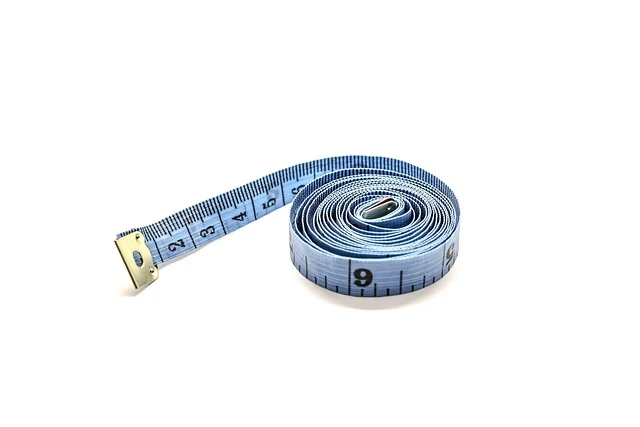
- Trouser hem alignment: Wide-leg trousers should clear the floor by roughly a quarter-inch to half-inch when worn with your most frequent shoe choice. Straight-leg denim should break lightly over the top of your ankle boot or sneaker without pooling fabric at the bottom.
- Shoulder seam placement: On blazers and non-oversized coats, shoulder seams must end right at the edge of the acromion bone (the outer point of your shoulder). Seams hanging further down create a slouched look unless the garment is explicitly cut as an oversized drop-shoulder style.
- Sleeve length calibration: Long sleeves should stop at the wrist bone. Jackets and coats should allow enough clearance so shirt cuffs can extend slightly, maintaining balanced proportions.
- Waistband alteration: If trousers fit your hips but gap at the lower back, ask a tailor to take in the back waistband seam or insert hidden waist darts for a secure fit.
What common mistakes ruin a staple wardrobe?
Assembling a high-performing collection of wardrobe staples requires avoiding common purchasing traps that compromise comfort and longevity:
- Mistaking fast-fashion basics for true staples: Inexpensive basic tees and trousers frequently rely on short-staple cotton or synthetic blends that stretch out, lose structural shape, or pill heavily after three washes. Prioritize fabric density and weave quality over lower initial price tags.
- Ignoring inner garment construction: Inspect interior seam finishing, pocket linings, and blazer linings before buying. Unlined or poorly serged interior seams fray over time and cause tailored jackets to drag across your back.
- Overlooking care commitments: Buying dry-clean-only garments when you prefer low-maintenance home washing results in unworn clothes sitting in laundry piles. Match garment wash care instructions to your daily routine.
- Buying for an idealized routine: Select pieces that align with your actual day-to-day work environment and mobility needs. If you work remotely or walk extensively, prioritize elevated knitwear, stretch-wool trousers, and flat leather footwear over stiff suits and high heels.
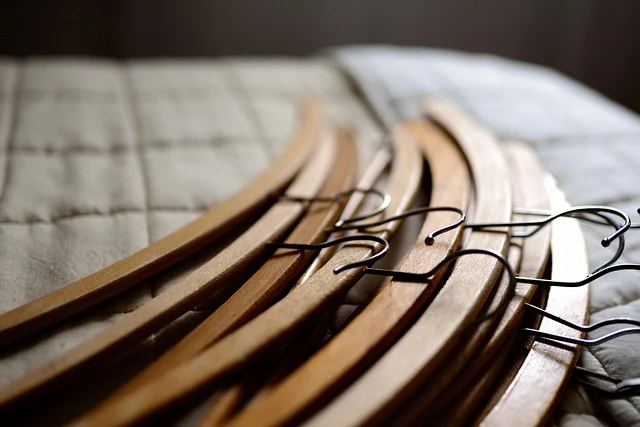
- Neglecting fabric maintenance: Over-washing garments breaks down fibers prematurely. Airing garments out on wide padded hangers and spot-cleaning small marks keeps fine fabrics fresh between seasonal cleans.
How can you express personal style with neutral staples?
A neutral staple wardrobe does not mean dull or uniform dressing. Individual style comes forward through deliberate texture contrast, proportion combinations, and accent accessories.

In modern fashion, mixing contrasting fabric textures creates visual richness without relying on busy prints. Try pairing a tactile chunky wool sweater with a smooth bias-cut silk midi dress, or placing a matte wool blazer over a lustrous silk shirt and raw denim. The contrast between soft, matte, and glossy materials adds immediate interest.
Adjusting garment proportions offers another way to show your aesthetic preference. Pairing an oversized, structured blazer with fitted straight-leg denim creates a modern architectural frame. Alternatively, tucking a fitted white t-shirt into high-waisted, wide-leg fluid trousers delivers a long, lengthened line suited for work or dinner outings.
Accessories provide the final layer of personality. Gold or silver jewelry, textured leather belts, structured handbags, and silk scarves introduce subtle color and shine while keeping your main garments easy to mix and match.
How to care for and maintain your wardrobe staples for years
Routine care dramatically extends the life of high-grade fabrics, maximizing cost-per-wear and keeping clothes looking sharp. Implement these maintenance habits for your core items:

- Reduce wash frequency: Outerwear, tailored blazers, dark denim, and heavy knits do not require washing after every single use. Hang items outdoors or near an open window on wide hangers to air out, and spot-clean minor spots with mild soapy water.
- Use cold water and gentler detergents: High water temperatures degrade natural fibers, shrinking cotton and felting delicate wools. Wash cotton tees and delicates inside-out using gentle cycles and cool water.
- Skip the tumble dryer: Tumble heat breaks down elastane in stretch denim and tightens cotton knits. Hang clothes or lay them flat on drying racks away from direct sunlight to preserve colors.
- Use fabric maintenance tools: A battery-operated lint shaver removes surface pilling from wool knits, cedar blocks deter closet pests, and a garment steamer smooths stubborn wrinkles without scorching wool or silk weaves.
According to data published by the United Nations Environment Programme, extending the active life of clothing items by just nine months reduces their carbon, water, and waste impact by up to 30%. Maintaining your essential wardrobe pieces serves both your budget and environmental footprint.
Frequently asked questions
What are the most important wardrobe staples for women in 2026?
The key staples include an elevated mid-weight white t-shirt, a tailored blazer, dark straight-leg denim or wide-leg trousers, a water-resistant trench coat, a fine cashmere or merino sweater, a neutral slip or sheath dress, and quality leather footwear.
How many staple pieces should I aim for in my wardrobe?
A balanced capsule wardrobe usually contains 15 to 25 core staple items. Focusing on a focused palette of interchangeable, high-quality garments generates dozens of potential outfit combinations while keeping your closet uncluttered.
Are trends important when building a staple wardrobe?
Staple garments should resist rapid trend cycles to maintain their relevance over multiple seasons. However, you can incorporate subtle updates through contemporary proportions, updated necklines, or accent accessories.
How can I ensure my wardrobe staples last longer?
Invest in dense natural fabrics, launder items in cool water, air-dry structured garments, and use fabric shavers to remove wool pilling. Proper storage on wide padded hangers prevents shoulder distortion and extends garment life.
What is the best way to define my personal style within a staple wardrobe?
Express personal style by combining varied fabric textures, adjusting garment proportions, and adding distinct accessories such as leather belts, silk scarves, or personal jewelry to your neutral foundation pieces.
Are vintage pieces considered suitable wardrobe staples?
Yes, vintage trench coats, leather jackets, and wool blazers frequently offer heavier fabric weights and superior stitching compared to modern fast fashion. Selecting vintage staples provides durability while supporting sustainable clothing choices.


