










Brands that support Europe strengthen local economies and regional craftsmanship by manufacturing within European countries under fair labor laws and strict environmental standards. Identifying these genuine businesses requires looking past “Designed in Europe” labels to verify where the last substantial processing occurred and checking supply chain transparency.
Consumers can verify authentic European manufacturing across fashion, beauty, supplements, and home goods by checking factory location disclosures, third-party certifications, and chemical safety compliance like REACH. The coverage also details European Food Safety Authority standards for supplements, ethical supply chain disclosures regarding Palestine, and the economic benefits of local production.
Brands That Support Europe: Sourcing Rules, Supplement Guide, and Verification Steps
Brands that support Europe are businesses committed to strengthening local economies, ethical production, European sourcing, and regional craftsmanship by manufacturing within European countries under fair labor laws and strict environmental standards. Identifying these brands requires looking past “Designed in Europe” marketing to verify origin certifications, local supply chain percentage, and compliance with EU regulatory frameworks.
This guide breaks down key indicators of genuine European support across sectors like fashion, beauty, supplements, and home goods. It covers how consumers can identify these brands using third-party certifications, evaluate supply chain transparency, and understand the economic and environmental impact of choosing European-made products.
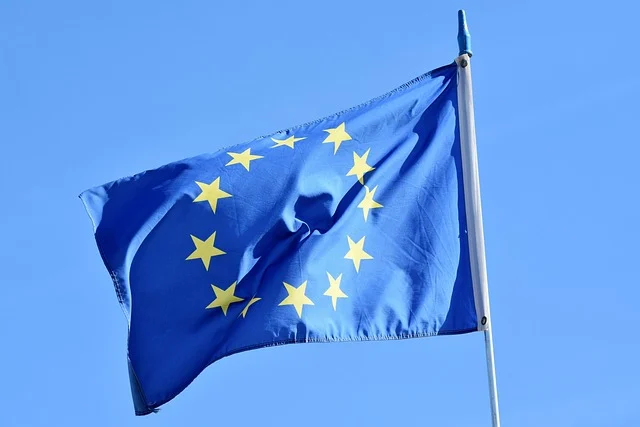
What is the definition of a ‘European brand’?
Generally, a ‘European brand’ is one that’s headquartered, has significant manufacturing operations, and/or sources a substantial portion of its materials within European countries, often adhering to EU standards and values.
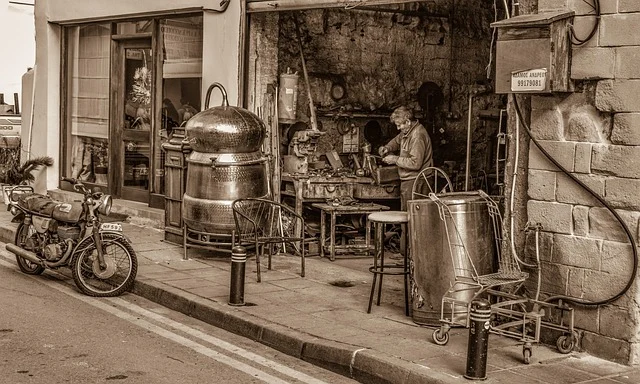
However, legal ownership alone does not make a company genuinely supportive of the European economy. Under Union Customs Code rules, the location of the “last substantial, economically justified processing” determines a product’s origin. Many corporate entities maintain corporate headquarters in London, Paris, or Berlin while fully outsourcing production to third countries with weaker labor protections and environmental regulations. A true European brand invests directly in the continent’s industrial ecosystem by employing local workers, upholding regional workplace safety standards, and sourcing raw or semi-finished goods within Europe whenever feasible.
Brands from europe: How to verify genuine European manufacturing and sourcing
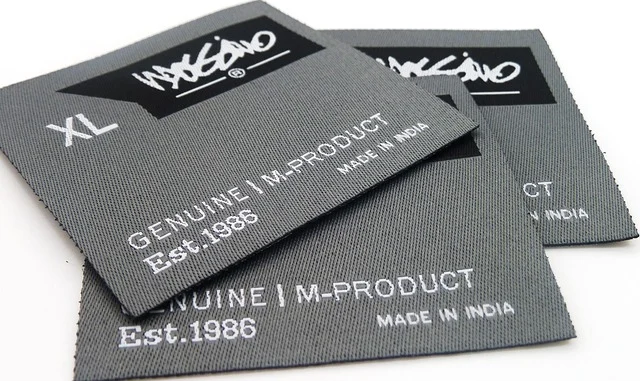
Consumers searching for genuine brands from Europe must navigate subtle differences in labeling law. Phrases like “Designed in Italy” or “Engineered in Germany” frequently indicate that creative design occurred in Europe, but physical production was offshore. To verify authentic European manufacturing, buyers must look for specific legal designations and audit the supply chain trail.
| Labeling Claim | Legal Meaning | European Economic & Impact Level |
|---|---|---|
| Made in EU / Made in [Country] | The last substantial transformation or assembly occurred inside an EU or European member state under national employment laws. | High — Supports local wages, regional tax bases, and strict European workplace standards. |
| Designed in / Created in Europe | Design, branding, or initial conceptual engineering took place in Europe; actual manufacturing occurs overseas. | Low — Capital investment and factory jobs remain outside the European region. |
| 100% European Sourcing | Raw materials, processing, dyeing, assembly, and packaging are contained entirely within European borders. | Maximum — Retains full economic value within the region while minimizing Scope 3 transit emissions. |
To confirm that a product stems from legitimate European production, follow this audit process:
- Check factory location disclosures: Ethical European brands publish public lists of tier-1 and tier-2 facilities, naming specific regions in countries like Portugal, Italy, Poland, France, or Romania.
- Verify regional craft certifications: Look for geographical indications and regional protection seals, such as “Made in Germany” trade standard documentation, French Entreprise du Patrimoine Vivant (EPV) status, or official Italian craftsmanship registries.
- Cross-check chemical and safety compliance: Products manufactured inside the EU must comply with REACH chemical limits, guaranteeing the elimination of toxic dyes, heavy metals, and persistent organic pollutants.
European supplements brands: Regulatory standards, quality, and origin
The market for European supplements brands operates under strict regulatory oversight compared to non-EU markets. In Europe, European Food Safety Authority (EFSA) scientific opinions and EU Directive 2002/46/EC govern food supplements, dictating permitted vitamin and mineral forms, maximum safe dosage levels, and mandatory health claim verifications.
When evaluating European supplement brands, origin matters for both raw botanical cultivation and final encapsulation or compounding. Key indicators of top-tier European supplement manufacturing include:
- EFSA and GMP Compliance: Good Manufacturing Practice (GMP) certification inside European facilities ensures strict hygiene, ingredient identity testing, and protection against industrial contamination.
- EU Organic Euro-Leaf Certification: Botanical supplements bearing the EU organic logo guarantee that herbal ingredients were cultivated without synthetic pesticides, genetically modified organisms (GMOs), or synthetic fertilizers on European soil.
- Heavy Metal and Contaminant Screening: European supplement standards enforce stringent thresholds for lead, cadmium, mercury, and polycyclic aromatic hydrocarbons (PAHs), requiring batch-specific testing protocols in ISO-accredited European laboratories.
Buying supplements produced within Europe protects consumers from adulterated ingredients and undisclosed active compounds often found in unvetted direct-to-consumer imports from non-regulated markets.
European brands that support Palestine: Ethical commitments and supply chain disclosures
Many consumers specifically look for European brands that support Palestine through direct corporate philanthropy, ethical sourcing policies, or explicit corporate social responsibility (CSR) statements regarding human rights and peace in the Middle East. Evaluating these commitments requires analyzing public financial disclosures, corporate actions, and adherence to international trade guidelines.
To assess whether a European brand aligns with ethical considerations regarding Palestine, consider the following factors:
- Humanitarian Aid Pledges: Transparent European companies publish documented financial or in-kind donations to accredited international aid organizations operating on the ground, such as the Red Cross/Red Crescent, UNRWA, or Médecins Sans Frontières.
- Settlement Trade Exclusions: European Union guidance (Notice 2015/C 375/05) requires clear origin labeling on goods coming from disputed territories. Ethical European brands maintain strict procurement rules that explicitly exclude sourcing components, agricultural products, or raw materials from illegal settlements in occupied territories.
- Ethical Directory Tracking: Independent consumer oversight bodies, boycott databases, and non-governmental ethical monitoring platforms publish audited profiles detailing whether European brand parent companies hold active commercial ties to conflict zones or military supply chains.
How can I tell if a brand truly supports Europe, not just uses the label?
Look for transparency regarding sourcing and manufacturing, check for relevant certifications (like EU Ecolabel or GOTS), research their commitment to ethical labour practices, and understand their broader company ethos beyond just product origin.
To go deeper, execute a step-by-step transparency check before purchasing:
- Audit the “About” and “Supply Chain” Pages: A company genuinely supporting European production will explicitly name its factories, partner tanneries, mills, or laboratories rather than using vague promotional language like “crafted ethically worldwide.”
- Verify Third-Party Certifications: Look for independent third-party seals that require rigorous auditing, including:
- EU Ecolabel: Guarantees reduced environmental impact across a product’s entire life cycle.
- GOTS (Global Organic Textile Standard): Ensures both organic fiber origin and strict social compliance across textile facilities.
- Fair Wear Foundation: Audits working conditions, collective bargaining rights, and living wages inside garment factories.
- Review Data Privacy and Corporate Citizenship: Authentic European businesses adhere strictly to the General Data Protection Regulation (GDPR) and pay corporate income taxes within European jurisdictions, reinvesting into local infrastructure.
Are European-made products always more expensive?
Often, yes, due to higher labour costs, stringent environmental regulations, and the use of quality materials. However, the increased durability and ethical production can represent better long-term value.

The upfront cost difference reflects structured structural investments in local society:
- Living Wages and Worker Safety: European labor laws enforce minimum wages, paid leave, national healthcare contributions, and strict workplace safety measures.
- Environmental Protection Compliance: Managing industrial discharge, hazardous chemical handling, and energy efficiency under strict European regulations adds operational costs that cheap overseas factories bypass.
- Material Integrity: European producers tend to utilize higher-density textiles, full-grain leathers, food-grade stainless steel, and purer chemical compounds, extending product lifespans significantly.
When evaluated on a cost-per-wear or cost-per-year-of-use basis, high-quality European products frequently cost less over time than fast-consumption goods that require frequent replacement.
Which sectors in Europe have the most brands committed to sustainability?
Fashion and apparel, beauty and personal care, and home goods are leading sectors where brands are actively demonstrating a commitment to sustainability and European values.
Sector-specific dynamics include:
- Textiles and Apparel: Traditional textile hubs in Portugal, Northern Italy, and France lead the transition to organic cotton weaving, non-toxic vegetable tanning, and circular mechanical recycling.
- Skincare and Cosmetics: European beauty companies operate under EU Regulation 1223/2009, which bans over 1,300 hazardous chemicals (compared to significantly fewer banned substances in other major global markets).
- Furniture and Woodwork: European home goods brands use FSC-certified timber harvested from sustainably managed Nordic and Central European forests, maintaining century-old woodworking heritage.
What are the benefits of choosing European brands over global ones?
Benefits include supporting local economies, preserving craftsmanship, ensuring higher ethical and environmental standards, and often receiving products of superior quality and durability.
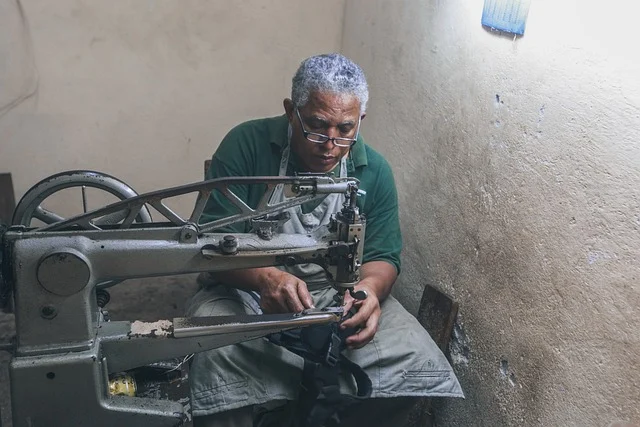
Selecting European goods directly impacts broader economic and environmental ecosystems:
- Shorter Transport Routes: Shipping goods within Europe drastically reduces long-haul maritime freight emissions, cutting Scope 3 carbon impacts.
- Preservation of Traditional Skills: Regional demand preserves historic craft techniques—such as Venetian glassblowing, Portuguese ceramics, and Solingen metal forging—that would otherwise be lost to automated mass manufacture.
- Higher Regulatory Recourse: European consumer protection laws mandate clear 2-year statutory warranty rights for consumer goods sold inside the EU, protecting buyers against premature failures.
Are there any platforms that help me find brands supporting Europe?
Yes, websites like Euronomy.eu are dedicated to curating European alternatives, and review sites like Good On You often feature and assess European brands based on their sustainability and ethical practices.
Additional resources for discovering verified European manufacturers include:
- Ethical Consumer: Detailed databases assessing brand ownership, supply chain ethics, tax conduct, and political activity.
- Local Chambers of Craft and Commerce: National registers highlighting certified artisan businesses and local producers.
- B Corp Directory (Europe): Searchable index filtering European businesses that meet verified standards of social and environmental performance.
Who buying European-made products does and does not suit
Who it suits best:
- Conscious and Value-Driven Consumers: Buyers who want assurance that their purchases do not support unsafe labor conditions, human rights abuses, or environmental destruction.
- Quality and Longevity Seekers: Individuals building curated, durable wardrobes or living spaces using well-engineered goods built to last.
- Health-Sensitive Buyers: Consumers seeking non-toxic textiles, strict skincare formulations, and pure supplements verified under European safety standards.
Who it does not suit:
- Ultra-Low-Budget Shoppers: Consumers needing rock-bottom prices driven by low overseas labor costs.
- Fast-Fashion Consumers: Buyers seeking rapid weekly style turnover rather than enduring, timeless items.
- Niche Consumer Electronics Buyers: Consumers seeking specific high-tech hardware where global component supply chains are exclusively concentrated outside Europe.
Frequently asked questions
What is the difference between ‘Made in EU’ and ‘Made in Europe’?
‘Made in EU’ specifically denotes manufacturing inside one of the official European Union member states adhering to EU directives. ‘Made in Europe’ is a broader geographic description that includes non-EU European nations such as the United Kingdom, Switzerland, and Norway.
How do I know if a European brand is greenwashing?
Check whether verifiable third-party certifications like the EU Ecolabel, GOTS, or OEKO-TEX Standard 100 back their sustainability claims. If a brand uses vague terms like “eco-friendly” or “green” without publishing factory lists, ingredient breakdowns, or audit reports, it is likely greenwashing.
Are products made in Eastern European countries held to the same standards as Western Europe?
Yes. The same EU labor, environmental, safety, and workplace regulations bind all EU member states—whether located in Western, Central, or Eastern Europe. Manufacturing facilities in countries like Poland, Portugal, and Romania operate under strict legal frameworks enforced across the Union.
Do European supplement brands require medical prescriptions?
No. Retailers sell European food supplements containing vitamins, minerals, and herbal extracts over the counter. However, they must comply with EFSA safety thresholds and strict labeling laws that forbid non-proven medical cure claims.
Related guides
Sources: Brand


