











Black jeans for men offer a versatile alternative to standard blue denim, serving as a visually clean bottom layer that transitions easily between casual streetwear and smart-casual outfits. Selecting the ideal pair requires matching the cut to your body structure and choosing a dye composition, such as reactive dye, that retains its rich color saturation over time.
This guide explains how to select the right fit for your leg proportions, from skinny and slim to straight, athletic taper, and relaxed cuts. It also breaks down fabric weights, the key differences between sulfur and reactive dyes, styling strategies for various dress codes, shoe pairings, and step-by-step care instructions to prevent fading.
Black Jeans for Men: Fit, Style, and Care Guide
Black jeans for men offer a sleek, versatile alternative to standard blue denim, transitioning easily between casual streetwear and smart-casual outfits. To select the right pair, choose a fit that complements your body structure and select a solid dye if you want long-lasting black saturation across varied settings.

Unlike blue jeans, which convey a distinctly casual, utilitarian feel, dark black denim carries a visually clean appearance similar to dark tailored trousers. This neutral surface lets you build minimalist outfits, create high-contrast color palettes, or dress down tailored jackets without looking underdressed. Understanding how cut, fabric weight, dye composition, and proper washing affect black denim will help you choose and maintain the best pair for your wardrobe.
Which fit of black jeans should you choose?
The cut of your jeans dictates how they drape over your shoes, interact with your upper body layers, and balance your physical frame. Choosing the right silhouette requires looking at your leg proportions and the footwear you plan to wear most often.
Skinny fit
Skinny black jeans hug the body tightly from the waistband down to the ankle, featuring narrow leg openings typically measuring 12 to 13 inches around. They suit men with lean, slender frames and narrower thighs. Because the ankle opening sits tight against the skin, skinny jeans tuck cleanly into high-top boots without bunching up fabric around the ankles.
Trade-off: They can distort proportions on men with wider torsos or muscular calves.

Slim fit
Slim-fit black jeans offer a contoured silhouette through the seat and thigh, then taper slightly from the knee down to a 13.5-to-14.5-inch leg opening. This cut leaves roughly half an inch to an inch of space away from the leg, preventing a clinging appearance while preserving a streamlined profile. This visual line provides a subtle slimming illusion that works well for everyday outfits.
Slim-fit black jeans serve as the standard choice for smart-casual dress codes. You can pair them with button-down shirts, crewneck knitwear, and leather loafers for office settings or casual evening dinners.
Straight leg fit
Straight-leg black jeans maintain an equal width from the knee down to the hem, usually featuring a leg opening of 15 to 16.5 inches. This traditional cut falls straight over boots and casual shoes without clinging to the calves. It suits men with broad shoulders, average to heavier builds, or athletic legs that feel restricted in slim cuts.
Athletic taper and relaxed fit
Athletic taper cuts provide extra room in the seat and thighs while tapering sharply below the knee to a clean ankle opening. This solves the common issue muscular men face when standard slim jeans fit the calves but choke the thighs. Relaxed-fit black jeans feature generous room throughout the leg and a wide hem, providing high airflow and relaxed comfort, though they require structured shoes like chunky sneakers or heavy boots to maintain balanced outfit proportions.
| Fit Type | Leg Opening | Best Body Type | Best Footwear Match |
|---|---|---|---|
| Skinny | 12″ – 13″ | Slender / Lean | Chelsea boots, slim canvas sneakers |
| Slim | 13.5″ – 14.5″ | Average / Lean-athletic | Loafers, dress sneakers, desert boots |
| Straight | 15″ – 16.5″ | Average / Larger build | Work boots, derby shoes, retro sneakers |
| Athletic Taper | 13.5″ – 14.5″ | Muscular thighs / Quads | Low-top sneakers, casual leather boots |
| Relaxed | 16.5″+ | Heavy build / Tall | Chunky sneakers, combat boots |
Raw black vs. washed black denim: What is the difference?
The chemical dyeing process and post-dye treatment dictate whether your jeans stay jet-black, soften up immediately, or fade unevenly across stress points.
Sulfur dye vs. reactive dye
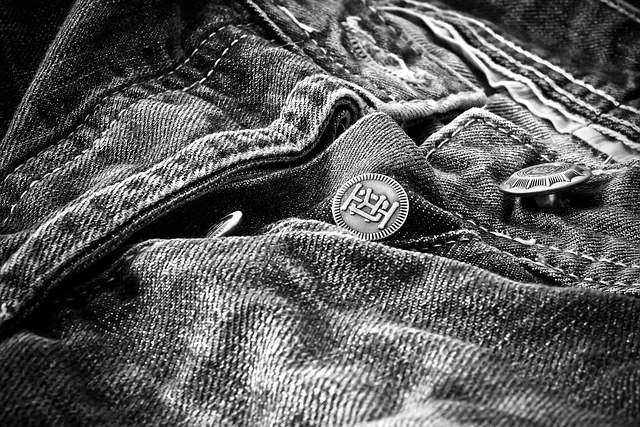
Black denim uses two primary dyeing methods, which change how the fabric ages over time:
- Sulfur Dye (Fading Black): The sulfur dye coats the outer surface of the yarn while leaving the inner cotton core white or grey. As you wear and wash the jeans, friction strips away the surface dye, revealing grey highlights along the lap, knees, and back pockets. This creates contrast fading, honeycombs, and whiskering over time.
- Reactive Dye (Stay-Black): Reactive dyes form a direct chemical bond with the cellulose fibers, penetrating deep into the cotton core. Jeans made with reactive dyes resist fading, maintaining a flat, rich black shade even after dozens of machine washes. If you need black jeans for smart-casual wear or work offices, select reactive-dyed denim.
Fabric weight and composition
Denim weight is measured in ounces per square yard (oz). Light-medium weight denim (10 oz to 12 oz) offers immediate comfort and flexibility, making it ideal for warm climates and slim cuts containing elastane. Heavyweight denim (13 oz to 16 oz or higher) feels stiff initially but holds a sharp structural drape, making straight and relaxed cuts look cleaner.
Selvedge black denim
Selvedge black denim is produced on traditional shuttle looms that create tightly bound, clean self-edges along the fabric outseam. When you cuff the bottom hem of raw selvedge black jeans, you reveal a crisp edge—often featuring a white or red ticker thread—that prevents fraying and adds a distinct subtle detail above your shoes.
How to style black jeans for any occasion
Because black acts as an anchor color, it simplifies matching tops and outerwear. However, keeping the textures, contrast levels, and formality aligned keeps the look intentional.
Casual everyday outfits
For a basic casual setup, wear black jeans with neutral crewneck T-shirts, textured henleys, or heavyweight hoodies. Keep the color palette clean by choosing white, heather grey, olive green, or charcoal tops. Pair dark slim jeans with clean low-top white leather sneakers to create an effortless contrast line between the hem and the shoe.
Adding light outer layers—such as an unbuttoned flannel shirt, a olive fatigue jacket, or a classic blue denim jacket—breaks up the solid black bottom without overwhelming the outfit.
Smart casual and creative professional settings
To dress up black jeans for office work or social events, choose a pair made from dark, un-distressed reactive-dyed denim with clean black stitching. Avoid whiskering, ripped knees, or frayed hems.

According to a 2025 menswear trend report by FashionForward Insights, dark denim integrated into professional dress codes offers an adaptable option for modern work environments. Combine slim black jeans with an Oxford button-down shirt, a merino wool crewneck sweater, and brown or dark burgundy leather horsebit loafers. A structured charcoal or navy wool blazer completes the outfit, providing a balanced look suitable for business meetings.
Night out and date night outfits
A monochromatic outfit built around black jeans provides a sharp, cohesive aesthetic. Pair slim-fit black denim with a black fitted crewneck T-shirt or a fine-gauge turtleneck sweater. Layer a dark brown or black leather leather jacket over the top, and finish with black leather Chelsea boots.
If you prefer subtle pops of color, wear a deep forest green corduroy shirt or an open burgundy camp-collar shirt over a white tank top. The solid black denim keeps bright or deep colors grounded.
Shoe pairings for black jeans
Matching shoes to black jeans comes down to controlling ankle break and hem drape:
- White Leather Sneakers: Creates high visual contrast at the ankle. Best worn with slim or tapered hems that sit cleanly above the collar without pooling.
- Black Chelsea or Chukka Boots: Creates a continuous color line down the leg, making your legs look longer. Ensure the jean leg opening slides smoothly over the boot shaft without bunching up.
- Brown Leather Boots or Loafers: Adds warmth to the lower half of your outfit. Match the leather to a brown belt to tie the look together.
- Black Derby Shoes or Oxfords: Best reserved for straight-cut, dark reactive-dyed black jeans worn alongside a crisp dress shirt and tailored blazer.
How to prevent black jeans from fading
Maintaining rich black denim requires reducing friction, eliminating heat exposure during laundering, and using detergents designed to retain dark dyes.

Step-by-step washing instructions
- Extend time between washes: Spot-clean light dirt with a damp cloth instead of washing the entire garment after every wear. Wash black jeans only after 8 to 12 wears unless visible stains or odors accumulate.
- Turn inside out: Turn the jeans inside out before washing to protect the outer dyed fibers from rubbing against the washing machine drum.
- Use cold water and dark detergent: Set your washing machine to a gentle cycle with cold water (30°C or lower). Add a small amount of liquid detergent specifically formulated for dark clothes. Avoid powdered detergents or products containing optical brighteners, bleach, or fabric softeners, which break down black dyes.
- Add vinegar for setting dye: On the first wash of raw or dark black jeans, add one cup of distilled white vinegar to the rinse cycle. The acid helps lock the dye molecules into the cotton fibers and reduces initial bleeding.
Drying and storage
Never place black jeans into a high-heat tumble dryer. High thermal heat breaks down elastane fibers, shrinks raw cotton, and strips away black dye molecules, turning solid black denim into a dull chalky grey.
Hang the jeans inside out by the waistband or hem on a clothes rack in a shaded, well-ventilated area. Keep them away from direct sunlight while drying, as ultraviolet rays act as a natural bleaching agent on black fabrics.
How to re-dye faded black jeans
If your favorite pair of black jeans has faded to an uneven grey over time, you can restore their original saturation using fabric dye at home:
- Wash the jeans thoroughly to remove skin oils, lint, and fabric finishes. Leave them damp.
- Fill a plastic tub or stainless steel sink with hot water (at least 60°C / 140°F). Mix in one bottle of liquid black fabric dye (such as Rit All-Purpose or Dylon) and one cup of table salt to promote dye absorption.
- Submerge the wet jeans completely. Stir continuously for the first 20 minutes using tongs or rubber gloves to ensure even color penetration.
- Let the jeans soak for an additional 30 minutes, then rinse in cold running water until the water runs completely clear.
- Wash once in cold water with gentle detergent and line-dry away from sunlight.
Common styling mistakes to avoid
While black jeans are adaptable, small fitting and styling oversights can spoil an otherwise polished outfit.
Chunky or overly technical running shoes
Pairing thick, neon-colored running shoes or technical athletic sneakers with dark black jeans creates a harsh visual break. The casual sportiness of modern running shoes clashes with the structured weight of heavy denim. Opt instead for minimalist leather sneakers, low-profile canvas shoes, retro court models, or clean leather boots.
Excessive fabric stacking over boots
If your inseam is too long for slim or straight jeans, excess fabric stacks in heavy folds around the ankles and tops of your shoes. This breaks the vertical line of the trousers and makes you look shorter. Hem your jeans to drop with a minimal break over your shoes, or cuff the hem once or twice to show off the boot ankle.
Ignoring lint and pet hair
Solid black denim acts like a magnet for dust, lint, and pet fur. Wearing dusty or lint-covered black jeans instantly undermines an outfit. Keep a re-usable lint roller near your closet and sweep down the front and back thighs before leaving home.
Wearing heavy distressing in formal settings
While subtle distressing can suit a casual graphic shirt look, jeans with large knee blowouts, heavy fraying, or acid-washed patches look out of place in creative offices, upscale restaurants, or evening venues. Reserve plain, dark-wash black jeans without rips for smart-casual dress codes, and save torn black denim for casual weekend outfits.
When are black jeans not appropriate?
Black jeans work across many settings, but they cannot replace tailored trousers or suit pants in every situation:
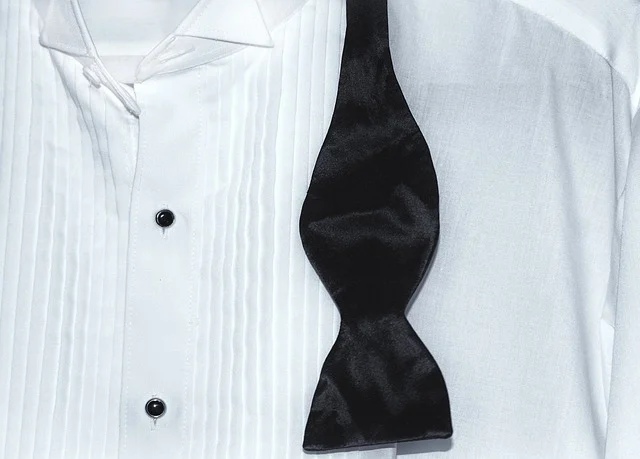
- Formal and Black-Tie Events: Weddings, formal galas, and funerals with strict dress codes require a full suit or tuxedo. Denim, regardless of how dark or clean, remains inherently casual.
- Strict Corporate Environments: Finance, traditional law firms, and corporate boardrooms requiring business formal attire do not accept jeans of any color.
- High-Heat Summer Weather: Heavyweight black denim absorbs thermal solar radiation quickly. In temperatures above 30°C (86°F), dark black jeans cause rapid heat buildup compared to lightweight linen or cotton trousers.
Sources: Jeans
Frequently asked questions
Are black jeans still in style for men in 2026?
Yes, black jeans remain a foundational menswear staple in 2026. Current styling emphasizes clean, un-distressed finishes in straight and slim-tapered cuts that transition smoothly between casual outfits and relaxed office wear.
What shoes look best with black jeans for men?
Clean white leather sneakers work best for casual outfits. Black leather or suede Chelsea boots provide a sleek, uninterrupted visual line, while brown loafers and leather dress shoes add warm contrast for smart-casual events.
How do you wash black jeans so they do not turn grey?
Wash black jeans inside out in cold water on a delicate cycle using a liquid detergent formulated for dark clothes. Avoid high-heat tumble dryers entirely and line-dry the jeans inside out in a shaded area away from direct sun exposure.
Can men wear a black shirt with black jeans?
Yes, all-black monochromatic outfits look sharp when done correctly. To keep the outfit from looking flat, mix different fabric textures—such as pairing smooth black denim with a knitted cotton T-shirt, a suede shirt jacket, or a leather belt.
What is the main difference between slim and skinny black jeans?
Skinny jeans hug the leg closely from waist to ankle with a tight 12-to-13-inch opening. Slim-fit jeans leave a small gap around the leg, tapering gently down to a 13.5-to-14.5-inch opening, providing a sharp look with far greater comfort.
The Final Word on Black Jeans for Men
Black jeans offer an essential balance of practicality and style. By selecting a fit tailored to your body type, opting for dark reactive dyes if you need a clean office look, and washing them inside out in cold water, you can keep your black denim looking dark and crisp for years of wear. Start with one solid slim or straight-fit pair in jet black, and build out your wardrobe by experimenting with clean footwear, outerwear layers, and textured tops.


