











Authenticating sneakers requires inspecting stitching consistency, sole alignment, label accuracy, and material texture to distinguish genuine pairs from high-quality replicas. Examining these key details allows collectors to identify subtle discrepancies and evaluate shoes before purchasing.
This guide explains how to examine materials, stitching precision, interior label formatting, packaging, and logo execution. It also covers sole construction, red flags with low prices, and using online authentication services.
Step-by-Step Physical Inspection Protocol
Authenticating secondary-market footwear requires a structured methodology. High-tier replica factories (often called “super fakes”) replicate general shapes well, but frequently fail on subtle structural, tactile, and manufacturing details. Execute these six inspection steps in order when evaluating any pair in hand.
1. Examine Materials and Tactile Texture
Authentic pairs use specific material grades specified by the manufacturer. Counterfeits often substitute lower-grade leather, thin synthetic suede, or cheaper mesh.
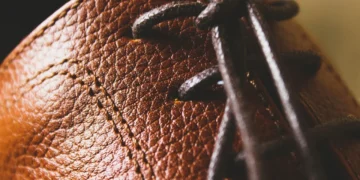
- Leather Quality: Genuine tumbled leather displays organic, non-uniform grain depth. Replicas often use stamped synthetic leather that exhibits rigid, identical geometric dimples across the panel. Press your thumb gently into the leather panel; authentic full-grain leather wrinkles softly around your thumb press, while synthetic leather remains rigid.
- Suede and Nubuck Nap: Authentic suede and nubuck possess a dynamic “nap” that shifts color tone when brushed back and forth. Fakes frequently use short-pile or dead synthetic nubuck that stays static when touched.
- Chemical Smell: Authentic pairs carry a distinct smell of factory leather, retail canvas, and industrial rubber. Replicas often release a strong, toxic chemical odor of cheap solvent, pungent petroleum glue, or synthetic paint due to unvented curing processes.
2. Analyze Stitching Precision and Thread Density
Stitching inconsistency remains one of the most reliable physical indicators of a counterfeit sneaker.
- Stitch Density: Measure the number of stitches per inch along major seams such as the mudguard or eyelet stay. Authentic automated factory machinery maintains uniform stitch density across the entire shoe. Replicas often exhibit variable stitch length, dropping stitch density around tight curves.
- Thread Weight and Finish: Factory originals use bonded nylon or heavy-duty polyester threads with a consistent matte or slight sheen. Counterfeits frequently utilize thin cotton thread that frays easily or doubled-up threads where a single heavy thread should be used.
- Corner Stitching: Pay close attention to double-stitched corners. Genuine manufacturing lines align corner turns precisely, whereas replica assembly often shows overlapping stitches, loose loop ends, or misplaced corner angles.
3. Verify Interior Labels and Size Tags
The interior size tag printed or heat-pressed onto the inner tongue or lining acts as a sneaker’s official identification document.
- Font Typography and Kerning: Compare the font weight, letter spacing (kerning), and alignment of terms such as “MADE IN VIETNAM” or “FABRIQUE EN CHINE.” Authentic tags use precise, thick, crisp lettering. Fake tags often display fuzzy characters, uneven line spacing, or incorrect kerning where letters touch each other.
- Barcode and Style Code Formatting: Check the 9-digit style code against the outer box label. The barcode on the inner tag must scan cleanly and correspond precisely to the specific colorway and size profile.
- Dates of Production: Verify the production dates listed on the tag. Production dates should fall within reasonable manufacturing windows prior to the shoe’s official release date. Dates that post-date the shoe release or span an unnaturally long time frame signal replica tag duplication.
4. Inspect Sole Construction and Cushioning Systems
The outsole, midsole, and internal cushioning house technical components that fake manufacturers rarely replicate accurately.
- Sole Alignment and Glue Lines: Inspect the seam where the midsole connects to the upper. Authentic factories apply sole glue cleanly within automated channels. Excess rubber bleed, sloppy glue runs over two millimeters, or visible air gaps indicate improper assembly.
- Cushioning Responsiveness: Test functional elements like Nike Air units or adidas Boost foam. Authentic exposed Air units are clear, firm, and pressure-tested; replicas often feature cloudy plastic bladders that depress completely under light finger pressure. Authentic Boost material consists of individual pelletized TPU capsules that feel springy yet firm, while fake Boost uses molded foam that feels mushy or overly glossy.
- Outsole Tread and Firmness: Inspect tread traction patterns for sharp, well-defined ridges. Run your hand over the rubber sole; genuine rubber compounds feel dense and grippy, while fake outsoles often feel greasy, chalky, or soft.
5. Check Logo Execution, Stamp Depths, and Hardware
Branding logos require specialized tooling dies that replica factories frequently copy using low-resolution scans.
- Swoosh and Stripe Curvature: On models with side logos, check the precise angle and tail taper. A genuine Swoosh curves cleanly without jagged leather cuts along the edge.
- Embossing and Stamping Depth: For debossed elements like heel logos or side panels, inspect the depth and clean edge lines. Authentic stamps cut evenly into the leather without color bleeding.
- Hardware and Eyelets: Check plastic lace cages, metal aglets, and lace eyelets. Genuine metal hardware feels heavy and burr-free; replicas often use light zinc alloy or plastic with raw, sharp casting lines.
6. Evaluate Packaging, Box Labels, and Accessories
Packaging is a major cost-cutting area for fake sneaker operations.
- Box Thickness and Color Tone: Genuine shoe boxes use sturdy, thick corrugated cardboard that holds sharp right angles. Counterfeit boxes often arrive crushed, soft, or with distorted color shades on printing panels.
- Box Label Print Quality: Authentic box labels feature sharp, high-contrast black ink with crisp barcodes and clear MSRP tear-off tabs (where applicable). Fake box labels often show grainy inkjet printing, dull grays, or misaligned text lines.
- Internal Materials: Examine shoe trees, tissue paper, and extra lace bags. Authentic tissue paper usually carries distinct brand prints or crisp waxed textures. Extra laces in authentic boxes are neatly tied or wrapped in heavy zip-lock or branded cardboard sleeves.
Model-Specific Authentication Points: Air Jordans vs. adidas Yeezys
While basic physical checks apply universally, specific high-demand models require targeted inspection. Below is a comparative overview of key verification points for two of the most frequently counterfeited sneaker lines.
| Inspection Area | Air Jordan Key Authentication Points | adidas Yeezy Key Authentication Points |
|---|---|---|
| Heel & Silhouette | Inspect hourglass shape from behind; clean cut heel tab curve; correct collar foam density. | Check rear curvature along the counter; heel tab width, placement height, and box-stitch square density. |
| Branding Details | Wings logo deep embossing; sharp detail on fingers and basketball lines; clean Jumpman hand detail. | Insole branding sharpness; inner medial text clarity (such as SPLY-350 text kerning on 350 V2 models). |
| Sole Construction | Firm, vulcanized or molded rubber; crisp traction concentric circles; firm stars on toe cap tread. | Pelletized TPU Boost window clarity; uniform multi-circle Boost pellet texture with distinct small dot stamps. |
| Inner Tag & Box | Crisp QR code and barcode; exact style code match; centered size breakdown chart. | US versus EU box label formats matching distribution region; clean UPC bar codes. |
Deep Dive: Authenticating Air Jordans
Air Jordans feature distinct structural cues that separate real pairs from fakes. When viewing an Air Jordan 1 or Air Jordan 4 from behind, look for a defined “hourglass” silhouette. Authentic pairs taper inward at the waist before flaring back out toward the ankle collar. Most replicas feature a boxy, straight vertical heel structure.
Additionally, examine the Air Jordan Wings logo on the collar panel. On genuine pairs, the registration mark emblem (“®”) and letters are sharply debossed into the leather. The basketball lines inside the logo are clean and distinct, rather than muddy or filled with paint bleeds.
Deep Dive: Authenticating adidas Yeezys
For models like the Yeezy Boost 350 V2 or Yeezy 700, the Boost sole window on the outsole is the most critical check point. Genuine Boost consists of molded pellets that display small, distinct triangular groupings of tiny embossed dots across the exposed surface. Replicas often use smooth, overly glossy Boost inserts with random or uniform molded dots that look artificial.
Check the heel pull tab stitching as well. The rectangular box-stitch holding the pull tab onto the heel knit should feature dense, tight stitching with specific thread counts depending on the colorway release year.
Evaluating Sellers and Spotting Pricing Red Flags
Authenticating the product is only half the battle; authenticating the seller prevents risky transactions before money changes hands.
When buying on secondary peer-to-peer marketplaces, direct your attention to sellers who demonstrate a long history of verified sales, consistently high feedback ratings across multiple transactions, and transparent communication. Request tagged photos featuring the seller’s username and the current date written on a physical piece of paper placed inside the shoe box next to critical areas (such as the size tag or outsole).
Red Flags in Pricing and Availability
- Unrealistically Low Prices: If a highly sought-after deadstock sneaker with a secondary market value of $500 is listed for $150 “for a quick sale,” it is almost certainly a replica or a scam.
- Full Size Runs Available: Individual non-retail sellers offering complete size runs (US 7 through 13) of rare releases at flat discount rates are typically drop-shipping directly from replica factories.
- Stock or Factory Photos Only: Sellers refusing to provide custom tagged lighting or high-resolution close-up photos of stitching, tags, and soles should be avoided completely.
Using Authentication Apps and Third-Party Services
Digital authentication services provide a secondary line of defense for collectors buying in person or online. These platforms combine computer vision AI algorithms with manual evaluation by experienced sneaker authenticators who review submitted digital photos.
As of May 2026, prices for professional sneaker authentication services typically range from $10 to $30 per pair, with faster turnaround options costing more. Prices can vary based on the service provider and the complexity of the shoe.
How to Prepare Photos for App Verification
To maximize accuracy when using digital authentication apps, follow a strict photography setup:
- Use direct, bright daylight or neutral white LED lighting (avoid warm yellow or dim indoor lighting).
- Capture flat, perpendicular shots of the inner size tag, insoles (both top and underside showing glue lines), outsole tread patterns, box labels, and footbed stitching under the removable insole.
- Ensure macro focus on stitching lines along the mudguard, Swoosh or branding placement, and heel tab joins.
While mobile authentication apps offer convenience and quick turnarounds, rely on them as a supporting tool rather than an absolute authority. High-end “super fakes” sometimes pass surface photo checks, making hands-on material inspection and physical verification essential for high-value pairs.
Common Authentication Mistakes and How to Fix Them
Even seasoned sneaker collectors fall victim to common authentication missteps. Understanding these pitfalls ensures a higher accuracy rate when building your collection.

Mistake 1: Relying Exclusively on Stock Verification Tags
Many buyers assume that a plastic verification tag attached to a shoe guarantees authenticity. Counterfeit operations mass-produce fake verification tags, complete with QR codes that redirect to simulated status pages. Always remove external tags and authenticate the sneaker itself.
Mistake 2: Confusing Factory Blemishes with Counterfeit Flaws
Major sneaker brands produce millions of pairs in high-volume automated facilities. As a result, genuine pairs often feature minor retail flaws such as light glue spots, slight leather grain variances between left and right shoes, or minor stray threads. Dismissing a shoe as fake solely due to a small retail glue spot can cause you to pass up legitimate pairs. Evaluate the shoe holistically across materials, tags, construction, and weight.
Mistake 3: Skipping Ultraviolet (UV / Blacklight) Inspection
A UV blacklight is one of the most effective tools for modern sneaker authentication. Under blacklight inspection, replica factories often reveal hidden manufacturing marks, such as blue guideline ink stamps used by workers during assembly, or excessive glowing glue residue along seams that authentic quality-control processes eliminate. Authentic pairs show clean stitching without bright glowing chemical residue on standard upper panels.
Who Should Use This Authentication Guide (and Who Can Skip It)
Applying rigorous physical authentication requires time, practice, and careful attention. Understanding whether you need this level of inspection helps streamline your purchasing decisions.
This Guide Is Essential For:
- Secondary Market Buyers: Collectors buying high-value pairs from peer-to-peer apps, consignment shops, or online auction platforms.
- Vintage and Grail Enthusiasts: Buyers seeking out-of-production or older releases where original box materials and age-related oxidation must match legitimate aging profiles.
- Resellers and Investors: Individuals who buy sneakers to hold or flip, where selling a single fake pair damages business reputation and platform accounts.
This Guide Is Unnecessary For:
- Direct Authorized Retail Buyers: Shoppers purchasing directly from official brand apps (such as Nike SNKRS or adidas Confirmed) or authorized top-tier retail chains. These pairs ship directly from verified distribution networks with guaranteed chain of custody.
- Casual Everyday Wearers: Buyers purchasing common, non-hyped mass-market models directly from established department stores where secondary counterfeiting is non-existent.
Action Plan: What to Do If You Receive Fake Sneakers
If your physical inspection or digital verification reveals that a newly acquired pair is counterfeit, take swift, documented action to recover your funds.
- Document Every Flaw with High-Resolution Photos: Take clear photos comparing the counterfeit areas (tag fonts, glue bleed, incorrect Boost or Air unit, or box misalignments) against verified authentic reference images.
- Keep Original Packaging and Shipping Materials: Preserve the outer shipping box, packing slips, tracking labels, and purchase receipts intact.
- Initiate a Formal Dispute Immediately: Open a dispute ticket on the purchase platform (such as eBay or PayPal). State clearly that the item received is counterfeit and violates platform seller agreements.
- Obtain Written Authentication Proof if Required: If the platform requires formal confirmation, submit a detailed report from recognized professional authentication services or app-based diagnostic certificates documenting the specific failure points.
- Do Not Alter or Wear the Shoe: Keep the sneakers in the exact condition received until the dispute resolution and return process is completely finalized.
Final Thoughts: Building a Trustworthy Collection
Authenticating sneakers in 2026 is a skill that requires diligence, knowledge, and a keen eye for detail. By meticulously examining materials, stitching, labels, packaging, and branding, you can significantly reduce your risk of purchasing counterfeits. Don’t be afraid to compare, research, and use professional authentication services when in doubt.
Your takeaway for today? Always trust your gut, but verify with your eyes and a healthy dose of skepticism. A well-authenticated collection is a collection that holds its value and brings genuine satisfaction.
Frequently asked questions
What is the most common fake sneaker indicator?
While it varies by model, a common indicator is inconsistent or poor-quality stitching. Loose threads, uneven spacing, double stitching where it shouldn’t be, or variable stitch density around curved seams are frequent flaws in counterfeit sneakers.
Can I trust authentication apps?
Authentication apps can be very helpful, especially for common models. They use AI and expert analysis of submitted photos. However, they are not infallible and should be used in conjunction with your own inspection and critical thinking.
How much should I expect to pay for authentication services in 2026?
As of May 2026, prices for professional sneaker authentication services typically range from $10 to $30 per pair, with faster turnaround options costing more. Prices can vary based on the service provider and the complexity of the shoe.
What should I do if I discover I bought fake sneakers?
If you purchased from a platform with buyer protection (like eBay or through PayPal), open a dispute immediately. Provide clear photo evidence of the fake sneaker details compared to authentic reference pairs. Contact the seller, but be prepared to escalate the issue directly to the platform or payment provider.


