













The Air Jordan 9: A New Direction in 2026 replaces standard retro re-releases. It brings eco-conscious material innovations, modern cushioning upgrades, and non-traditional colorways. Tinker Hatfield originally designed the silhouette in late 1993. It balances global design heritage with contemporary lifestyle performance.
This breakdown details how the original 1993 design foundation shapes the silhouette’s evolution, highlighting specific textile updates, foam cushioning improvements, and new color palettes. It also compares classic retros to modern iterations, outlines common buying mistakes, and identifies who should purchase or skip this release.
The Air Jordan 9: A New Direction in 2026
In 2026, the Air Jordan 9 takes a new direction by shifting from standard retro re-releases toward eco-conscious material innovations, modern cushioning upgrades, and non-traditional colorways. Jordan Brand balances its iconic 1993 global design heritage with contemporary lifestyle performance to attract modern sneaker collectors.
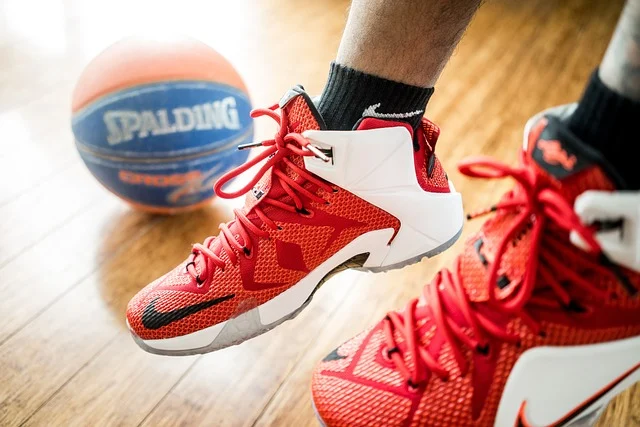
Originally designed by Tinker Hatfield and released during Michael Jordan’s first retirement from basketball in late 1993, the Air Jordan 9 has always held a unique place in the signature line. Michael Jordan never wore the shoe in an official NBA regular-season game with the Chicago Bulls, yet its global motif, speed-lacing eyelets, and distinct mudguard geometry turned it into an enduring lifestyle staple. Modern footwear manufacturing, changing consumer preferences, and sustainable textiles are driving a distinct shift in how this retro silhouette is built, styled, and worn.
How the Air Jordan 9 original design foundation shapes its 2026 evolution
To understand where the silhouette is heading, you must look at what made the original 1993 design distinct. Designed while Jordan was pursuing professional baseball, the shoe was created as a tribute to his international stardom. The outsole featured multilingual text—including words in Japanese, German, Italian, French, Spanish, and Swahili that translated to terms like “Dedicated,” “Grace,” “Sport,” and “World”—to symbolize his global reach.
The upper relied on a streamlined inner bootie, dynamic speed-lacing loops, and a bold lateral mudguard that wrapped around the heel. When updating a shoe with this much heritage, radical structural changes risk alienating collectors. Instead, modern redesigns keep the signature structural panels intact while changing the materials, inner padding, and sole construction.
Preserving the silhouette’s core silhouette allows designers to experiment with texture and weight without losing the shoe’s identity. The clean mudguard sweep acts as a canvas for new material blends, while the internal sleeve remains the main driver for fit and foot containment.
What material innovations define the Air Jordan 9 in 2026?
Historically, the Air Jordan 9 relied on full-grain leather, nubuck, durabuck, and occasional patent leather overlays. While these materials offer structure and a premium feel, they add significant weight, retain heat, and carry a heavier manufacturing footprint. Recent developments across Nike and Jordan Brand focus heavily on sustainable textiles and bio-based synthetics.
Modern iterations replace dense heavy-grain leather with recycled polyester weaves, engineered knits, and synthetic overlays derived from plant-based polymers. These changes directly impact how the shoe feels and wears daily:
- Reduced weight: Replacing thick durabuck and dense foam backings with engineered knits noticeably lightens the shoe, making it far less tiring during full days of walking.
- Improved ventilation: The original AJ9 featured minimal breathability, relying mostly on small side perforations. Synthetic mesh side panels and lighter inner bootie linings allow better airflow.
- Flexible break-in: Recycled textile uppers flex immediately out of the box, avoiding the stiff forefoot creasing common on older leather retros.
This textile evolution follows similar design shifts across Nike’s catalog, such as recent Air Max innovations, where technical fabrics modernized historic silhouettes without removing their recognizable lines.
Are colorways straying from the original Chicago palette?
For decades, the Air Jordan 9 was defined by classic team palettes: the original White/Black-True Red, “Powder Blue,” “Olive,” and later retros like “Cool Grey.” While heritage colorways always hold value for purists, recent drops move toward muted earth tones, digital-inspired graphics, and tonal monochromatic treatments.
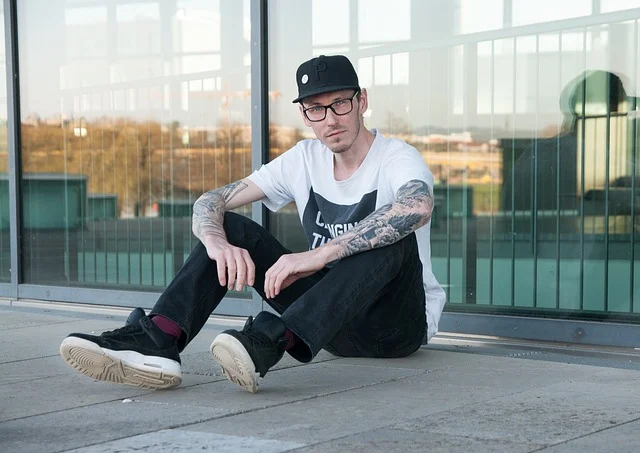
Because the AJ9 features distinct panel layering—the upper body, the sweeping mudguard, and the textured outsole—it adapts exceptionally well to modern color blocking. Designers use tonal variations between the mudguard and the upper to highlight the shoe’s sculpted midsole without relying on high-contrast primary colors.
Expect to see subtle olive drags, washed earth oxides, soft sand tones, and translucent outsole finishes. Jordan Brand continues releasing limited lifestyle runs alongside traditional retros to balance novelty with original heritage. Collectors keeping an eye on market trends should monitor popular colorways for potential resale shifts before committing to secondary market purchases.
Will performance cushioning updates change how the AJ9 feels on foot?
The original 1993 Air Jordan 9 featured encapsulated forefoot Air-Sole units alongside a high-volume heel Air-Sole unit embedded inside a dense polyurethane midsole. While this setup provided solid impact absorption for court play in the early 1990s, polyurethane breaks down over time, hardens, and feels heavy compared to modern foam compounds.
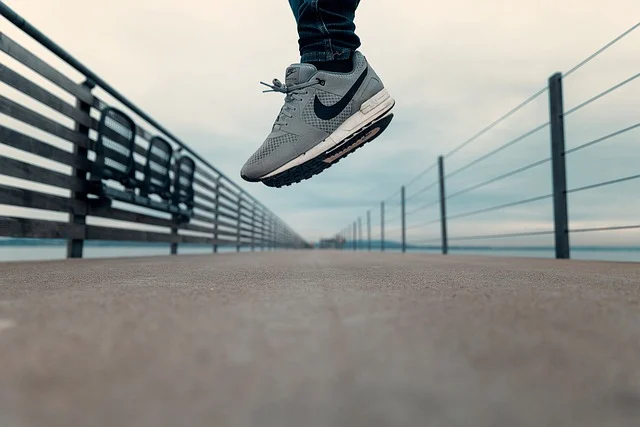
Recent iterations subtly update the underfoot setup without altering the exterior midsole tooling. By substituting rigid polyurethane cores with lightweight phylon or React foam blends, the ride becomes significantly softer and more responsive. As reported by Sneaker Freaker, consumer demand across retro basketball sneakers increasingly favors drop-in comfort over strict original spec accuracy.
These subtle midsole upgrades turn a shoe that once felt stiff and heavy into a practical option for daily urban walking. You get the iconic 1990s silhouette on the outside with the dampening comfort of contemporary lifestyle footwear inside.
Comparing classic retros with the 2026 direction
Understanding how traditional releases compare to modern material updates helps you choose the right pair for your rotation.
| Feature | Classic AJ9 Retros | Modern 2026 AJ9 Iterations |
|---|---|---|
| Upper Construction | Full-grain leather, nubuck, synthetic leather | Recycled polyester blends, engineered knits, bio-synthetics |
| Midsole & Cushioning | Dense polyurethane with original Air-Sole units | Lightweight foam compounds with modern Air setups |
| Breathability | Limited airflow through minor side perforations | Higher airflow via mesh panels and lightweight linings |
| Break-In Period | Requires multiple wears to soften leather uppers | Flexible straight out of the box with minimal stiffness |
| Color Palette Focus | Original 1993 team colors and classic Chicago themes | Earth tones, muted neutrals, and digital-inspired hues |
| Primary Footwear Role | Display collection, classic street styling | Daily walking, all-day wear, eco-conscious styling |
What buying mistakes should collectors avoid with modern AJ9 releases?
Navigating new sneaker releases requires attention to market pricing, material choices, and sizing nuances. Avoid these common mistakes when purchasing current Air Jordan 9 models:
- Paying over retail for general releases: Resale markets often flood during initial launch weeks. Before buying from secondary sellers, check real-time pricing data on StockX to confirm whether prices are dropping toward retail.
- Assuming synthetic uppers fit like leather: Leather naturally stretches and conforms to your foot after several wears. Engineered knits and bio-based synthetic overlays hold their shape more rigidly over time. If you have wide feet, try your true size and half a size up to compare midfoot tightness.
- Using harsh chemicals on recycled textiles: Cleaning bio-synthetics or knit panels with traditional aggressive shoe cleaners can strip surface coatings or cause discoloration. Stick to warm water, mild dish soap, and a soft-bristle brush.
- Ignoring inner bootie constriction: The AJ9 features a snug internal neoprene sleeve. Slipping your foot in quickly without completely loosening the speed-lacing system can tear or stretch the bootie collar over time.
Who is the 2026 Air Jordan 9 right for (and who should skip it)?
The updated Air Jordan 9 appeals strongly to specific sneaker wearers, but it might not suit everyone:
- It suits: Daily commuters who love 1990s basketball aesthetics but need lightweight, modern underfoot comfort; collectors interested in textile innovations; and buyers prioritizing sustainable manufacturing choices.
- Skip it if: You are a purist who only buys 100% original-spec leather retros; you prefer low-cut, minimalist sneakers; or you are looking for an elite performance shoe for modern indoor basketball games (see 8 Air Jordans: A Look at Iconic Sneakers for performance basketball shoe rankings).
Frequently asked questions
Will the Air Jordan 9 be released in new colorways in 2026?
Yes, Jordan Brand expands the lineup beyond classic retros with new colorways for lifestyle wear. These releases feature contemporary earth tones, digital-inspired accents, and unique texture contrasts across the mudguard.
What materials can you expect on future Air Jordan 9 models?
Future models incorporate recycled polyester weaves, engineered knit panels, and bio-based synthetic overlays alongside traditional nubuck. These materials reduce footwear weight and improve breathability while supporting sustainable production practices.
Is the Air Jordan 9 becoming more comfortable for daily wear?
Subtle cushioning updates integrate lightweight midsole foams and modernized Air-Sole setups to replace the stiffer polyurethane units of the original design. This makes the retro silhouette significantly more supportive for all-day walking.
How can you avoid overpaying for Air Jordan 9 releases?
Check secondary market sales figures on platforms like StockX prior to buying, as general releases frequently restock or sell near retail. Researching retail drop schedules prevents paying inflated presale prices.
How does the internal bootie affect Air Jordan 9 sizing?
The snug inner bootie construction gives the Air Jordan 9 a true-to-size or slightly narrow fit across the midfoot. If you have wider feet or prefer extra room, going up half a size prevents excess pressure across the top of your foot.


