










Streetwear fashion is a casual style of dress centered around relaxed garments like graphic t-shirts, oversized hoodies, statement sneakers, and utility trousers that grew out of surf, skate, and hip-hop subcultures. It prioritizes daily comfort and personal statement, emphasizing relaxed silhouettes over formal dress codes while blending underground youth culture with high-fashion design.
This guide details the cultural history of streetwear, subgenres like techwear and Japanese workwear, and the mechanics behind product drops and secondary resale markets. It also examines pricing differences between indie and luxury labels, practical styling steps, common visual mistakes, and essential wardrobe pieces for beginners.

When, where, and how did streetwear fashion start?
To understand modern streetwear, it is essential to look at when did streetwear fashion start, where did streetwear fashion start, and how did streetwear fashion start across regional youth movements during the late 1970s and 1980s.
Streetwear fashion started simultaneously in two main hubs: Southern California and New York City. In Southern California, surfboard shaper Shawn Stussy began printing his handwritten signature logo onto custom surfboards and selling printed graphic t-shirts out of the trunk of his car during the early 1980s. This print style quickly appealed to local skateboarders and surfers who wanted casual, durable, and distinctive clothing distinct from mainstream suburban apparel.
At the same time in New York City, East Coast hip-hop culture was reshaping sportswear. Musicians, breakdancers, and graffiti artists adopted functional athletic apparel like tracksuits, leather jackets, work boots, and athletic court shoes. During the 1990s, the movement spread globally to Japan, where Tokyo’s Harajuku district—specifically the Urahara movement led by brands like A Bathing Ape, Neighborhood, and Undercover—introduced limited production runs, intricate graphic prints, and meticulous Japanese denim craftsmanship.
What is urban fashion and urban fashion style?
Searchers often ask what is urban fashion and how it differs from general streetwear. While the terms are frequently used interchangeably, they emerged from distinct roots before merging in modern retail.
Urban fashion refers specifically to style movements born within major metropolitan cities, heavily shaped by African American and Latino youth culture, hip-hop artists, and metropolitan sportswear in the late 1980s and 1990s. Urban fashion style emphasized bold athletic logos, oversized denim sets, heavy leather jackets, timberland boots, and prominent sportswear branding.
Streetwear fashion style grew as a broader umbrella category, incorporating urban fashion along with Southern California skate/surf culture, British punk aesthetics, and Japanese techwear. Modern urban fashion style now functions as a major sub-category under the global streetwear banner.
| Attribute | Urban Fashion Style | Streetwear Fashion Style |
|---|---|---|
| Primary Origins | Metropolitan hip-hop culture, East Coast cities (1980s–1990s) | Surf, skate, hip-hop, and punk subcultures (1970s–1980s) |
| Core Garments | Oversized athletic jerseys, leather jackets, baggy denim, boots | Heavyweight graphic tees, hoodies, cargo pants, retro sneakers |
| Design Focus | Bold sportswear logos, metropolitan utility, prominent branding | Relaxed silhouettes, graphics, subgenre textures, drop culture |
What is streetwear clothing? Key subgenres and aesthetics
When defining what is streetwear clothing, it encompasses relaxed daily garments built from thick, durable fabrics engineered for casual movement. Rather than body-hugging tailoring, streetwear clothing relies on structural volume, drop-shoulder seams, and wide leg openings.
The primary subgenres driving streetwear style include:
- Techwear: A utility-focused subgenre emphasizing functional performance fabrics such as Gore-Tex, water-resistant bonding, tactical straps, and modular cargo pockets set in dark, monochrome tones.
- Japanese Workwear & Vintage: Built on heavy selvedge denim, sashiko stitching, canvas chore coats, and distressed vintage finishes, focusing on garment longevity and structural heritage.
- Skate & Graphic Streetwear: The original subgenre, featuring heavy cotton graphic tees, loose canvas skate trousers, flat-soled court shoes, and bold artwork.
What is a streetwear style t-shirt or shirt?
A streetwear style t-shirt is defined by its cut, fabric density, and collar construction rather than fit alone. Unlike standard undershirts or slim-fit tees that lie flat against the body, a streetwear t-shirt uses a boxy, wide torso with dropped shoulder seams and longer sleeves. It typically utilizes heavyweight cotton knitted between 220 GSM and 300+ GSM (Grams per Square Meter), giving the shirt structural drape that maintains its shape without clinging.
Streetwear style shirts also include heavyweight button-down options like thick flannel overshirts, canvas workwear shackets, and boxy revere-collar shirts featuring screen-printed, puff-printed, or embroidered artwork across the back or chest pocket.
How to streetwear fashion: Practical fit and styling guide
Learning how to streetwear fashion comes down to managing garment drape, balancing proportions, and layering complementary textures without cluttering your look.
What is streetwear style for men?
Streetwear style for men focuses on masculine and unisex casual silhouettes featuring dropped shoulders, wide-leg or straight-cut trousers, and substantial retro footwear. The goal is an effortless, balanced drape that looks intentionally styled rather than oversized by mistake.
Styling streetwear relies on intentional proportions, balanced fabric weights, and color cohesion rather than displaying loud brand logos.
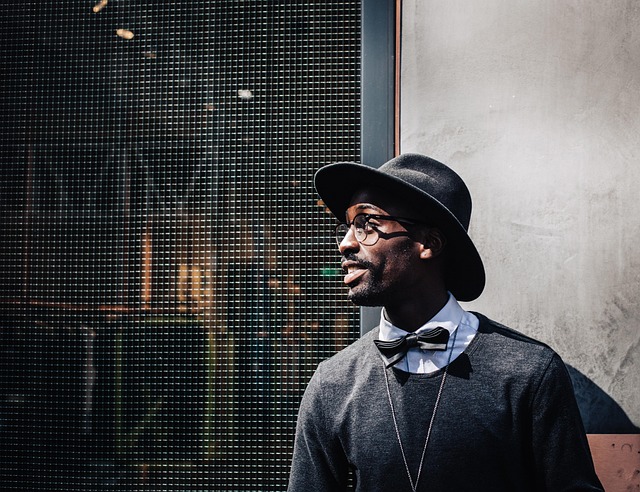
Follow these practical steps to build balanced streetwear outfits:
- Select your pant silhouette first: Choose whether your base will feature wide-leg, straight-leg, or relaxed tapered trousers. Wide-leg cargo trousers pair cleanly with substantial, chunky sneakers, while straight denim works best with classic low-profile court shoes.
- Balance top and bottom proportions: Pair wide trousers with a boxy, slightly cropped top layer to prevent losing shoulder structure. If wearing tapered trousers, add volume on top using an oversized jacket or heavy fleece hoodie.
- Layer with varying lengths and textures: Place an elongated plain tee under a boxy hoodie so the shirt hem extends an inch below the sweater. Add an unbuttoned canvas overshirt or bomber jacket over the hoodie for structural depth.
- Anchor with neutral base colors: Build your outfit foundation using two solid neutral tones like olive green, washed black, slate grey, or navy. Introduce small color pops through shoe details or graphic accents.
- Match shoe volume to pant cuffs: Ensure trouser hems rest cleanly over your footwear. Wide legs should drape lightly over sneaker tongues, whereas tapered legs should sit right at the shoe collar. For additional garment sizing guidance, see our Best Streetwear Brands: Curating Your Modern Wardrobe on choosing relaxed fits.
What is high fashion streetwear, product drops, and resale markets?
Understanding what is high fashion streetwear requires looking at how underground subculture intersected with luxury fashion houses over the past decade.
High fashion streetwear describes luxury design houses—such as Balenciaga, Off-White, Fear of God, and Louis Vuitton—producing casual subcultural silhouettes like graphic hoodies, sweatpants, down jackets, and sneakers crafted from luxury textiles and sold at designer price points. This crossover transformed casual activewear into runway fashion.
The business model driving high fashion and indie streetwear relies heavily on two mechanisms:
- Product Drops: Rather than releasing entire seasonal lines all at once, brands release limited quantities of products on specific drop dates. This creates urgency and keeps demand higher than supply.
- Secondary Resale Markets: Because drop quantities are strictly limited, popular garments enter secondary resale platforms (such as StockX, GOAT, and Grailed) where buyers trade brand-new “deadstock” items at prices determined by market demand.
| Category | Independent Streetwear | High Fashion Streetwear |
|---|---|---|
| Price Range | $40 – $120 (Tees / Hoodies) | $300 – $1,200+ (Tees / Hoodies) |
| Fabrics | 220–300 GSM Heavy Cotton, Fleece | Custom French Terry, Silk Blends, Premium Synthetics |
| Distribution | Direct-to-consumer drops, skate shops | Luxury boutiques, high-end department stores |
What are common mistakes to avoid in streetwear?
Avoid these frequent styling mistakes when assembling daily outfits:
- Logo stacking: Wearing visible logos from multiple competing brands in a single outfit (such as pairing a large graphic box-logo tee with designer print track pants) creates visual conflict. Limit your look to one central focal point.
- Prioritizing hype over silhouette: Buying an expensive item simply because it is rare, despite a poor fit on your frame, leads to awkward outfits. Focus on garment drape across your shoulders and waist line first.
- Ignoring fabric weight: Lightweight, thin cotton t-shirts (under 160 GSM) wrinkle easily and sag around the neck, destroying clean streetwear lines. Choose heavyweight cotton garments that hold structure.
- Over-accessorizing: Wearing a beanie, cap, cross-body bag, sunglasses, and multiple heavy chains all at once creates clutter. Pick one or two supporting accessories per look. For fundamental wardrobe building tips, check out recommendations for beginners.
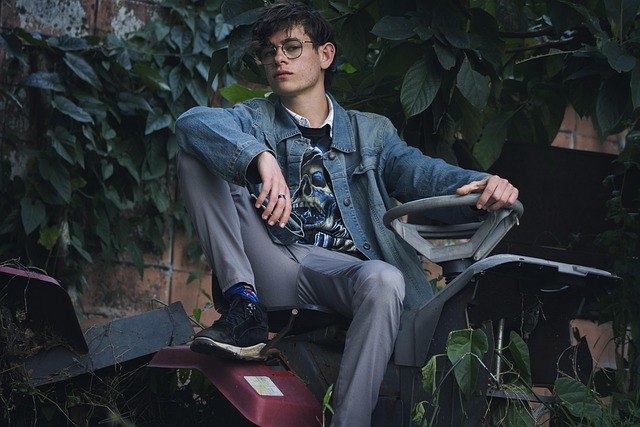
You can also try small subtle accents like an unexpected fold or accessory placement to personalize an outfit without cluttering the silhouette.
Who is streetwear fashion NOT for?
While streetwear is widely worn, it does not suit every lifestyle or personal preference:
- Strict formal corporate environments: Professionals working under strict business formal dress codes (such as traditional corporate law or investment banking offices) cannot wear graphic tees, hoodies, or relaxed denim during work hours.
- Traditional sartorial minimalists: Individuals who prefer close-fitting, unbranded, tailored garments may find oversized cuts, wide trousers, and prominent graphics unstructured or excessively casual.
- Low-maintenance formal dressers: Those seeking low-maintenance suits, dress shirts, and formal leather oxfords will find streetwear’s reliance on heavy fleece, canvas workwear, and thick rubber shoe soles completely different from traditional formalwear expectations.
Sources: Streetwear
Frequently asked questions
What is the difference between streetwear and high fashion?
Streetwear originated from grassroots subcultures like skate, surf, and hip-hop, prioritizing casual comfort, graphic tees, hoodies, and sneakers. High fashion traditionally focuses on couture tailoring, runway presentations, and luxury fabrics. Today, the two heavily intersect, with luxury houses creating streetwear cuts and streetwear brands adopting premium textiles.
Is streetwear still popular in 2026?
Yes, streetwear remains a dominant global style influence in 2026. While aesthetic trends have matured toward muted color palettes, functional techwear, vintage workwear, and sustainable heavyweight fabrics, its core focus on comfort and personal expression continues to drive modern fashion.
What are essential streetwear pieces for a beginner?
A simple starter wardrobe includes two heavyweight boxy graphic tees, one high-density 400+ GSM fleece hoodie, a pair of relaxed straight-leg denim or cargo trousers, and a classic versatile sneaker like a Nike Air Force 1 or New Balance retro runner.
How can I make my streetwear outfit unique?
Focus on fit and personal curation rather than relying on popular logos. Mix vintage workwear items with modern garments, incorporate subtle DIY distressing, experiment with layered hem lengths, and source pieces from small independent designers rather than buying only major release drops.
What is luxury streetwear?
Luxury streetwear describes high-end fashion brands creating casual subcultural garments like graphic hoodies, sweatpants, and sneakers constructed from premium luxury fabrics. Labels like Off-White, Fear of God, and Balenciaga produce streetwear cuts priced at luxury designer levels.


