
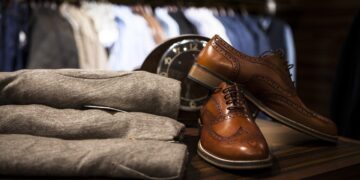











Ever feel like the fashion world moves at warp speed, leaving you scrambling to keep up with the latest ‘must-haves’ only to see them vanish next season? Learning how to style trends in 2026 isn’t about blindly following every runway look, but rather about smart integration that enhances your existing wardrobe and personal aesthetic. It’s about making fashion work for you, not the other way around.
- Prioritize understanding your personal style before adopting any trend to ensure authenticity.
- Integrate trends strategically, focusing on accessories or one statement piece rather than a full head-to-toe look.
- Opt for versatile, high-quality pieces that can be styled in multiple ways to extend their lifespan beyond a single season.
- Adapt runway trends for everyday wear by simplifying silhouettes and choosing practical fabrics.
- Avoid common pitfalls like overspending on fleeting items or neglecting your core wardrobe staples.
Decoding the 2026 Trend Cycle: What to Watch For
Understanding the current fashion landscape is the first step in knowing how to style trends effectively. As of June 2026, we’re seeing a significant lean into a few key aesthetics, including a continued embrace of ‘retro summer’ vibes, the resurgence of ‘balloon trousers,’ and a playful ‘peplum revival’ across various collections, as noted by Vogue.
These trends aren’t just isolated phenomena; they often reflect broader cultural shifts. For instance, the comfort-first approach that gained traction in earlier years continues to evolve into more relaxed yet structured silhouettes like the balloon trouser. Beyond that, a renewed appreciation for intricate details and feminine touches drives the peplum revival.
Observing these shifts helps you anticipate what might resonate with your existing wardrobe. Instead of buying into every micro-trend, look for overarching themes that offer versatility. A major trend forecasting agency, WGSN, often highlights how these macro trends inform specific garment designs and material choices months in advance.
Identify Your Style DNA: Not Every Trend Is for You
Before you even consider purchasing a trending item, take stock of your personal style. What colors do you naturally gravitate towards? What silhouettes make you feel most confident and comfortable? Your style DNA is the core of your aesthetic, and any trend you adopt should ideally complement it.
For example, if your style is minimalist and classic, a full ‘all purple everything’ outfit (a trend highlighted by Teen Vogue for Summer 2026) might feel overwhelming. Instead, you might integrate a subtle lilac accessory or a tailored lavender blazer that aligns with your refined taste.
Where it gets harder is when a trend clashes directly with your established preferences. Forcing a trend can lead to outfits that feel inauthentic or uncomfortable, ultimately wasting money on items you won’t wear often. Be honest with yourself about what truly suits your body shape, lifestyle, and personality.
Integrate Smartly: The 80/20 Rule for Trend Adoption
The 80/20 rule suggests that 80% of your wardrobe should consist of timeless, versatile staples, while 20% can be dedicated to current trends. This strategy allows you to stay current without overhauling your entire closet every season.
When incorporating new trends, think about how they interact with your existing pieces. A pair of trending ‘balloon trousers’ (a key summer 2026 item) can be easily styled with a classic white t-shirt, a simple blazer, and minimalist sneakers. This prevents the outfit from looking too costume-like and ensures longevity.
On the other hand, dedicating too much of your budget to fleeting trends can quickly lead to buyer’s remorse and a wardrobe full of items that don’t mix and match well. Focus on quality over quantity, even for your trend pieces. A well-made item, even if trendy, can often be styled creatively for longer.
Mastering Trend Accessories: Low-Commitment Impact
Accessories are often the easiest and most budget-friendly way to experiment with how to style trends without a major commitment. A trending handbag, a specific shoe style, or statement jewelry can instantly update an otherwise classic outfit.
Consider the ‘scarf styling‘ trend or the resurgence of ‘bandanas’ for Summer 2026. These items, often retailing for under $50, can transform a simple dress or a jeans-and-t-shirt combo. You can wear a bandana in your hair, around your neck, or tied to a handbag, offering multiple styling options.
The drawback, however, is that accessories can also date an outfit quickly if chosen poorly. Invest in accessory trends that complement your color palette and overall style. For instance, if your wardrobe is primarily neutral, a boldly colored trending bag might be a better choice than a pattern that clashes with your existing prints.
Balancing Classic and Current: Building a Cohesive Wardrobe
The art of mastering fashion trends lies in finding harmony between timeless pieces and seasonal updates. A truly stylish wardrobe is built on a foundation of classics—think tailored trousers, quality denim, a crisp white shirt, and a versatile blazer. These form the canvas upon which trends are painted.
For example, if ‘peplum revival’ is a trend you love, instead of buying a full peplum top and skirt, integrate a peplum-detail blazer over a classic shift dress. This blends the new with the familiar, creating a sophisticated look that doesn’t feel overly trendy. Vale Hoodie: Style, Quality & 2026 Buying Guide For foundational wardrobe advice, explore our guide to building a capsule wardrobe.
The challenge is resisting the urge to discard classic pieces in favor of entirely new trend-driven items. A classic trench coat, for instance, can be re-styled year after year with different accessories or layered over new silhouettes, making it a perennial staple regardless of the prevailing fashion cycle.
How to Adapt Runway Trends to Real Life in 2026
Runway shows often present exaggerated versions of trends, designed for impact rather than immediate we arability. The key to how to style trends from the catwalk for everyday life is intelligent adaptation.
Take the ‘balloon trousers’ trend, which might appear voluminous and dramatic on the runway. For daily wear, opt for a slightly more tapered version or pair them with a fitted top to balance the silhouette. Consider fabrics like linen or cotton for comfort, rather than high-gloss materials often seen in haute couture.
Another example is ‘recreation dressing’—a concept of styling athletic-inspired pieces for non-athletic contexts. While a full tracksuit might be too casual for some settings, incorporating a chic bomber jacket or stylish sneakers with tailored separates can achieve the look subtly. Focus on translating the essence of the trend rather than a literal copy.
A Step-by-Step Guide to Smart Trend Integration
Integrating new fashion trends into your personal style doesn’t have to be daunting. Follow these steps for a thoughtful and effective approach:
- Observe and Identify: Spend time noticing the trends that genuinely catch your eye in June 2026. Look at fashion magazines, social media, and street style. Which ones resonate with your existing aesthetic?
- Assess Your Wardrobe: Before buying anything new, consider what you already own. Do you have pieces that could be re-styled to reflect a trend? For instance, an oversized blazer might mimic a current menswear-inspired silhouette.
- Start Small with Accessories: If you’re unsure, begin with a trending accessory. A statement belt, a specific shoe style, or a pair of ‘retro summer’ sunglasses can test the waters without a significant financial outlay.
- Choose One Statement Piece: Pick one trending garment that you truly love and believe will complement your style. For example, a well-fitting pair of ‘balloon trousers’ in a neutral color.
- Style with Staples: Always pair your trendy item with classic, timeless pieces from your wardrobe. This ensures balance and prevents the outfit from looking dated too quickly.
- Experiment and Refine: Don’t be afraid to try different combinations. What works for one person might not work for another. Take photos of your outfits to see what looks best.
- Consider Longevity: Even for trendy items, think about their quality and how long they might realistically stay in your rotation. A well-constructed piece can often be re-styled as the trend evolves.
Comparing Trend Adoption Strategies
| Feature | High-Commitment Trend Adoption | Low-Commitment Trend Adoption |
|---|---|---|
| Investment Level | High (entire outfits, designer pieces) | Low (accessories, single versatile items) |
| Risk of Dating | High (quickly looks ‘out of season’) | Lower (easier to swap or remove) |
| Personal Style Impact | Can overshadow personal style | Enhances and updates personal style |
| Sustainability | Lower (more frequent purchases, disposals) | Higher (integrates with existing wardrobe) |
| Effort Required | Significant research and budgeting | Minimal, flexible experimentation |
Pros and Cons of Trend Following
Pros
- Keeps your wardrobe feeling fresh and current.
- Expresses creativity and fashion awareness.
- Offers opportunities for experimentation with new looks.
- Connects you to a broader fashion community.
- Boosts confidence when an outfit feels current and stylish.
Cons
- Can lead to overspending on fleeting items.
- Risk of looking like a ‘fashion victim’ if trends are overdone.
- May compromise personal comfort and authenticity.
- Contributes to fast fashion and environmental waste.
- Requires constant updating, which can be time-consuming.
Common Mistakes When Styling Trends and How to Avoid Them
Even with the best intentions, it’s easy to stumble when trying to figure out how to style trends. One common mistake is buying a trend simply because it’s popular, without considering if it suits your body type or lifestyle. This often results in unworn garments cluttering your closet.
Another pitfall is going ‘head-to-toe’ in a single trend. Imagine wearing ‘balloon trousers’ with a ‘peplum top’ and ‘tied sweaters’ all at once. This can look overwhelming and detract from your personal style. Instead, pick one trend focus per outfit.
Beyond that, neglecting the quality of trend pieces can be a costly error. While it’s tempting to buy cheap, fast-fashion versions of trends, these items often don’t last beyond a few washes. Investing slightly more in a well-made trend piece, even if it’s just an accessory, ensures better longevity and we arability.
Expert Tips for Sustainable Trend Adoption
As a stylist, I’ve seen firsthand how quickly trends come and go. My unique insight for sustainable trend adoption in 2026 is to focus on trend longevity and versatility. Instead of chasing every new micro-trend, look for those that have been subtly building for several seasons. These often have more staying power.
For example, the move towards more relaxed tailoring, while constantly evolving, has been a consistent theme for years. Investing in a well-cut oversized blazer or a versatile pair of wide-leg trousers will serve you far longer than a hyper-specific, one-off seasonal item. These pieces work well in low-light rooms for evening events, or dressed down for casual daytime wear.
Another tip is to consider renting high-impact, short-lifespan trend pieces for special occasions. How to style trends allows you to experiment without the financial and environmental burden of purchasing an item you might only wear once or twice. Pricing structures for multi-room rollouts are beyond the scope of this article — see for that breakdown.
Frequently Asked Questions
How do I know which trends suit me?
To determine if a trend suits you, consider your existing personal style, body shape, and comfort level. Try on trending pieces in store and assess how they make you feel. If it doesn’t align with your core aesthetic or feel comfortable, it’s likely not the right trend for you.
What are the biggest fashion trends for Summer 2026?
For Summer 2026, key trends include ‘retro summer’ aesthetics, a ‘peplum revival,’ the emergence of ‘balloon trousers,’ and versatile ‘scarf styling.’ These trends focus on comfortable yet chic silhouettes and playful accessories, as seen on recent runways.
Is it worth investing in expensive trendy items?
Generally, it’s not advisable to invest heavily in expensive, hyper-trendy items due to their short lifespan. Focus on quality for your core wardrobe staples. For trends, consider mid-range options or accessories that allow for experimentation without significant financial commitment.
How can I make old clothes look trendy?
You can make old clothes look trendy by re-styling them with current accessories, layering techniques, or by slightly altering them. For example, adding a trending belt to a classic dress or pairing an old denim jacket with new ‘balloon trousers’ can create a fresh look.
How often do fashion trends change?
Fashion trends can change rapidly, with micro-trends emerging and fading within weeks, while broader seasonal trends shift every 3–6 months. Major fashion cycles, influenced by designers and cultural movements, typically evolve over 1–2 years, with some lasting longer.
Where can I find reliable trend forecasts?
Reliable trend forecasts can be found from authoritative sources such as major fashion publications like Vogue, Who What Wear, and Business of Fashion. Professional trend forecasting agencies like WGSN also provide in-depth analysis, though often for industry subscribers.
Conclusion: Embrace Your Style
Learning how to style trends in 2026 is an ongoing journey of self-expression and smart consumerism. By understanding your personal aesthetic, strategically integrating new pieces, and prioritizing quality and versatility, you can Handle the dynamic world of fashion with confidence. Embrace the trends that genuinely speak to you, and always let your unique style shine through.


