











What is Carbon Monoxide (CO)?
When this topic comes up in practice, most people think of it as a silent killer. Carbon monoxide (CO) is a colorless, odorless, and tasteless gas, making it incredibly insidious. Its chemical formula, CO, signifies a simple molecule consisting of one carbon atom and one oxygen atom linked by a triple bond. As of June 2026, it remains a critical household and industrial hazard due to its properties.
Last updated: July 20, 2026
The danger of CO lies in its ability to displace oxygen in the bloodstream. When inhaled, it binds to hemoglobin far more readily than oxygen does, forming carboxyhemoglobin. This effectively starves the body’s tissues and, organs of the oxygen they need to function, leading to a range of severe health issues.
Key Takeaways
- Carbon monoxide (CO) is a colorless, odorless, and tasteless gas.
- It forms when fuels don’t burn completely.
- CO poisoning occurs when CO displaces oxygen in the bloodstream.
- Symptoms can mimic the flu, making early detection vital.
- Proper ventilation and CO detectors are key to prevention.
Understanding its fundamental chemical nature is the first step in recognizing its pervasive threat. Beyond its simple molecular structure, CO plays a significant role in various chemical processes, both natural and industrial, but its most notorious role is as a dangerous byproduct of combustion.
How Carbon Monoxide is Produced
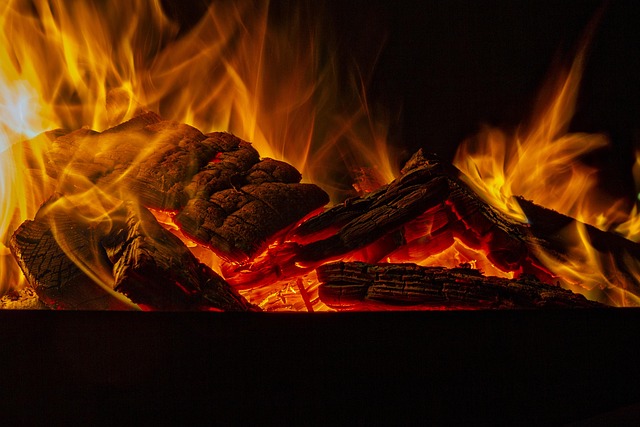
CO is primarily generated through incomplete combustion. This occurs when fuels like natural gas, propane, oil, wood, charcoal, and even gasoline don’t burn entirely due to insufficient oxygen. Think of it as a fuel that’s only partially ‘cooked’ or processed.
Common sources of this incomplete combustion in our daily lives include faulty furnaces, water heaters, stoves, fireplaces, and motor vehicle exhaust. Even generators, grills, and portable heaters used indoors can produce dangerous levels of CO. The United States Fire Administration (USFA) has consistently highlighted these domestic appliances as major culprits. According to the USFA, heating equipment was involved in an estimated 15,000 reported home structure fires per year between 2017 and 2021, with faulty fuel-burning appliances being a significant factor in CO-related incidents.
In industrial settings, CO is also a common byproduct. For instance, it’s produced during the blast furnace process in steel manufacturing and in the production of methanol. Understanding these origins is vital for implementing preventative measures, whether in a home or a workplace.
Health Effects of CO Exposure
The health impacts of carbon monoxide exposure range from mild symptoms to fatality, depending on the concentration of the gas and the duration of exposure. Because CO is odorless and colorless, people can be exposed without realizing it.
Initial symptoms often mimic those of the flu or food poisoning: headaches, dizziness, nausea, fatigue, and shortness of breath. Sarah, a resident in a town with older heating infrastructure, experienced this firsthand. She initially dismissed her persistent headaches and fatigue as stress, only to realize the severity when her dog also became lethargic. This similarity to common ailments is precisely why CO poisoning is so dangerous; it’s often misdiagnosed until it’s too late.
The Centers for Disease Control and Prevention (CDC) provides critical information on these effects. According to the CDC, each year, hundreds of Americans die from accidental CO poisoning, and many more are treated in emergency rooms for CO exposure. As of June 2026, these figures highlight the ongoing public health challenge. Prolonged or high-level exposure can lead to confusion, loss of consciousness, seizures, and irreversible damage to the brain and heart. In severe cases, it results in death.
Recognizing the Symptoms of CO Poisoning
The subtle nature of CO poisoning symptoms makes recognition paramount. The first signs are often non-specific. A dull headache is frequently the first indicator. For anyone experiencing a headache, especially when others in the household or a shared workspace also report similar symptoms, it’s a reason to investigate potential CO sources.
As exposure increases, so do the symptoms. Dizziness, weakness, and nausea can follow. If symptoms worsen when a person is in a particular room or near a specific appliance and improve when they leave, CO exposure is a strong possibility. This localized worsening is a key clue that many overlook. For instance, if symptoms consistently appear after running the car in an attached garage, even with the door open, it’s a major red flag.
Beyond the flu-like symptoms, more severe poisoning can manifest as vomiting, confusion, disorientation, blurred vision, and loss of consciousness. In infants and pregnant women, the effects can be even more profound due to their increased sensitivity. The National Institute of Environmental Health Sciences (NIEHS) emphasizes that even low levels of CO exposure can have adverse effects, particularly on vulnerable populations. Therefore, prompt action is always advised if CO poisoning is suspected.
How to prevent CO Exposure
Preventing carbon monoxide exposure involves a multi-pronged approach focusing on maintenance, ventilation, and detection. The most critical step is ensuring all fuel-burning appliances are installed, maintained, and vented correctly. Regular professional inspections are crucial for detecting potential issues before they become dangerous.
For example, a yearly check-up of your furnace and water heater by a qualified technician can identify cracked heat exchangers or blocked vents that could release CO into your home. Similarly, chimneys and flues should be inspected and cleaned annually to ensure they are free of obstructions like bird nests or creosote buildup, which can impede proper venting. The Environmental Protection Agency (EPA) stresses the importance of proper ventilation in preventing indoor air quality issues, including CO accumulation.
Never use portable generators, charcoal grills, or propane heaters indoors or in enclosed spaces like garages. Ensure that all vehicles are kept out of attached garages, even if the garage door is open. Opening the door is not sufficient ventilation to prevent CO buildup. These simple behavioral changes can significantly reduce risk.
Installing and Maintaining CO Detectors
Installing carbon monoxide detectors is one of the most effective ways to protect against CO poisoning. These devices are designed to sound an alarm when CO levels reach dangerous concentrations. According to the Consumer Product Safety Commission (CPSC), all homes should have CO alarms installed on every level, especially near sleeping areas.
When purchasing detectors, look for models that meet the latest safety standards, such as UL 2034. As of 2026, many advanced models are available, including those with digital displays showing CO levels, battery backup, and even smart home integration. A digital display can offer valuable insight, showing peak CO levels detected overnight, for instance, which can help diagnose the source even after the gas has dissipated. For example, a detector might show a peak of 50 ppm overnight, indicating a persistent but not immediately life-threatening issue from a faulty appliance.
Maintenance is key to ensuring your detectors work when needed. Test them monthly by pressing the test button. Replace batteries at least once a year, or as indicated by the manufacturer. Most CO detectors have a lifespan of 5 to 10 years, after which they must be replaced entirely. Check the manufacturing date on the back of your unit; if it’s nearing its expiration, get a new one promptly. Ignoring this expiration can leave your home unprotected.
Legal and Regulatory Aspects of CO Safety
In many regions, including the United States and the UK, regulations are in place to mandate CO safety measures. In the UK, for example, it’s a legal requirement to install a CO alarm when a new fixed combustion appliance, such as a boiler or gas fire, is installed in any room. This has been standard practice for several years and is reinforced by building codes.
In the U.S., while federal law doesn’t mandate CO detectors in all homes, many states and municipalities have enacted their own laws requiring them. For instance, states like Colorado and Massachusetts have specific laws requiring CO alarms in new and existing residences. The International Code Council (ICC) also includes provisions for CO alarms in its building codes, which are adopted by many local governments. These regulations underscore the seriousness with which Authorities treats cO hazards. The Colorado Division of Housing, for example, provides resources and guidance on CO safety standards for homeowners.
Understanding these regulations is important for homeowners, landlords, and builders. Compliance not only ensures safety but also avoids potential legal liabilities. As of 2026, the trend continues towards stricter enforcement and broader mandates for CO detection in all living spaces.
Understanding CO vs. CO2
It’s easy to confuse carbon monoxide (CO) with carbon dioxide (CO2), but they are distinct gases with different properties and effects. CO2 is a natural component of the atmosphere, essential for plant life through photosynthesis, and is also produced by human and animal respiration and the burning of fossil fuels. While high concentrations of CO2 can be harmful and contribute to climate change, it’s not acutely poisonous in the same way CO is.
The key difference lies in their interaction with hemoglobin. CO2 is transported in the blood differently, and while it can affect blood pH and respiration, it doesn’t block oxygen uptake at the cellular level like CO does. For example, a poorly ventilated room might accumulate CO2 to levels that cause drowsiness, but it won’t bind to hemoglobin and cause oxygen starvation. The chemical formulas (CO vs. CO2) clearly illustrate the structural difference: CO2 has an extra oxygen atom, which significantly alters its chemical behavior and toxicity.

When discussing combustion safety, it’s important to differentiate. A CO detector senses carbon monoxide, not carbon dioxide. While CO2 monitors exist and are used for air quality management, they serve a different purpose than CO alarms, which are designed to detect the life-threatening gas.
Emergency Response to CO Incidents
If your CO alarm sounds or you suspect CO poisoning, immediate action is critical. The first and most important step is to get everyone, including pets, out of the affected area into fresh air immediately. Don’t delay investigating the source or gather belongings.
Once safely outside, call your local emergency services (like 911 in the U.S. or 999 in the UK) from a safe location. Inform the dispatcher that your CO alarm has activated or that you suspect CO poisoning. If possible, open doors and windows on your way out to help ventilate the building, but don’t re-enter until emergency responders have declared it safe.
If someone is experiencing symptoms of CO poisoning, prompt medical attention is vital. Emergency responders can administer oxygen therapy, which helps to clear the CO from the bloodstream more quickly and mitigate long-term damage. According to research published in the Journal of Emergency Medicine, timely oxygen administration is crucial for improving outcomes in CO poisoning cases. As of June 2026, this remains the standard of care.
Practical Tips for Maintaining CO Safety
Beyond regular maintenance and detector installation, several practical habits can bolster your home’s CO safety. Ensure your fireplace and chimney are cleaned and inspected annually by a certified chimney sweep. If you have a gas stove, always use the exhaust fan when cooking, and never use it for heating purposes. Likewise, avoid running generators, grills, or any fuel-burning equipment in or near your home, especially in attached garages or basements.
Educate all household members, including children, about the CO alarm and what to do if it sounds. Make sure everyone knows the evacuation plan and where to meet outside. This preparedness can make a critical difference in an emergency. For example, establishing a family meeting point outside the home ensures everyone is accounted for quickly.
Finally, be aware of weather conditions. Cold weather often leads to increased use of heating systems and potentially more blockages due to snow or ice, making it a peak season for CO incidents. Staying vigilant during these times is especially important. The National Fire Protection Association (NFPA) consistently reports a rise in CO incidents during colder months.
Information current as of June 2026; pricing and product details may change.
Frequently Asked Questions
What is co?
co is a topic that many people search for.
Why does co matter?
Understanding co helps you make better decisions. Whether you’re a beginner or have some experience, staying informed on this topic is genuinely useful.
Where can I learn more about co?
We recommend checking authoritative sources and official websites for the most current information.
Source: Britannica
Editorial Note: This article was researched and written by the Anarchy Label editorial team. We fact-check our content and update it regularly. For questions or corrections, contact us.
Related read: Zodiac Birthstones 2026: Beyond the Basics.
Related read: Crystal Cleansing & Charging: Your 2026 Ultimate Guide
Related read: How to Choose Your First EDC Pocket Knife: A Beginner's Guide 2026.
Related read: Maid of Honor Speech Length: The Golden Rule.