













an be incredibly rewarding, but their size means they require specific care. From seed starting to harvest, attention to detail ensures you get those giant, flavorful fruits. The process generally begins indoors 6–8 weeks before the last expected frost, using a sterile seed-starting mix and providing ample light.
Last updated: July 6, 2026
When it’s time to transplant seedlings outdoors, typically after all danger of frost has passed, ensure they have plenty of space. Beefsteak tomato plants can grow quite large, often needing staking or caging for support. According to the University of California’s Agricultural Extension, providing at least 3–4 feet of space between plants is crucial for air circulation and to prevent disease, especially in humid climates.
Watering is also key. Deep, consistent watering, especially during fruit development, helps prevent issues like blossom end rot and cracking. Aim to water the base of the plant to keep foliage dry, reducing the risk of fungal diseases. This consistent moisture, combined with well-draining soil rich in organic matter, forms the foundation for healthy, productive plants.
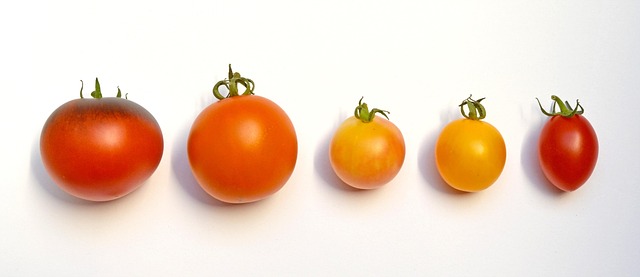
Top Beefsteak Tomato Varieties to consider for 2026
Choosing the right beefsteak variety can elevate your gardening experience and culinary results. While many options exist, some consistently stand out for their performance, flavor, and disease resistance. As of June 2026, here are a few top contenders that gardeners rave about:
- Brandywine: An heirloom favorite, known for its exceptional pink-red color and rich, complex flavor. It’s a popular choice for those seeking an authentic, old-fashioned tomato taste.
- Mortgage Lifter: Developed in the 1940s, this variety is renowned for its large, pink fruits and hearty production. It’s a strong grower, living up to its name by potentially yielding enough to help pay off debts, according to anecdotal garden lore.
- Big Beef: A more modern hybrid, ‘Big Beef’ is bred for disease resistance and consistent, large fruit production. It’s a reliable choice for gardeners who want impressive size and good yield without as much fuss.
- Cherokee Purple: Another striking heirloom, this variety produces medium-large fruits with a unique dusky rose or purple hue and a rich, sweet flavor. Its distinctive color makes it a conversation starter in any salad or sandwich.
When selecting seeds for the 2026 growing season, consider your local climate and any specific disease pressures you’ve experienced. Many seed companies offer detailed descriptions to help you choose the best fit for your garden.
Navigating Common Challenges with Beefsteak Tomatoes
While rewarding, growing beefsteak tomatoes isn’t without its hurdles. Their large size can make them susceptible to certain issues. One common problem is cracking, which often occurs when fruits experience rapid changes in moisture levels, especially after a dry spell followed by heavy rain. Ensuring consistent watering can mitigate this.
Pests like tomato hornworms and blight are also concerns. According to the Organic Consumers Association, integrated pest management (IPM) strategies are most effective. This includes regular monitoring, hand-picking pests, using row covers for seedlings, and maintaining good garden hygiene to prevent diseases like early or late blight. For instance, removing affected leaves promptly can stop the spread of blight.
Another challenge can be ensuring they grow to their full potential size. Insufficient sunlight, poor soil fertility, or inadequate spacing can all lead to smaller-than-expected fruits. As the University of Agriculture and Food Sciences noted in their 2024 research paper, optimal fruit size in tomatoes is directly linked to consistent nutrient supply and adequate leaf surface area to support fruit development.

The Culinary Versatility of Beefsteak Tomatoes
Beyond the garden, beefsteak tomatoes truly shine in the kitchen. Their substantial size and meaty texture make them perfect for thick slices that form the foundation of a gourmet sandwich or a juicy burger topping. The generous surface area means they can hold toppings like mozzarella and basil beautifully.
Their flavor profile also lends itself to various preparations. Raw, they offer a fresh, bright taste. Grilled or roasted, their sweetness intensifies, making them a fantastic addition to vegetable skewers or as a side dish. Imagine a slice of a ripe beefsteak tomato, lightly seasoned and grilled alongside your favorite steak – it’s a culinary experience that smaller tomatoes can’t replicate.
For those who enjoy preserving the harvest, beefsteaks can be canned, or their rich flavor can be concentrated into sauces and pastes, though their high water content means more reduction is needed compared to paste tomatoes. However, their sheer volume makes them an excellent choice for large batches.
Beefsteak Tomatoes vs. Other Tomato Varieties
It’s helpful to understand how beefsteaks differ from other common tomato types. Slicing tomatoes, a category that includes many beefsteaks, are bred for large size and firm flesh, ideal for raw applications. Paste tomatoes, like Roma, are smaller, meatier, and have fewer seeds, making them ideal for sauces and canning due to their lower water content.
Cherry and grape tomatoes are small, often sweet, and typically eaten whole or in salads. Heirloom tomatoes, while a broad category, often include beefsteak types (like Brandywine and Cherokee Purple) but are also found in smaller sizes and diverse shapes, prized for their unique flavors and historical lineage. The key differentiator for a true beefsteak is its large size and substantial, sliceable flesh.
The USDA Food Data Central database as of 2026 lists beefsteak tomatoes as having a higher average weight per fruit and a slightly higher water content compared to paste tomatoes, reinforcing their primary use as fresh slicing or topping components rather than primary sauce bases.
Maximizing Your Beefsteak Tomato Yield
To get the most out of your beefsteak tomato plants, consider these practical tips. Firstly, choose high-quality seeds or seedlings from reputable sources. For 2026, look for varieties specifically suited to your growing zone and be aware of any disease resistance claims.
Secondly, invest in sturdy support structures like cages or stakes early on. As the plants grow, gently tie the main stems to the support to prevent branches from breaking under the weight of the fruit. This not only keeps the fruit off the ground, reducing rot and pest issues, but also improves sunlight exposure and air circulation.
Finally, consider companion planting. Basil, marigolds, and carrots are often cited as beneficial companions for tomatoes. Basil, in particular, is believed to improve tomato flavor and repel some common pests. This symbiotic approach can enhance overall garden health and yield.
Frequently Asked Questions About Beefsteak Tomatoes
What is the best beefsteak tomato for sandwiches?
For sandwiches, varieties like ‘Brandywine’, ‘Big Beef’, or ‘Mortgage Lifter’ are excellent choices. They offer a substantial size, meaty texture, and rich flavor that holds up well between slices of bread without becoming too watery.
How often should I water beefsteak tomatoes?
Water deeply and consistently, aiming for about 1–2 inches of water per week, depending on your climate. Water at the base of the plant, preferably in the morning, to keep foliage dry and reduce disease risk.
Can I grow beefsteak tomatoes in containers?
Yes, but it requires large containers – at leas10–2020 gallons – and a strong support system. Choose determinate or more compact bush varieties if possible, or ensure ample space and sturdy staking for indeterminate types.
When is the best time to plant beefsteak tomato seeds?
Start seeds indoors 6–8 weeks before your last expected frost date. Transplant seedlings into the garden once all danger of frost has passed and soil temperatures have warmed, typically in late spring.
Why are my beefsteak tomatoes not getting big?
Several factors can contribute to small fruits: insufficient sunlight (they need at least 6–8 hours daily), poor soil nutrition, inadequate spacing between plants, or inconsistent watering. Ensure your plants have the ideal conditions to support their large fruit development.
Are beefsteak tomatoes considered heirloom?
Some popular beefsteak varieties, such as ‘Brandywine’ and ‘Cherokee Purple’, are heirlooms. However, the term ‘beefsteak’ primarily refers to the tomato’s size and texture, and there are also many hybrid beefsteak varieties available.
Information current as of June 2026; pricing and product details may change.
Editorial Note: This article was researched and written by the Anarchy Label editorial team. We fact-check our content and update it regularly. For questions or corrections, contact us.
Related read: K-Pop Demon Hunters: Unmasking the Animated Hit of 2025.
Related read: Men's Skincare Routine 2026: Simple Steps for Healthier Skin.