













Answering the Call of Your Birth Flower
Ever wondered why certain flowers seem to resonate with specific times of the year, or perhaps with people born under a particular month? As of June 2026, the fascination with birth flowers by month continues to bloom, offering a beautiful way to connect with nature and understand personal symbolism. These floral designations are more than just pretty petals; they carry meanings steeped in history, folklore, and seasonal significance, much like birthstones. For instance, the humble hawthorn, known as “Mary’s Flower,” holds a special place in May traditions.
Last updated: June 12, 2026
This guide dives deep into the enchanting world of birth flowers, exploring the traditional and modern choices for each month, their rich meanings, and how you can incorporate them into your life. Whether you’re seeking a unique gift, a personal connection, or simply curious about the language of flowers, understanding your birth flower is a delightful journey.
Key Takeaways
- Each month is associated with one or two specific flowers, carrying unique meanings and symbolism.
- Birth flowers often reflect the season they bloom in and have historical, cultural, or religious ties.
- These floral symbols can be used for personalized gifts, understanding personal traits, or simply appreciating nature’s calendar.
- While traditional flowers exist, modern interpretations and regional variations can offer alternative blooms for each month.
What Are Birth Flowers and Why Do They Matter?
Birth flowers are a delightful extension of the tradition of assigning symbols to our birth months. They act as floral representations, each linked to a specific month and carrying a unique set of meanings. Think of them as nature’s way of giving each month a signature scent and a symbolic message. This practice, often referred to as floraglyphy, allows us to explore the personality traits, characteristics, and even potential fortunes associated with the flowers that bloom during our birth season.
The significance of birth flowers often stems from their blooming season. Flowers that appear in spring, like the daffodil, might symbolize new beginnings and hope, while those that brave the autumn chill, such as chrysanthemums, could represent longevity and joy. These natural cycles have been interpreted for centuries, weaving flowers into cultural narratives, poetry, and even religious ceremonies. For example, the ancient Greeks and Romans associated specific flowers with their gods and goddesses, imbuing them with divine attributes.
The Evolution of Birth Flower Lists
The concept of birth flowers isn’t static; it has evolved over time, with different cultures and eras offering their own interpretations. While many traditions stem from ancient floral symbolism, the formalized lists we recognize today often have roots in Victorian-era floriography – the language of flowers. During this period, sending flowers with specific messages became a popular and subtle form of communication.
Over the decades, these lists have been adapted. Some traditions offer two flowers per month, perhaps a primary and a secondary, or one reflecting early blooms and another for later in the month. Others have introduced modern alternatives that might be more readily available or hold contemporary relevance. As of 2026, you’ll find a rich mix of both classic and newer floral designations, providing ample choice and deeper meaning.
January Birth Flowers: Carnation & Snowdrop
For those born in January, the primary birth flower is the Carnation. This flower is known for its ruffled petals and comes in a stunning array of colors, each carrying its own nuance. Generally, carnations symbolize love, fascination, and distinction. A red carnation, for instance, signifies deep love and admiration, while a white one represents pure love and good luck. They are hardy flowers, often blooming even in cooler weather, mirroring the resilience of January-born individuals.
Accompanying the carnation is the Snowdrop. This delicate white flower is one of the first to bloom in late winter or early spring, pushing through snow to announce the coming of warmer days. Its symbolism is deeply tied to hope, beauty, and rebirth. The snowdrop embodies resilience and the promise of new beginnings, making it a poignant symbol for the start of the year. According to The Old Farmer’s Almanac, the carnation’s diverse meanings, from fascination to a mother’s undying love, make it a versatile symbol.
February Birth Flowers: Violet & Primrose
February babies are blessed with the Violet and the Primrose as their birth flowers. The Violet, with its deep purple hue, is a classic symbol of faithfulness, modesty, and humility. It’s a flower often associated with thoughtfulness and a gentle spirit. In folklore, violets were sometimes believed to have magical properties, offering protection and enhancing love.
The Primrose offers a brighter, more cheerful representation for February. Typically blooming in early spring with pastel-colored petals, the primrose symbolizes new beginnings, young love, and eternal love. Its ability to bloom early despite the lingering cold weather connects it to perseverance and optimism. Their vibrant colors can lift spirits, much like the personalities of those born under this month.
March Birth Flowers: Daffodil & Jonquil
The cheerful Daffodil heralds march, a universally recognized symbol of new beginnings, re-birth, and unparalleled joy. Its vibrant yellow trumpet is one of the first definitive signs of spring. Daffodils represent hope and are often given to celebrate new ventures or to bring good fortune. The National Park Service notes that daffodils are among the first flowers to emerge in spring, symbolizing resilience and new life.
The Jonquil is a variety of daffodil, often smaller and more fragrant, with multiple blooms per stem. It shares many of the daffodil’s meanings but is also specifically associated with spring and unrequited love. Its sweet scent and delicate appearance make it a charming representation for March, embodying a gentle, hopeful spirit. For those born in March, these flowers celebrate the awakening of nature and the optimism that spring brings.
April Birth Flowers: Daisy & Sweet Pea
The innocent Daisy and gracs april the delicate Sweet Pea. The Daisy, with its simple charm and symmetrical petals, symbolizes purity, innocence, and new beginnings. It’s a flower that embodies cheerfulness and the simple pleasures of life. Daisies are often associated with loyalty and true love, making them a beloved choice for celebrating relationships.
The Sweet Pea, on the other hand, is celebrated for its beautiful, fragrant blooms and its symbolism of delicate pleasure, blissful happiness, and departure. These climbing vines produce flowers in a wide range of vibrant colors, each adding its own layer of meaning, from gratitude to friendship. Together, the daisy and sweet pea capture the fresh, optimistic spirit of April, celebrating both innocence and the joy of new experiences.
May Birth Flowers: Lily of the Valley & Hawthorn
May brings the enchanting Lily of the Valley and the romantic Hawthorn. The Lily of the Valley is a small, bell-shaped white flower known for its sweet fragrance. It symbolizes sweetness of character, purity, and a return to happiness. It’s often associated with motherhood and good fortune, and its delicate appearance belies its potent fragrance and symbolic depth.
The Hawthorn, also known as Mayflower, blooms prolifically in May with clusters of white or pink flowers. It represents hope, protection, and supreme happiness. Historically, hawthorn branches were used to ward off evil spirits and were associated with fertility and love. Both flowers capture the essence of May – a time of blooming beauty, gentle breezes, and the promise of summer.
June Birth Flowers: Rose & Honeysuckle
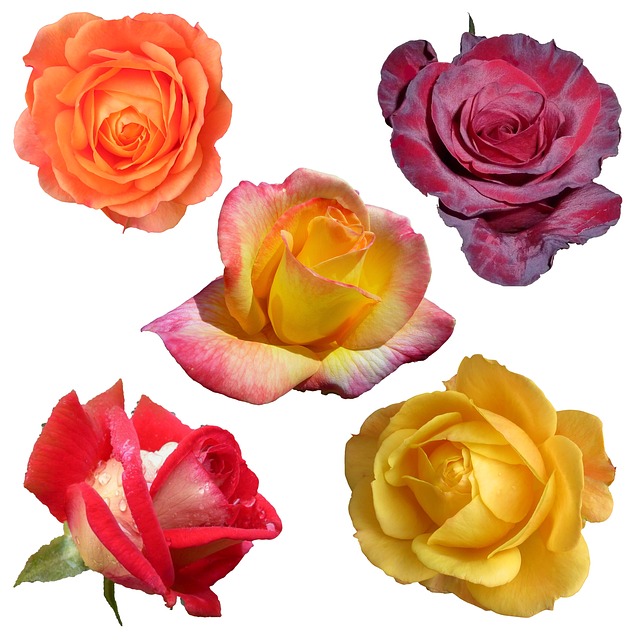
June is a month truly blessed, boasting the iconic Rose and the fragrant Honeysuckle as its birth flowers. The Rose, perhaps the most universally recognized flower, is synonymous with love, beauty, passion, and romance. Different colored roses carry distinct meanings – red for deep love, pink for gratitude, yellow for friendship, and white for purity. Its rich history and symbolic weight make it a powerful emblem for June.
The Honeysuckle adds a touch of delicate charm and sweet fragrance. It symbolizes devotion, eternal love, and strong bonds of affection. Its twining vines are often seen as a metaphor for the interconnectedness of lives. For those born in June, these flowers celebrate the peak of summer’s beauty, intense emotions, and the enduring nature of love and connection. As of June 2026, the rose remains a top choice for romantic gestures and personal celebration.

July Birth Flowers: Larkspur & Water Lily
July’s birth flowers, the elegant Larkspur and the serene Water Lily, represent a time of vibrant growth and tranquility. Larkspur, with its tall spikes of colorful flowers, symbolizes an open heart, joy, and strong romantic attachment. Different colors of larkspur can also signify different things; purple often denotes a first love, while pink signifies fickleness. Its name is thought to derive from the spur-like shape of its petals.
The Water Lily, floating gracefully on water, embodies purity, rebirth, and enlightenment. It represents the ability to rise above challenges and find beauty in serene surroundings. The water lily’s cyclical blooming, opening its petals to the sun and closing them at night, adds to its symbolism of creation and renewal. Together, these flowers capture the lush, abundant spirit of July.
August Birth Flowers: Gladiolus & Poppy
The striking Gladiolus and represents august the vibrant Poppy. The Gladiolus, named after the Latin word for sword (‘gladius’), features tall, sword-like stems adorned with numerous blooms. It symbolizes strength of character, integrity, remembrance, and infatuation. Its impressive stature makes it a powerful representation of inner strength and moral uprightness.
The Poppy, known for its delicate, often red, petals, carries meanings of remembrance, peace, and sleep. Red poppies, in particular, are a poignant symbol of remembrance for fallen soldiers. Yellow poppies can symbolize wealth and success, while white ones represent peace. These flowers, blooming vibrantly in late summer, reflect the passion and deep reflection often associated with August.
September Birth Flowers: Aster & Morning Glory
As autumn begins, September brings the Aster and the Morning Glory. The Aster, with its star-like appearance, symbolizes love, patience, wisdom, and valor. Its name comes from the Greek word for ‘star’, reflecting its appearance and its association with celestial bodies. Asters often bloom in shades of purple, pink, and white, symbolizing a well-lived life and admiration.
The Morning Glory lives up to its name, unfurling its trumpet-shaped blooms each morning. It symbolizes affection, admiration, and the transient beauty of life. The flower’s daily cycle of opening with the sun and closing by the afternoon is seen as a metaphor for living in the moment and appreciating fleeting beauty. These flowers perfectly encapsulate the reflective and beautiful transition into autumn.
October Birth Flowers: Marigold & Cosmos
October is adorned with the cheerful Marigold and the delicate Cosmos. The Marigold, with its vibrant orange and yellow hues, symbolizes passion, creativity, and warmth. It’s often associated with the sun and is believed to bring protection and good fortune. In many cultures, marigolds are used in celebrations and rituals, symbolizing the cycle of life and death.
The Cosmos, a relatively simple yet elegant flower, represents order, beauty, and balance. It also symbolizes love that’s true and enduring. Cosmos flowers come in a variety of colors and bloom profusely, adding a touch of grace to the autumn landscape. Together, they represent the rich, warm colors of autumn and the creative spirit often associated with October.
November Birth Flowers: Chrysanthemum & Peony
November’s birth flowers are the resilient Chrysanthemum and the lush Peony. The Chrysanthemum, a symbol of joy, optimism, and longevity, is a staple of autumn gardens. In many Asian cultures, chrysanthemums are considered symbols of nobility and are associated with the imperial family. They come in a vast array of colors and forms, each contributing to their rich symbolism.
The Peony, often blooming in late spring but sometimes available in November arrangements, symbolizes romance, prosperity, good fortune, and a happy marriage. Its large, opulent blooms are a sight to behold and carry a sense of luxury and abundance. While traditionally a spring flower, its association with good fortune makes it a fitting, albeit sometimes alternative, symbol for November.
December Birth Flowers: Holly & Narcissus
December closes the year with the festive Holly and the radiant Narcissus. Holly, with its glossy green leaves and bright red berries, is a classic symbol of Christmas and winter festivities. It represents domestic happiness, hope, and good fortune. Its ability to stay green through winter makes it a symbol of resilience and eternal life.
The Narcissus, often blooming in spring but sometimes associated with December due to its association with winter holidays in some traditions, symbolizes new beginnings and hope. Its trumpet-like shape is iconic. While primrose is the traditional February flower, some lists associate narcissus with December’s end-of-year reflection and anticipation of the new year. Together, they represent festivity, hope, and the turning of the year.
Creative Ways to Use Your Birth Flower
Understanding your birth flower is just the first step; incorporating its meaning into your life can be incredibly rewarding. For a personal touch, consider a piece of jewelry featuring your birth flower. Many artisans create beautiful pendants, rings, or earrings that subtly showcase your floral symbol. This serves as a constant reminder of your unique traits and the symbolism associated with your birth month.
Gardening enthusiasts can cultivate their birth flower. Imagine a section of your garden dedicated to blooms that represent you! This can be a deeply personal and therapeutic effort. Alternatively, incorporate your birth flower into home décor, whether through art prints, floral arrangements, or even custom stationery. For gift-giving, choosing a bouquet or a potted plant of the recipient’s birth flower is a thoughtful gesture that speaks volumes about your care and attention to detail. According to Bloom & Wild’s 2025 trend report, personalized floral gifts continue to rise in popularity.
Practical Tips for Choosing Birth Flower Gifts
When selecting a birth flower gift, consider the recipient’s personality and your relationship with them. A vibrant gladiolus might be perfect for someone strong and principled, while a delicate sweet pea could suit a friend who cherishes simple joys. Beyond fresh flowers, consider long-lasting options like preserved blooms, embroidered items, or custom illustrations.
If you’re unsure about the availability or specific meanings of a particular flower, opt for a well-researched gift. Many online florists and gift shops offer curated selections based on birth months. For instance, you can find everything from birth flower candles to engraved wine glasses. As of June 2026, the market for personalized gifts, including those based on birth flowers, is strong, offering ample choices for any occasion.
Common Misconceptions About Birth Flowers
One common misconception is that there’s a single, universally agreed-upon list of birth flowers. In reality, different cultures and historical periods have assigned various flowers to each month. For example, while the rose is widely accepted as June’s primary birth flower, honeysuckle is also commonly cited. Similarly, some months have multiple traditional flowers or modern alternatives.
Another misconception is that birth flowers are tied strictly to the season of their bloom. While seasonality plays a significant role, cultural and religious symbolism also heavily influences these designations. For instance, holly, with its winter association, is firmly linked to December due to its festive and protective connotations, even though its peak bloom might not align precisely with the month in all climates. Trustworthy sources like The Old Farmer’s Almanac often detail these historical nuances.
Frequently Asked Questions About Birth Flowers
What is the official birth flower for June?
The official birth flowers for June are typically the Rose and the Honeysuckle. The Rose symbolizes love and beauty, while the Honeysuckle represents devotion and strong bonds.
Are there alternative birth flowers for each month?
Yes, while traditional lists exist, many months have alternative or secondary flowers. This can be due to regional differences, modern interpretations, or the desire to capture more nuances of the month’s essence.
When did birth flowers by month become popular?
The concept of assigning meanings to flowers, known as floriography, gained significant popularity during the Victorian era. Formalized lists of birth flowers by month largely emerged and spread during this period.
How do I choose a birth flower gift?
Consider the recipient’s personality and the flower’s symbolism. You can choose fresh flowers, potted plants, jewelry, art, or other personalized items that feature the birth flower.
Do birth flowers change each year?
No, the designation of birth flowers by month is traditional and doesn’t change annually. However, new interpretations or alternative flowers may be proposed over time.
What is the meaning of the carnation birth flower?
The carnation, January’s birth flower, generally symbolizes love, fascination, and distinction. Different colors carry specific meanings, such as red for deep love and white for pure love and good luck.
Can you have more than one birth flower?
Absolutely. Many months are associated with two flowers, offering a broader range of symbolism and options. These can represent different aspects of the month or appeal to different tastes.
Conclusion: Embracing Your Floral Identity
Exploring birth flowers by month is a charming way to connect with the natural world and discover symbolic meanings that resonate with you or your loved ones. Each flower, from January’s carnation to December’s holly, tells a story, reflecting the seasons, human emotions, and timeless traditions. As of 2026, these floral emblems continue to offer a unique language of beauty and sentiment.
Embrace your birth flower as a personal symbol—whether you choose to cultivate it, wear it, or gift it, let its meaning inspire you. Understanding your floral identity is a beautiful way to celebrate life’s moments, big and small.
Information current as of June 2026; pricing and product details may change.
Related read: Sesame Oil vs. Toasted Sesame Oil: What's the Real Difference in 2026?
Editorial Note: This article was researched and written by the Anarchy Label editorial team. We fact-check our content and update it regularly. For questions or corrections, contact us. Knowing how to address birth flowers by month early makes the rest of your plan easier to keep on track.
Related read: Pink Colour Stone: Beyond the Bling.
Related read: CoolSculpting Cost: Your Guide to Pricing &.