










To clean soapstone countertops, wipe the surface daily using warm water, a few drops of mild dish soap, and a soft microfiber cloth, then rinse and dry thoroughly with a clean towel. Because soapstone is non-porous and naturally chemically resistant, you do not need harsh chemical sprays or sealers to protect it from bacteria and stains.
This guide covers routine daily maintenance, deep cleaning stubborn grease with baking soda or rubbing alcohol, and enhancing the stone’s dark patina using mineral oil or soapstone wax. It also explains how to easily repair surface scratches and outlines which abrasive tools and products to avoid.
How to Clean Soapstone Countertops: Daily Care and Maintenance
To clean soapstone countertops, wipe the surface daily with warm water, a few drops of mild dish soap, and a soft microfiber cloth, then rinse and dry thoroughly with a clean towel. Because soapstone is non-porous and naturally chemically resistant, you do not need harsh chemical sprays or sealers to protect it from bacteria and stains.
What makes soapstone unique compared to other natural stones?
Soapstone is composed primarily of rich mineral steatite, which contains talc, chlorite, and magnesium. This unique composition gives soapstone a silky, tactile texture and several practical advantages over materials like granite or marble.
Unlike granite and marble, soapstone is completely non-porous. Liquids such as red wine, coffee, olive oil, and fruit juice cannot soak into the stone body, meaning it naturally resists deep staining without chemical impregnating sealers. Soapstone is also chemically inert and heat-resistant. Acids like lemon juice or vinegar will not etch or dull the stone itself, and hot pots taken directly from the oven can sit on the surface without causing thermal shock or cracking.
However, soapstone is physically softer than most countertop materials. It has a Mohs hardness rating of 2 to 4, compared to granite’s rating of 6 to 7. This means physical scratching, dulling, and edge chipping are its primary vulnerabilities. Understanding how to manage physical surface wear while taking advantage of its chemical resilience is the key to maintaining soapstone.
Unfinished soapstone installed fresh from the quarry has a light gray or greenish-gray appearance. Over time, exposure to air, touch, and natural oils darkens the stone into a rich charcoal or deep black tone. Most owners speed up and unify this dark patina by applying food-grade mineral oil or soapstone wax.
How to clean soapstone countertops day to day
Daily maintenance of soapstone requires only basic supplies and gentle rubbing. Routine wiping prevents grease from collecting on top of the oiled surface and removes loose dust and food debris.
For daily cleaning, follow this process:
- Clear loose debris: Brush away crumbs, coffee grounds, and loose dirt using a dry microfiber cloth or soft-bristled hand brush.
- Prepare a gentle solution: Fill a sink bowl with warm tap water and add two or three drops of mild liquid dish soap. Avoid soap blends with heavy citrus scents or harsh grease-stripping additives.
- Wipe the surface: Dip a soft microfiber cloth or non-scratch sponge into the soapy water, wring out excess liquid, and wipe down the countertops using wide, sweeping strokes.
- Rinse away soap film: Rinse your cloth thoroughly under plain warm water and wipe the countertop a second time to remove residual soap lather. Soap left behind can dry into a dull film over the finish.
- Dry completely: Buff the stone dry with a clean, dry dish towel or microfiber cloth. Drying prevents minerals in tap water from drying into light spots across the surface.
How to deep clean stuck-on food and grease
Cooking splatters around cooktops and baking residue near prep areas can dry into sticky spots. Because soapstone is non-porous, dried food remains entirely on top of the surface, making it straightforward to loosen without aggressive scrubbing.

For stuck-on grime, mix baking soda with a few drops of water until it forms a smooth paste with the consistency of toothpaste. Spread the baking soda paste over the stubborn residue and let it rest for five minutes. The baking soda acts as a soft, non-damaging abrasive that breaks down dried fats and proteins. Gently rub the paste over the spot using a damp microfiber towel in circular motions, then rinse the area thoroughly with clean water and dry.
If grease builds up heavily around stove burners, standard dish soap might leave a slick residue. You can cut through heavy grease spots by spraying rubbing alcohol (isopropyl alcohol) directly onto the oil deposit and wiping it clean with a towel. Keep in mind that alcohol and degreasers dissolve surface mineral oil. The cleaned spot will appear noticeably lighter than the surrounding dark patina, which simply means you need to re-apply a light coat of mineral oil or wax to restore uniform color.
Enhancing the dark patina: mineral oil vs soapstone wax
Oiling or waxing soapstone is an optional aesthetic treatment designed to accelerate the natural darkening process and hide minor surface scratches. While unfinished soapstone is completely functional, treated stone offers a dark, uniform charcoal finish that hides everyday wear.
| Feature | Food-Grade Mineral Oil | Soapstone Wax / Butter |
|---|---|---|
| Composition | 100% pure liquid mineral oil | Mineral oil blended with beeswax or carnauba wax |
| Application Frequency | Every 2–4 weeks initially, then every 2–3 months | Every 3–6 months |
| Finish & Sheen | Wet-look matte sheen | Smooth satin finish |
| Drying Time | Evaporates/soaks in gradually over weeks | Dries into a semi-firm coat within hours |
| Tactile Feel | Can feel slightly oily if not buffed off thoroughly | Dry, smooth, non-tacky feel |
| Effort Level | Fast application, requires more frequent repetition | Takes slightly more buffing, but lasts much longer |
When applying mineral oil or soapstone wax, follow these steps to achieve an even finish:
- Clean and completely dry the entire countertop surface before beginning.
- Pour a small amount of food-grade mineral oil directly onto the stone or scoop a silver-dollar-sized portion of soapstone wax onto a clean cotton rag.
- Rub the oil or wax across the entire surface using firm circular motions, ensuring complete coverage into corners and along edges.
- Allow the treatment to rest on the stone for at least 30 minutes so it saturates all surface pores and light scratch lines.
- Buff the entire surface vigorously using a dry, clean microfiber cloth until no wet oil or stickiness transfers to your fingertips when touched.
How to repair scratches, water spots, and surface dullness
Because soapstone is relatively soft, dragging ceramic plates, iron skillets, or grocery bags across the counter can leave light white scratches. Repairing these marks is one of the easiest tasks in stone maintenance.
For fine, shallow scratches, you do not need tools or sandpaper. Simply dab a drop of mineral oil or soapstone wax onto the scratch and rub it in with your thumb or a rag. The oil fills the microscopic scratch groove and restores the dark color immediately, making the scratch disappear.
For deeper scratches that you can feel with a fingernail, use a fine-grit sanding process:
- Clean the scratched area thoroughly to remove dirt and surface oil.
- Take a sheet of 220-grit wet/dry sandpaper and wet it slightly with water.
- Sand gently directly over the scratch in small circular motions using light pressure. Extend sanding slightly past the scratch to feather the edge into the surrounding stone.
- If necessary, switch to 400-grit wet/dry sandpaper to smooth out any sanding marks left by the coarser paper.
- Wipe away grey stone dust with a damp rag and dry the stone.
- Apply a fresh coat of mineral oil or wax over the sanded area to blend it back into the dark finish.
If an edge suffers a deep gouge or chip, save any broken stone flakes if available. Chips can be repaired using dark liquid epoxy or clear two-part epoxy mixed with soapstone dust saved from sanding the underside of your counter. Once the epoxy cures flat inside the chip, sand it flush using 220-grit and 400-grit sandpaper, then oil the surface as usual.
Cleaning products and tools to avoid on soapstone
While soapstone is immune to acid damage and chemical etching, improper tools and harsh abrasive chemicals can damage the oil patina or create unwanted physical scratches.

- Abrasive scouring pads and steel wool: Green nylon scrub pads, wire mesh sponges, and steel wool contain abrasives that scratch soapstone quickly. They leave dull white swirl marks across the oiled finish that require full sanding to fix.
- Abrasive cleaning powders: Dry scouring powders contain harsh minerals designed to scrub porcelain or enamel. On soapstone, these powders scratch the soft surface and leave micro-abrasions.
- Vegetable oils and animal fats: Never use olive oil, canola oil, corn oil, or butter to darken soapstone. Unlike mineral oil, organic food oils go rancid over time, creating a sticky layer that smells foul and attracts bacteria.
- Unnecessary chemical stone sealers: Commercial impregnating stone sealers designed for granite or marble cannot soak into non-porous soapstone. They dry into a hazy, sticky film on top of the stone that must be stripped off with harsh solvents.
If you are exploring other natural stone options for a home remodel, see How to Skin Care at Home: An Expert’s Guide for a full comparison of natural stone maintenance needs.
Common soapstone care mistakes
Many homeowners new to soapstone run into minor issues caused by common care mistakes. Recognizing these errors helps keep your counters looking consistent.
The most frequent mistake is over-oiling without proper buffing. Applying mineral oil too generously or failing to buff off excess oil leaves a sticky residue that attracts dust, pet hair, and fingerprints. If your counters feel tacky, wipe them down with a dry terrycloth towel or warm water mixed with mild dish soap to remove excess oil.
Another common mistake is mistaking oil removal for chemical damage. Splashing acidic liquid or concentrated dish soap on an oiled counter dissolves the dark oil layer in that spot, leaving a light gray circle. Homeowners sometimes worry that the stone has etched like marble. In reality, the stone itself is untouched—simply re-oil the pale ring to restore the charcoal color.
Finally, avoid sanding too aggressively with low-grit sandpaper. Using grits lower than 120 creates deep scratch grooves that require extensive work to smooth out. Always start scratch repairs with fine 220 or 400 grit sandpaper.
Is soapstone right for your kitchen?
Soapstone offers distinct advantages for specific living styles, but it is not the right fit for every household.
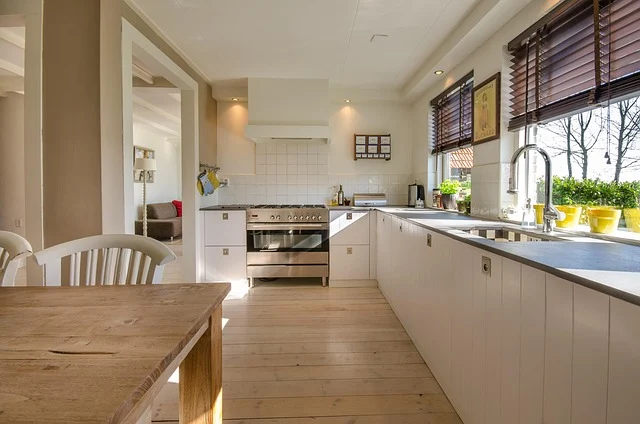
Soapstone suits homeowners who:
- Want a natural matte or satin dark stone finish rather than high-gloss polished granite.
- Value heat resistance and want to set hot cookware directly onto counters without trivets.
- Appreciate natural aging and an evolving living patina that develops character over years of use.
- Enjoy simple DIY repairs where scratches can be sanded out at home in minutes.
Soapstone does not suit homeowners who:
- Demand a perfectly uniform, pristine surface free from all surface wear or color variation.
- Dislike the regular routine of applying mineral oil or soapstone wax during the initial months after installation.
- Want a bright white or highly patterned countertop material. If you prefer bright surfaces, see How to Get Clear, Beautiful Skin: Avoiding Common Pitfalls for care guides on lighter stone materials.
Sources: Countertop
Frequently asked questions
Can I use regular dish soap on soapstone?
Yes, mild liquid dish soap mixed with warm water is ideal for daily cleaning of soapstone countertops. Avoid soaps containing heavy degreasers or abrasive additives that strip surface oil unevenly.
Do soapstone countertops need to be sealed?
No, soapstone is naturally non-porous and never requires chemical sealers. Mineral oil or soapstone wax is applied purely to darken the stone visually and hide light scratches, not to protect against moisture absorption.
How often should I oil my soapstone countertops?
Apply mineral oil every two to four weeks on new soapstone until the dark patina stabilizes. After the initial months, re-apply oil or soapstone wax every two to six months, or whenever the stone begins to look pale and dry.
What is the best way to remove scratches from soapstone?
Dab small light scratches with mineral oil or wax to make them invisible immediately. For deeper scratches, sand the mark gently using 400-grit wet/dry sandpaper, wipe away stone dust, and re-apply mineral oil to restore the dark finish.
Can I put hot pans directly on soapstone?
Yes, soapstone is exceptionally heat-resistant and will not crack or scorch when hot pans are placed directly onto the surface. It handles thermal changes better than almost any other natural countertop material.


